Part 2 of a life insurance application is the medical and lifestyle assessment portion of the contract. It functions as a formal "Statement of Health," where the applicant discloses their detailed medical history, family health background, and high-risk habits to help the insurer determine risk eligibility and premium pricing.
In the landscape of 2026, the life insurance industry has streamlined the application process significantly through digital integration, yet the fundamental structure of the life insurance application remains divided into two distinct parts. While Part 1 focuses on administrative data—such as your name, beneficiaries, and the amount of coverage desired—Part 2 is the technical "engine" of the underwriting process. It is the section where the insurance carrier evaluates the likelihood of a claim being paid out based on your physical health and behavioral risks.
Understanding the nuances of Part 2 is critical for any applicant, as errors or omissions in this section can lead to "material misrepresentation," which may result in a denied claim for your beneficiaries later. This comprehensive guide provides seven key insights into the definition, requirements, and technical implications of Part 2 in a 2026 insurance environment.
1. The Legal Definition: A Binding Statement of Health
Part 2 is legally defined as the "Medical Supplement" or the "Evidence of Insurability" section of the application. Unlike the demographic data in Part 1, the answers provided in Part 2 are considered "representations" upon which the insurance company relies to issue the policy. In legal terms, if you state you have never been treated for hypertension, and the medical records prove otherwise, the insurer has grounds to rescind the policy.
As of 2026, most life insurance carriers use a combination of tele-interviews and Electronic Health Records (EHR) to complete Part 2. Even when automated systems pull your data, you are still required to sign off on the accuracy of the information. This signature transforms the medical questionnaire into a part of the formal legal contract between you and the carrier. Because life insurance is a contract of "utmost good faith" (uberrimae fidei), the applicant is under a strict legal obligation to disclose all relevant health facts.
2. The Role of the Paramedical Examination
Historically, Part 2 almost always required a physical visit from a nurse or medical technician, known as a paramedical exam. In 2026, while "accelerated underwriting" allows many healthy individuals to skip the physical exam, the paramed exam remains a cornerstone of Part 2 for high-value policies (typically those over $2 million) or for applicants with complex medical histories.
The paramedical exam typically includes:
- Vital Signs: Recording height, weight, blood pressure, and pulse.
- Fluid Samples: Collection of blood and urine to screen for cholesterol levels, glucose (diabetes), nicotine, and illegal substances.
- EKG/ECG: For older applicants or high-coverage amounts, an electrocardiogram may be required to check heart rhythm.
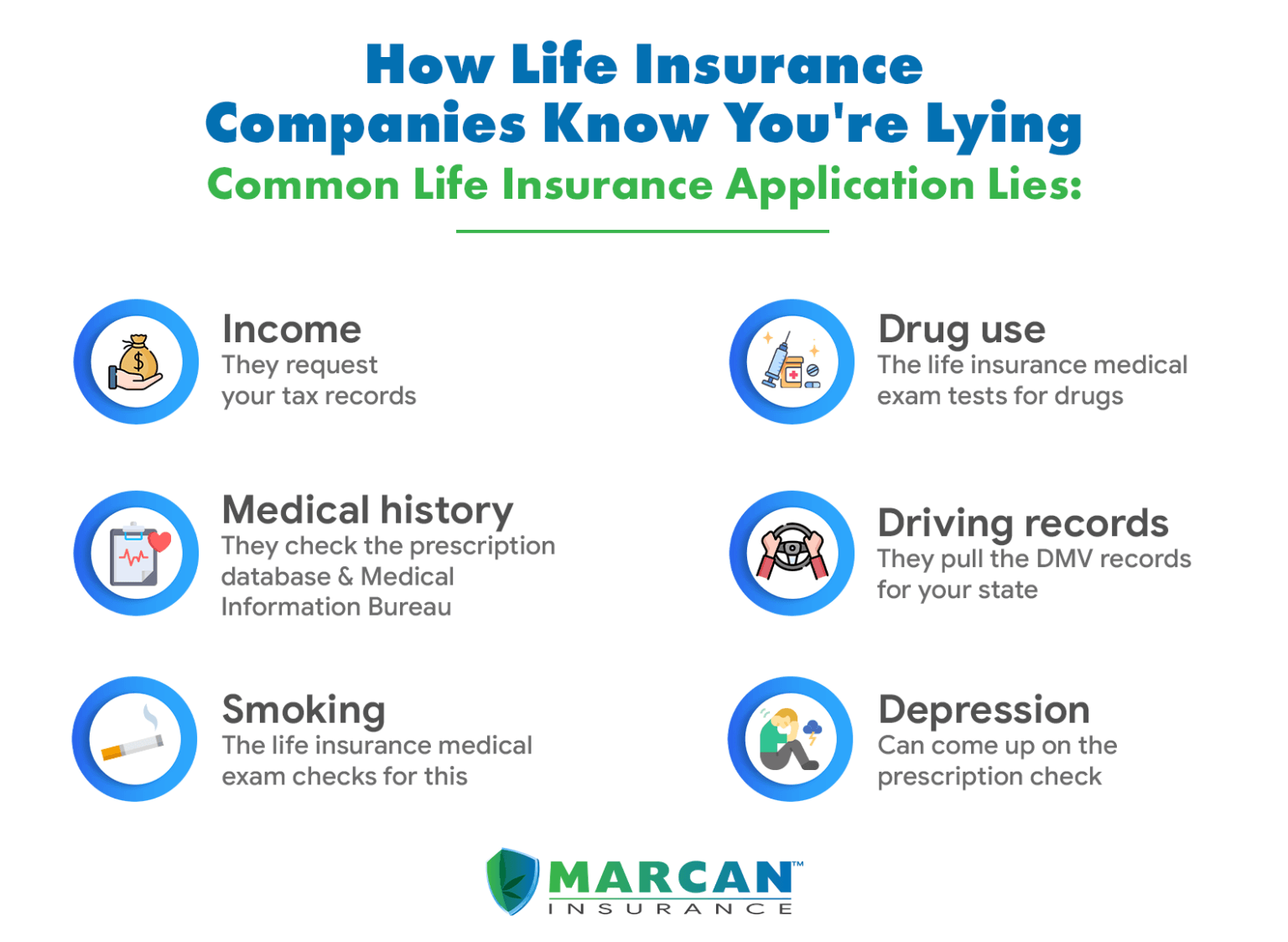
The data gathered during this exam is combined with the questionnaire answers to create a comprehensive risk profile. If there is a discrepancy between what you wrote in Part 2 and what the blood test reveals (e.g., you claimed to be a non-smoker but cotinine is found in your blood), the insurer will re-evaluate or decline the application.
3. The Medical Information Bureau (MIB) Verification
One of the most misunderstood insights regarding Part 2 is how insurers verify your claims. The Medical Information Bureau (MIB) acts as a central clearinghouse for the insurance industry. When you apply for life insurance, the insurer checks the MIB for "codes" that indicate past health issues reported to other insurance companies.
If you omit a heart condition on Part 2 that you disclosed to a different insurer three years ago, the MIB report will flag this inconsistency. This serves as a fraud prevention mechanism. In 2026, this system is more integrated than ever, meaning insurers can cross-reference data points in real-time. It is essential to realize that Part 2 is not a "test" you can pass by hiding information; it is a verification process where honesty is the only path to a secure, incontestable policy.
4. Deep Dive into Family Medical History
Part 2 does not just look at your health; it looks at your genetics. Insurers typically ask for the health history of your immediate family members (parents and siblings), specifically focusing on early-onset heart disease, stroke, or cancer.
- Standard Window: Insurers generally look for family deaths or diagnoses that occurred before age 60 or 65.
- Impact: If both parents died of heart disease before age 55, you might be disqualified from "Preferred Best" rates, even if your current health is perfect.
- Rationale: Underwriters use this data to predict long-term mortality risk. Part 2 quantifies the probability that you might develop a hereditary condition during the term of the policy.
5. Lifestyle Risks: Beyond the Doctor's Office
The definition of "medical history" in Part 2 extends into lifestyle choices that impact your physical safety. This is where underwriters look for "behavioral hazards." Insightful applicants recognize that Part 2 is where they must disclose:
- Tobacco and Nicotine Use: Including vaping, patches, and occasional cigars.
- Aviation and Extreme Sports: If you are a private pilot, a scuba diver, or a mountain climber, these are addressed in Part 2 or a supplemental questionnaire.
- Foreign Travel: Travel to high-risk or conflict zones is evaluated here.
- Criminal Record and Driving History: While these feel like Part 1 items, they are often grouped into the risk-assessment portion of Part 2 because they correlate with "accidental death" risk.
6. Understanding the "Incontestable Period"
The answers you provide in Part 2 are protected by a "Contestability Clause," which generally lasts for two years from the date the policy is issued. During these first 24 months, the insurance company has the right to investigate any claim and review the original Part 2 application for accuracy.
If the insured person dies within this two-year window and the insurer discovers that a medical condition was omitted from Part 2, they can legally deny the death benefit payout. After the two-year period, the policy becomes "incontestable" in most states, except in cases of egregious fraud. This emphasizes why Part 2 is the most critical part of the application for long-term financial security; an error here creates a "ticking time bomb" for your beneficiaries during those first two years.
7. Rating Classes and Premium Loading
The ultimate goal of Part 2 is to assign the applicant to a "Rating Class." These classes determine exactly how much you will pay for your coverage.
| Rating Class | Typical Health Profile | Impact on Premium |
|---|---|---|
| Preferred Plus | Excellent health, no tobacco, ideal BMI, no family history issues. | Lowest possible cost. |
| Preferred | Very good health, minor issues (e.g., controlled cholesterol). | Low cost. |
| Standard Plus | Good health, slightly higher BMI or minor family history. | Average cost. |
| Standard | Average health, manageable chronic conditions (e.g., treated hypertension). | Baseline cost. |
| Substandard (Table Rated) | Significant health issues (e.g., diabetes, history of heart disease). | Base premium + % increase (Loading). |
| Decline | Unacceptable risk (e.g., terminal illness, active substance abuse). | No coverage offered. |
Part 2 data is what shifts you between these categories. A single high blood pressure reading during the paramed exam or a reported history of sleep apnea can move you from "Preferred" to "Standard," potentially doubling your premiums over the life of the policy.
Navigating the Part 2 Process: A Technical Comparison
To better understand how Part 2 fits into the overall workflow, it is helpful to compare it against the more administrative Part 1.
Comparison Table: Part 1 vs. Part 2 of the Application
| Feature | Part 1: Administrative | Part 2: Underwriting/Medical |
|---|---|---|
| Primary Goal | Identification & Beneficiary Designations | Risk Assessment & Mortality Prediction |
| Information Type | Name, DOB, Address, SSN, Owner, Payor | Surgery History, Meds, Family Health, Vitals |
| Verification Method | Identity Checks (LexisNexis/Public Records) | MIB, Pharmacy Database, Paramed Exam, EHR |
| Time to Complete | 10–15 Minutes | 30–60 Minutes (plus exam time if required) |
| Legal Impact | Sets the scope of the contract | Sets the pricing and validity of the contract |
| Key Entities | Applicant, Beneficiary, Policyowner | Physician, Underwriter, Medical Examiner |
Common Mistakes to Avoid in Part 2
When completing the medical portion of the application, precision is your best defense against future legal issues.
Underestimating Prescription History
In 2026, insurance companies use automated pharmacy database searches. If you were prescribed an anti-anxiety medication three years ago but never took it, the record of the prescription still exists. In Part 2, you should disclose the prescription and explain that it was never filled or used, rather than leaving it out and appearing dishonest when the underwriter discovers it during the background check.
Failing to Disclose "Consultations"
The questionnaire often asks if you have "consulted a physician" for specific symptoms. Many applicants answer "No" because they weren't officially diagnosed with a disease. However, if you went to the ER for chest pain and the tests came back inconclusive, you still consulted a physician for chest pain. You must disclose the visit and the result.
Forgetting "Off-the-Shelf" Supplements
While vitamins generally don't matter, certain supplements can interfere with lab results or indicate underlying health concerns. If you are taking high doses of supplements for a specific condition, it is safer to list them.
The Evolution of Part 2: Underwriting in 2026
As of 2026, the "Part 2" experience has shifted toward Fluidless Underwriting. For applicants under age 50 seeking moderate coverage amounts, the "Medical Supplement" is often completed via a dynamic digital interview.
This AI-driven interview adjusts its questions based on your previous answers. If you answer "Yes" to having asthma, the system immediately asks follow-up questions about hospitalizations, medications, and frequency of attacks. This "reflexive questioning" ensures that Part 2 is as thorough as a manual underwriter’s review but completes in a fraction of the time.
However, the shift to digital doesn't change the underlying principle: Part 2 is the factual foundation of your insurance policy. Whether you are speaking to a human examiner or clicking through a secure portal, the data you provide in Part 2 is what secures your family's financial future.
Frequently Asked Questions
What happens if I make a mistake on Part 2? If you realize you made an honest mistake after submitting the application, you should notify your agent or the insurance company immediately to provide an amendment. Amending the application before the policy is issued prevents future claims of material misrepresentation. If the mistake is discovered after the policy is in force, it could jeopardize the payout if you pass away during the contestability period.
Does Part 2 include my mental health history? Yes. Modern life insurance applications include specific questions about mental health, including diagnoses of depression, anxiety, PTSD, or bipolar disorder. Insurers look at the stability of the condition, the medications prescribed, and whether there have been any hospitalizations or instances of self-harm.
Can an insurance company see my full medical records for Part 2? In most cases, the insurer will request your signature on a HIPAA authorization form. This allows them to request an Attending Physician Statement (APS) from your doctor. While they don't always order full records for every applicant, they have the legal right to do so to verify the information provided in Part 2.
Is smoking marijuana considered a "Yes" for the drug use question in Part 2? In 2026, most insurers have specific questions regarding marijuana use. While it may not be treated as "illegal drug use" depending on the state and the carrier’s guidelines, it must be disclosed. Many carriers now rate occasional marijuana users as "Standard" or even "Preferred" non-smokers, but hiding it can result in a denial if it shows up in your blood or urine test.
Does Part 2 ask about my COVID-19 history? Yes, since the pandemic era, most life insurance applications include questions about respiratory health and long-term complications following viral infections. If you have "Long COVID" symptoms that affect your heart or lungs, these must be disclosed in the medical history section of Part 2.
Practical Recommendation
Before you begin the application process, gather a list of your current medications (including dosages), the dates of any surgeries or major diagnoses within the last 10 years, and the contact information for your primary care physician. Having this data ready ensures that your Part 2 submission is accurate, reducing the likelihood of underwriting delays or future disputes. If you have a complex medical history, consider writing a "Cover Letter" to the underwriter to explain the context of your health journey, which can often help you secure a better rating class.