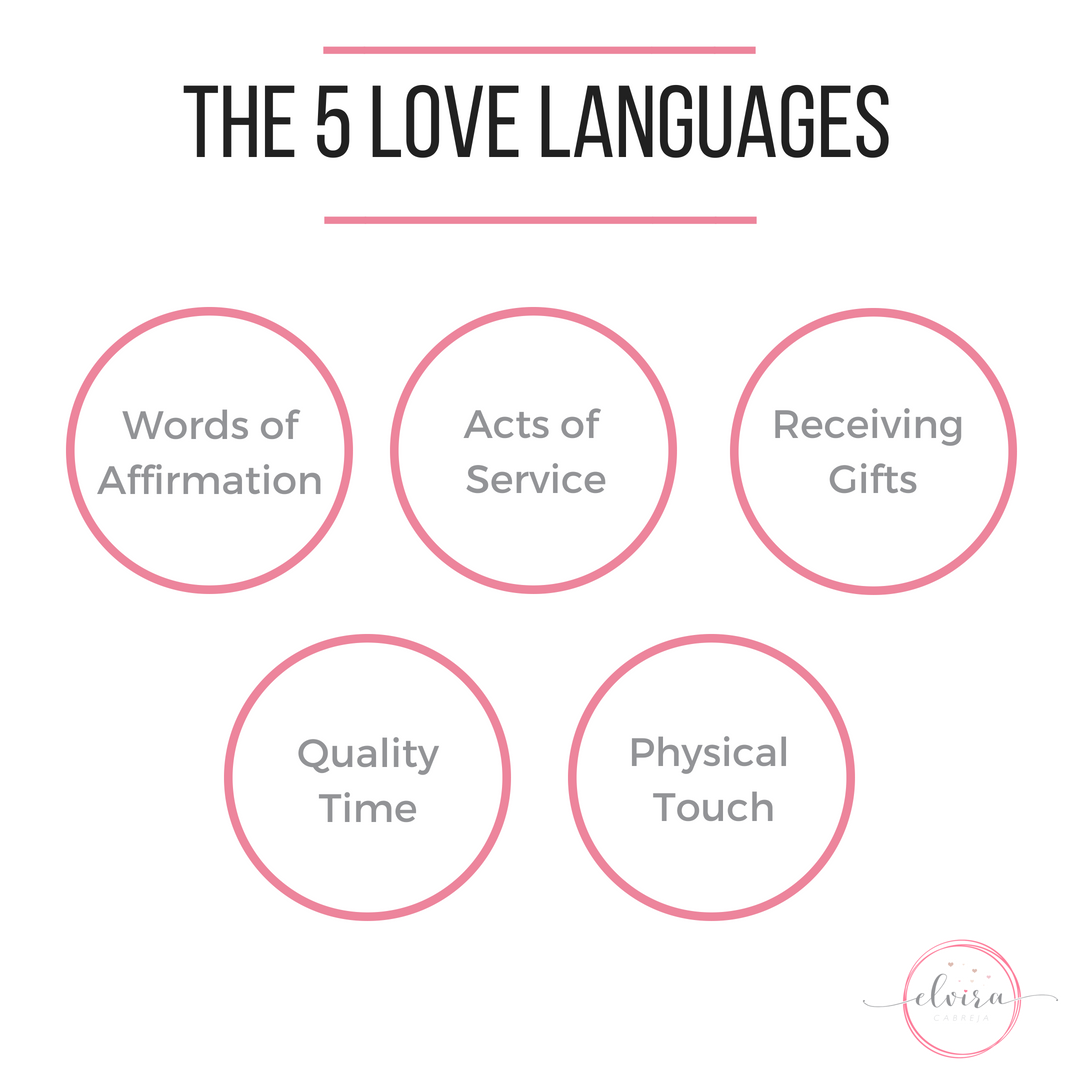
The five love languages—Words of Affirmation, Acts of Service, Receiving Gifts, Quality Time, and Physical Touch—provide a psychological and relational framework for understanding how individuals express and perceive emotional affection, helping modern couples bridge communication gaps and deepen their mutual understanding.
Introduction to the Five Love Languages Framework
The concept of love languages, originally introduced by Dr. Gary Chapman in his 1992 book The 5 Love Languages: The Secret to Love That Lasts, has evolved from a popular self-help framework into a staple of modern relationship psychology. In contemporary relationship dynamics, where partners often juggle career pressures, digital distractions, and shifting domestic roles, understanding emotional communication is more vital than ever.
Many relationship conflicts do not stem from a lack of care, but rather from a fundamental mismatch in how partners translate and interpret affection. One partner might work long hours to provide financial security, believing this demonstrates deep devotion, while the other feels neglected because they crave verbal reassurance or uninterrupted time together. The five love languages framework acts as a translation guide, helping partners identify their unique emotional vocabulary and adapt their expressions of care to match what their significant other actually needs to feel cherished and secure.
The Psychological Underpinnings and Modern Relevance
To apply the love languages effectively in contemporary relationships, it helps to understand why the framework resonates so deeply with human psychology. Attachment theory, emotional regulation, and communication science all intersect within the five love languages model.
Emotional Translation and Validation
Human beings naturally tend to express love in the way they prefer to receive it. This psychological bias, often called projection of care, frequently leads to friction. When partners recognize that affection must be customized rather than standardized, they move away from keeping score and toward empathy. Modern relationships face unique stressors—such as constant digital connectivity, remote work environments, and blurred boundaries between professional and personal life. In this landscape, intentional emotional expression acts as an anchor, ensuring that partners feel prioritized amidst external chaos.
Moving Beyond Stereotypes
While the framework provides a useful lexicon, modern relationship experts emphasize flexibility. Love languages are not rigid personality types; they are dynamic preferences that can shift depending on life stages, stress levels, and personal growth. A person undergoing a high-stress career transition might temporarily crave acts of service, while a parent of young children might prioritize quality time away from domestic duties.
1. Words of Affirmation
Words of Affirmation involve expressing emotional affection through spoken or written words, compliments, appreciation, and encouragement. For individuals with this love language, verbal validation carries immense weight.
What It Looks Like in Practice
- Active Appreciation: Saying "Thank you for handling dinner tonight; it really helped me decompress."
- Unprompted Encouragement: Texting a supportive message before a partner's important work presentation.
- Written Notes: Leaving a sticky note on the bathroom mirror expressing admiration or gratitude.
The Modern Context
In the digital age, Words of Affirmation frequently take the form of morning text messages, thoughtful voice notes, and digital love letters. However, the omnipresence of text-based communication also brings pitfalls. Written words lack tone of voice and facial expressions, meaning sarcastic remarks or emotionally distant texts can wound a word-oriented partner far more deeply than intended. Conversely, a carefully crafted digital message can bridge geographical divides during a partner's business trip, sustaining intimacy across distances.
2. Acts of Service
For individuals who value Acts of Service, actions genuinely speak louder than words. This love language is defined by doing things that you know your partner would appreciate, thereby easing their physical or mental workload.
What It Looks Like in Practice
- Household Contribution: Filling up a partner's car with gas, shoveling snow from the driveway, or cooking a meal after a grueling workday.
- Mental Load Reduction: Anticipating chores that usually fall on one person and taking them over without being asked.
- Logistical Support: Organizing travel itineraries or managing household administrative tasks to reduce a partner's stress.
The Modern Context
In modern partnerships, where dual-income households and shared domestic responsibilities are standard, acts of service are deeply intertwined with equitable partnership. When one partner consistently takes on invisible labor—such as scheduling appointments, tracking household inventory, or managing family logistics—it communicates reliability and care. Crucially, acts of service lose their emotional impact if performed with resentment or kept as a scorecard; they must be offered out of a genuine desire to be a supportive teammate.
3. Receiving Gifts
Receiving Gifts is often misunderstood as materialism, but within relationship psychology, it is fundamentally about thoughtfulness, effort, and visual representation of love. The value of the gift matters far less than the thought, time, and intentionality behind it.
What It Looks Like in Practice
- Mementos and Souvenirs: Bringing home a snack your partner mentioned loving while you were running errands.
- Thoughtful Occasion Gifts: Selecting a birthday or anniversary present that reflects deep personal knowledge of your partner's hobbies and tastes.
- Symbolic Tokens: Finding a smooth stone on a walk or keeping a shell from a vacation to give to your partner as a reminder of a shared experience.
The Modern Context
Consumer culture often commercializes gift-giving around major retail holidays, which can distort this love language. In modern relationships, gift-giving is most effective when it focuses on micro-gestures rather than extravagant purchases. A surprise coffee left on a desk or a book by an author your partner loves demonstrates that you listen to their casual remarks and think of them when they are not physically present.
4. Quality Time
Quality Time is defined by focused, undivided attention. It is not merely sharing physical space while staring at separate screens, but engaging in meaningful interaction, eye contact, and shared experiences.
What It Looks Like in Practice
- Unplugged Dates: Going out for a walk, hike, or dinner with phones silenced and put away.
- Engaged Conversation: Asking open-ended questions about each other's inner lives and actively listening without interrupting or planning your response.
- Shared Activities: Cooking a complex meal together, playing a board game, or embarking on a road trip.
The Modern Context
Quality time faces its greatest modern threat in the form of "phubbing"—snubbing a partner in favor of a mobile phone. Because digital devices demand constant attention, carving out distraction-free spaces has become an act of profound devotion. For busy modern couples, scheduling dedicated quality time—such as a weekly date night or a daily screen-free coffee break—is often necessary to maintain emotional intimacy amidst professional and domestic obligations.
5. Physical Touch
Physical Touch encompasses any form of non-verbal, physical connection that communicates security, warmth, and passion. This includes holding hands, hugging, kissing, back rubs, and sexual intimacy.
What It Looks Like in Practice
- Affectionate Micro-Moments: A lingering embrace when reuniting after work, or a hand placed on a knee while driving.
- Comforting Gestures: Holding hands while walking through a grocery store or resting a head on a partner's shoulder while watching a movie.
- Sensual Intimacy: Engaging in physical closeness and sexual connection that fosters deep vulnerability and bonding.
The Modern Context
Physical touch triggers the release of oxytocin, the neurochemical responsible for bonding and stress reduction. In long-term relationships, physical touch can sometimes taper off due to fatigue, routine, or stress. Intentional physical affection helps regulate the nervous system and provides a grounding sense of safety. It is important to distinguish touch as a love language from sexual desire alone; for many, non-sexual physical touch is an essential daily requirement for feeling emotionally secure.
Comparing the Five Love Languages
| Love Language | Core Focus | Common Expression | Modern Pitfall to Avoid |
|---|---|---|---|
| Words of Affirmation | Verbal validation & encouragement | Compliments, love notes, voice texts | Relying solely on sarcastic or rushed text messages |
| Acts of Service | Easing practical burdens | Chores, logistical support, errands | Performing tasks with resentment or keeping score |
| Receiving Gifts | Visual tokens of thoughtfulness | Mementos, surprise treats, tailored presents | Equating the financial cost of a gift with emotional value |
| Quality Time | Undivided attention & presence | Unplugged dates, deep conversations | "Phubbing" or sharing space while distracted by screens |
| Physical Touch | Non-verbal physical connection | Hugs, holding hands, affectionate contact | Allowing daily fatigue to eliminate routine physical warmth |
Frequently Asked Questions
Can your love language change over time?
Yes, love languages are adaptable and can evolve based on life stages, personal growth, and changing relational needs. For instance, a person who values Quality Time during their dating years might shift toward valuing Acts of Service after having children, when domestic responsibilities multiply and practical help becomes paramount.
What if my partner and I have completely different love languages?
Having different love languages is extremely common and does not spell doom for a relationship. It simply means you need to practice bilingualism in love. By understanding what makes your partner feel cherished, you can intentionally translate your affection into their preferred language, while also communicating your own needs clearly.
Are love languages scientifically validated?
While the five love languages framework is widely used in popular psychology and marriage counseling, it is a conceptual model rather than a rigid clinical diagnosis. Psychological research suggests that while matching communication styles helps improve relationship satisfaction, emotional safety and conflict resolution skills are equally vital indicators of relationship health.
How can I figure out what my love language is?
You can identify your love language by observing what you complain about most frequently—such as feeling unhelped, ignored, or uncomplimented—as well as noticing how you naturally try to show love to others. You can also take online quizzes based on Dr. Gary Chapman's work or read relationship literature together to prompt deeper self-reflection.
Is physical touch limited strictly to sexual intimacy?
No, physical touch spans a wide spectrum of affectionate behaviors that include holding hands, embracing, touching a partner's arm, and cuddling. While sexual intimacy is a component for many couples, non-sexual touch is often what provides daily emotional grounding and reassurance.
Practical Next Steps for Modern Couples
Understanding the five love languages is only the first step; application requires continuous, intentional effort. To put this framework into practice in your relationship, begin by having an open conversation with your partner. Share your respective love languages without judgment or expectation of immediate perfection. Pick one small, actionable adjustment to make this week—such as putting your phone away during dinner to honor a partner's need for quality time, or offering to handle a chore that routinely drains your partner's energy. By treating love as an active practice of translation rather than an assumption, couples can build resilient, communicative, and deeply supportive modern partnerships.