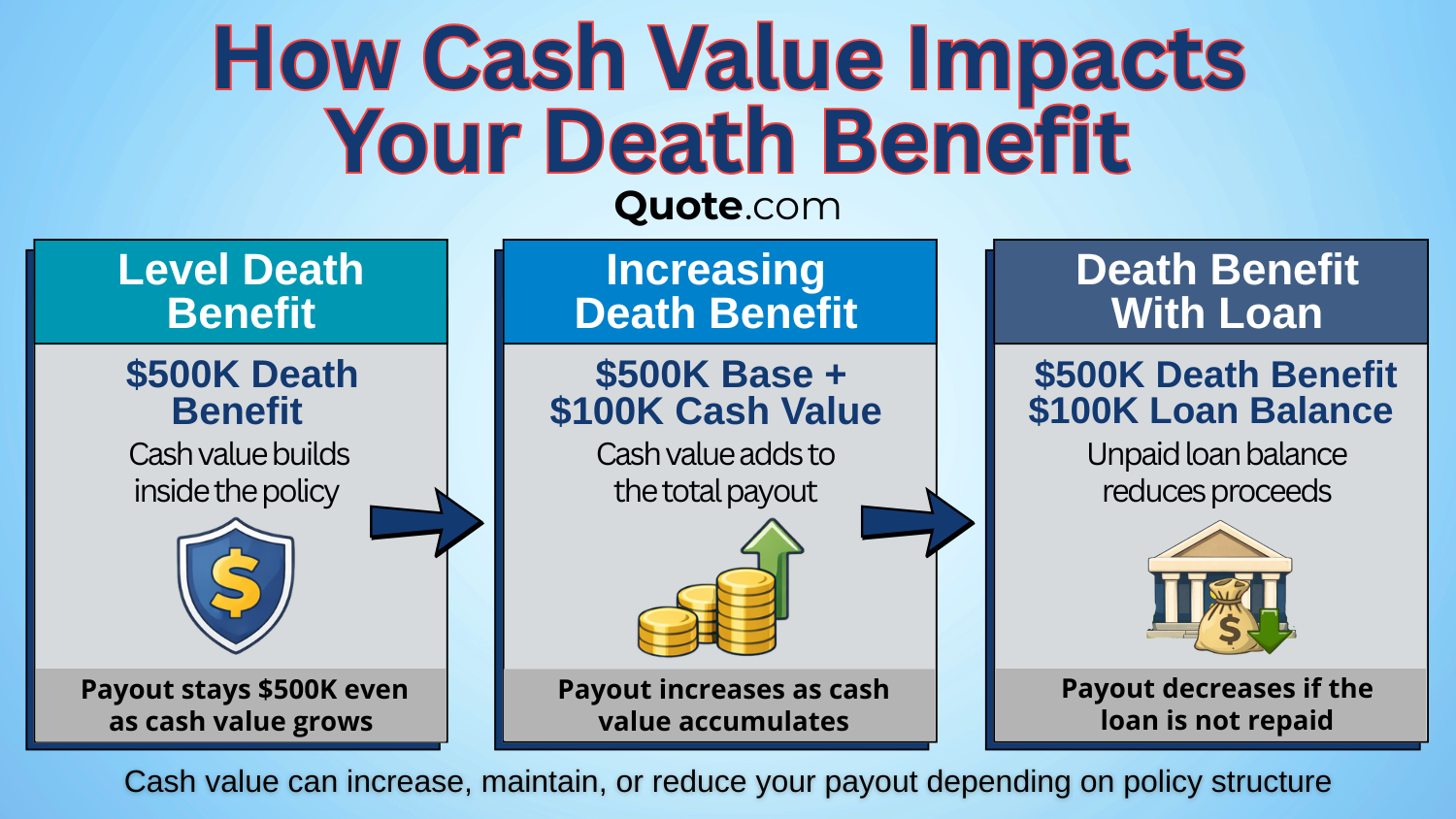
Cash value whole life insurance functions as a permanent policy that builds a cash reserve over time alongside a death benefit, while the reference to "section 8" typically intersects with specific regulatory guidelines, tax codes, or asset-qualification thresholds depending on whether the context involves government housing assistance asset limits or internal contractual policy sections. Navigating these elements requires a careful understanding of how permanent life insurance policies accumulate value, how financial assets affect eligibility programs, and how policyholders can safely leverage their cash reserves without inadvertently triggering adverse financial or regulatory penalties.
Understanding the mechanics of whole life insurance and its intersection with asset-sensitive programs requires looking closely at policy design, guaranteed growth, liquidity options, regulatory definitions, and long-term financial planning strategies. Because financial and housing assistance programs enforce strict asset caps, policyholders must evaluate their coverage carefully to ensure compliance and maximize utility.
1. Core Mechanics of Cash Value Accumulation
Whole life insurance is a form of permanent life insurance designed to remain in force for the insured’s entire life, provided that scheduled premiums are paid. Unlike term life insurance, which only provides a death benefit for a specified period, whole life insurance splits every premium payment into three distinct components: the cost of insurance, administrative fees, and the cash value account.
The cash value account acts as a tax-deferred savings component embedded within the policy. A portion of each premium is deposited into this account, where it earns a guaranteed minimum rate of interest set by the insurance carrier. Many mutual life insurance companies also pay annual dividends, which policyholders can use to purchase additional paid-up insurance, reduce premium payments, or accumulate cash directly.
The Guaranteed Nature of Reserves
- Fixed Premiums: Premium amounts remain level throughout the life of the policy, regardless of the insured's advancing age or declining health status.
- Minimum Interest Rates: Insurers guarantee a baseline growth rate for the cash value, insulating the policyholder against broader market downturns.
- Tax-Deferred Growth: As long as the funds remain inside the policy, the interest and dividends compound on a tax-deferred basis, meaning no capital gains taxes are triggered annually.
This predictable growth makes cash value whole life insurance a conservative asset class. However, because early-year premiums are heavily absorbed by administrative and agent commissions, the cash value typically takes several years to build any significant momentum.
2. Navigating the "Section 8" Intersection: Housing Choice Vouchers and Asset Limits
When individuals refer to "section 8" in the context of cash value whole life insurance, they are usually examining how government assistance programs—specifically the Housing Choice Voucher program administered by the U.S. Department of Housing and Urban Development (HUD)—treat permanent life insurance products when calculating family assets and income.
Under federal housing guidelines, public housing agencies (PHAs) must evaluate the total net family assets of applicants and current participants. Net family assets include the cash value of life insurance policies minus any surrender or loan penalties that would apply if the policy were liquidated.
Asset Limits and Value Inclusion
- Cash Surrender Value vs. Face Value: PHAs look strictly at the cash surrender value (CSV)—the amount the policyholder would receive if they canceled the policy today—rather than the total death benefit payout.
- Asset Thresholds: If total net family assets exceed specific statutory limits (typically $50,000, adjusted for inflation depending on current program guidelines), it may affect program eligibility or require the inclusion of imputed asset income in the household's adjusted gross income calculation.
- Verification Requirements: Applicants must disclose all whole life policies during annual recertification processes, providing official statements from the insurance carrier detailing the current cash surrender value.
Failing to report a whole life insurance policy's cash value can result in administrative compliance errors, delayed recertifications, or potential termination of housing assistance. Therefore, transparency with local housing authorities regarding any accumulated cash value is vital.
3. Liquidity, Policy Loans, and Withdrawals
One of the primary structural benefits of a whole life insurance policy is the ability to access the accumulated cash value while the insured is still alive. Policyholders do not need to wait for a triggering event or reach a specific retirement age to utilize these funds, making the cash reserve a flexible source of emergency liquidity.
Policyholders typically have two main methods for accessing cash: partial withdrawals and policy loans. Each method carries distinct operational mechanics, tax consequences, and impact on the policy's underlying death benefit.
| Access Method | Mechanics | Tax Implications | Impact on Death Benefit |
|---|---|---|---|
| Partial Withdrawal | Permanently removes cash value directly from the policy up to the cost basis (premiums paid). | Tax-free up to the cost basis; taxable as ordinary income if withdrawals exceed total premiums paid (FIFO rule). | Permanently reduces the final death benefit dollar-for-dollar. |
| Policy Loan | Borrows funds from the insurance carrier using the cash value as collateral. The policy stays active. | Generally tax-free, provided the policy remains in force and does not lapse. | Outstanding loan balance plus accrued interest is subtracted from the death benefit at the time of the claim. |
Risks of Over-Borrowing
While policy loans offer flexibility—often without credit checks or stringent repayment schedules—borrowing excessively can cause a policy to lapse. If the loan balance and accumulated unpaid interest exceed the total cash value, the insurance company will issue a lapse notice. A lapsed policy triggers a taxable event if the total withdrawals and loan distributions exceed the cumulative premiums paid, often resulting in an unexpected tax bill.
4. Tax Advantages and Legal Protections
Whole life insurance policies occupy a unique position within the tax code and legal frameworks, offering specific protections that standard bank savings accounts or brokerage accounts do not provide.
From an income tax perspective, the internal build-up of cash value is sheltered from annual taxation. Furthermore, beneficiaries receive the ultimate death benefit completely income tax-free under current federal tax laws, offering a reliable vehicle for generational wealth transfer.
Asset Protection from Creditors
Beyond tax benefits, state laws often shield life insurance cash values and death benefits from creditors and legal judgments.
- State-Specific Exemptions: Many states provide statutory protection that shields all or a substantial portion of a life insurance policy's cash value from lawsuits or bankruptcy proceedings.
- Vector for Estate Planning: Whole life insurance can bypass the lengthy and public probate process if a specific, living beneficiary is named, transferring funds directly and privately upon the insured's passing.
Despite these protections, individuals participating in means-tested government programs like Section 8 should note that asset protection from civil creditors does not automatically exempt an asset from federal or state housing program calculation rules. Program administrators retain the legal authority to count cash surrender value toward asset limits regardless of creditor exemptions.
5. Potential Drawbacks, Costs, and Alternatives
While cash value whole life insurance provides guaranteed growth and permanent protection, it is not an ideal financial product for every consumer. Understanding the structural limitations helps buyers weigh whether the long-term commitments align with their personal financial goals.
The most prominent drawback is cost. Whole life insurance premiums are significantly higher—often five to ten times more expensive—than equivalent term life insurance coverage for the same face amount. This high cost can strain household budgets, particularly for low-to-moderate-income families who may also be managing rental expenses or housing assistance program requirements.
Key Factors to Evaluate Before Purchasing
- Opportunity Cost: The rate of return on whole life cash value is traditionally lower than historical returns from diversified equity portfolios or high-yield investment vehicles.
- High Early Surrender Charges: Canceling a policy within the first few years often yields little to no return due to surrender fees and front-loaded administrative costs.
- Alternative Strategies: For pure income replacement and risk management, term life insurance combined with a dedicated, separate savings or investment vehicle (often called "buy term and invest the difference") may offer greater flexibility and lower initial costs.
Consumers must evaluate their financial capacity, long-term stability, and specific regulatory obligations—such as maintaining asset compliance for housing assistance—before committing to a permanent whole life contract. Consulting with a fee-only financial planner or certified insurance consultant can provide an objective assessment tailored to individual circumstances.
Frequently Asked Questions
Does the cash value of a whole life insurance policy count toward Section 8 asset limits?
Yes. Public housing agencies evaluate the cash surrender value (CSV) of all life insurance policies when calculating net family assets for Housing Choice Voucher eligibility and annual recertifications. If the CSV pushes total household assets above program limits, it can impact eligibility or require income imputation.
Can my life insurance policy lapse if I take a policy loan?
Yes. If you borrow against your cash value and fail to pay the annual interest, the loan balance will compound. If the total loan balance plus accumulated interest exceeds the remaining cash value, the policy will lapse, which can also trigger unexpected income tax liabilities if distributions exceed your total premiums paid.
Is the death benefit from a whole life insurance policy taxable?
Generally, life insurance death benefits paid to a designated beneficiary upon the insured's passing are exempt from federal income taxes. However, the proceeds may still be subject to federal or state estate taxes if the total estate value exceeds statutory exclusion thresholds.
How long does it take for a whole life insurance policy to build meaningful cash value?
It typically takes anywhere from 5 to 10 years for a whole life policy to build a substantial cash value reserve. This delay occurs because initial premium payments are heavily weighted toward underwriting costs, administrative expenses, and agent commissions before capital begins compounding in the reserve account.
What is the difference between cash surrender value and the policy's face value?
The face value (or death benefit) is the guaranteed amount paid to beneficiaries when the insured passes away. The cash surrender value is the amount of money the insurance carrier will pay to the policyholder if they voluntarily cancel or surrender the contract while still alive.
Next Actions for Policyholders and Applicants
If you currently hold a cash value whole life insurance policy or are considering purchasing one while navigating housing assistance programs, transparency and documentation are essential. Request a formal in-force illustration and a current cash surrender value statement from your insurance carrier. Present these documents accurately during your next housing authority recertification to maintain program compliance, and consult a qualified financial professional to review whether the policy's ongoing premium costs and asset valuations align with your long-term financial stability.