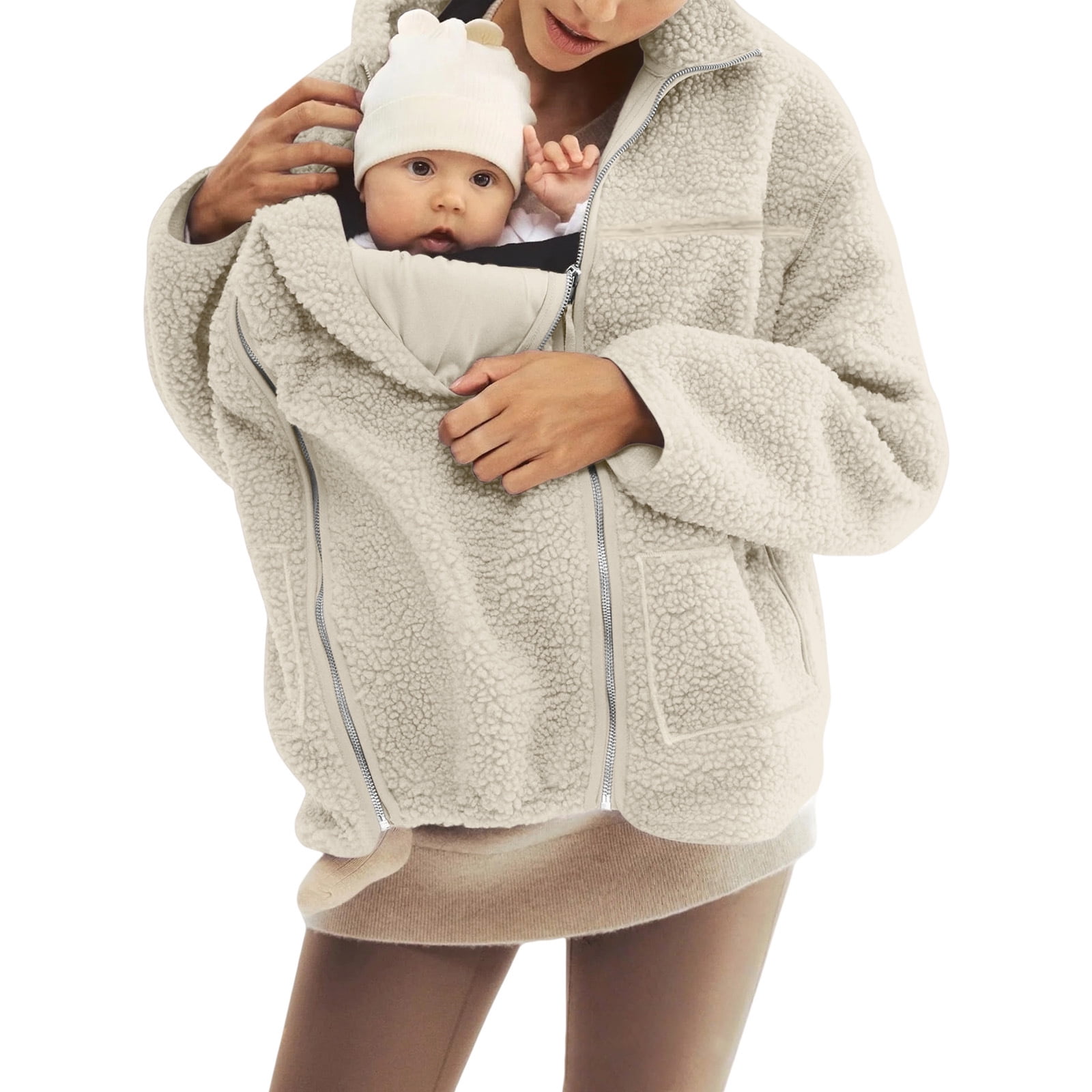
Navigating pregnancy requires an entirely new wardrobe strategy, and outerwear is perhaps the most challenging and essential investment you will make. When standard coats stop zipping halfway through your second or third trimester, you need specialized maternity outerwear or bump-friendly alternatives that provide proper insulation, wind resistance, and room to grow without compromising your personal style or everyday comfort.
Choosing the right maternity coat involves balancing several practical considerations, including regional climate variations, trimester-specific sizing, long-term versatility, and features like adjustable waistlines, removable panels, or three-in-one babywearing designs. Because standard sizing rarely accommodates a rapidly changing body, expecting parents often struggle between buying oversized standard coats that lack shape or investing in targeted maternity solutions.
This comprehensive guide evaluates five of the best coats for pregnancy, breaking down their specific design features, warmth ratings, pros and cons, and sizing guidance to help you select the ideal outerwear piece for your winter or transition-season needs.
Understanding Maternity Outerwear Categories
Before evaluating specific coat models, it helps to understand the three primary styles of pregnancy coats available on the market. Each style addresses the changing shape of pregnancy in a unique way, and your choice will depend heavily on your budget, climate, and whether you plan to wear the coat after pregnancy or while babywearing.
| Coat Category | Key Design Feature | Best For |
|---|---|---|
| Dedicated Maternity Coats | Extra fabric built into the sides and belly panel | Full-trimester wear with a tailored fit |
| 3-in-1 Babywearing Coats | Removable middle panel for bump and baby carrier | Extended utility during pregnancy and post-partum |
| Oversized/A-Line Styles | Relaxed, swing, or cocoon silhouettes | Mild climates and casual, non-maternity styling |
Dedicated Maternity Coats
These garments are engineered specifically for pregnancy. They typically feature hidden side zips, elasticized panels, or an exaggerated flare starting from just below the bust. The primary advantage is a flattering silhouette that prevents cold air from drafting up your midsection while accommodating a full-term belly without pulling across the shoulders or chest.
Three-in-One (3-in-1) Babywearing Coats
These versatile investments come with a zip-in extension panel. During pregnancy, you zip the panel in to expand the front of the coat around your belly. After delivery, you can reverse or reposition the panel to wear the coat over a baby carrier, keeping both you and your newborn warm during walks. Once your child is out of a carrier, you remove the panel entirely, and the coat functions as a standard, high-quality winter jacket.
Swing, Cocoon, and Oversized Standard Coats
Non-maternity coats featuring A-line cuts, oversized shawl collars, or dropped shoulders can often accommodate early-to-mid pregnancy without sizing up. However, they lack front-panel adjustments, meaning they may leave your lower abdomen exposed to chilly drafts during the third trimester unless paired with a supportive maternity belly band and a long, warm layering sweater.
1. Seraphine Reversible 3-in-1 Down Maternity Jacket
For severe winter climates, down insulation remains the gold standard for warmth-to-weight ratio. Seraphine’s Reversible 3-in-1 Down Maternity Jacket is specifically engineered to adapt through every stage of pregnancy and early motherhood, making it a favorite among parents living in regions with freezing temperatures and snow.
Design and Performance Features
The jacket utilizes a real or faux down-blend filling (depending on the specific seasonal iteration) that traps body heat efficiently. Its defining feature is the zip-in panel system. During the first and second trimesters, the coat works as a stylish, form-fitting winter jacket. As your belly expands in the third trimester, you zip in the expansion panel to add several inches of circumference across the front.
Furthermore, the jacket is fully reversible, offering two distinct colorways or textures in a single garment. This versatility helps combat winter wardrobe fatigue. The outer shell is treated with a water-resistant finish to handle light rain and wet snow.
Pros and Cons
- Pros:
- Exceptional warmth for freezing temperatures.
- 3-in-1 functionality transitions seamlessly into a babywearing coat and a standard post-partum jacket.
- Reversible design doubles styling options.
- Cons:
- Higher price point compared to standard non-maternity coats.
- Requires careful laundering according to down-care instructions.
2. PinkBlush Hooded Quilted Maternity Puffer Coat
When looking for an everyday puffer that balances casual aesthetics with reliable cold-weather protection, PinkBlush offers a dedicated maternity line focused on accessibility and modern trends. Their Hooded Quilted Maternity Puffer Coat is a staple for expectant parents who need a reliable, mid-weight layer for daily errands and commuting.
Design and Performance Features
Unlike 3-in-1 coats that rely on modular panels, PinkBlush designs its maternity puffers with permanent structural adjustments built directly into the side seams and torso. This includes subtle elastic gathering or hidden zippers that expand outward as your bump grows.
The attached hood features faux-fur trim in many models, adding wind protection around the face and neck. The quilted pattern helps distribute synthetic insulation evenly, preventing cold spots and maintaining a streamlined silhouette that doesn't look overly bulky.
Pros and Cons
- Pros:
- Designed specifically for a pregnant silhouette without looking boxy.
- More affordable price point than high-end technical outerwear brands.
- Easy-care synthetic fill can typically be machine washed and dried on low.
- Cons:
- Lacks babywearing capabilities for post-partum use.
- Synthetic insulation may not suffice in extreme sub-zero alpine environments without heavy layering.
3. Modern Eternity 3-in-1 Hooded Puffer Maternity Coat
Modern Eternity pioneered the commercial 3-in-1 maternity coat concept, creating versatile outerwear designed to bridge the gap between maternity wear, babywearing, and standard fashion. Their Hooded Puffer is one of the most widely recommended options for expecting parents who want longevity from their clothing investments.
Design and Performance Features
The coat features a zip-in panel that uses a clever dual-purpose design: zip it in upside down or right-side up depending on whether you are accommodating a late-stage pregnancy bump or an infant carrier. The shell is constructed from windproof and water-resistant polyester, protecting against biting winter gusts and sleet.
Deep fleece-lined pockets keep hands warm, and the adjustable internal drawstring allows you to customize the fit around your changing waistline. The hood is fully detachable, allowing you to streamline the collar when wearing bulky scarves.
Pros and Cons
- Pros:
- True multi-season, multi-year utility (Pregnancy $\rightarrow$ Babywearing $\rightarrow$ Standard Wear).
- Windproof and water-resistant technical fabric.
- Generous length provides thigh coverage.
- Cons:
- Managing and storing the extra zip-in panels requires organization.
- Sizing can feel slightly generous if worn without a bump or baby.
4. H&M Mama Padded Parka
For those seeking an affordable, utilitarian option that handles transitional weather and mild-to-moderate winter conditions, the H&M Mama Padded Parka provides a practical solution. H&M’s dedicated maternity line focuses on translating high-street trends into comfortable, functional garments for expectant parents.
Design and Performance Features
This parka features a drawstring waist positioned just above the bump, allowing you to cinch the coat to define your shape during early pregnancy and let it out gradually as your belly expands. The water-repellent shell keeps you dry during unexpected rain showers, while the lightweight padding provides cozy warmth without feeling restrictive.
Ribbed inner cuffs seal out drafts around the wrists, and the high-collar hood protects the neck and ears from cold winds. The fishtail hem design offers extra coverage at the back while maintaining ease of movement when walking.
Pros and Cons
- Pros:
- Highly accessible price point for temporary maternity wear.
- Adjustable internal drawcord accommodates changing proportions naturally.
- Clean, utilitarian parka style pairs well with casual everyday outfits.
- Cons:
- Not warm enough for harsh northern winters without extensive thermal layering.
- Limited availability in physical retail stores, often requiring online purchase.
5. Isabel Marant Étoile / Luxury Oversized Wool-Blend Coats (Non-Maternity Alternative)
Many pregnant individuals prefer to avoid purchasing dedicated maternity clothes, particularly if their due date falls in early spring and they only need a coat for a few chilly months. Investing in a luxury or high-street oversized wool-blend coat—such as an A-line, cocoon, or wrap coat—offers an elegant alternative that remains a wardrobe staple long after pregnancy.
Design and Performance Features
Oversized wool-blend coats rely on unstructured tailoring, dropped shoulders, and generous wrap closures rather than zippers or structured panels. A wrap coat with a tie belt allows you to continuously adjust the closure point as your waistline expands.
Wool and wool-blend fabrics provide superior natural breathability and wind resistance compared to synthetic alternatives, making them ideal for crisp autumn days and mild winter weather. Their timeless tailoring ensures you look polished for professional or formal settings.
Pros and Cons
- Pros:
- High post-partum and long-term resale or wear value because it is not explicitly a maternity garment.
- Sophisticated, high-fashion aesthetic suitable for work or evening wear.
- Natural wool fibers offer excellent temperature regulation.
- Cons:
- Lack of front zips means cold air can occasionally draft up through the bottom sweep.
- Dry-clean only requirements increase ongoing maintenance costs.
- Wool offers less protection against heavy rain or wet snow compared to treated technical shells.
Comparison of the 5 Best Coats for Pregnancy
To summarize how these options compare across key purchasing factors, review the comparison matrix below:
| Coat Model | Primary Style | Insulation Type | 3-in-1 Babywearing | Price Tier |
|---|---|---|---|---|
| Seraphine Reversible | 3-in-1 Down | Down / Down-Blend | Yes | Premium ($$$) |
| PinkBlush Quilted Puffer | Dedicated | Synthetic Fill | No | Moderate ($$) |
| Modern Eternity Puffer | 3-in-1 Puffer | Synthetic Fill | Yes | Moderate-High ($$-$$$) |
| H&M Mama Padded Parka | Parka / Drawstring | Lightweight Pad | No | Budget ($) |
| Oversized Wool Wrap Coat | Non-Maternity | Wool-Blend Fabric | No | Variable ($ to $$$) |
Key Factors to Consider When Buying a Pregnancy Coat
Purchasing a coat while pregnant requires factoring in elements that you might normally overlook when buying standard outerwear. Evaluating these variables ensures you make a practical investment that keeps you comfortable throughout the changing seasons.
1. Timing Your Trimesters
Consider when you will be heavily pregnant. If your third trimester falls during January and February, you will need maximum insulation, windproofing, and a coat with significant expansion capacity. Conversely, if you are due in late autumn or early spring, a lighter trench, parka, or wrap coat may be entirely sufficient.
2. Sizing Strategy
As a general rule, buy your pre-pregnancy size when purchasing dedicated maternity coats or 3-in-1 styles. Brands engineer these garments to accommodate your growing belly, bust, and hips while maintaining proper fit in the shoulders and sleeves. Sizing up in a dedicated maternity coat often results in sleeves that are too long and shoulders that slip. If opting for a non-maternity oversized coat, you may want to size up by one size or look for wrap styles with generous overlap.
3. Climate and Layering Room
Pregnancy naturally increases your core body temperature due to hormonal shifts and increased blood volume, meaning you may feel warmer than usual. However, waiting at a bus stop or walking in freezing wind requires reliable core protection. Ensure your coat leaves enough room in the arms and chest for a comfortable sweater without feeling constricted.
Frequently Asked Questions
Do I need to buy a special maternity coat, or can I just size up in a regular coat?
You can size up in standard coats, but it often results in an awkward fit. While larger sizes accommodate your belly, they are typically too wide in the shoulders, long in the sleeves, and lack proper insulation coverage around the lower front torso where a baby bump pushes the fabric outward. Dedicated maternity or 3-in-1 coats maintain proper shoulder tailoring while expanding where needed.
When should I buy a winter coat for my pregnancy?
It is best to purchase your maternity coat just before you begin needing extra room—typically around the end of your first trimester or early second trimester. Trying to predict your third-trimester size months in advance is difficult, but shopping when you first notice your standard coats feeling snug ensures you maximize your wear time.
What is a 3-in-1 babywearing coat, and is it worth it?
A 3-in-1 coat features a removable center panel. During pregnancy, the panel expands the coat to fit your bump. After birth, you place your baby in a carrier against your chest and zip the panel over both of you to keep your baby warm. Once your baby outgrows the carrier, you remove the panel and wear the jacket normally. For parents living in cold climates who plan to babywear, these coats offer exceptional long-term value.
Can I wear my pregnancy coat after I give birth?
If you purchase a dedicated maternity coat with side elastic or ruching, it may look slightly loose or misshapen post-partum until your body returns to its pre-pregnancy shape. However, 3-in-1 coats and oversized wrap coats are explicitly designed to transition into standard, non-maternity outerwear once the expansion panels are removed or the wrap belt is readjusted.
How do I clean and maintain down maternity coats?
Down insulation requires specific care to maintain its loft and thermal efficiency. Always check the manufacturer's care label. Generally, down coats should be machine washed on a gentle cycle with a specialized down detergent, and dried on low heat with clean tennis balls or dryer balls to break up clumps and restore fluffiness. Avoid fabric softeners, as they coat the down clusters and reduce insulating performance.
Final Recommendation
If you live in a freezing climate and want a garment that transitions effortlessly from late-stage pregnancy to winter walks with a baby carrier, invest in a versatile option like the Seraphine Reversible 3-in-1 Down Jacket or the Modern Eternity 3-in-1 Puffer.
If you are looking for an affordable everyday option for a milder winter or prefer not to deal with modular panels, a dedicated maternity parka like the H&M Mama Padded Parka or a stylish Oversized Wool-Blend Wrap Coat will keep you warm, comfortable, and feeling like yourself throughout your pregnancy journey.