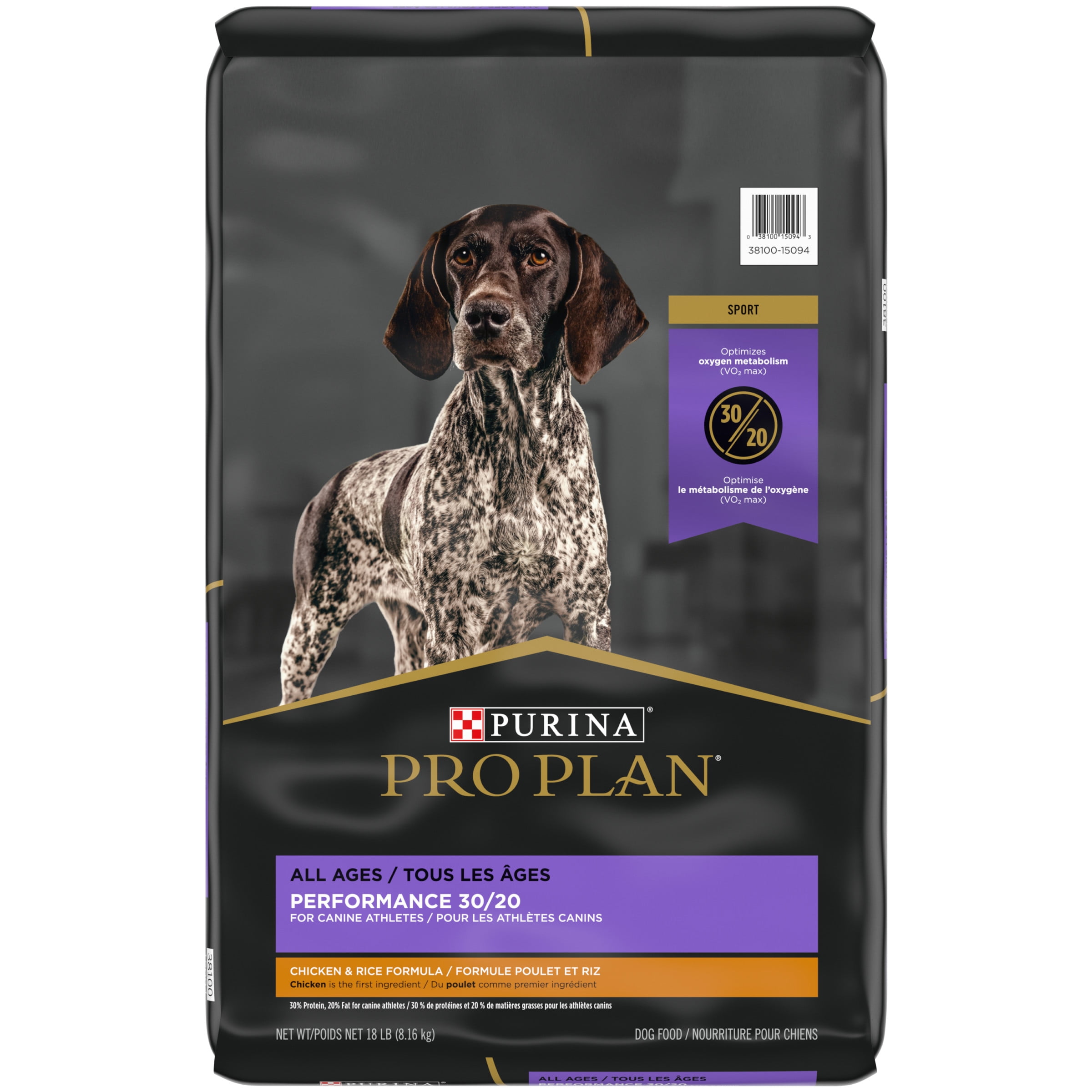
Purina Pro Plan Sport 30/20 formula is widely considered a premier choice for canine nutrition among sporting, working, and highly active dogs. Delivering 30 percent protein and 20 percent fat, this high-performance diet is specifically engineered to support endurance, muscle recovery, and metabolic maintenance. Evaluating whether it is truly a worthwhile investment requires examining its macronutrient profile, ingredient deck, real-world performance metrics, and suitability across different canine lifestyles.
Understanding the Nutritional Blueprint of Purina Pro Plan Sport 30/20
At the heart of the Purina Pro Plan Sport 30/20 formula is a precise caloric and macronutrient ratio designed to fuel high-energy output. The nomenclature itself reveals the fundamental nutritional targets: 30% crude protein and 20% crude fat. This specific balance is not arbitrary; it aligns with the metabolic demands of dogs engaged in sustained, rigorous physical activity, such as agility trials, field work, herding, hunting, or continuous outdoor labor.
The Role of Protein in High-Performance Canines
Protein serves as the primary building block for tissue repair, cellular growth, and muscle maintenance. In active dogs, micro-tears occur frequently within muscle fibers during intense exertion. The 30% protein concentration in this formula ensures an abundant supply of essential amino acids required to repair these tissues rapidly and efficiently.
Unlike sedentary pets, highly active canines require elevated protein levels not only for muscle recovery but also to support metabolic pathways that convert food into usable energy. Purina utilizes real meat—typically chicken or beef, depending on the specific variant—as the primary ingredient. This ensures high biological value, meaning the canine body can digest, absorb, and utilize the amino acids effectively rather than passing them through waste.
Fat as the Ultimate Endurance Fuel
While carbohydrates provide quick bursts of energy, dietary fat is the most concentrated and efficient source of sustained fuel for endurance athletes, both human and canine. Fat provides more than twice the calories per gram compared to proteins and carbohydrates, allowing active dogs to consume manageable portion sizes while still receiving the immense caloric density required to fuel long hours of work.
The 20% fat content in the Purina Sport formula supplies essential fatty acids, including omega-6 and omega-3 fatty acids, which promote healthy skin, a lustrous coat, and optimal cognitive function. More importantly, during prolonged exercise, canine muscles preferentially metabolize fatty acids, sparing glycogen reserves and delaying the onset of fatigue. This makes the 30/20 ratio exceptionally effective for dogs running for miles or working in demanding environments.
Ingredients, Sourcing, and Quality Control
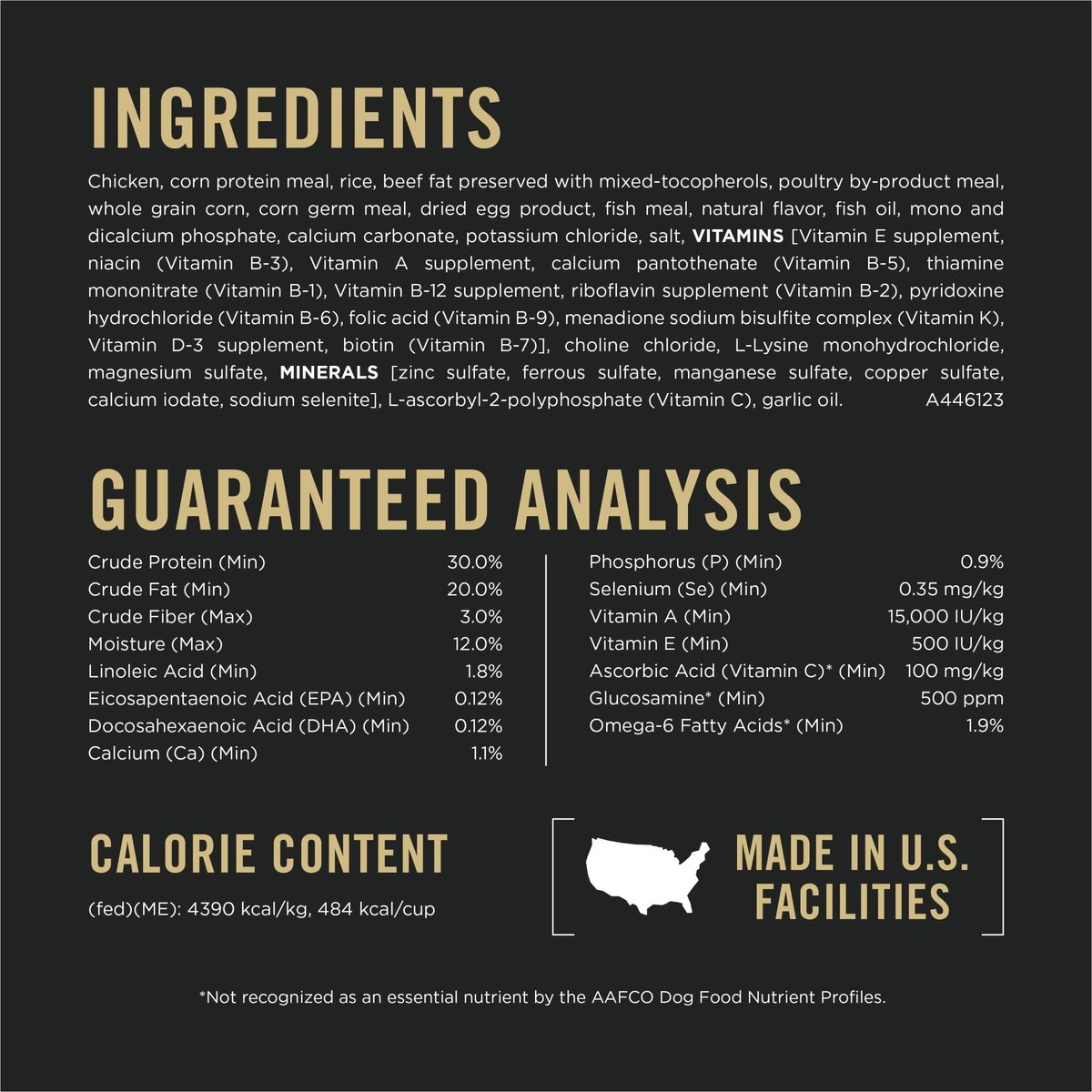
When evaluating whether a performance dog food is a "real deal," savvy owners look past front-of-bag marketing and examine the guaranteed analysis and ingredient list. Purina Pro Plan formulations are backed by extensive veterinary research, feeding trials, and rigorous quality control protocols that distinguish science-backed pet nutrition from marketing-driven trends.
Primary Ingredients and Digestibility
The ingredient deck is anchored by high-quality animal proteins, wholesome grains, and concentrated fat sources like poultry fat. Grains such as corn, wheat, and rice are frequently included to provide digestible carbohydrates, which supply immediate energy and dietary fiber for optimal gastrointestinal motility.
A common point of discussion among pet owners is the inclusion of grain fractions. However, from a nutritional and physiological standpoint, dogs are well-equipped to digest cooked grains. More importantly, Purina’s manufacturing processes ensure high starch gelatinization, which maximizes digestibility and nutrient absorption. High digestibility translates directly to less physical waste, meaning firmer, smaller stools and efficient fuel conversion.
| Nutrient / Metric | Purina Pro Plan Sport 30/20 | Standard Maintenance Formula |
|---|---|---|
| Crude Protein (Min) | 30.0% | 21.0% - 26.0% |
| Crude Fat (Min) | 20.0% | 8.0% - 15.0% |
| Crude Fiber (Max) | 3.0% | 4.0% - 5.0% |
| Moisture (Max) | 12.0% | 12.0% |
| Caloric Density | ~486 kcal/cup | ~350 - 380 kcal/cup |
Probiotics and Gut Health
Intense physical exertion places significant physiological stress on a dog's body, and the gastrointestinal tract is particularly vulnerable to stress-induced inflammation or performance-related sluggishness. Purina incorporates live, guaranteed microorganisms (probiotics) into their Pro Plan formulas. These beneficial bacteria support a stable intestinal microbiome, enhancing immune function and ensuring that nutrients are absorbed efficiently even when the dog is undergoing high physical stress.
Real-World Performance: Is It Worth the Hype?
The true test of any performance diet occurs in the field, on the agility course, or in the kennel. Owners of working dogs, hunting breeds, and competitive athletes frequently report noticeable transformations after transitioning to the 30/20 formula.
Stamina and Recovery Observations
Handlers note that dogs maintained on Purina Sport exhibit sustained energy levels throughout long working days without experiencing premature exhaustion. The high fat content prevents the sudden "bonk" or energy crash associated with lower-fat, high-carbohydrate diets. Furthermore, rapid muscle recovery is consistently cited as a primary benefit; dogs wake up the morning after a strenuous trial or hunt with minimal stiffness and are ready to perform again.
Weight Maintenance for Hard-Working Dogs
Keeping weight on a high-drive dog that burns thousands of calories daily can be a persistent challenge. Dogs burning excessive energy often drop lean muscle mass if their caloric intake cannot keep pace with their expenditure. Because of its exceptional caloric density (approaching 486 kilocalories per cup, varying slightly by specific sub-variant), the 30/20 formula allows handlers to feed reasonable volumes that fit comfortably within a dog's stomach capacity, preventing the bloat and sluggishness associated with digesting massive volumes of lower-calorie food.
Evaluating the Risks and Potential Downsides
Despite its stellar reputation among working dog handlers, Purina Pro Plan Sport 30/20 is not universally appropriate for every dog. Misapplying a high-performance diet to a low-activity animal can lead to significant health complications.
The Danger of Weight Gain in Pet Dogs
The primary drawback of the 30/20 formula arises when it is fed to sedentary pets or couch-potato companions. With 20% fat and nearly 500 calories per cup, a dog that spends most of its day sleeping will rapidly accumulate excess adipose tissue. Canine obesity places undue mechanical stress on joints, exacerbates hip dysplasia, strains the cardiovascular system, and predisposes the animal to metabolic disorders such as diabetes.
Transitioning and Digestive Sensitivity
Any sudden dietary change can disrupt a canine's gastrointestinal tract, but transitioning to a nutrient-dense performance food requires extra caution. Owners must execute a gradual transition over 7 to 10 days, slowly blending increasing proportions of the Purina Sport formula with the dog's previous food. Failure to do so can result in loose stools, gas, or temporary refusal to eat due to the rich flavor profile and high fat concentration.
Comparative Analysis: How It Stacks Up Against Competitors
The performance dog food market is crowded with premium brands, grain-free alternatives, and boutique raw-ingredient diets. Comparing Purina Pro Plan Sport 30/20 to alternative options highlights why it remains an industry benchmark.
Purina Sport vs. Boutique Grain-Free Brands
In recent years, numerous boutique brands gained popularity by marketing grain-free formulas featuring exotic meats like bison, wild boar, or kangaroo. However, extensive investigations by the U.S. Food and Drug Administration (FDA) into dilated cardiomyopathy (DCM) in dogs have placed heightened scrutiny on certain grain-free, legume-heavy diets.
Purina Pro Plan relies on decades of peer-reviewed scientific research, controlled feeding trials, and traditional grain inclusion, offering a safety profile backed by veterinary cardiologists and nutritionists. Furthermore, boutique foods often carry exorbitant price tags without offering superior bioavailability or verified performance outcomes.
Purina Sport vs. Other Major Performance Lines
When stacked against direct competitors like Eukanuba Premium Performance or Royal Canin Sporting Life, Purina Pro Plan Sport 30/20 frequently wins on cost-to-performance value, availability, and consistency. While competing brands offer exceptional nutritional profiles, Purina's widespread availability in major retail and agricultural supply stores ensures that handlers can reliably source the exact same formula regardless of travel location.
Frequently Asked Questions
Can I feed Purina Pro Plan Sport 30/20 to a normal house pet?
It is strongly discouraged. This formula is specifically calibrated for dogs with high daily energy expenditures. Feeding it to a sedentary house pet will almost certainly lead to rapid weight gain and associated health issues. House pets thrive on maintenance formulas with lower fat and caloric densities.
At what age can a puppy start eating Purina Sport 30/20?
While the standard adult formula is designed for adult maintenance, Purina also offers specialized growth formulations or all-life-stages variants. For high-energy working puppies, consult a veterinarian or nutritionist to ensure the calcium-to-phosphorus ratio and caloric density safely support proper skeletal development without causing rapid, structural bone growth issues.
Why is corn and wheat included in a high-end dog food?
Grains provide highly digestible carbohydrates, essential fatty acids, and vital amino acid complements. Purina utilizes grains because extensive scientific research confirms they are safe, highly digestible, and provide stable energy sources that work synergistically with proteins and fats.
How long does a bag last for an active dog?
Because of the high caloric density (around 486 kcal/cup), dogs require fewer total cups per day compared to lower-tier foods. The exact duration depends on the dog's weight, metabolic rate, and intensity of work, but the high nutrient concentration often offsets the initial purchase price through improved feeding efficiency.
Is Purina Pro Plan Sport available in different protein/fat ratios?
Yes. While the 30/20 formulation is the flagship product, Purina also produces alternative ratios such as 26/16 and 27/17, tailored for dogs with moderate activity levels or those requiring lower fat content to maintain optimal body condition.
Final Recommendations for Dog Owners
Purina Pro Plan Sport 30/20 is unequivocally a "real deal" for dogs that genuinely require high-performance nutrition. For sporting dogs, hunting companions, search-and-rescue canines, and relentless working dogs, it delivers an exceptional balance of digestible protein, concentrated endurance fat, and science-backed gut health support.
However, prospective buyers must honestly evaluate their dog's daily activity level. If your dog logs multiple miles of hard work, intense training, or rigorous outdoor activity daily, this formula stands as one of the most reliable, thoroughly tested, and cost-effective performance foods available. If your dog's primary workout is walking to the food bowl and back to the sofa, look toward a balanced maintenance diet to keep your companion lean, healthy, and sound.