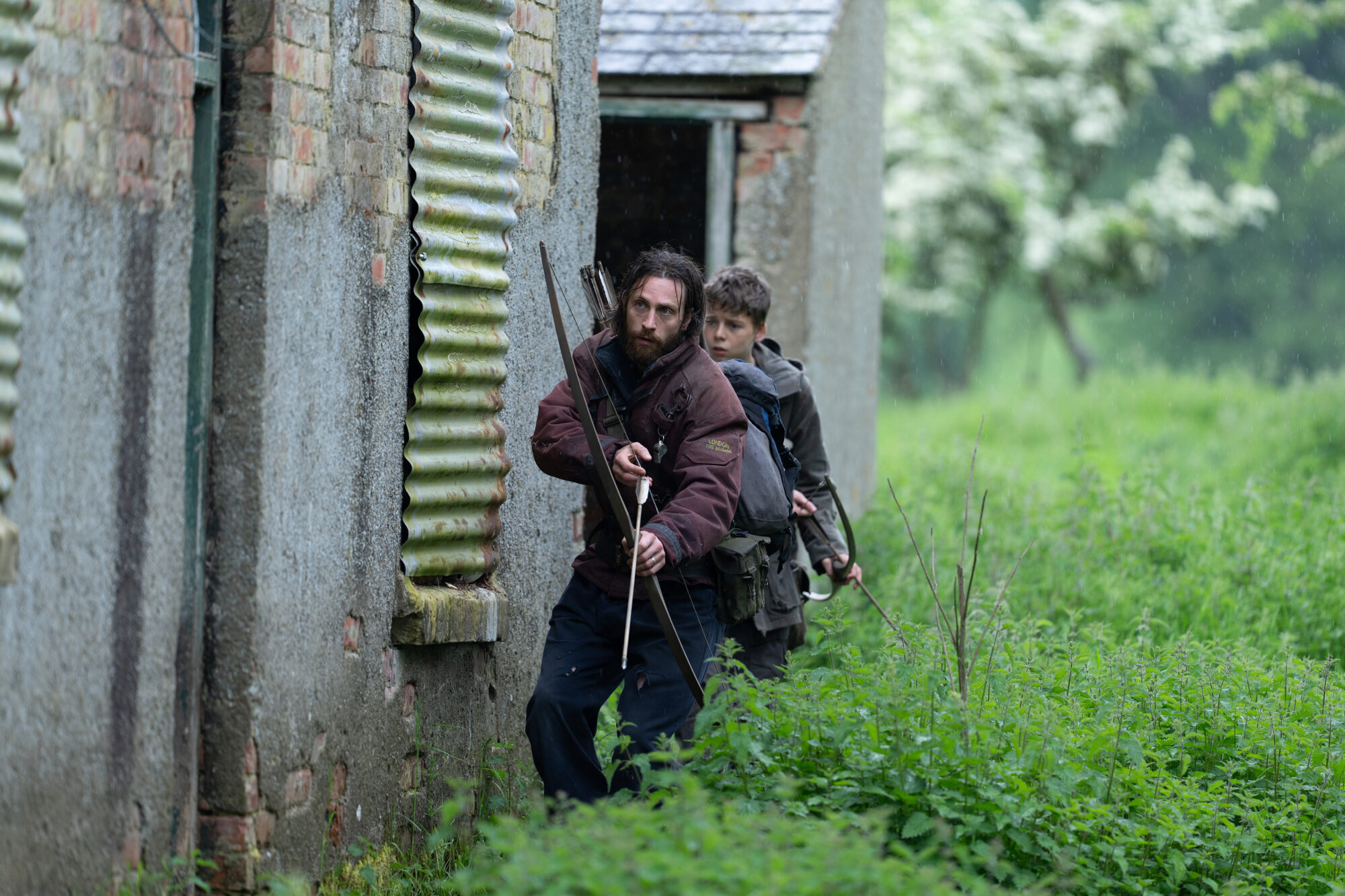
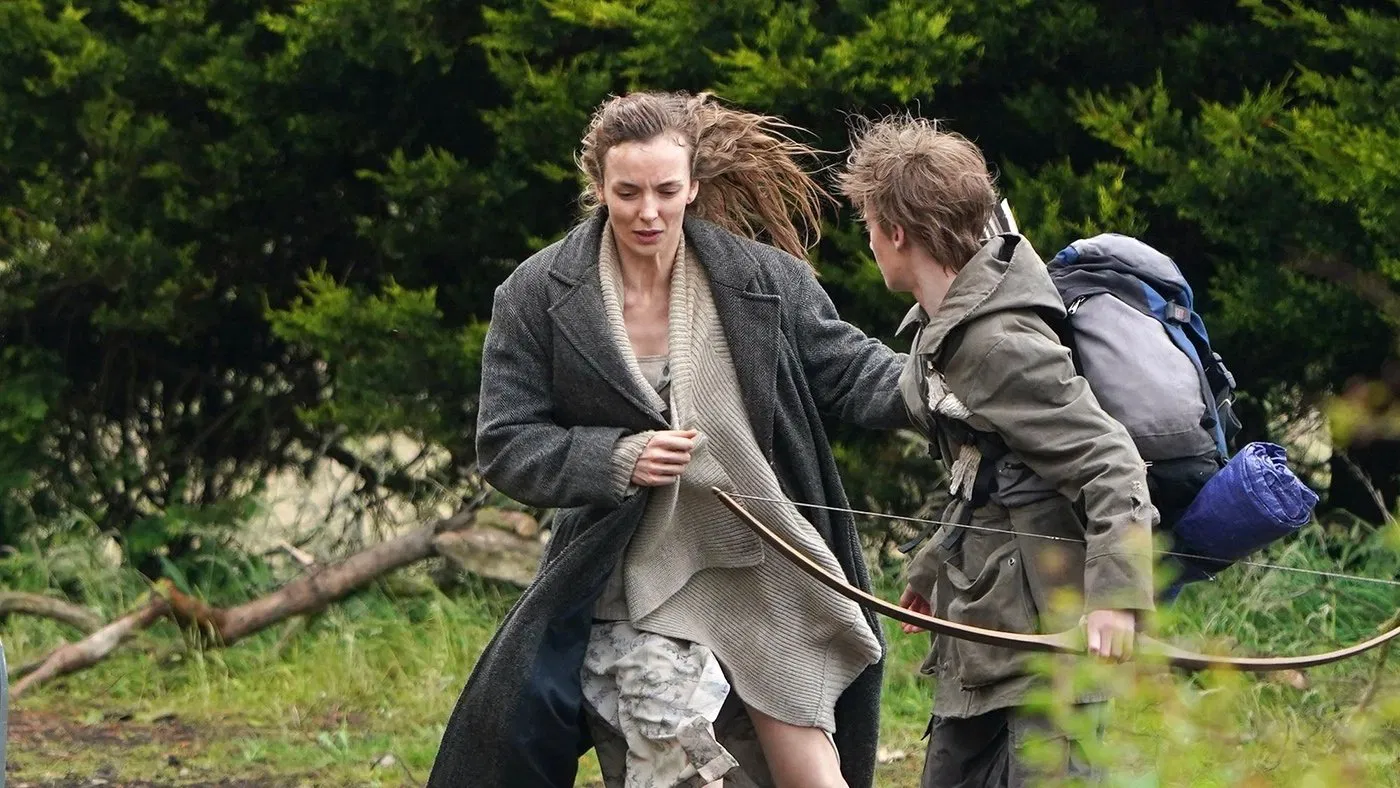
The 28 Years Later trailer signals a harrowing return to a derelict Britain, revealing Jim’s survival and a mutated Rage virus. Through gritty iPhone 15 Pro Max cinematography, the footage highlights a society teetering between primitive survival and organized resistance, setting the stage for Danny Boyle’s expansive new horror trilogy.
The Resurrection of a Genre Icon: Historical Context
When Danny Boyle and Alex Garland first collaborated on 28 Days Later in 2002, they didn't just make a zombie movie; they reinvented the genre. By replacing the slow-moving undead with "Infected" driven by a viral rage, they introduced a kinetic, visceral horror that mirrored the anxieties of the early 21st century. Now, as we analyze the footage for 28 Years Later, it is clear that the creative team is aiming to recapture that lightning in a bottle while acknowledging the vast passage of time.
In the 2026 cinematic landscape, the trailer for 28 Years Later stands out as a masterclass in atmospheric tension. It avoids the jump-scare-heavy tropes of contemporary horror, instead focusing on the haunting silence of a country that has been broken and partially mended over three decades. The trailer confirms that this is not merely a sequel, but the start of a planned trilogy, with Nia DaCosta already confirmed to helm the second installment, The Bone Temple.
Technical Artistry: The iPhone 15 Pro Max Aesthetic
One of the most striking aspects of the 28 Years Later trailer is its visual texture. Mirroring the original film’s use of the Canon XL-1—a standard-definition digital camera that gave the 2002 film its documentary-style grit—Boyle and cinematographer Anthony Dod Mantle have opted to shoot this new chapter on the iPhone 15 Pro Max.
This isn't a gimmick; it is a deliberate artistic choice. The trailer showcases a specific depth of field and a "hyper-real" sharpness that feels both intimate and alienating. In the footage, we see sweeping shots of the English countryside that look lush yet menacing. The mobile sensor’s handling of low light creates a distinctive digital noise in the shadows, particularly during the sequence where survivors navigate the London Underground tunnels. This technical decision bridges the gap between the low-fidelity past of the franchise and the high-tech present, suggesting that even in 2026, the world remains fractured and unpolished.
Character Arcs: Jim’s Return and the New Guard
The emotional core of the trailer revolves around the return of Cillian Murphy as Jim. When we last saw him in 28 Days Later, he was a survivor who had found a semblance of peace. The new footage reveals a man significantly hardened by time. His appearance in the trailer is fleeting but impactful; he is seen looking through a cracked window, his eyes reflecting a weary wisdom that only someone who witnessed the "Initial Outbreak" could possess.
Supporting Murphy is an ensemble cast that suggests a multi-generational approach to the narrative:
- Jodie Comer: Her character appears to be a leader within a rural community. The trailer emphasizes her protective nature, showing her training younger survivors in the art of "silent movement."
- Aaron Taylor-Johnson: Seen in several high-octane action beats, Taylor-Johnson’s character represents the "Outbreak Generation"—those born into a world where the Rage virus was already a permanent fixture of life.
- Ralph Fiennes: Appearing as a mysterious figure in a well-guarded facility, Fiennes suggests that some level of government or scientific infrastructure has survived, or perhaps evolved into something more sinister.
The interaction between these characters in the trailer hints at a conflict not just between the living and the infected, but between different philosophies of survival.
Environmental Storytelling: A Britain Reclaimed by Nature
Twenty-eight years is more than enough time for nature to reclaim the concrete jungles of the United Kingdom. The trailer features stunning, melancholy imagery of London landmarks draped in ivy and flooded streets. Unlike the empty streets of the first film, which felt like a "snapshot" of a city in shock, the environment in 28 Years Later feels permanent.
We see "Green Zones"—fortified villages that use ancient agricultural techniques—contrasted with "Red Zones," which remain overrun by the infected. The trailer highlights the logistical reality of 2026 Britain: travel is conducted via horseback or heavily modified vintage vehicles, as the petroleum infrastructure has long since collapsed. This shift toward a "neo-medieval" setting provides a fresh backdrop for the horror, making the sudden appearance of a high-speed infected runner even more jarring against the pastoral scenery.
The Evolved Infected: Behavioral Shifts in the Rage Virus
A central question posed by the trailer is: how has the Rage virus changed? In 28 Days Later, the virus was a death sentence that acted within seconds. In 28 Weeks Later, we saw the potential for asymptomatic carriers. The 28 Years Later trailer suggests a third stage of evolution.
There are glimpses of the infected moving with a level of coordination previously unseen. In one particular shot, a group of infected are seen crouching in the tall grass, waiting for a signal rather than mindlessly sprinting toward the first sound they hear. This "ambush predator" behavior suggests that the virus has either mutated to allow for basic pack intelligence or that the survivors are facing a new strain altogether. The title of the second film, The Bone Temple, mentioned in production notes during the trailer's release cycle, further implies a cult-like or ritualistic element that might be emerging among the infected populations.
Comparative Analysis of the "28" Franchise
To understand the weight of the 28 Years Later trailer, it is essential to compare the status of the world across the three films.
| Feature | 28 Days Later (2002) | 28 Weeks Later (2007) | 28 Years Later (2025/2026) |
|---|---|---|---|
| Primary Setting | Post-Collapse London/Manchester | NATO-Occupied Isle of Dogs | Post-Industrial/Neo-Medieval Britain |
| Cinematography | MiniDV (Canon XL-1) | 16mm/35mm Film | iPhone 15 Pro Max |
| State of Society | Total Anarchy / Small Pockets | Military Reconstruction | Tribalism and Fortified Communities |
| Viral Status | Acute Outbreak | Resurgence / Mutation | Endemic / Behavioral Evolution |
| Main Theme | Human Brutality in Crisis | Bureaucratic & Military Failure | Generational Legacy and Survival |
Soundtrack and Pacing: The Legacy of John Murphy
The trailer’s auditory experience is dominated by a haunting re-imagining of John Murphy’s iconic track, "In the House - In a Heartbeat." The melody, which originally symbolized a rising tide of violence and desperation, is slowed down and stripped back in the 2026 trailer. It begins with a single, distorted piano note that echoes through the silence of the abandoned countryside.
The pacing of the trailer follows a "crescendo" structure. It starts with a long, uninterrupted shot of a sunrise over a quiet valley, establishing a false sense of peace. As the music builds, the cuts become faster, interspersing scenes of domestic life in the fortified villages with flashes of intense violence. This contrast emphasizes the fragile nature of the peace the survivors have built.
Socio-Political Undercurrents: The "New World" Order
Danny Boyle and Alex Garland have always used the franchise to comment on contemporary society. In 28 Days Later, the villain was the British military's descent into misogyny and fascism. In 28 Weeks Later, it was the hubris of American foreign intervention.
The 28 Years Later trailer hints at a world governed by localism and isolationism. We see signs written in multiple languages, suggesting that Britain has become a melting pot of survivors from across the globe, or perhaps a dumping ground for those fleeing the virus elsewhere. There are also brief shots of a religious iconography that seems to worship the virus—or at least the "purity" of the rage—hinting at the psychological toll 28 years of apocalypse has taken on the human mind.
Speculative Breakdown: The "Bone Temple" Connection
While the trailer is ostensibly for the first part of the trilogy, eagle-eyed viewers have noted references to the upcoming sequel. A recurring motif in the trailer is a mountain range adorned with what appear to be white markers—possibly bones. If Nia DaCosta’s The Bone Temple follows immediately after the events of this film, the trailer serves as a foundational "map" for the audience. The "Bone Temple" could be a literal location—a sanctuary or a site of mass infection—or a metaphorical description of the human body’s resilience against the virus.
Practical Expert Guidance for Viewers
To fully appreciate the nuances of the 28 Years Later trailer and the subsequent film, fans should keep the following points in mind:
- Context Matters: Rewatch the original 2002 film. While 28 Weeks Later is part of the canon, 28 Years Later is a direct creative continuation of the Boyle/Garland partnership.
- Visual Literacy: Pay attention to the lighting. The use of natural light and the specific digital artifacts from the iPhone 15 Pro Max are intentional. They represent the "new reality" of the film's world.
- The Soundtrack is a Clue: Listen for changes in the "In the House" theme. The introduction of new instruments often mirrors the introduction of new character factions.
- Watch the Background: Many of the most significant world-building details are hidden in the background—graffiti, the state of the vegetation, and the types of tools being used by survivors.
Frequently Asked Questions
Is Cillian Murphy the main character in 28 Years Later?
While Cillian Murphy returns as Jim, the trailer suggests he may serve as a "mentor" or a high-value secondary character rather than the sole protagonist. The focus seems to be shared with Jodie Comer and Aaron Taylor-Johnson, representing the new generation of survivors. Murphy also serves as an executive producer on the project.
Why was the movie shot on an iPhone?
Director Danny Boyle and cinematographer Anthony Dod Mantle chose the iPhone 15 Pro Max to evoke the spirit of the original film's digital aesthetic. Using a smartphone allowed the crew to film in cramped, difficult locations with a small footprint, contributing to the "guerrilla filmmaking" feel that defined the first 28 Days Later.
Is 28 Years Later a reboot or a sequel?
It is a direct sequel set nearly three decades after the events of the original film. It acknowledges the history of the Rage virus but focuses on a world that has fundamentally changed since the initial outbreak. It is the first part of a new trilogy intended to conclude the saga.
Will there be a 28 Months Later?
For years, a sequel titled 28 Months Later was rumored. However, the creators decided to jump ahead to 28 Years Later to better reflect the real-time aging of the actors and to explore a more evolved post-apocalyptic world.
Do the infected have superpowers now?
The trailer does not suggest "superpowers," but it does hint at increased intelligence and pack behavior. They remain biological entities driven by the Rage virus, not supernatural creatures or traditional zombies.
What is the release date for the full movie?
Following the trailer's debut, the film was slated for a mid-2025 theatrical release, with the sequel, The Bone Temple, expected to follow in 2026.
Final Recommendation: How to Prepare
As 2026 progresses and the 28 Years Later trilogy unfolds, the best way to prepare for this cinematic event is to engage with the franchise's history. The trailer is a bridge between the past and the future; it honors the legacy of the "Fast Zombie" revolution while pushing the technical and narrative boundaries of what horror can be in the mid-2020s. Keep a close eye on the "environmental" cues in the marketing material, as they provide the best evidence for the "Bone Temple" mysteries that will likely dominate the next two films.