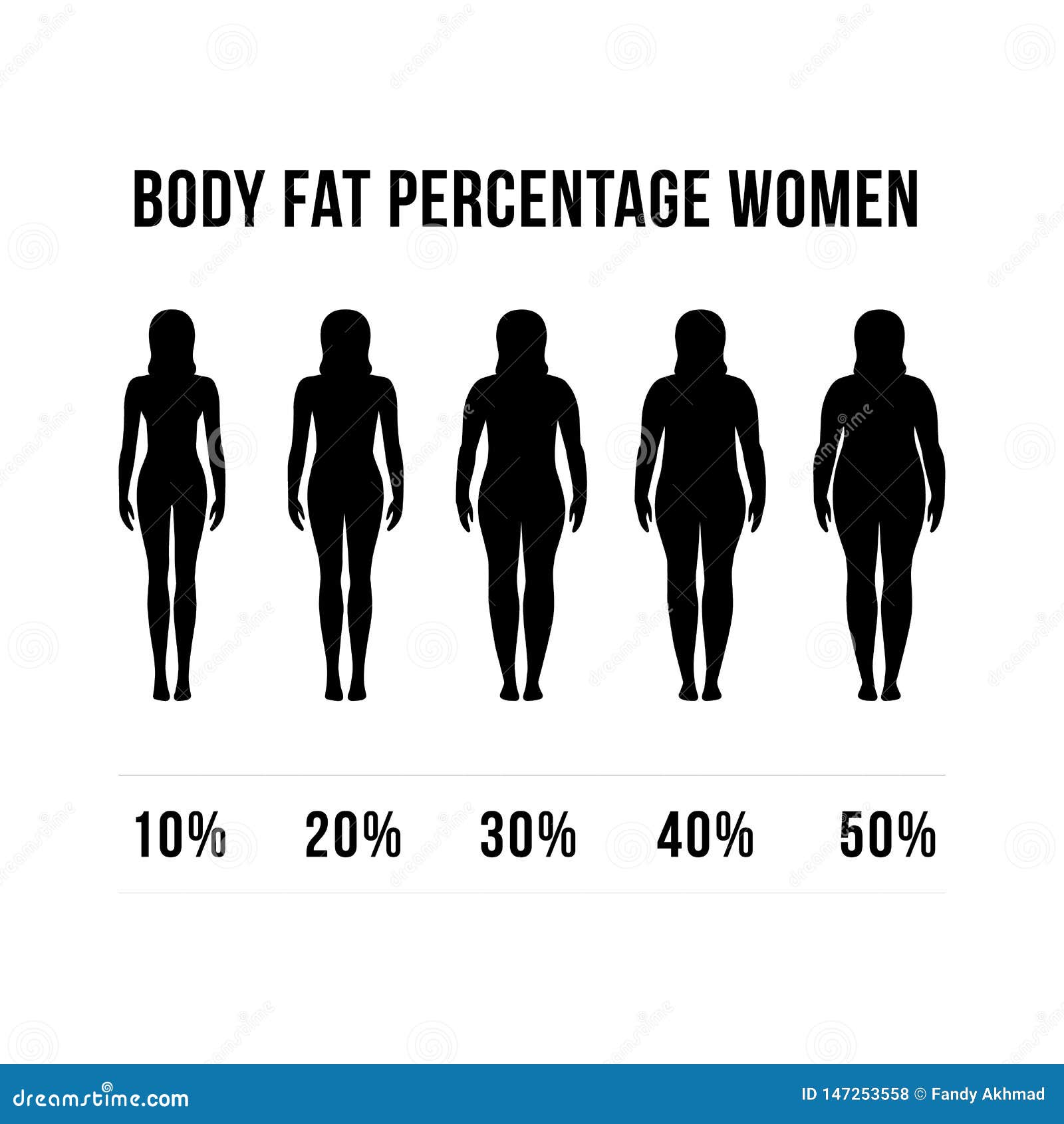
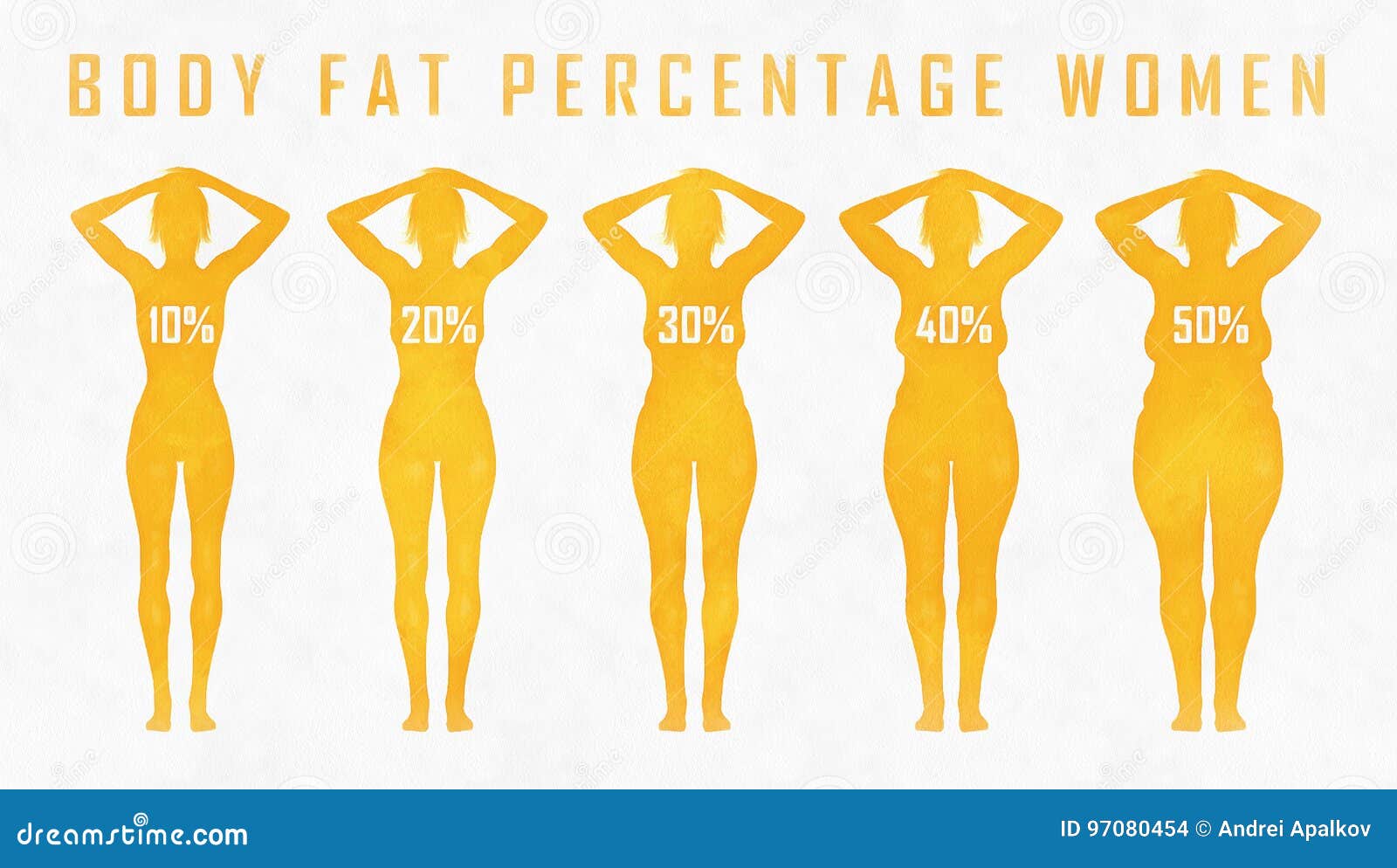
A body fat percentage of 23 percent for a female generally falls squarely within the healthy, fitness-oriented range for adult women, representing a balanced state of physical composition that supports metabolic health, hormonal balance, and long-term vitality.
Navigating the complexities of female body composition requires moving beyond the traditional bathroom scale and looking closely at how mass is distributed between lean tissue and adipose tissue. When looking at health benchmarks, fitness milestones, and physiological norms, 23 percent body fat for female individuals is a frequently discussed metric. It represents a physical state where an individual is typically lean, well-conditioned, and metabolically robust, sitting comfortably below the average population thresholds while remaining safely outside the dangers of excessively low body fat.
Understanding what this percentage means requires a comprehensive look at physiological standards, methods of measurement, health implications, and practical strategies for maintaining or shifting body composition. Because physiological metrics vary across age, activity levels, and genetic backgrounds, contextualizing this number helps provide a clear roadmap for personal health and fitness optimization.
Defining Female Body Composition and Health Ranges
Human body mass is divided into two primary categories: lean mass (which includes muscle, bone, organs, water, and connective tissue) and fat mass (essential fat and storage fat). For women, the physiological requirement for essential fat—the minimum amount needed for basic physical and hormonal survival—is notably higher than it is for men due to reproductive anatomy, hormone production, and protective padding around vital organs.
Major health organizations, including the American Council on Exercise (ACE) and the World Health Organization (WHO), categorize female body fat into distinct tiers:
- Essential Fat: 10% to 13%
- Athletes: 14% to 20%
- Fitness/Active: 21% to 24%
- Acceptable/Average: 25% to 31%
- Obese: 32% and above
At 23 percent body fat, a female sits firmly inside the Fitness category. This classification means the individual possesses a clearly defined physique with visible muscle tone, low risk of metabolic syndrome, and a healthy balance of hormones, including regular menstrual function and robust bone mineral density.
Physiological Benchmarks Across Age Groups
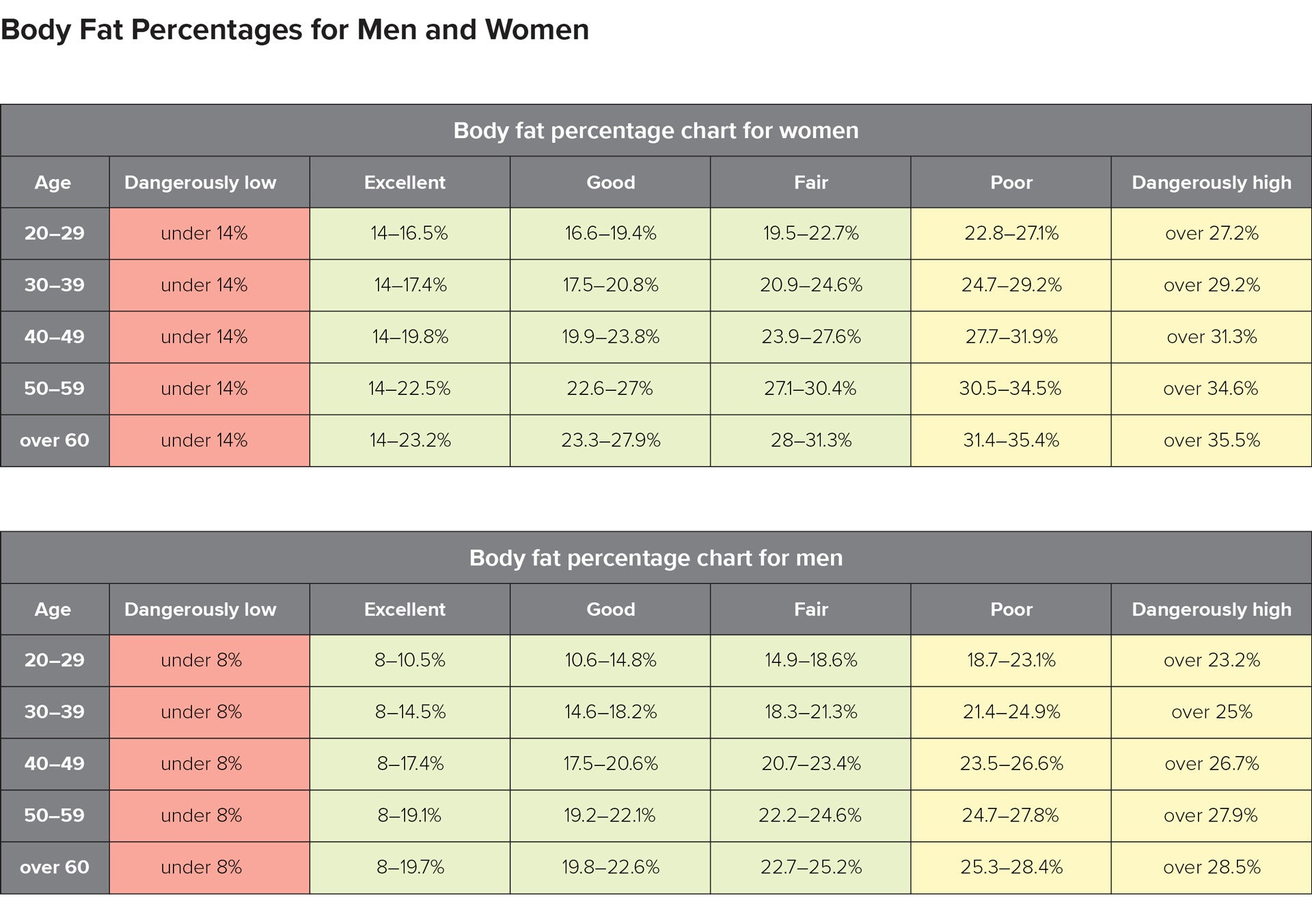
Age plays a significant role in determining what constitutes a healthy body fat percentage. As women transition through various life stages, natural metabolic slowdowns and shifts in endocrine function lead to gradual changes in body composition.
| Age Category | Essential | Fitness | Acceptable (Average) | Obese |
|---|---|---|---|---|
| 20–39 Years | 10% – 13% | 21% – 24% | 25% – 32% | 33%+ |
| 40–59 Years | 11% – 14% | 22% – 25% | 26% – 34% | 35%+ |
| 60–79 Years | 12% – 15% | 23% – 26% | 27% – 36% | 37%+ |
As illustrated, a reading of 23 percent remains lean and healthy across younger demographics, while shifting closer to the athletic side of the spectrum for middle-aged and older women. This adaptability demonstrates why static numbers must always be evaluated alongside individual age, lifestyle factors, and overall metabolic markers.
How 23 Percent Body Fat is Measured and Verified
Accurately determining that a female is at 23 percent body fat requires an understanding of diagnostic tools, as no single method is entirely foolproof. Different measurement techniques rely on distinct physical principles, each carrying specific margins of error, cost implications, and accessibility barriers.
Common Body Composition Diagnostics
- Dual-Energy X-ray Absorptiometry (DEXA): Widely considered the gold standard in clinical settings, DEXA scans use low-dose X-rays to differentiate between bone mass, lean soft tissue, and fat tissue. It provides a detailed regional breakdown of fat distribution (e.g., arms, legs, trunk).
- Hydrostatic Weighing: An underwater weighing technique that calculates body density based on water displacement. Because fat tissue is less dense than muscle and bone, displacement reveals overall composition, though it requires specialized facilities.
- Air Displacement Plethysmography (Bod Pod): Utilizes air pressure changes in a sealed chamber to measure body volume and density. It is non-invasive and quick, though prone to minor errors from clothing, hair volume, and body temperature.
- Bioelectrical Impedance Analysis (BIA): Common in consumer smart scales and handheld devices, BIA sends a low-level electrical current through the body. Because muscle holds water well and conducts electricity easily while fat resists it, the device estimates composition. However, hydration levels, food intake, and skin temperature can skew results.
- Skinfold Calipers: Performed by a trained technician, skinfold measurements take subcutaneous fat thickness readings at specific anatomical sites (such as the tricep, suprailiac, and thigh). When plugged into standardized regression equations, it yields a reliable estimate.
When tracking changes over time, consistency is more important than the absolute perfection of a single reading. Utilizing the same device under identical conditions—such as first thing in the morning before eating or drinking—reduces daily variance.
Health, Metabolic, and Hormonal Implications
Achieving and maintaining 23 percent body fat yields substantial physiological advantages. Unlike extremely low body fat percentages (below 14%), which can trigger amenorrhea (loss of menstruation), chronic fatigue, and compromised immune responses, 23 percent supports optimal systemic function.
Hormonal Balance and Reproductive Health
Estrogen is stored and metabolized partially in adipose tissue. Maintaining a healthy fitness level ensures that endocrine pathways remain stable. Women at 23 percent body fat typically experience regular ovulatory cycles, predictable hormonal fluctuations, and a lower incidence of polycystic ovary syndrome (PCOS) symptoms linked to visceral adiposity.
Cardiovascular and Metabolic Resilience
Visceral fat—the deep fat surrounding abdominal organs—is metabolically active and linked to systemic inflammation, insulin resistance, and cardiovascular disease. At 23 percent body fat, visceral fat levels are generally minimal in women. This correlates with healthy lipid profiles, including optimal high-density lipoprotein (HDL) cholesterol, low triglycerides, and stable fasting blood glucose levels.
Physical Performance and Mobility
Carrying a balanced ratio of lean muscle to fat mass enhances functional strength. A female at 23 percent body fat typically finds daily physical tasks, recreational sports, and structured resistance training accessible and efficient. Joints experience less mechanical stress compared to higher fat categories, lowering the risk of osteoarthritis and overuse injuries.
Practical Strategies for Reaching and Maintaining 23 Percent Body Fat
For individuals looking to adjust their body composition to reach or sustain a 23 percent target, success relies on sustainable lifestyle practices rather than short-term crash diets.
Nutrition and Caloric Balance
Body composition is fundamentally influenced by energy balance, though nutrient quality dictates whether lost mass comes from fat or muscle.
- Protein Intake: Consuming adequate protein (approximately 1.6 to 2.2 grams per kilogram of body weight) protects lean tissue during periods of mild caloric restriction and supports muscle protein synthesis.
- Macronutrient Distribution: Balancing complex carbohydrates, healthy fats (essential for hormone production), and lean proteins ensures steady energy levels throughout the day.
- Caloric Awareness: A modest caloric deficit (300 to 500 calories below maintenance) facilitates safe fat loss, whereas maintenance calories support stabilization.
Structured Exercise Programming
A balanced training regimen combines resistance exercise with cardiovascular conditioning.
- Progressive Resistance Training: Lifting weights 3 to 4 times per week stimulates muscle retention and growth, elevating resting metabolic rate. Compound movements like squats, deadlifts, overhead presses, and rows yield the highest return on investment.
- Cardiovascular Activity: Incorporating a mix of steady-state cardio (like brisk walking or cycling) and high-intensity interval training (HIIT) supports caloric expenditure and cardiovascular health without interfering with muscle recovery.
Recovery and Sleep Optimization
Chronic lack of sleep elevates cortisol, a stress hormone that promotes fat storage (particularly in the abdominal region) and increases appetite. Prioritizing 7 to 9 hours of quality sleep per night is non-negotiable for sustainable body composition goals.
Common Misconceptions and Pitfalls
Navigating the world of fitness and body fat metrics often exposes individuals to pervasive myths that can derail progress or cause unnecessary anxiety.
- Spot Reduction is Impossible: Many individuals focus entirely on core exercises hoping to lose fat specifically from the midsection. The body mobilizes fat stores systemically based on genetics and hormones, not targeted exertion.
- The Scale Doesn't Tell the Whole Story: Because muscle is denser than fat, two women of the exact same height and weight can look entirely different based on their body composition. Relying solely on scale weight can be misleading.
- Lower is Not Always Better: Pushing female body fat down into the single digits or low teens often leads to severe health complications, including bone density loss, chronic fatigue, hormonal disruption, and psychological stress. A sustainable fitness level like 23 percent is far superior for long-term health.
Frequently Asked Questions
Is 23 percent body fat considered athletic for a woman?
No, 23 percent is classified as the "Fitness" or "Active" category, which sits just above the athletic range (14% to 20%). It represents a highly sustainable, healthy, and visually toned physique that is well-suited for everyday wellness and recreational activity.
Can a woman get her period at 23 percent body fat?
Yes. Female athletic triad and amenorrhea typically manifest when body fat drops too low—usually below 14% to 17% depending on the individual. At 23 percent body fat, hormonal reserves are generally more than adequate to support normal menstrual function and reproductive health.
How accurate are smart scales that measure body fat?
Consumer smart scales use Bioelectrical Impedance Analysis (BIA), which can be heavily influenced by daily hydration levels, caffeine intake, food consumption, and skin moisture. While they are useful for tracking general trends over weeks and months, the absolute percentage read by a home scale should be viewed as an estimate rather than an exact clinical measurement.
What is the fastest way to drop from 28 percent to 23 percent body fat?
Reaching this goal safely requires a mild, consistent caloric deficit paired with progressive resistance training and high daily step counts. Rapid weight loss via starvation diets often results in the loss of valuable muscle tissue and water, slowing metabolism and making the new body composition difficult to maintain.
Does body fat distribution matter more than the total percentage?
Yes, where fat is stored has major health implications. Subcutaneous fat (stored just under the skin in the hips and thighs, common in pre-menopausal women) is relatively harmless. Visceral fat (stored around internal organs) poses significant metabolic risks. Even at the same total body fat percentage, lower visceral fat correlates with better long-term health outcomes.
Conclusion and Next Actions
Achieving and maintaining a body composition of 23 percent body fat represents a commendable balance of metabolic health, physical capability, and sustainable lifestyle design for women. Rather than chasing arbitrary aesthetics, focusing on the underlying mechanics of strength training, adequate protein consumption, stress management, and restorative sleep ensures that this body fat percentage serves as a foundation for a vibrant, energetic life.
To take your next practical step, establish a baseline using a reliable, consistent measurement method (such as skinfold calipers or a DEXA scan) rather than relying on uncalibrated home devices. From there, audit your current weekly resistance training and nutritional habits to ensure they align with your long-term wellness goals.