The year 2019 represented a significant period for environmental policy, characterized by a surge in global and regional tree-planting initiatives designed to combat deforestation, promote carbon sequestration, and enhance urban biodiversity. This overview examines the landscape of grants available in 2019, detailing the structure of these funding mechanisms, the organizations that spearheaded them, and the eligibility criteria that shaped the implementation of forest restoration and urban forestry projects.
The Landscape of Environmental Funding in 2019
During 2019, the forestry grant sector was defined by a transition toward more integrated ecological goals. While tree planting had long been a focus of conservation groups, the 2019 fiscal year saw an increased emphasis on "climate-smart" forestry. Funding organizations shifted their focus from simple reforestation—planting trees for the sake of volume—toward afforestation, which involves planting trees in areas that have not historically been forested, and agroforestry, which integrates trees into agricultural landscapes to improve soil health and crop yields.
These grants were primarily channeled through three tiers: federal government agencies, regional or state departments of forestry, and private non-profit foundations. Each tier operated under distinct constraints. Federal grants, such as those administered by the United States Department of Agriculture (USDA) or the Forest Service, often required large-scale project scopes and long-term monitoring commitments. Conversely, smaller regional grants were more accessible to municipal governments and local volunteer groups seeking to increase urban canopy coverage.
Major Funding Entities and Their 2019 Objectives
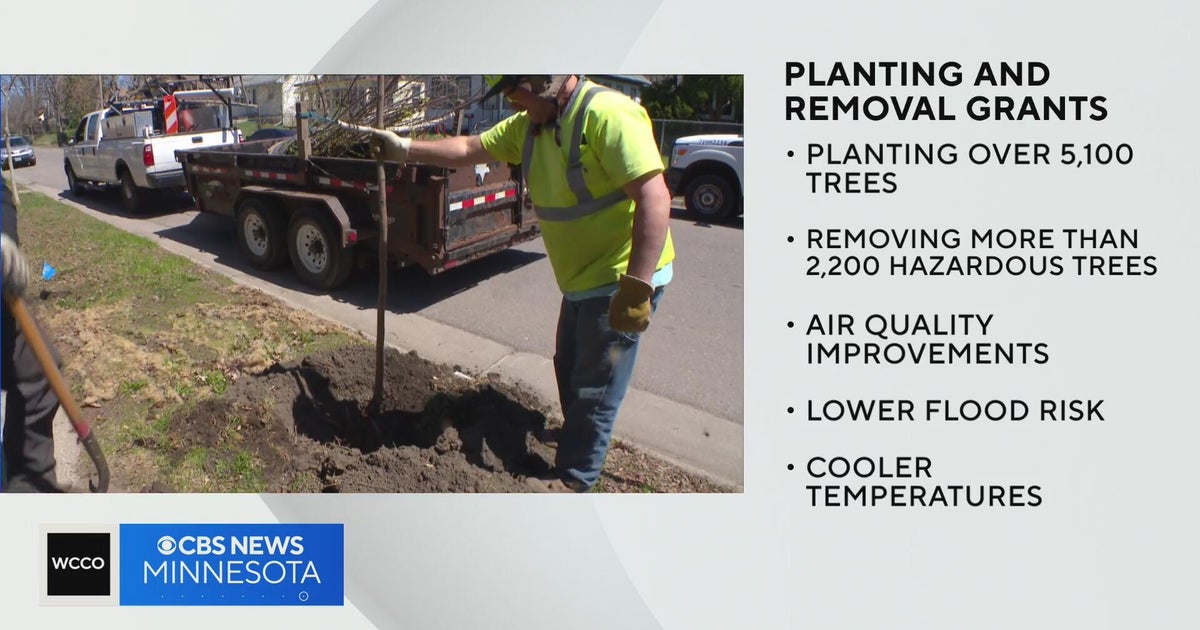
Understanding the primary funding entities provides insight into the strategic priorities of the era. By 2019, the focus had expanded beyond rural timber management to include "green infrastructure" for cooling cities and managing stormwater runoff.
Federal and State Programs
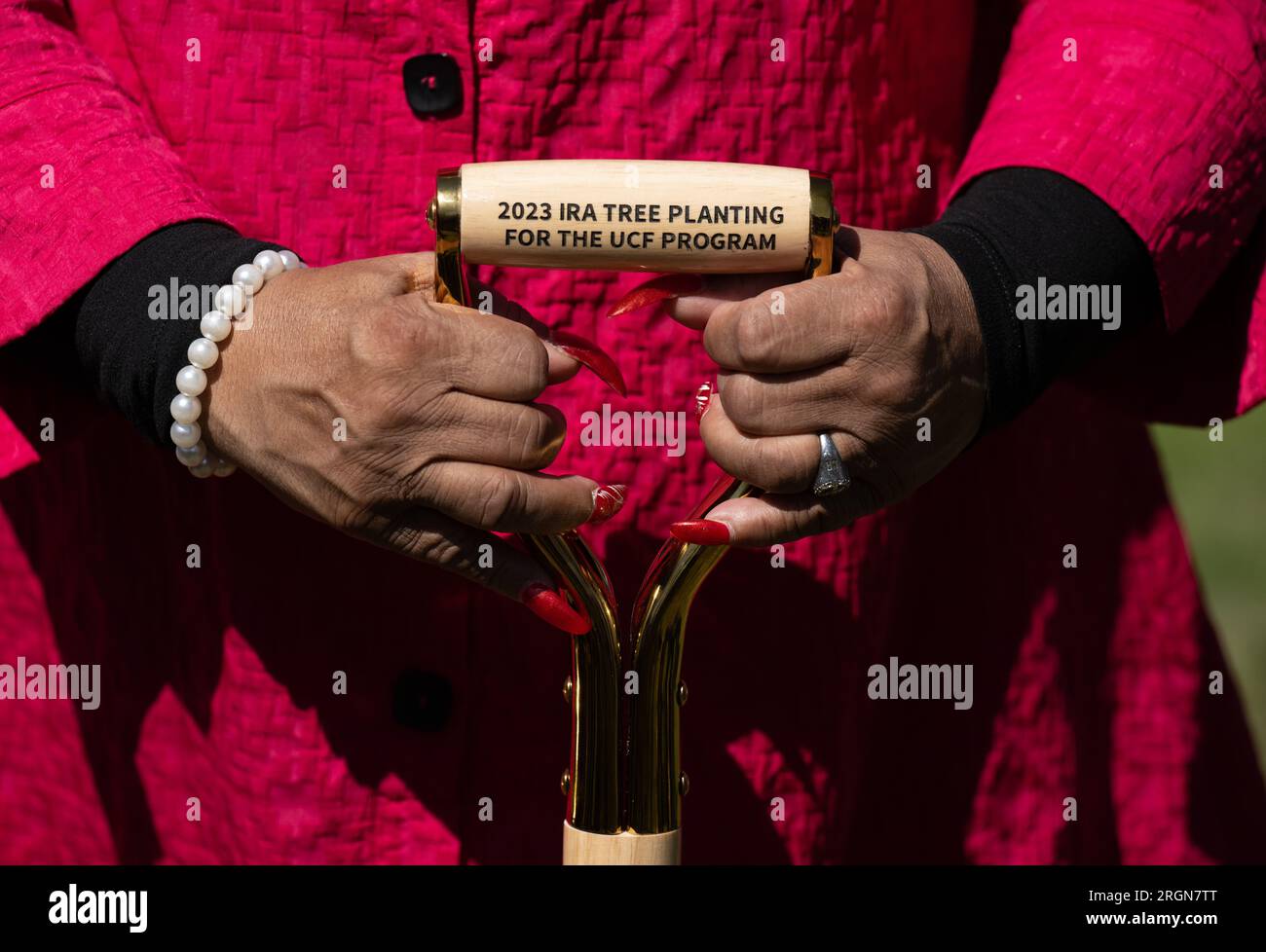
In the United States, the USDA Forest Service’s Urban and Community Forestry (UCF) program was a primary vehicle for public-sector funding. These grants targeted municipal entities, allowing cities to apply for funds to increase tree canopy in underserved neighborhoods. State-level programs, such as the California Urban Forestry Act grants, were particularly active in 2019, leveraging state climate funds to reduce the heat-island effect in metropolitan areas.
Private Foundations and Corporate Partnerships
Non-profit organizations, including the Arbor Day Foundation and various regional conservancies, operated alongside government agencies. A prominent trend in 2019 was the rise of corporate-sponsored grants. Large corporations sought to improve their environmental, social, and governance (ESG) metrics by funding tree-planting projects. These programs often prioritized high-visibility projects, such as school ground greening or park restoration, which served both ecological and public relations goals.
Eligibility Criteria and Technical Requirements
Securing a grant in 2019 required a rigorous adherence to specific operational and administrative guidelines. Most grantors utilized a competitive application process, where the "technical merit" of the proposal was weighed against the applicant's capacity to manage the funds.
Common Eligibility Requirements
- Organizational Status: Applicants were almost exclusively required to be 501(c)(3) non-profits, government entities, or educational institutions.
- Project Scope: Grants were rarely awarded for general landscape maintenance. Projects had to demonstrate a measurable outcome, such as the number of stems planted, acreage restored, or estimated carbon sequestration potential.
- Sustainability Planning: A critical requirement in 2019 was the "maintenance plan." Grantors demanded to see how the trees would be cared for during the critical first three to five years after planting, acknowledging that initial survival rates are the primary indicator of long-term project success.
Technical Specifications
Applicants were frequently required to provide professional species selection lists. The preference shifted toward native species that could withstand predicted changes in regional climates. Furthermore, invasive species management was often a prerequisite for grant funding, ensuring that new plantings would not be outcompeted by non-native, opportunistic flora.
Comparison of Grant Structures and Funding Models
The table below summarizes the typical operational models for 2019 tree-planting grants, distinguishing between different funding sources and their typical scope.
| Grant Source | Typical Funding Range | Primary Focus | Administrative Requirement |
|---|---|---|---|
| Federal Government | $50,000 – $500,000+ | Large-scale reforestation | Extensive reporting; federal audit standards |
| State Forestry Dept. | $10,000 – $100,000 | Regional canopy expansion | Environmental impact review; site inspection |
| Private Foundations | $5,000 – $50,000 | Community engagement | Local matching funds; volunteer coordination |
| Corporate ESG Funds | $1,000 – $25,000 | High-visibility urban areas | PR/Marketing requirements; photo documentation |
The Role of Matching Funds
A defining characteristic of 2019 grant applications was the "matching fund" requirement. Most grantors did not provide 100% of the project cost. Instead, they required the applicant to secure a percentage of the total project value from other sources, such as local government contributions, private donations, or the valuation of volunteer labor.
This mechanism was designed to ensure local commitment. By requiring a "buy-in," grantors reduced the risk of "abandoned projects," where trees were planted but never watered or pruned. In 2019, many organizations developed sophisticated calculators to estimate the hourly value of volunteer labor, allowing small community groups to satisfy matching requirements even without large cash reserves.
Challenges and Operational Limitations
Despite the influx of funding, 2019 saw several systemic challenges that affected project outcomes. Understanding these limitations is vital for analyzing the efficacy of these programs.
Monitoring and Survivability
A common issue during this period was the gap between the end of the grant period and the maturity of the trees. Many grants ended after the final tree was put in the ground, leaving little budget for long-term survival monitoring. As a result, projects in 2019 were frequently criticized for having high "first-year mortality rates," often caused by poor site preparation or a lack of post-planting irrigation during summer heat waves.
The "Right Tree, Right Place" Doctrine
While the desire to increase canopy cover was high, 2019 also saw an increase in failures due to improper species selection. Grantors often struggled to enforce site-specific botanical standards, leading to situations where non-resilient species were planted in environments they could not sustain. This spurred a movement toward stricter oversight by professional arborists in the grant evaluation process.
Best Practices for Reporting and Documentation
Once a grant was awarded in 2019, the administrative burden began. Accurate documentation was the most significant factor in maintaining a positive relationship with funding organizations. Successful grantees consistently employed the following practices:
- Geo-tagging and Mapping: Utilizing GIS (Geographic Information System) software to map exact planting locations. This allowed for precise tracking of tree health over time.
- Financial Transparency: Keeping separate ledgers for grant funds versus matching funds. Auditors in 2019 were particularly focused on the verification of "in-kind" contributions.
- Community Engagement Logs: Maintaining records of public outreach events. Many grantors mandated community involvement to ensure that the trees were supported by the residents living near them.
Frequently Asked Questions
What was the primary goal of 2019 tree-planting grants? The primary goal was to increase tree canopy density to combat climate-related impacts, such as urban heat islands and soil erosion. These grants sought to bridge the gap between ecological necessity and the financial reality of municipal and non-profit budgets.
Did 2019 grants provide funding for tree maintenance after planting? Most grants focused on the planting phase, but many began incorporating "establishment periods" into their funding terms. Applicants were expected to prove their capability for maintenance, often requiring a commitment to care for the saplings for at least three years, even if direct funding for labor was limited.
What kind of species were prioritized in 2019? Priority was overwhelmingly given to native species suited to the local climate. Grantors moved away from monoculture plantings, instead favoring species diversity to build resilience against regional tree pests and changing precipitation patterns.
How did organizations prove they were qualified for these grants? Applicants were required to submit detailed project plans, often including site assessments conducted by ISA-certified arborists. They also had to demonstrate their organizational stability, typically through tax-exempt status verification and audited financial statements.
Were individuals eligible to apply for these grants? Generally, no. Most 2019 grant programs were restricted to organizations. Individuals looking to plant trees were encouraged to partner with local community groups, non-profits, or municipal parks departments to act as the legal applicant for the funding.
Conclusion and Practical Next Steps
The 2019 tree-planting grant landscape was a complex ecosystem of public and private interests aimed at significant ecological transformation. For those evaluating the legacy of these projects or seeking to understand the precedents set for current environmental funding, the key lesson remains the importance of long-term planning.
If you are researching these programs today, focus on the longitudinal studies often published by the organizations that managed the grants. These reports provide the most accurate data on which planting strategies—and which types of organizational partnerships—yielded the highest survival rates. When reviewing past grant records for historical analysis, prioritize original grant agreement documents over promotional summaries, as these legal documents contain the exact requirements and performance metrics that determined the success or failure of the initiative.