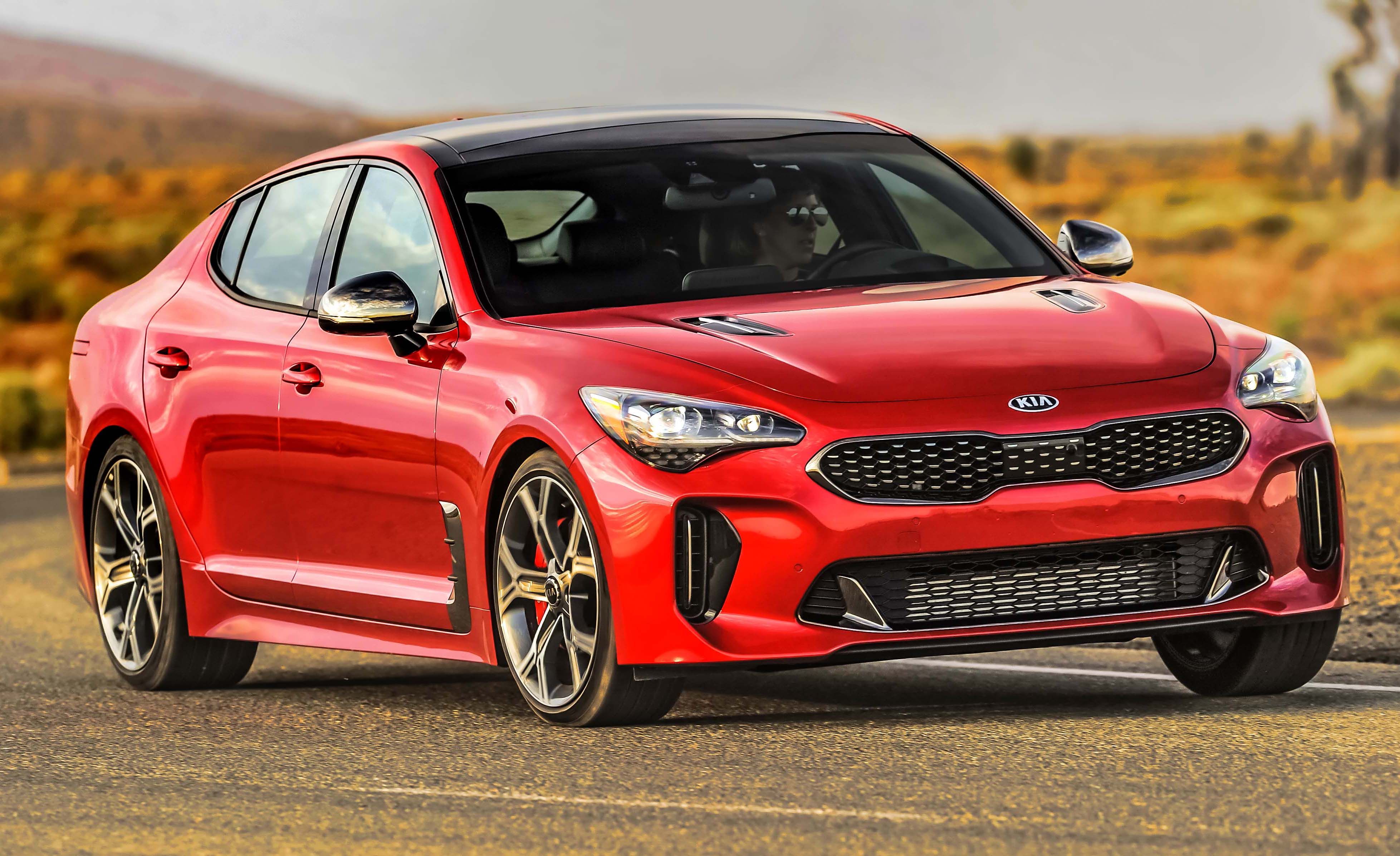
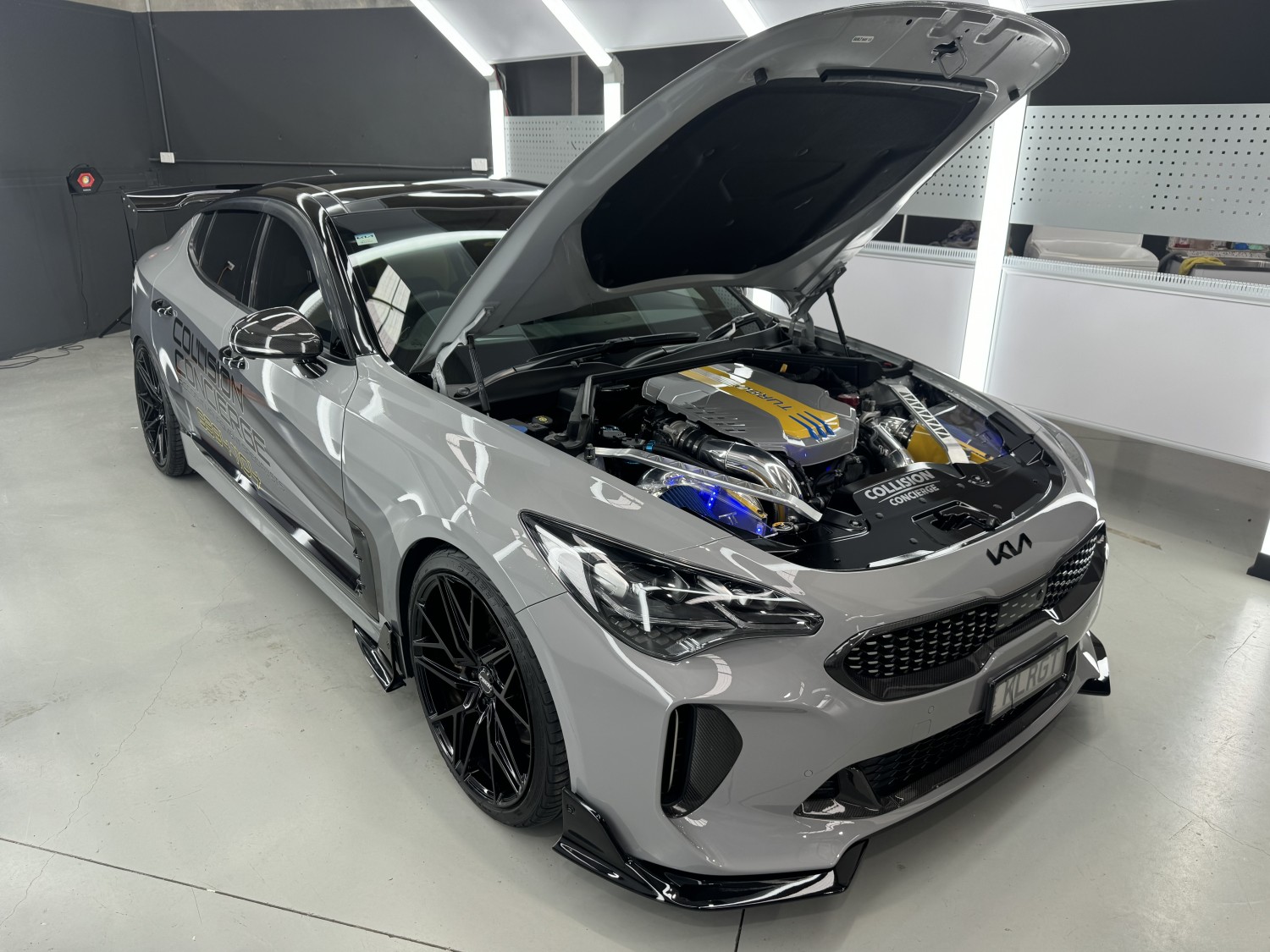
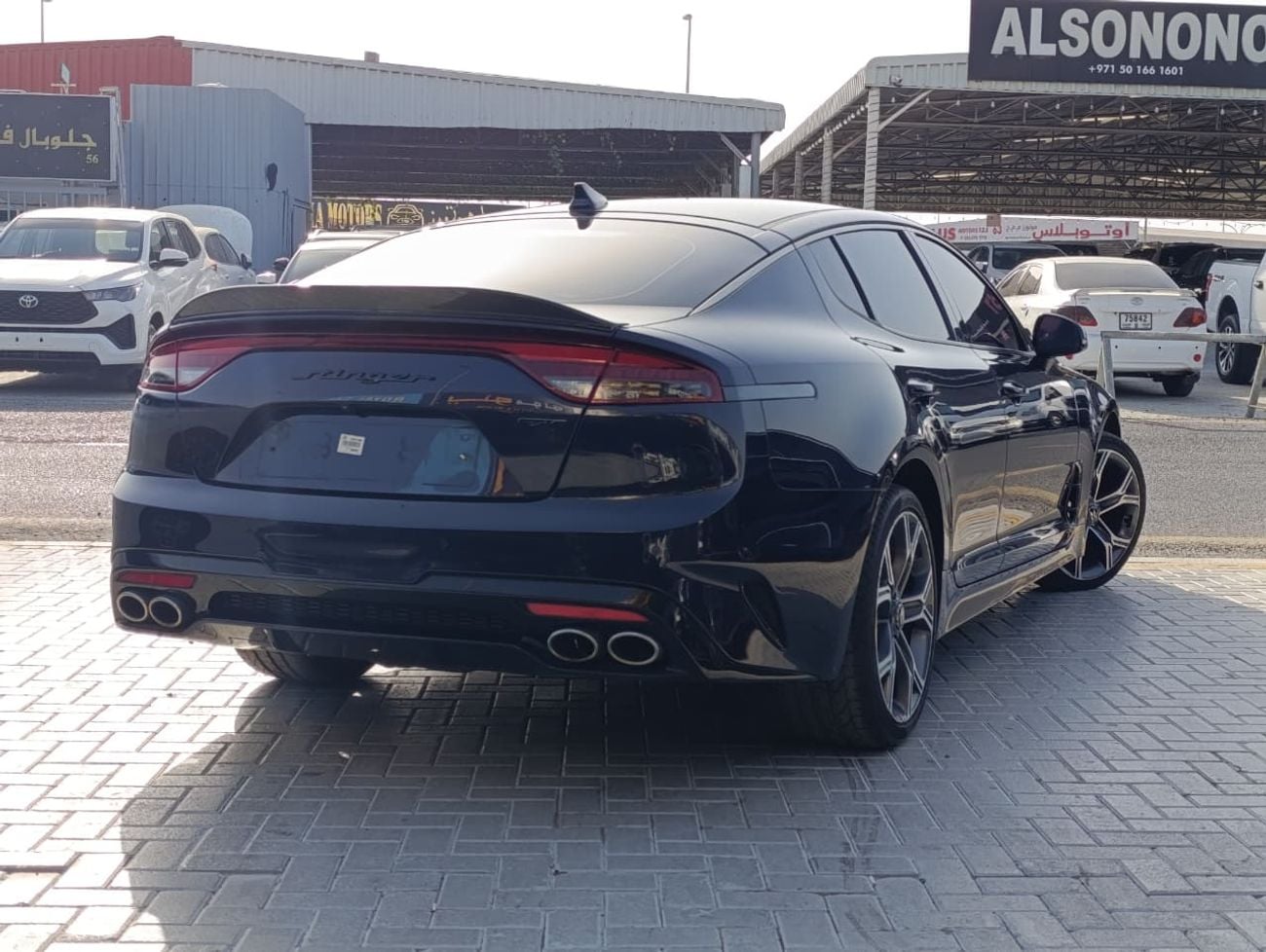
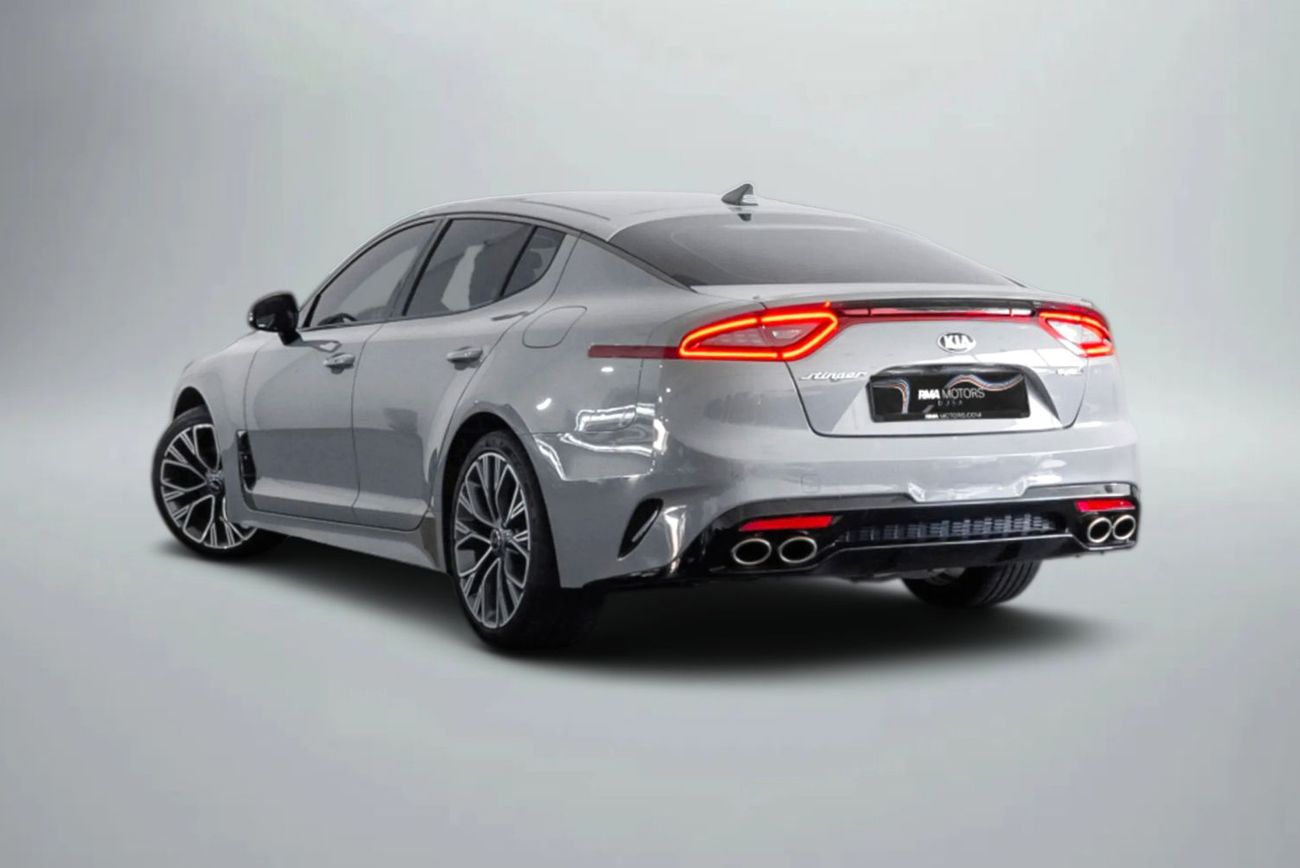
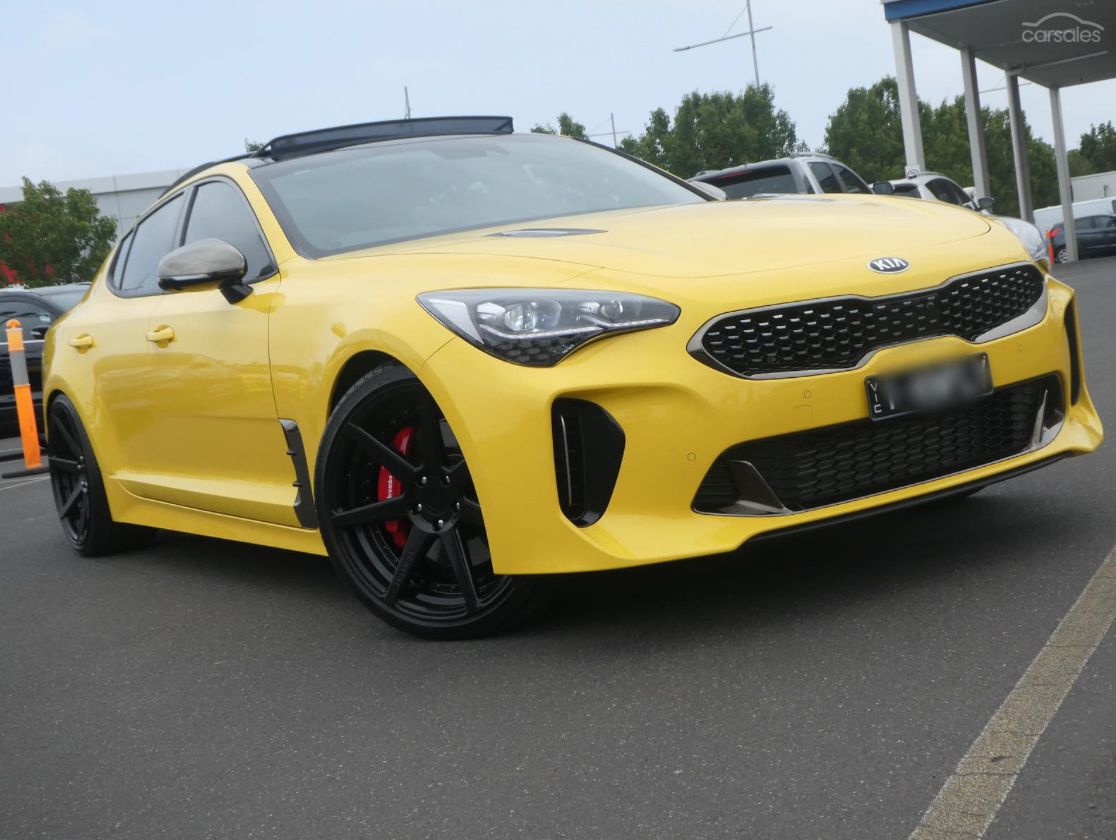
The 2019 Kia Stinger GT, equipped with the 3.3-liter twin-turbocharged V6 engine, delivers a manufacturer-claimed 0-60 mph time of 4.7 seconds. Independent testing frequently corroborated this figure, often recording times between 4.4 and 4.8 seconds depending on drivetrain configuration, road surface conditions, atmospheric pressure, and the use of the vehicle's integrated launch control system.
Engineering the Performance Platform
The 2019 Kia Stinger GT represented a significant turning point for the South Korean automaker. Moving away from the brand's traditional focus on economy and value, the Stinger was engineered to compete directly with established European sports sedans. At the heart of the GT’s performance is the Lambda II 3.3-liter twin-turbocharged V6 engine, which produces 365 horsepower and 376 lb-ft of torque.
This engine is paired with an eight-speed automatic transmission featuring steering-wheel-mounted paddle shifters. The power delivery is linear, though the twin-turbo setup ensures that peak torque is available early in the rev range—specifically between 1,300 and 4,500 rpm—which is a primary driver of the vehicle’s quick off-the-line acceleration. The chassis, featuring MacPherson strut front suspension and a five-link rear setup, was tuned at the Nürburgring Nordschleife, ensuring that the 0-60 capability is matched by high-speed stability and handling precision.
The Role of Drivetrain and Launch Control
The 2019 Kia Stinger GT was offered in both Rear-Wheel Drive (RWD) and All-Wheel Drive (AWD) configurations. These two options provide slightly different experiences regarding how the vehicle plants its power during an acceleration run.
Rear-Wheel Drive (RWD)
The RWD model is generally lighter than its AWD counterpart. While it offers a more traditional sports sedan feel and is capable of impressive acceleration, it requires precise throttle management to avoid excessive wheel spin during a standing start. Without the mechanical advantage of power distributed to the front wheels, the RWD variant relies heavily on the traction control system and the driver’s ability to modulate the pedal to achieve optimal 0-60 times.
All-Wheel Drive (AWD)
The AWD system in the Stinger GT utilizes a torque-vectoring setup that can send up to 50% of the power to the front wheels. This configuration is widely considered the superior choice for maximizing 0-60 performance in less-than-ideal conditions. The increased grip off the line minimizes wheel slip, allowing the vehicle to utilize its full power output almost immediately upon acceleration.
The Launch Control System
To consistently achieve sub-5.0 second 0-60 times, the 2019 Stinger GT utilizes a factory-integrated launch control system. To engage this, the driver typically must:
- Ensure the vehicle is in Sport or Sport+ drive mode.
- Deactivate the Electronic Stability Control (ESC) by holding the button until the light illuminates.
- Press the brake pedal firmly with the left foot.
- Depress the accelerator pedal to the floor with the right foot.
- Release the brake pedal quickly once the engine hits the optimal launch RPM.
Variables Affecting Acceleration
While the 4.7-second benchmark is the industry standard for the 2019 Kia Stinger GT, several real-world factors can cause these numbers to fluctuate. Owners and testers often note that environmental conditions play a massive role in longitudinal performance.
- Tire Condition and Compound: The Stinger GT relies heavily on its tires to translate torque into forward motion. Worn rubber or tires not rated for high-performance driving will significantly increase 0-60 times due to a lack of adhesion.
- Ambient Temperature: Turbocharged engines are sensitive to intake air temperatures. High ambient heat can lead to heat soak, which reduces power output as the engine management system pulls timing to prevent knocking. Conversely, cooler, denser air usually results in improved performance figures.
- Altitude: At higher elevations, the air is thinner, meaning there is less oxygen for the combustion process. Even with turbochargers, which compensate for lower atmospheric pressure, there is a measurable performance loss compared to testing done at sea level.
- Fuel Quality: Using high-octane fuel (91 or 93 AKI) is essential for achieving the advertised performance. The engine management system is programmed to adjust ignition timing based on fuel quality; using lower-octane fuel will force the ECU to retard timing, resulting in a noticeable decrease in power delivery.
Comparative Performance Table
The following table summarizes the key performance attributes of the 2019 Kia Stinger GT compared to its segment rivals of the same model year to provide context on its acceleration capabilities.
| Vehicle | Engine | 0-60 mph (Est.) | Drivetrain |
|---|---|---|---|
| 2019 Kia Stinger GT | 3.3L Twin-Turbo V6 | 4.4 - 4.7 sec | RWD / AWD |
| 2019 BMW 440i Gran Coupe | 3.0L Turbo I6 | 4.7 - 4.9 sec | RWD / AWD |
| 2019 Audi S5 Sportback | 3.0L Turbo V6 | 4.3 - 4.5 sec | AWD |
| 2019 Infiniti Q50 Red Sport | 3.0L Twin-Turbo V6 | 4.5 - 5.0 sec | RWD / AWD |
Note: Times listed represent a range of independent test results and may vary by specific vehicle condition and testing methodology.
Practical Considerations for Owners
If you are looking to replicate the manufacturer's performance figures, it is vital to maintain the vehicle to factory specifications. The 2019 Stinger GT is a complex machine, and its ability to achieve its peak performance is contingent upon the health of several key systems.
First, strictly adhere to the manufacturer's oil change intervals. The twin turbochargers are oil-cooled and lubricated; degraded oil can lead to increased friction and heat, limiting the life and efficiency of the turbochargers. Furthermore, ensuring that the engine air filters are clean is essential for allowing the engine to breathe under high load.
Second, be mindful of the "break-in" period if the vehicle is new to you. Even in older models, components like the transmission and differential respond best to smooth, progressive inputs rather than abusive, repeated wide-open-throttle launches. Excessive use of the launch control system puts significant strain on the transmission's torque converter and the AWD transfer case. While these components are designed for high performance, consistent "abuse" will inevitably lead to earlier failure of drivetrain seals and mounts.
Common Myths Regarding Stinger Performance
A common misconception is that the Stinger GT requires extensive aftermarket modifications to "unlock" its 0-60 speed. While the aftermarket community provides numerous tunes, intakes, and exhaust systems that can drop the 0-60 time into the low 4-second or high 3-second range, the stock vehicle is already tuned very close to its mechanical limit from the factory.
Another myth is that the "Sport" mode is strictly for acceleration. In reality, the Sport mode also alters the electronic suspension damping (on models equipped with the Electronically Controlled Suspension) and increases steering weight. Achieving a sub-4.7 second time is as much about the car's state of tune as it is about the driver's ability to maintain a straight line while managing the surge of torque provided by the twin turbos.
Frequently Asked Questions
Does the 2019 Kia Stinger GT need special fuel to reach its 0-60 time? Yes. Kia engineers calibrated the 3.3L twin-turbo engine to achieve its peak horsepower and torque ratings using premium unleaded gasoline (91 octane or higher). While the engine is capable of running on lower octane fuel, the ECU will adjust ignition timing to prevent engine knock, resulting in a quantifiable loss of power and slower acceleration.
Is the AWD version of the 2019 Stinger GT always faster than the RWD version? Generally, yes, especially from a standing start. The AWD system provides superior grip off the line, which is critical for the 0-60 sprint. The RWD model may feel lighter and more agile at higher speeds or on a race track, but in a straight-line sprint from a dead stop, the AWD system's ability to eliminate wheel slip usually secures a faster time.
How does launch control affect the transmission? Launch control is a standardized program that manages engine RPM and transmission engagement to minimize slip and maximize initial acceleration. Using it occasionally is within the design parameters of the vehicle. However, repeated, back-to-back launches will generate significant heat in the torque converter and drivetrain, which can accelerate wear on transmission fluid and internal components.
Can weather conditions significantly change my 0-60 time? Atmospheric conditions are one of the most significant variables in vehicle performance. High humidity, high altitude, and extreme temperatures can each rob the engine of power. For the best possible performance, aim to test your vehicle on a cool, dry day at or near sea level.
Should I disable traction control for the fastest 0-60 run? Yes, but only if you are using the vehicle's integrated launch control system. Standard traction control systems are designed to limit wheel spin by cutting power. During a high-performance launch, the computer may mistake necessary wheel rotation for a loss of control and intervene, which will severely impact your acceleration time.
Final Recommendation
For those aiming to verify or achieve the 0-60 performance of their 2019 Kia Stinger GT, ensure your vehicle is running on high-quality 93-octane fuel and verify that your tires are inflated to the manufacturer’s recommended pressures. Choose a safe, closed-course environment, ensure your engine is at normal operating temperature, and utilize the factory launch control system. Always prioritize safety and local regulations when testing vehicle performance, and remember that consistent maintenance is the best way to ensure your Stinger continues to deliver its intended performance for years to come.