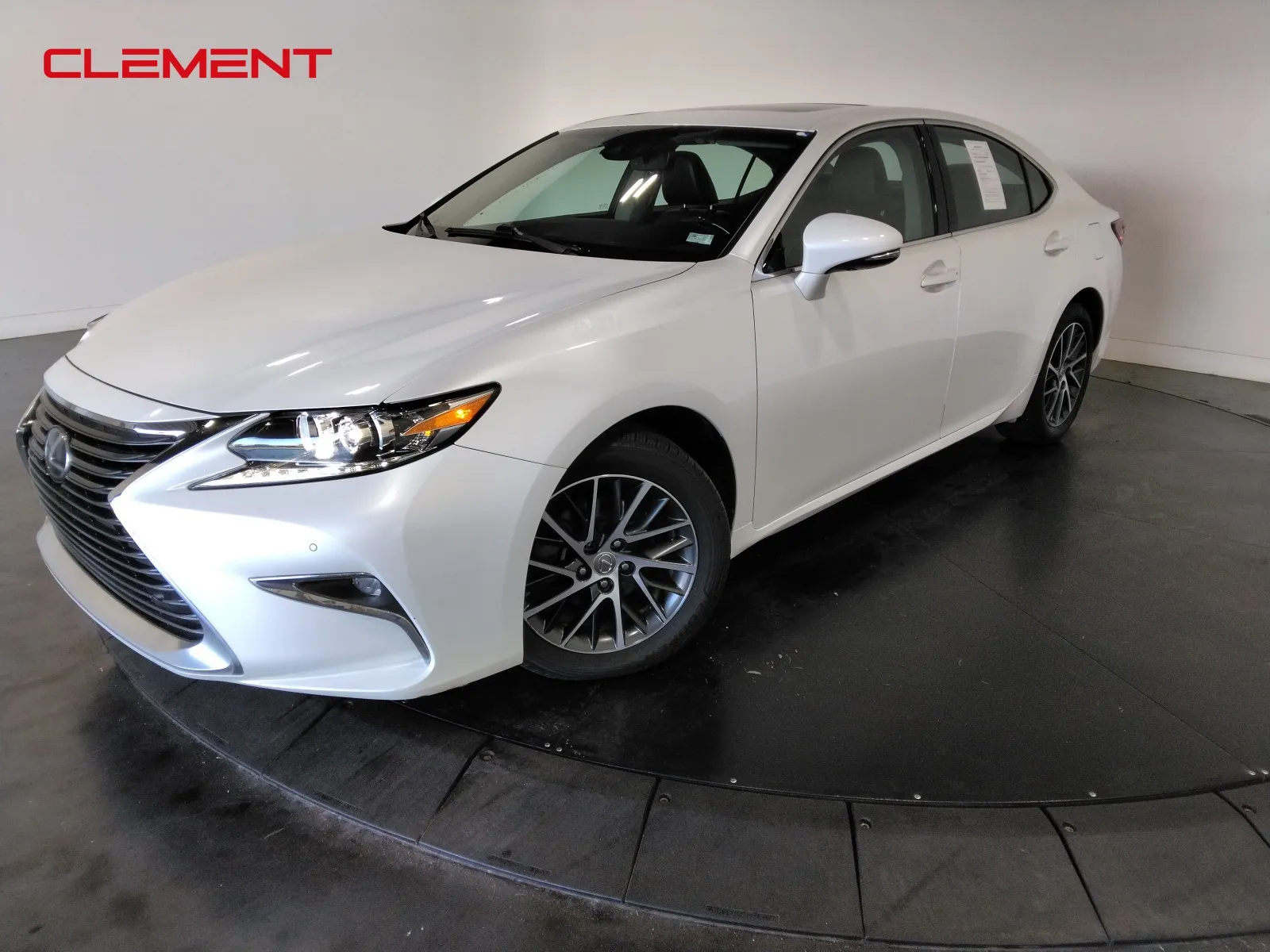
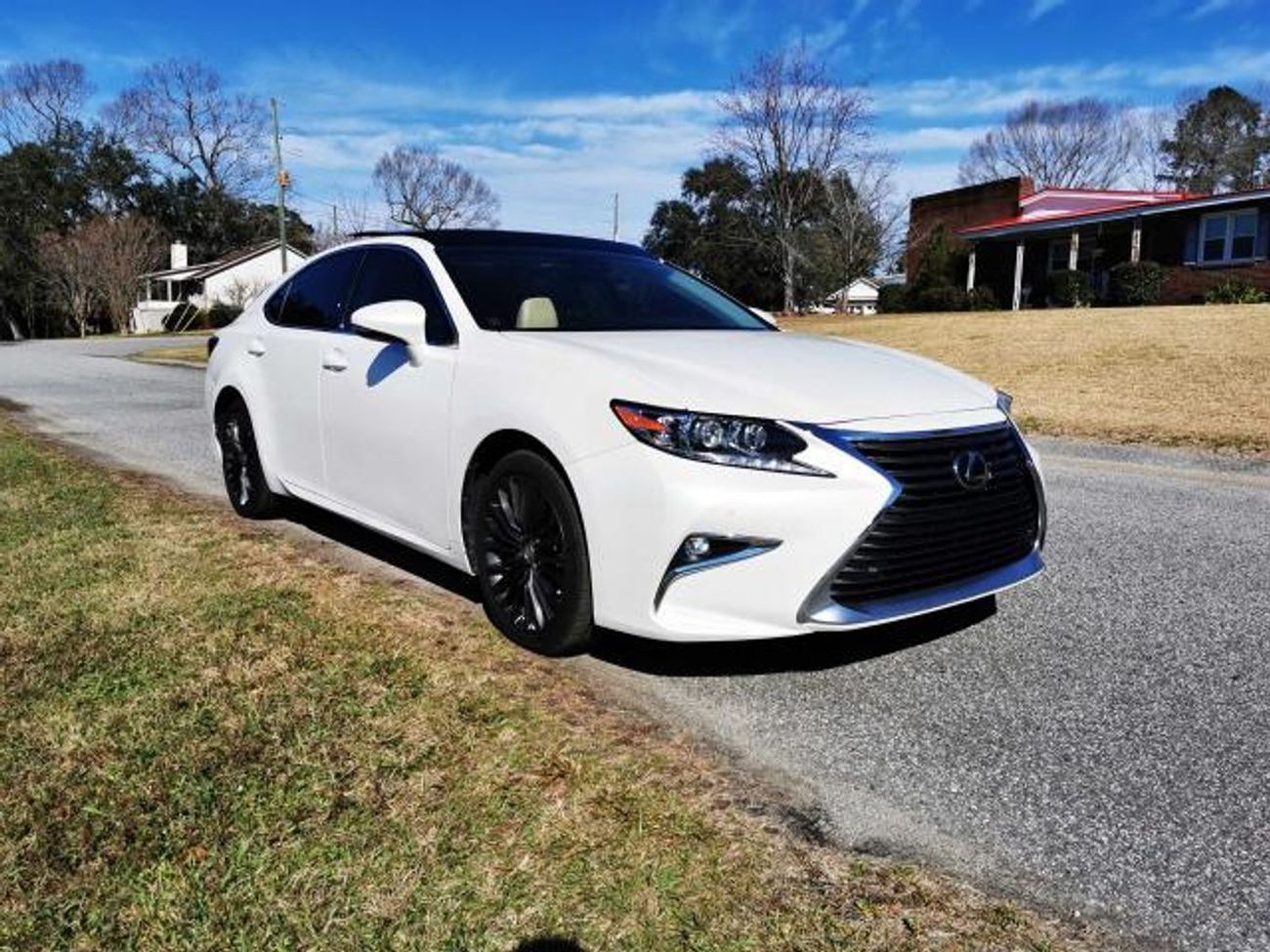
In the secondary automotive market, a 2017 Lexus ES 350 generally commands between $14,000 and $19,500, depending on mileage, overall condition, service history, and option packages. Well-maintained examples with under 75,000 miles can reach $20,500 or more, while higher-mileage vehicles above 120,000 miles trade closer to $11,500 to $13,500.
2017 Lexus ES 350 Used Market Overview
The 2017 Lexus ES 350 represents the fifth model year of the sixth-generation (XV60) ES platform, positioned near the end of this generation's lifecycle before the 2019 redesign. Because it sits in the sweet spot of modern safety technology, proven mechanical simplicity, and manageable secondary depreciation, the 2017 ES 350 remains one of the most sought-after entry-level luxury midsize sedans.
Unlike many of its European luxury counterparts, the Lexus ES 350 does not utilize turbochargers, complex air suspensions, or dual-clutch transmissions. Instead, it relies on a naturally aspirated 3.5-liter V6 engine (engine code 2GR-FE) mated to a conventional 6-speed automatic transmission driving the front wheels. This mechanical setup delivers 268 horsepower and 248 lb-ft of torque.
Because of its shared architecture with the Toyota Avalon, parts availability is exceptionally broad and routine maintenance expenses remain remarkably low for the luxury segment. Consequently, depreciation for the 2017 model year has flattened significantly, making it an attractive target for buyers seeking long-term reliability and stable equity retention.
Valuation by Condition and Mileage Tiers
Vehicles in the secondary market vary broadly in price based on channel (private seller versus retail dealership), vehicle condition, geometric regional location, and recorded mileage. Below is a structured valuation overview reflecting average market pricing for the 2017 Lexus ES 350.
| Vehicle Condition & Mileage Tier | Trade-In Value Range | Private Party Value Range | Retail / Dealer Listing Range |
|---|---|---|---|
| Low Mileage (< 60,000 miles, Excellent Condition) | $15,500 – $17,500 | $17,500 – $19,800 | $19,500 – $22,000 |
| Average Mileage (60,000 – 100,000 miles, Good Condition) | $13,000 – $15,000 | $14,500 – $17,000 | $16,500 – $19,000 |
| High Mileage (100,000 – 140,000 miles, Fair/Good Condition) | $10,500 – $12,500 | $12,000 – $14,500 | $13,800 – $16,000 |
| Very High Mileage (> 140,000 miles, Fair Condition) | $8,500 – $10,000 | $10,000 – $12,000 | $11,500 – $13,500 |
Channel Pricing Dynamics
- Trade-In Value: This represents what a dealership will offer when purchasing or taking the vehicle in trade. Dealerships factor reconditioning costs, structural inspections, detail labor, and resale margins into this price.
- Private Party Value: The realistic transaction range when buying directly from an individual owner. This option eliminates dealership overhead margins, though buyers forfeit dealership warranty options or in-house financing.
- Retail Dealer Price: The price quoted at independent or franchised dealership lots. Retail vehicles frequently undergo multi-point safety inspections, detailing, and minor reconditioning prior to sale.
Key Factors Influencing 2017 Lexus ES 350 Resale Value
While baseline mechanicals remain consistent across all 2017 ES 350 sedans, several specific standard feature updates and optional equipment packages significantly impact market valuation.
- Lexus Safety System+ (LSS+) standard inclusion
- Factory Packages (Premium, Luxury, Ultra Luxury)
- Verified Maintenance Logs & Oil Change History
- Infotainment Status (Scout GPS Link vs. Navigation System)
- Optional Upgrades (Mark Levinson Audio, Triple-Beam LEDs)
1. Standard Lexus Safety System+ (LSS+)
The 2017 model year holds a distinct value advantage over the 2015 and 2016 model years because Lexus made the Lexus Safety System+ (LSS+) standard equipment for 2017. Prior to this model year, driver-assist technologies were costly stand-alone options. Standard active safety equipment on every 2017 model includes:
- Pre-Collision System (PCS) with Pedestrian Detection
- Lane Departure Alert (LDA) with Steering Assist
- Intelligent High Beams (IHB)
- High-Speed Dynamic Radar Cruise Control (DRCC)
Because standard modern safety features reduce insurance premiums and increase vehicle utility, 2017 models tend to hold a higher baseline value compared to earlier model years without LSS+.
2. Factory Packages and Optional Equipment
The Lexus ES 350 was offered in a single base trim level, but factory options and packages create noticeable price variance on the used market:
- Base Configuration: Includes NuLuxe synthetic leather upholstery, 10-way power front seats, power moonroof, keyless access with push-button start, dual-zone climate control, and an 8-inch Display Audio screen.
- Premium Package: Adds real wood interior trim, power tilt-and-telescoping steering wheel, and memory settings for the driver's seat, outside mirrors, and steering column. Adds approximately $400–$700 to resale value.
- Luxury Package: Includes Premium Package contents plus genuine leather-trimmed seats, heated and ventilated front seats, and wood trim on the center console. Adds approximately $800–$1,200 to resale value.
- Ultra Luxury Package: Features semi-aniline perforated leather seating, a power rear sunshade, manual rear side door sunshades, driver’s seat cushion extender, ambient lighting, and a panoramic glass roof (or power moonroof). Models equipped with Ultra Luxury retain a $1,500–$2,500 premium on the secondary market.
- Stand-Alone Options: Key individual options that enhance resale value include the 15-speaker Mark Levinson Premium Surround Sound Audio System ($500–$800 value add), Blind Spot Monitor with Rear Cross-Traffic Alert ($300–$500 value add), ambient lighting, high-friction brake pads, and 18-inch split-10-spoke alloy wheels.
Technical Specifications and Powertrain Reliability
Understanding the mechanical platform of the 2017 Lexus ES 350 explains why its value remains resilient compared to competing luxury vehicles.
| Specification | Details |
|---|---|
| Engine | 3.5-Liter DOHC 24-Valve V6 (2GR-FE) |
| Horsepower | 268 hp @ 6,200 RPM |
| Torque | 248 lb-ft @ 4,700 RPM |
| Transmission | 6-Speed Electronically Controlled Automatic |
| Drivetrain | Front-Wheel Drive (FWD) |
| Fuel Requirement | Regular Unleaded (87 Octane) |
| EPA Fuel Economy | 21 City / 30 Hwy / 24 Combined MPG |
The 2GR-FE V6 Engine Advantage
The 2GR-FE engine features a die-cast aluminum engine block with cast-iron cylinder liners, dual overhead camshafts (DOHC), and Dual VVT-i (Variable Valve Timing with intelligence). Crucially, this engine utilizes a timing chain rather than a rubber timing belt, eliminating the high cost of periodic belt replacements required by some competitors.
Another financial advantage is fuel flexibility: the 2017 ES 350 V6 is calibrated to run on 87-octane regular unleaded fuel. Many European entry-level luxury sedans require premium 91+ octane fuel, translating to substantial savings in annual operating costs for the Lexus owner.
Real-World Ownership Costs & Maintenance Considerations
Although the 2017 Lexus ES 350 boasts excellent overall durability, specific component inspections are necessary when evaluating a used vehicle to ensure its resale value aligns with its physical condition.
Routine Maintenance Schedule & Costs
Maintaining a 2017 ES 350 follows routine Toyota service standards:
- Oil and Filter Changes: Every 10,000 miles or 12 months using 0W-20 full synthetic oil. Average service cost: $75 to $120.
- Brake Fluid Flush: Recommended every 30,000 miles or 36 months. Average service cost: $120 to $180.
- Spark Plug Replacement: Recommended at 120,000 miles using iridium-tipped spark plugs. Because accessing the rear bank of cylinder plugs on the transverse V6 requires removing the intake plenum, labor costs are higher (typically $350 to $550 total).
- Automatic Transmission Fluid: Lexus designates the World Standard (WS) transmission fluid as "lifetime" under normal conditions, but independent mechanics recommend a drain-and-fill service every 60,000 to 90,000 miles to maximize unit longevity.
Common Issues and Pre-Purchase Inspection Points
When shopping for or pricing a 2017 Lexus ES 350, inspect the following areas:
- Timing Cover Oil Seepage: The 2GR-FE engine can develop minor oil weeping along the front timing chain cover gasket at higher mileages (typically past 100,000 miles). Fixing a major leak requires pulling the engine, which involves significant labor charges. Minor weeping that does not drip is common and often monitored rather than repaired immediately.
- Water Pump Wear: The engine's water pump may show signs of coolant weeping (visible as pink crust around the pulley) between 80,000 and 120,000 miles. Replacement typically costs $450 to $750 at independent repair facilities.
- Front Suspension Bushings: Due to the front-wheel-drive layout and soft luxury tuning, lower control arm bushings and sway bar end links experience noticeable wear around 90,000 to 110,000 miles. Knocking sounds over low-speed bumps indicate worn suspension components.
- Lexus Remote Touch Controller: Models equipped with the high-resolution navigation display use a computer-mouse-style joystick interface on the center console. Ensure the haptic feedback and click functionality operate smoothly across all screen menus.
- Infotainment & Smartphone Limitations: The 2017 Lexus ES 350 does not feature factory Apple CarPlay or Android Auto support. The factory system relies on Lexus Enform or Scout GPS Link (via a paired smartphone). Buyers wanting modern phone integration must install aftermarket head-unit interface modules, which cost around $400 to $800 installed.
2017 Lexus ES 350 vs. Used Segment Competitors
Comparing the 2017 ES 350 against competing luxury sedans highlights why it maintains strong resale value retention over time.
| Vehicle | Powertrain | Avg Used Value | Reliability Rating |
|---|---|---|---|
| 2017 Lexus ES 350 | 3.5L V6 (FWD) | $14.5k - $19.5k | High |
| 2017 Acura TLX | 3.5L V6 (FWD/AWD) | $13,0k - $17.5k | Above Average |
| 2017 BMW 530i | 2.0L Turbo I4 | $13.5k - $18.5k | Average |
| 2017 Audi A6 2.0T | 2.0L Turbo I4 | $12.5k - $17.0k | Average |
| 2017 Lincoln MKZ | 2.0L Turbo I4 | $11.0k - $15.0k | Below Average |
Acura TLX (2017)
The 2017 Acura TLX V6 offers a sporty driving dynamic and available Super Handling All-Wheel Drive (SH-AWD). However, early 9-speed automatic transmissions in the V6 TLX exhibited occasional rough shifting, giving the Lexus ES 350 a edge in transmission smoothness and secondary value retention.
BMW 5 Series / 530i (2017)
The 2017 BMW 530i (G30 generation) delivers sharper steering response, standard rear-wheel drive, and superior infotainment technology. However, higher out-of-warranty repair costs, complex electronic modules, and faster secondary depreciation mean the 5 Series loses equity quicker than the ES 350 once mileage exceeds 80,000 miles.
Audi A6 2.0T / 3.0T (2017)
The 2017 Audi A6 offers refined exterior design and Quattro all-wheel drive. While the 3.0-liter supercharged V6 is durable, air suspension components, oil-separator failures, and higher labor rates make ownership costs significantly steeper than the ES 350 over long ownership periods.
Smart Buying and Selling Strategies
Whether purchasing or selling a 2017 Lexus ES 350, applying targeted valuation strategies ensures a favorable transaction.
- BUYERS:
- Verify vehicle history via Lexus Drivers Portal (Free)
- Inspect front timing cover and water pump for fluid traces
- Confirm function of LSS+ radar cruise and lane assist
- SELLERS:
- Gather full service records (dealer or independent)
- Address minor cosmetics (wheel scuffs, interior detailing)
- Highlight 87-octane fuel compliance and standard LSS+
Buying Guidance
- Leverage the Lexus Drivers Website: Buyers can register for a free account on the official Lexus Drivers portal and enter any Lexus Vehicle Identification Number (VIN). This reveals complete dealership service histories, factory warranty work, and oil change intervals performed at franchised dealerships across North America.
- Verify LSS+ Functionality: During the test drive, verify that dynamic radar cruise control engages properly, lane departure warnings trigger accurately, and no sensor warning lights show on the instrument cluster. Replacing front bumper radar sensors or windshield-mounted cameras after an unreported accident can cost upwards of $1,500.
- Check Condition of Upholstery: Distinguish between base NuLuxe synthetic leather and real leather (Luxury/Ultra Luxury packages). NuLuxe is exceptionally durable and resists creasing, whereas real leather requires regular conditioning to prevent cracking along seat bolsters.
Selling Guidance
- Document Service Records: Complete maintenance records showing regular 10,000-mile fluid services significantly boost buyer confidence, allowing private sellers to list at the higher end of the valuation spectrum.
- Highlight Low Running Costs: When creating a sales listing, explicitly mention that the 2017 ES 350 runs on regular unleaded fuel and utilizes a maintenance-free timing chain. These practical points appeal directly to budget-conscious luxury buyers.
- Detail Wheels and Interior Touchpoints: Curb rash on option wheels and dirty wood grain trim reduce perceived value quickly. Professional detailing often recovers two to three times its cost in final sale proceeds.
Frequently Asked Questions
Is a 2017 Lexus ES 350 expensive to maintain compared to a Toyota?
No. Because the 2017 ES 350 shares its underlying platform and 3.5L V6 engine with the Toyota Avalon and Camry V6, routine maintenance items like oil filters, brake pads, rotors, and spark plugs share identical part numbers with Toyota models. Labor charges at independent repair shops are generally low compared to European luxury brands.
Does the 2017 Lexus ES 350 have Apple CarPlay or Android Auto?
No. Factory Apple CarPlay and Android Auto were not integrated into the Lexus ES line until the redesign for the 2019 model year. The 2017 ES 350 utilizes the Lexus Enform system and Scout GPS Link for smartphone-based navigation. However, aftermarket interface modules can be integrated into the factory display screen.
How many miles will a 2017 Lexus ES 350 last with proper maintenance?
With standard fluid changes and routine maintenance, the 2GR-FE V6 engine and 6-speed automatic transmission routinely exceed 200,000 to 250,000 miles without major mechanical overhauls. Key wear components like water pumps, suspension bushings, and alternators may require replacement around the 100,000 to 150,000-mile mark.
What is the difference between the 2016 and 2017 Lexus ES 350 models?
While both belong to the updated sixth-generation facelift, the primary difference is that the Lexus Safety System+ (LSS+) became standard equipment on all 2017 models. On 2016 models, safety features like dynamic radar cruise control and pre-collision braking were optional standalone add-ons.
Does the 2017 Lexus ES 350 require premium gas?
No. The 2017 Lexus ES 350 is factory-calibrated to run on 87-octane regular unleaded fuel. Using premium 91 or 93 octane fuel is not required and offers no measurable performance or fuel efficiency benefit for this engine.
Final Valuation Verdict
The 2017 Lexus ES 350 remains a standout value proposition in the used midsize luxury segment. Positioned between $14,000 and $19,500 for typical condition and mileage ranges, it delivers a comfortable ride, low ownership expenses, standard safety equipment, and outstanding mechanical durability. For buyers prioritizing stress-free transportation over aggressive sports sedan handling, the 2017 ES 350 offers one of the lowest total-cost-of-ownership profiles in the luxury pre-owned market.