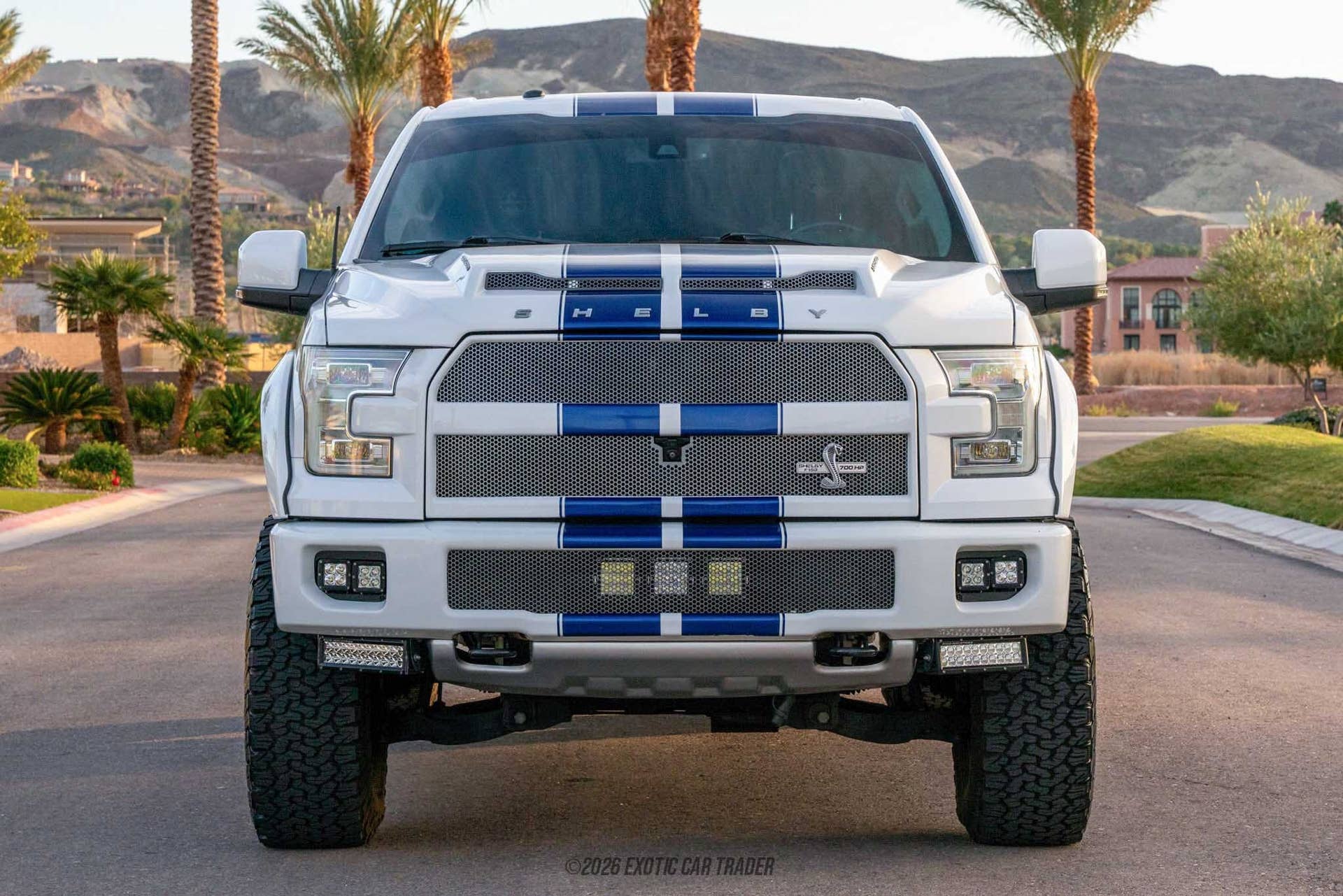
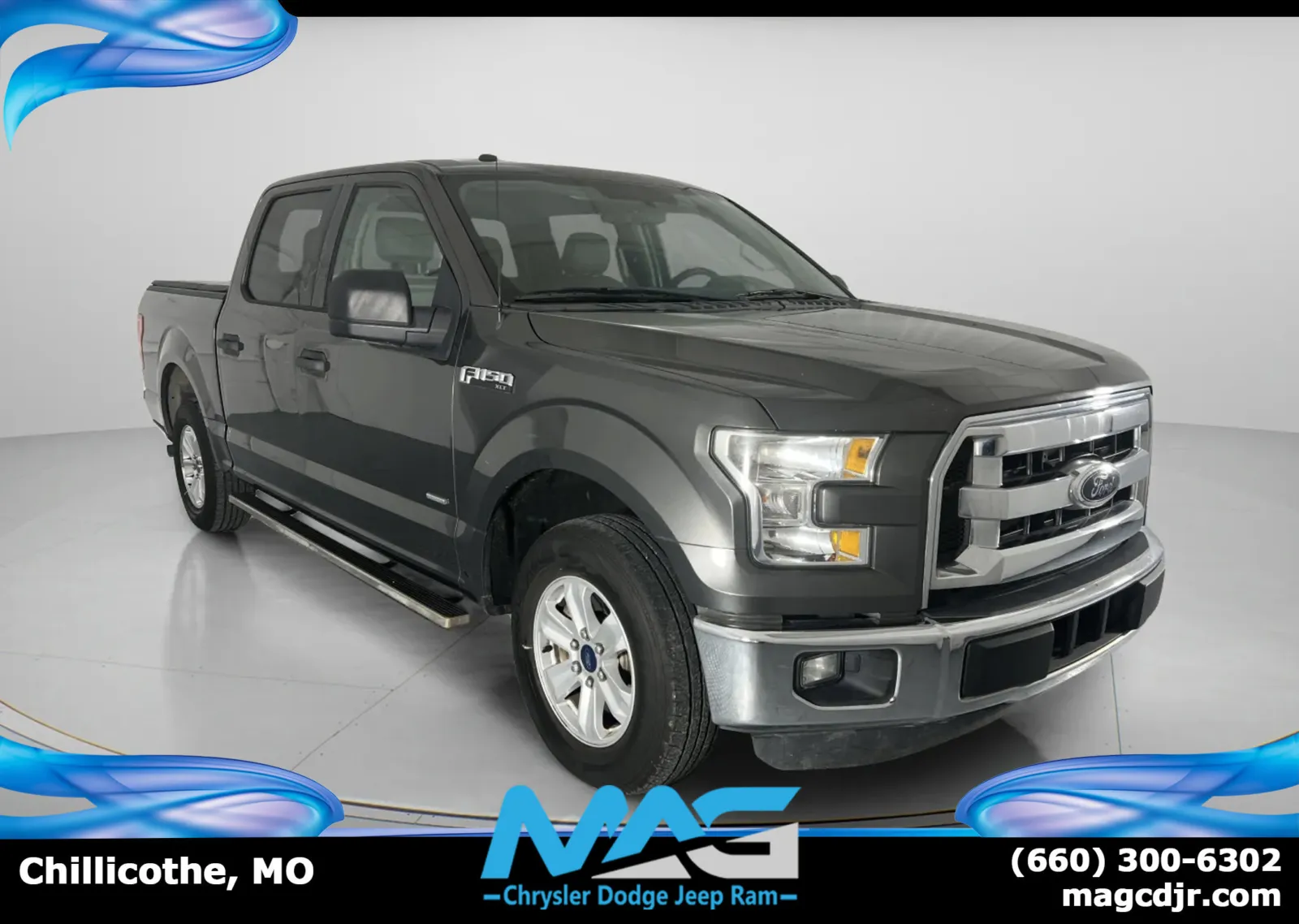
The 2016 Ford F-150 offers a diverse range of build options, including six distinct trim levels (XL, XLT, Lariat, King Ranch, Platinum, and Limited), four engine choices ranging from a 3.5L V6 to a 5.0L V8, and three cab styles. Key 2016 updates include the introduction of the SYNC 3 infotainment system and the Pro Trailer Backup Assist technology.
When the thirteenth-generation Ford F-150 debuted, it sent shockwaves through the automotive industry by swapping traditional steel body panels for high-strength, military-grade aluminum alloy. By the 2016 model year, Ford had refined this architecture, addressing early production hurdles and expanding the technological suite. For buyers in 2026, the 2016 F-150 remains a highly sought-after used vehicle because it bridges the gap between rugged utility and modern digital amenities. Understanding the original build options is essential for identifying the right configuration for towing, commuting, or off-road use.
The Foundation: Cab Styles and Bed Lengths
Before selecting luxury features or engine output, a 2016 F-150 build begins with the physical footprint. Ford offered three primary cab configurations, each dictating the available bed lengths and overall wheelbase.
Regular Cab
The Regular Cab is the traditional two-door work truck setup. It offers a single row of seating for up to three passengers. While it lacks interior storage behind the seats compared to other models, it provides the highest payload capacities when properly equipped.
- Bed Options: 6.5-foot or 8-foot cargo boxes.
- Best For: Fleet use, construction sites, and maximum maneuverability.
SuperCab
The SuperCab features small, rear-hinged "suicide" doors that require the front doors to be open before they can be accessed. It includes a second row of seating, though legroom is tighter than in the SuperCrew. The rear seat cushions can flip up, providing a significant amount of protected interior cargo space.
- Bed Options: 6.5-foot or 8-foot cargo boxes.
- Best For: Occasional passengers and those needing a longer bed without the massive footprint of a full crew cab.
SuperCrew
The SuperCrew is the most popular configuration for families and lifestyle buyers. It features four full-size, front-hinged doors and a spacious rear cabin that rivals many full-size SUVs for legroom.
- Bed Options: 5.5-foot or 6.5-foot cargo boxes.
- Best For: Daily driving, family transport, and long-distance travel.
2016 Ford F-150 Trim Level Hierarchy
The 2016 model year featured six primary trim levels. Each trim significantly alters the truck's character, moving from a basic tool to a mobile luxury office.
XL (The Workhorse)
The XL is the base trim, designed for durability and low cost of ownership. It came standard with 17-inch steel wheels, manual windows (on Regular Cab), and vinyl flooring. However, it still benefited from the same high-strength aluminum body and fully boxed high-strength steel frame as the higher trims.
- Key Standard Features: 4.2-inch center stack screen, manual air conditioning, and black plastic bumpers.
- Value Play: Look for XL models with the 101A Equipment Group, which added power windows, power locks, and Ford’s SYNC system.
XLT (The Volume Leader)
The XLT was the most common build in 2016. It added creature comforts like power windows, keyless entry, and the Chrome or Sport appearance packages.
- Key Standard Features: SYNC with AppLink, 17-inch silver-painted aluminum wheels, and chrome bumpers.
- Customization: The XLT was often equipped with the 302A Luxury Package, which included a rearview camera, 8-inch touchscreen, and heated front seats.
Lariat (The Entry-Luxury)
The Lariat is where the F-150 begins to feel like a premium vehicle. It was the lowest trim level to offer the 2.7L EcoBoost or 5.0L V8 as standard (depending on the specific sub-configuration).
- Key Standard Features: Leather-trimmed seats, heated and cooled front seats, and the SYNC 3 infotainment system (a major upgrade over the previous MyFord Touch).
- Tech Highlights: 8-inch productivity screen in the instrument cluster and dual-zone automatic climate control.
King Ranch and Platinum (The Luxury Standards)
These two trims offer similar levels of equipment but cater to different aesthetics. The King Ranch features a Western theme with Mesa Brown leather and wood accents. The Platinum offers a more "urban luxury" feel with brushed aluminum trim, multicontour (massaging) seats, and power-deployable running boards.
Limited (The Pinnacle)
New for the 2016 model year, the Limited trim sat at the very top of the lineup. It featured 22-inch wheels, unique "Limited" badging on the hood, a Mojave leather interior, and almost every available option as standard equipment. It was designed to compete with high-end European luxury sedans in terms of interior quality.
Engine Options and Performance Specifications
The 2016 F-150 offered four distinct engines. Choosing the right one is critical, as it determines the truck’s towing capacity, fuel economy, and long-term maintenance needs.
| Engine Type | Horsepower | Torque (lb-ft) | Max Towing (Lbs.) | Primary Benefit |
|---|---|---|---|---|
| 3.5L Ti-VCT V6 | 282 | 253 | 7,600 | Reliability & Low Cost |
| 2.7L EcoBoost V6 | 325 | 375 | 8,500 | Fuel Efficiency & Pep |
| 5.0L Ti-VCT V8 | 385 | 387 | 11,100 | Payload & Exhaust Note |
| 3.5L EcoBoost V6 | 365 | 420 | 12,200 | Maximum Towing Power |
3.5L Ti-VCT V6 (Naturally Aspirated)
This was the base engine. It lacks a turbocharger, which simplifies maintenance but limits heavy-duty towing. It is a solid choice for those who need a truck for light hauling and general utility without the complexity of EcoBoost components.
2.7L EcoBoost V6
A marvel of engineering in 2016, this engine used a compacted graphite iron (CGI) block, similar to what is found in PowerStroke diesel engines. Despite its small displacement, it delivers impressive torque early in the rev range, making it feel quicker in city driving than the V8.
5.0L Ti-VCT V8
Known as the "Coyote" engine, the 5.0L is a favorite for those who prefer the traditional power delivery of a V8. It is particularly well-suited for high-payload applications and is the easiest engine to modify for increased performance. For the 2016 model year, it was also available with a gaseous-fuel prep option for conversion to CNG or propane.
3.5L EcoBoost V6
The flagship for performance, the twin-turbocharged 3.5L EcoBoost was designed for heavy-duty towing. It provides a flat torque curve that allows the truck to maintain speed on steep inclines while pulling a trailer. This engine was the precursor to the high-output version later found in the Raptor.
Key Technology and Safety Packages
The 2016 model year was a transitional period for Ford's in-car technology. Understanding these specific packages is vital for 2026 buyers who prioritize connectivity and safety.
SYNC 3 Infotainment
The most significant upgrade for 2016 was the replacement of the much-maligned MyFord Touch system with SYNC 3. This new system featured a capacitive touchscreen (similar to a smartphone), faster response times, and a more intuitive interface. Later in the 2016 lifecycle, SYNC 3 gained compatibility with Apple CarPlay and Android Auto via a software update and, in some cases, a simple USB hub hardware swap.
Pro Trailer Backup Assist
This segment-first technology debuted in 2016. By rotating a knob on the dashboard, the driver can direct the trailer where they want it to go, while the truck handles the steering wheel inputs. This feature made towing accessible to novices and reduced the stress of backing up at crowded boat ramps or campsites.
FX4 Off-Road Package
Available on most 4x4 models, the FX4 package added:
- Electronic-locking rear differential.
- Off-road tuned shock absorbers.
- Skid plates for the fuel tank, transfer case, and front differential.
- Hill Descent Control.
Driver Assistance Features
The 2016 F-150 could be equipped with advanced safety tech that was quite rare for pickups at the time. This included Adaptive Cruise Control, Lane-Keeping System, and Blind Spot Information System (BLIS) with cross-traffic alert. The BLIS sensors were cleverly integrated into the taillights to maintain the truck's sleek profile.
Payload and Towing Considerations
One of the primary reasons Ford switched to an aluminum body was to increase payload capacity by reducing the truck's curb weight (by up to 700 pounds compared to the 2014 model).
When reviewing build options, it is important to distinguish between the Trailer Tow Package and the Max Trailer Tow Package.
- Trailer Tow Package (53A): Includes a 4-pin/7-pin wiring harness, Class IV hitch receiver, Smart Trailer Tow Connector, and an auxiliary transmission oil cooler.
- Max Trailer Tow Package (53C): Primarily available with the 3.5L EcoBoost, this added a 3.55 electronic-locking rear axle, an upgraded front stabilizer bar, and a reinforced rear bumper.
It is a common mistake to assume all F-150s can tow the maximum rated capacity of 12,200 pounds. That figure is specific to a 3.5L EcoBoost SuperCrew 4x2 with the Max Trailer Tow Package. Always check the door jamb sticker for the specific Occupant and Cargo Carrying Capacity of an individual truck, as high-trim options (like panoramic sunroofs and power running boards) reduce the available payload.
Expert Guidance for Buying a 2016 F-150 in 2026
As these vehicles reach the ten-year mark, certain build options have proven more resilient than others.
- Check the Lead Frame: Some 2016 models experienced issues with the transmission lead frame, which could cause unintended downshifts. Verify if the vehicle has had the relevant TSB (Technical Service Bulletin) work performed.
- EcoBoost Maintenance: If choosing a 2.7L or 3.5L EcoBoost, ensure there is a documented history of frequent oil changes. These turbochargers rely on clean oil for longevity.
- The "Lariat Value": In 2026, the Lariat trim often represents the best value. It includes the SYNC 3 system and leather seating but avoids the higher price premiums and potential repair costs associated with the more complex air-massaging seats and power steps of the Platinum or Limited trims.
- Check for Corrosion: While the body is aluminum and won't rust in the traditional sense, the frame is still high-strength steel. Inspect the frame rails for structural integrity, especially in "salt belt" regions.
Frequently Asked Questions
Does the 2016 Ford F-150 have Apple CarPlay?
Yes, models equipped with the SYNC 3 system (standard on Lariat and above, optional on XLT) are compatible with Apple CarPlay and Android Auto. Note that early production 2016 models may require a software update to version 2.0 or higher and a replacement of the USB interface hub to enable these features.
What is the difference between the 2015 and 2016 F-150?
The primary differences are the introduction of the SYNC 3 infotainment system (replacing MyFord Touch), the availability of the Pro Trailer Backup Assist feature, and the addition of the range-topping Limited trim. The 2016 model also offered the Special Edition Appearance Package for XLT and Lariat trims.
Is the 2.7L EcoBoost engine big enough for an F-150?
For most users, yes. The 2.7L EcoBoost was designed specifically for the F-150 and produces more torque (375 lb-ft) than the base V6 and nearly as much as the 5.0L V8. It is highly capable for light-to-moderate towing and offers excellent fuel economy for a full-size pickup.
Which 2016 F-150 engine is the most reliable?
The 5.0L V8 and the base 3.5L Ti-VCT V6 are generally considered the most reliable over the long term due to their lack of turbochargers. However, the 2.7L EcoBoost has proven remarkably durable thanks to its compacted graphite iron block construction.
Can the 2016 F-150 tow 10,000 lbs?
Only certain configurations can safely tow over 10,000 lbs. You generally need the 3.5L EcoBoost engine or the 5.0L V8 combined with the appropriate axle ratio (3.55 or 3.73) and the Trailer Tow or Max Trailer Tow packages. Always verify the specific rating for the individual VIN.
Practical Recommendation
If you are searching for a 2016 Ford F-150 today, target an XLT with the 302A package or a Lariat. These trims offer the most modern feel thanks to the SYNC 3 system and provide a balanced mix of utility and comfort. For those prioritizing longevity and simplicity, the 5.0L V8 remains the gold standard, whereas those who tow frequently should hold out for a 3.5L EcoBoost with the Max Trailer Tow Package. Regardless of the build, prioritize vehicles with a clear service history regarding the 6-speed automatic transmission and turbocharger cooling lines.