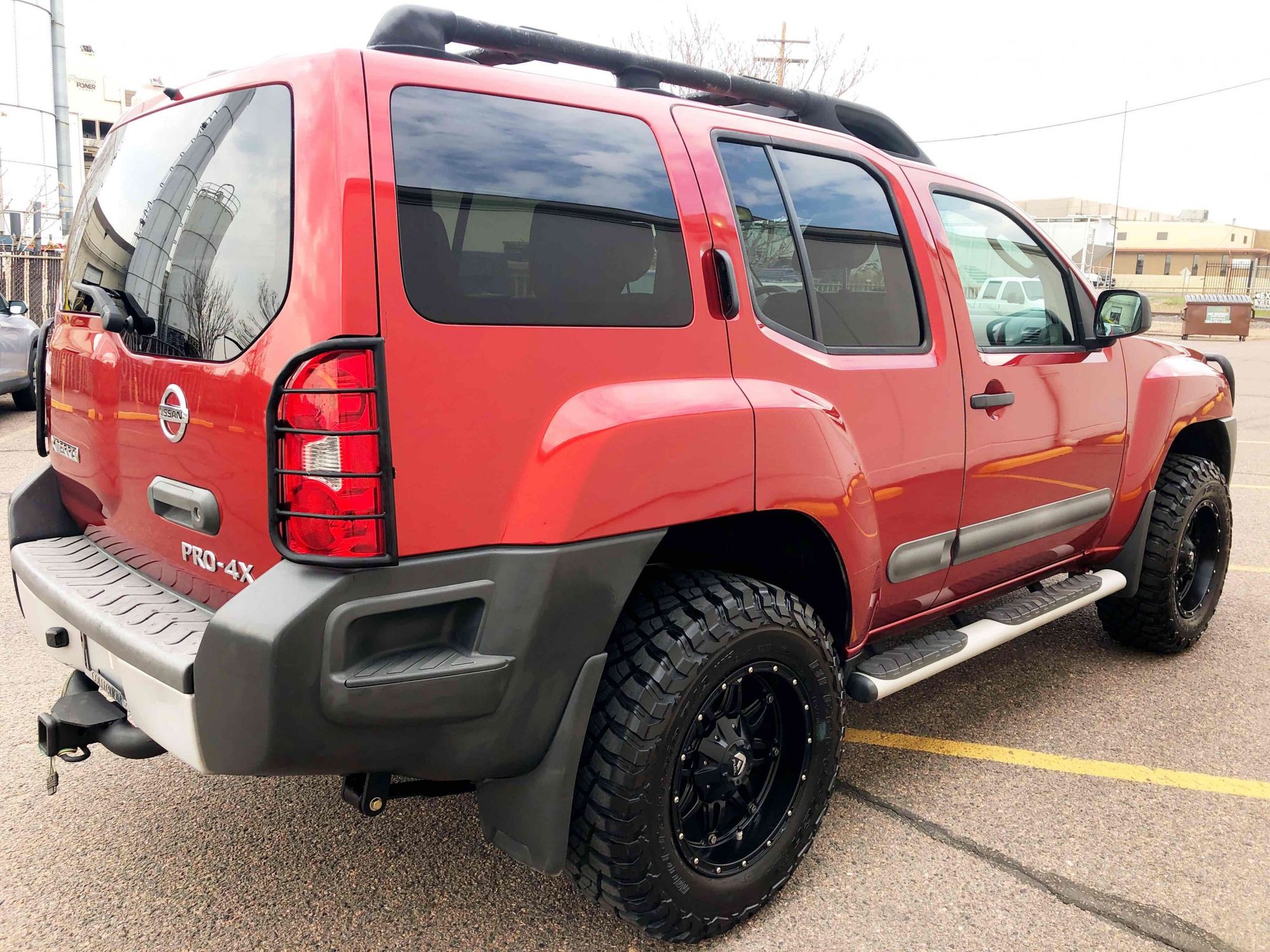
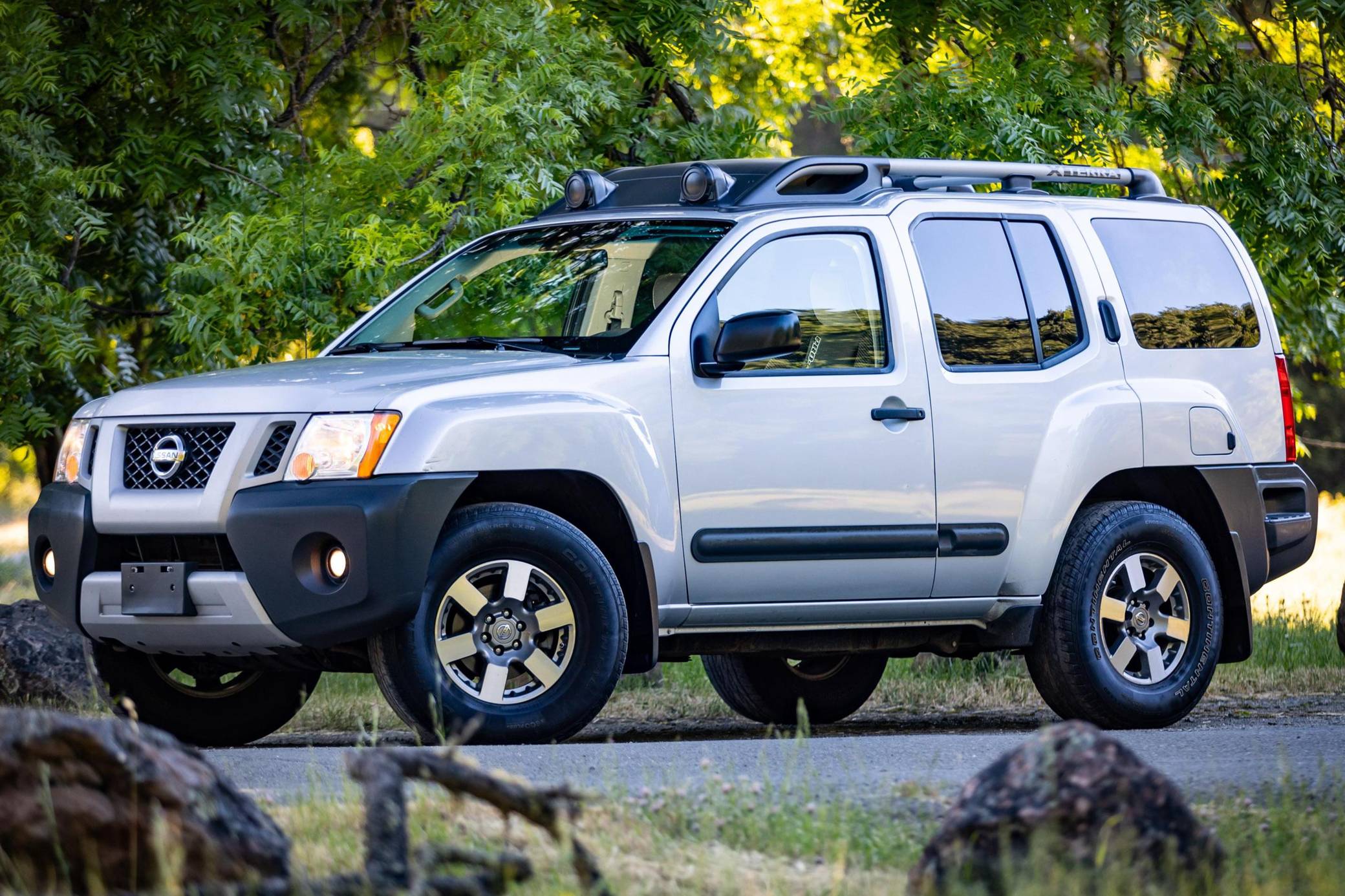
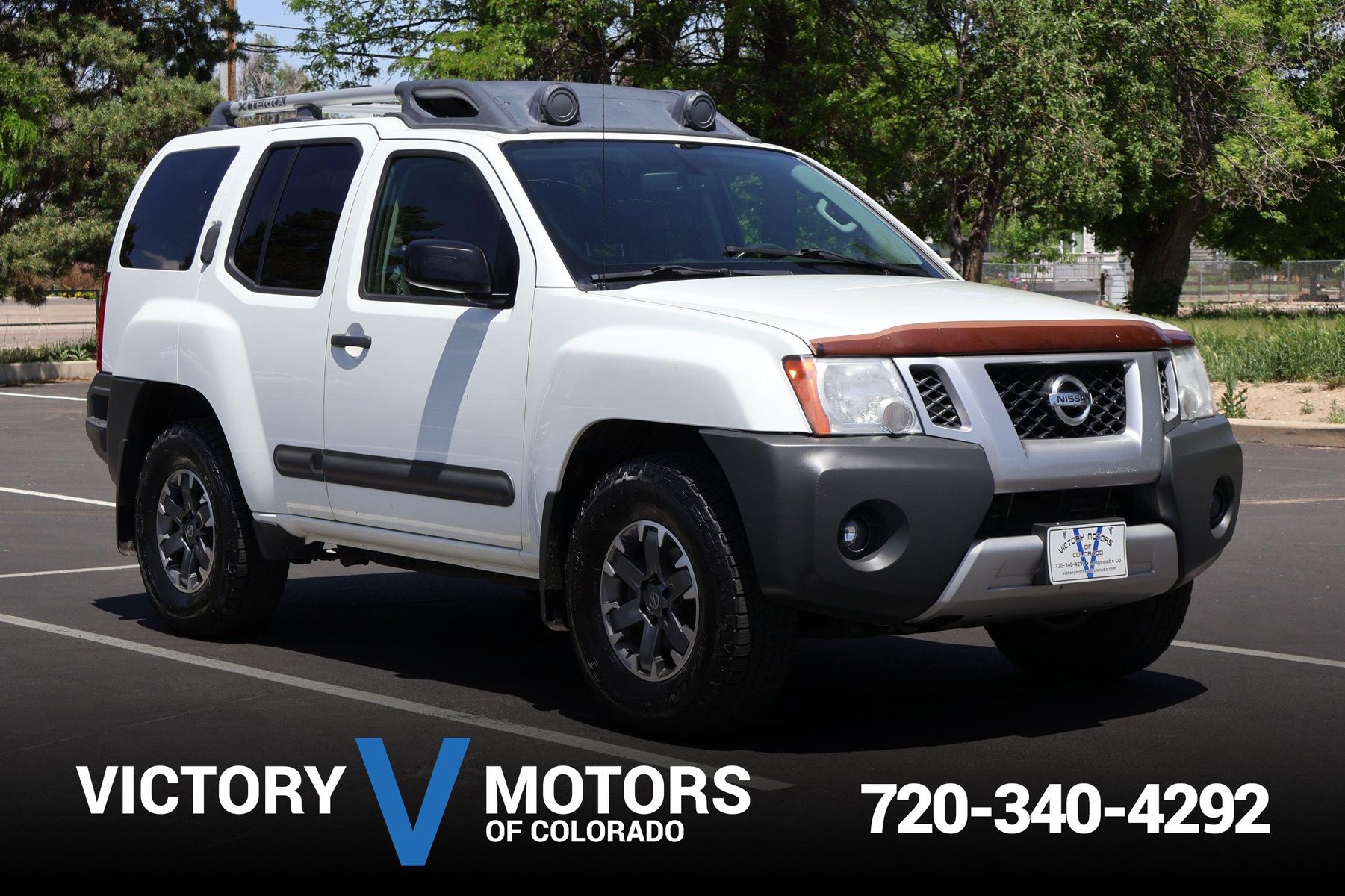
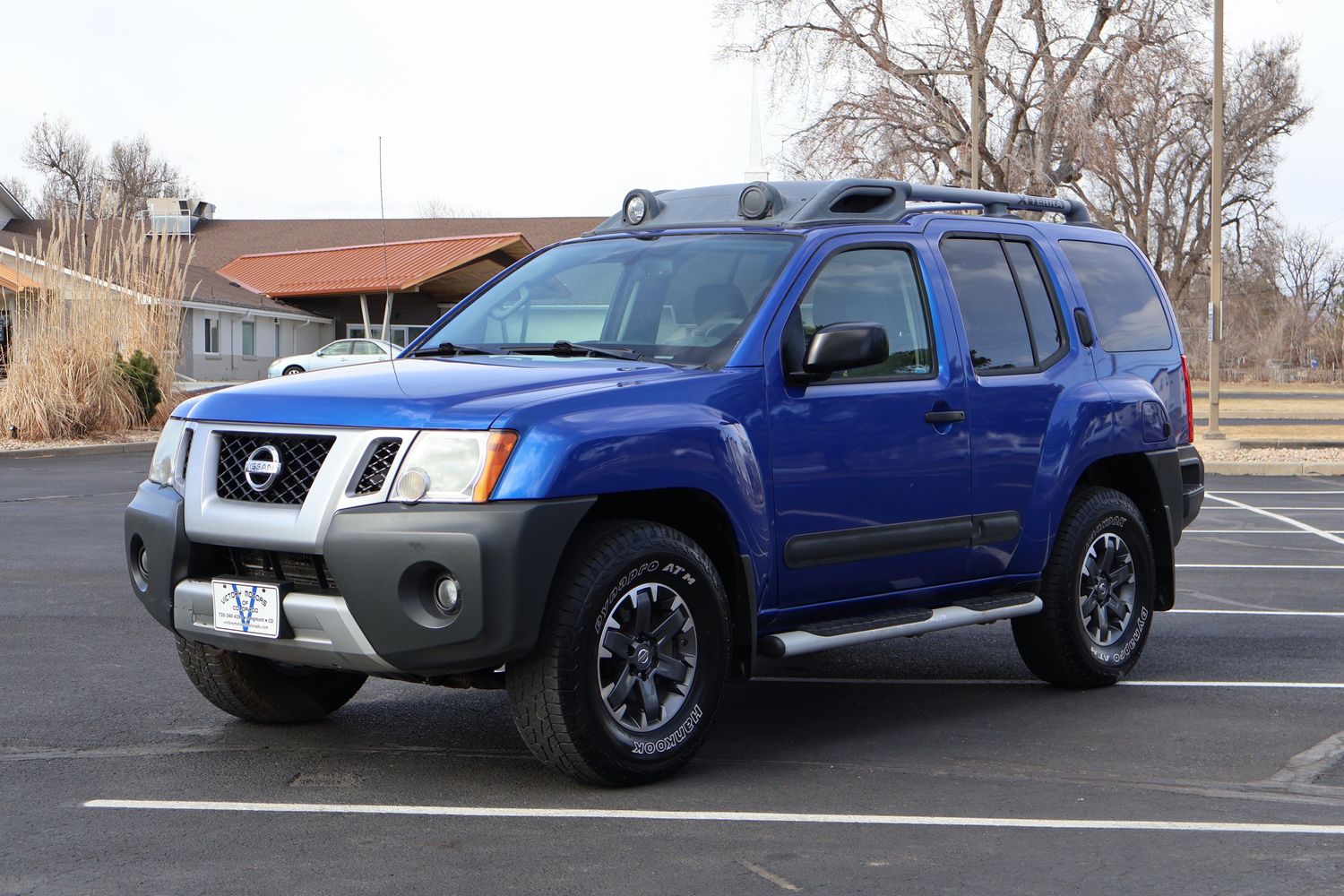
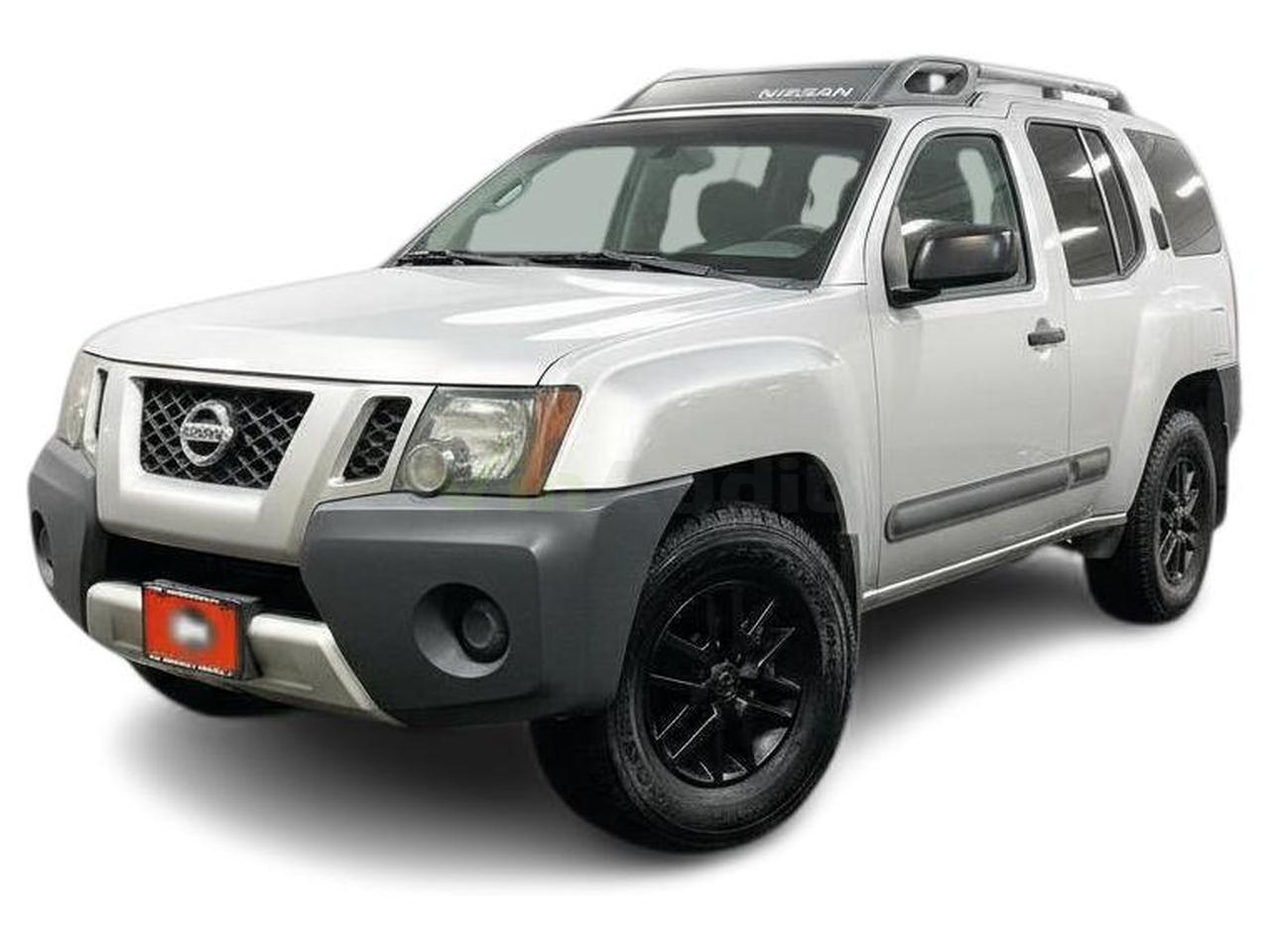
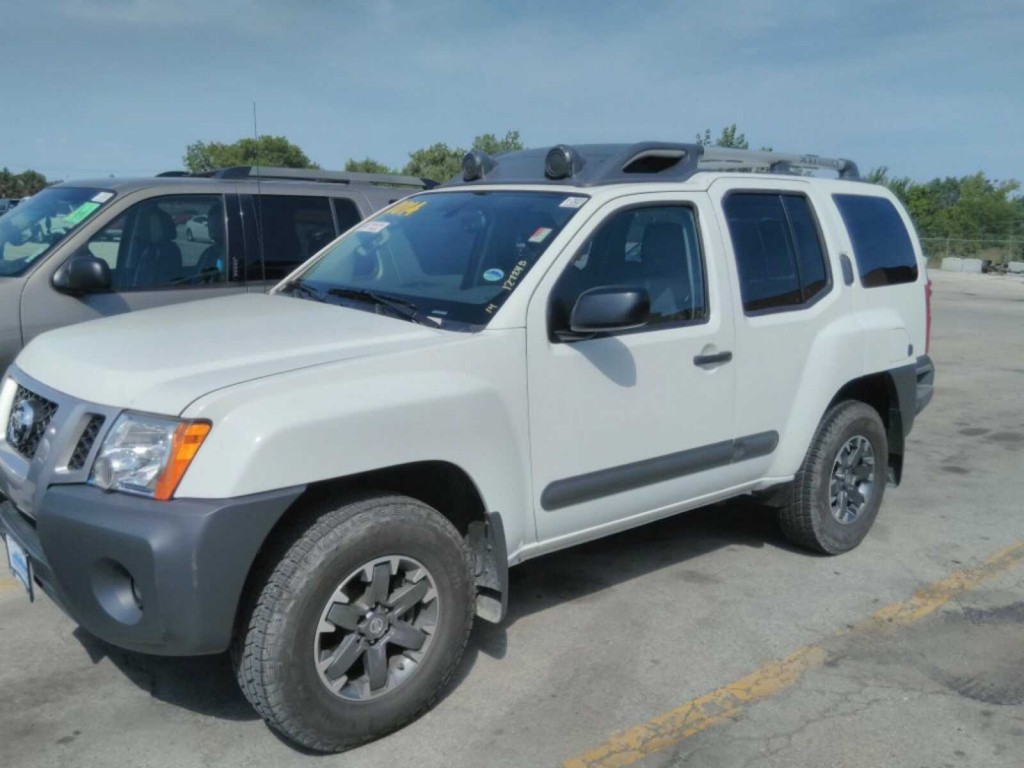
The 2014 Nissan Xterra PRO-4X is a body-on-frame, truck-based SUV built for rugged off-road performance, featuring a standard electronic locking rear differential, Bilstein off-road shocks, skid plates, and a potent 4.0-liter V6 engine matched to either a 6-speed manual or 5-speed automatic transmission.
Introduction to the 2014 Nissan Xterra PRO-4X
As the automotive landscape increasingly shifted toward unibody, car-based crossovers during the early 2010s, the Nissan Xterra remained a steadfast holdout for traditional truck-based SUV enthusiasts. By 2014, the Xterra was nearing the twilight of its production run, but it had reached a stage of mechanical maturity that made it highly appealing to outdoor hobbyists and off-road purists. At the pinnacle of this lineup sat the PRO-4X trim, a dedicated off-road variant equipped from the factory with heavy-duty hardware designed to tackle punishing trails without requiring immediate aftermarket modifications.
Disambiguating the Xterra lineup from standard crossovers is essential. Unlike the Nissan Rogue or Pathfinder of the same era, the Xterra utilizes a rugged F-Alpha platform shared with the Nissan Frontier midsize pickup truck. This foundation gives the Xterra a box-section ladder frame, a heavy-duty suspension architecture, and genuine truck capabilities. For buyers looking at the pre-owned market, understanding what sets the 2014 model year apart—specifically within the PRO-4X trim—helps clarify its enduring popularity, inherent limitations, and long-term maintenance realities.
Powertrain and Mechanical Specifications
Under the hood of the 2014 Nissan Xterra PRO-4X lies a robust 4.0-liter VQ40DE V6 engine. This powerplant is naturally aspirated and utilizes dual overhead cams with continuous valve timing control. It produces a healthy 261 horsepower at 5,600 rpm and 281 lb-ft of torque at 4,000 rpm. This torque curve is tuned specifically for low-end grunt, making it well-suited for crawling over rocks, pulling through deep mud, and maintaining momentum on steep inclines.
Buyers of the 2014 model had two transmission choices depending on their driving preferences:
- 6-Speed Manual Transmission: Increasingly rare in modern SUVs, this transmission appeals to driving purists who prefer direct control over engine speeds, particularly during technical off-roading or towing maneuvers.
- 5-Speed Automatic Transmission: A conventional torque-converter automatic that delivers smooth shifts on the highway while remaining durable under heavy loads.
Power is sent to a part-time four-wheel-drive system featuring a shift-on-the-fly transfer case with low-range gearing (2.625:1 ratio). The PRO-4X designation elevates this system significantly through factory-installed off-road enhancements that distinguish it from the base X and mid-tier S trims.
Off-Road Hardware and Performance Capabilities
The core appeal of the PRO-4X trim lies in its specialized off-road equipment. Nissan did not merely add cosmetic decals and call it an off-road package; the PRO-4X received serious mechanical upgrades intended to protect the vehicle and maximize traction on loose or uneven surfaces.
| Component | PRO-4X Specification |
|---|---|
| Suspension | 46mm Bilstein high-pressure off-road performance shocks |
| Rear Axle Differential | Electronic locking rear differential |
| Skid Plate Coverage | Fuel tank, oil pan, and transfer case |
| Wheels & Tires | 16-inch unique alloy wheels with BFGoodrich Rugged Trail T/A tires |
| Hill Descent Control / Start Assist | Standard (Automatic transmission models only) |
The electronic locking rear differential is arguably the most valuable asset for technical off-roading. When engaged via a dashboard switch, it locks the left and right rear wheels together, forcing them to spin at the same speed regardless of traction differences. This prevents a single airborne or slipping wheel from robbing the vehicle of forward momentum.
Furthermore, the vehicle’s approach (33.2 degrees), departure (29.4 degrees), and breakover (20.7 degrees) angles, combined with 9.5 inches of ground clearance, allow the Xterra PRO-4X to navigate deeply rutted trails and clear large obstacles without scraping vital chassis components. The factory steel and aluminum skid plates absorb heavy impacts, protecting the vulnerable underbelly from rocks and stumps.
Interior Design, Cargo Utility, and Ergonomics
Inside, the 2014 Nissan Xterra PRO-4X prioritizes utility and durability over luxury. The cabin is dominated by hard-wearing plastics, easy-to-clean surfaces, and tactile control knobs designed to be operated easily while wearing gloves.
Seating surfaces feature unique PRO-4X embroidered cloth upholstery with white stitching. While comfortable for long road trips, the seats are built to withstand moisture, dirt, and mud. The rear cargo area is where the Xterra truly shines for outdoor enthusiasts:
- Utili-Track Cargo System: Adjustable channel tracks on the floor and sides of the cargo area equipped with four sliding, movable cleats to secure gear of various shapes and sizes.
- Built-In Cargo Area Lighting: High-position overhead lighting illuminates the back of the vehicle for loading and unloading in the dark.
- Washable Cargo Floor: The rear cargo floor and the backs of the rear seats are covered in a durable, easy-to-wipe plastic material rather than standard carpeting, preventing mud and sand from becoming permanently embedded.
- Roof Rack with Gear Basket: An integrated roof-mounted gear basket with a built-in air dam provides exterior storage for bulky items, recovery gear, or wet equipment that owners prefer to keep outside the cabin.
For infotainment and technology, the 2014 model includes Nissan’s Rockford Fosgate audio system featuring nine speakers, Bluetooth hands-free phone connectivity, satellite radio capability, and a 5.8-inch color display screen with navigation and rearview camera integration. While modest by modern standards, the system provides essential connectivity without overwhelming the driver with complex touchscreens.
Fuel Economy and On-Road Driving Dynamics
Operating a traditional truck-based SUV inevitably involves compromises in fuel efficiency and highway refinement. The 2014 Nissan Xterra PRO-4X is shaped like a brick, sits high off the ground, and weighs approximately 4,600 pounds.
EPA fuel economy estimates for the 4-wheel-drive model hover around 15 mpg in the city and 20 mpg on the highway for the manual transmission, while the automatic variant drops slightly to 15 city / 20 highway (though real-world mixed driving often averages closer to 16–17 mpg). Premium fuel is recommended by some owners for optimal performance, though regular unleaded is officially accepted by the manufacturer.
On paved roads, the stiff Bilstein suspension and chunky all-terrain tires result in a firm, truck-like ride. Crosswinds affect the tall profile at highway speeds, and steering feedback is weighted heavily, requiring active driver input. However, visibility is exceptional due to the boxy greenhouse and upright seating position, making tight parking maneuvers manageable despite the vehicle's rugged proportions.
Common Issues, Reliability, and Maintenance Considerations
The 2014 Nissan Xterra is widely regarded as one of the most reliable years for the second-generation platform (2005–2015). By 2014, Nissan had successfully resolved two major historical issues that plagued earlier models:
- Strawberry Milkshake of Death (SMOD): Caused by coolant leaking into the transmission fluid through a failing internal radiator fitting. This issue was entirely resolved in late 2010 models and later, meaning the 2014 model year is safe from this specific failure.
- Timing Chain Guide Wear: Early second-generation VQ40DE engines suffered from premature wear on secondary timing chain guides. Updated guide materials and redesigned tensioners implemented in the factory well before 2014 make this failure extremely rare in the final model years.
Nevertheless, prospective owners and current maintainers should remain vigilant regarding standard wear items and age-related maintenance:
- Suspension Bushings and Ball Joints: The heavy-duty front control arms and suspension bushings take a beating during off-road use and may require replacement after 100,000 miles.
- Catalytic Converters: Like many Nissans of this era, the integrated catalytic converters can degrade over time, triggering check-engine codes related to exhaust efficiency.
- Electrical Grounding: Corrosion on primary chassis grounding points can occasionally cause erratic sensor readings or dashboard warning lights in high-moisture environments.
Frequently Asked Questions
What is the difference between the 2014 Nissan Xterra S and PRO-4X?
While the base S trim offers four-wheel drive, the PRO-4X is a dedicated off-road package. It adds Bilstein off-road shocks, an electronic locking rear differential, skid plates, 16-inch unique alloy wheels with all-terrain tires, roof-mounted off-road lights, unique cloth seating with white stitching, and integrated navigation.
Does the 2014 Nissan Xterra PRO-4X have third-row seating?
No. The Xterra is strictly a two-row, five-passenger SUV. Nissan prioritized cargo capacity and rear legroom over adding a cramped third row, making the rear storage area exceptionally versatile for camping, gear hauling, and pets.
What is the towing capacity of the 2014 Nissan Xterra PRO-4X?
When properly equipped, the 2014 Xterra PRO-4X has a maximum towing capacity of 5,000 pounds. This is sufficient for pulling small utility trailers, pop-up campers, dirt bikes, or lightweight watercraft.
Is the 2014 Nissan Xterra PRO-4X a good daily driver?
It depends on individual commuting priorities. If you value a plush ride, luxury features, and high fuel economy, the Xterra may feel too rugged and utilitarian. However, if you enjoy a commanding view of the road, inclement weather capability, and a vehicle that can double as a weekend adventure rig, it serves as a reliable daily driver.
How does the Xterra PRO-4X compare to a Jeep Wrangler of the same year?
While the Jeep Wrangler offers a solid front axle and removable top/doors for pure rock crawling and open-air driving, the Xterra PRO-4X provides a more comfortable highway ride, a fully enclosed and secure cargo area, superior V6 passing power, and generally lower long-term maintenance costs for daily commuting.
Final Recommendation
The 2014 Nissan Xterra PRO-4X represents the apex of analog, uncompromised Japanese SUV engineering. Free from the mechanical vulnerabilities of earlier model years, it offers a compelling blend of everyday utility and genuine off-road capability. For buyers seeking a dependable adventure vehicle that requires no immediate modifications to hit the trails, prioritizing a well-maintained 2014 PRO-4X remains an intelligent and rewarding automotive investment.