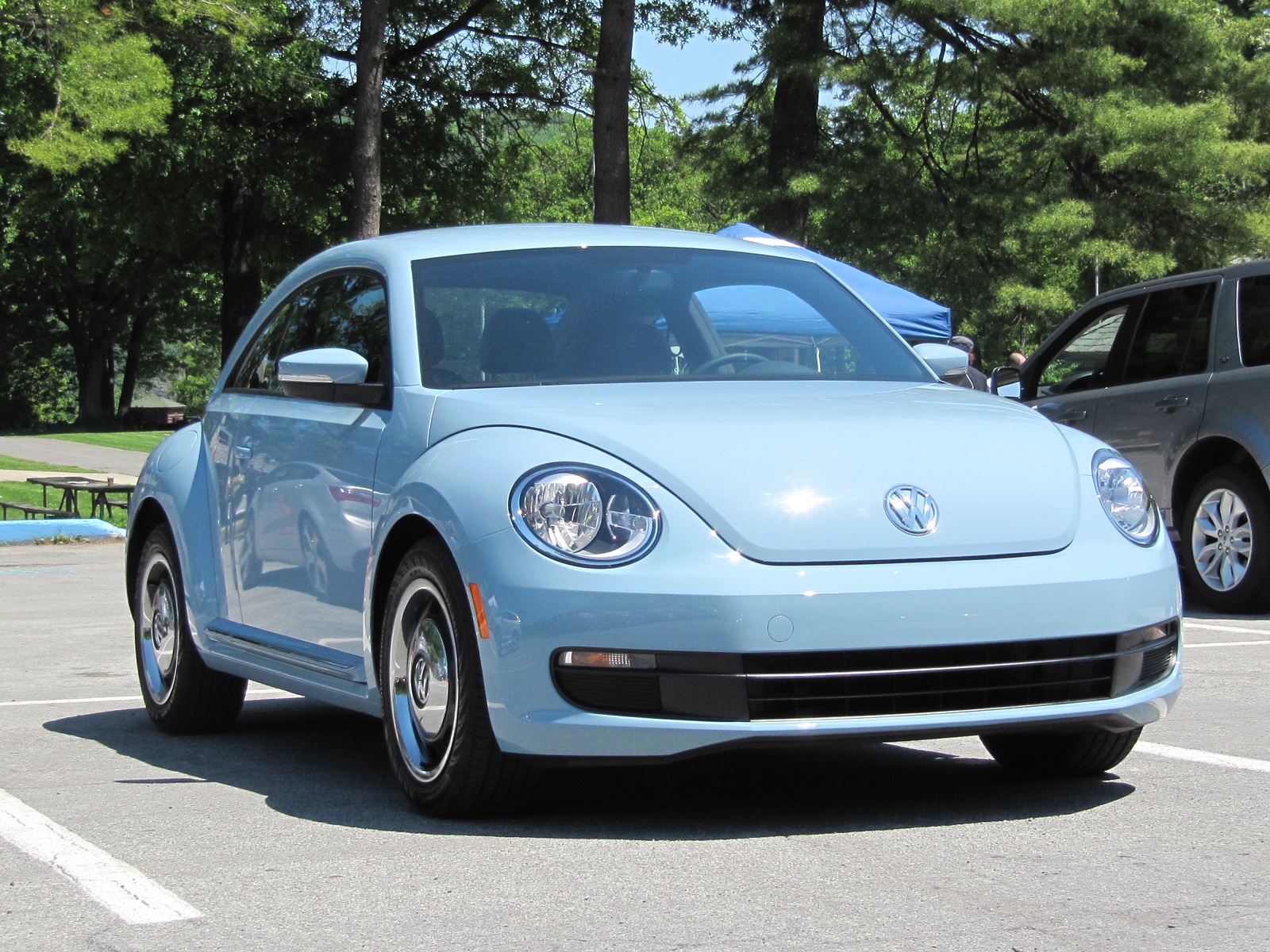
The 2010 Volkswagen Beetle delivers an EPA-estimated fuel economy of 20 mpg in city driving and 28 mpg on the highway, with a combined average of 23 mpg. These figures apply to the standard 2.5-liter five-cylinder engine paired with the six-speed automatic transmission. While these numbers reflect standardized testing conditions, actual mileage varies based on driving habits, vehicle maintenance, and environmental factors.
Understanding the 2010 VW Beetle Powertrain
The 2010 model year represented a mature stage for the "New Beetle" platform. Under the hood, Volkswagen utilized a 2.5-liter inline five-cylinder engine that produced 150 horsepower and 170 pound-feet of torque. This engine configuration is the primary driver of the vehicle's fuel consumption profile. Unlike modern turbocharged direct-injection engines, this naturally aspirated power plant relies on a more traditional fuel delivery system, which influences both its power delivery and its thirst for fuel.
The standard transmission for the 2010 Beetle was a six-speed Tiptronic automatic. This transmission was designed to balance smooth shifts with efficiency, though by 2026 standards, it lacks the advanced fuel-saving features—such as cylinder deactivation or aggressive start-stop systems—found in contemporary vehicles. When analyzing the gas mileage, it is essential to recognize that this drivetrain was engineered for durability and character over maximum fuel economy.
EPA Estimates vs. Real-World Driving
The Environmental Protection Agency (EPA) establishes fuel economy ratings through rigorous laboratory testing on a dynamometer. These tests simulate various driving cycles, including urban stop-and-go traffic and high-speed highway cruising. For the 2010 VW Beetle, the 20/28/23 mpg rating provides a baseline for comparison.
However, "real-world" mileage often differs from these stickers due to several variables:
- Driving Style: Aggressive acceleration and heavy braking consume significantly more fuel than steady-state driving. The five-cylinder engine requires more pedal input to reach highway speeds quickly, which can drop mileage below the 20 mpg city rating.
- Topographic Conditions: Driving in hilly or mountainous terrain forces the transmission to downshift more frequently to maintain speed, increasing engine load and fuel consumption.
- Vehicle Load: The 2010 Beetle has a specific curb weight; carrying excess cargo or passengers increases the work the engine must perform, leading to a direct decrease in fuel efficiency.
- Climate and Idle Time: Operating the air conditioning compressor puts a parasitic load on the engine. Additionally, if the vehicle is frequently left idling in traffic or during cold starts, fuel consumption rises without adding any distance to the trip.
Technical Factors Influencing Fuel Efficiency
Several maintenance and mechanical aspects directly impact how close your 2010 Beetle comes to its original EPA estimates. Even in 2026, where the youngest units are sixteen years old, keeping the vehicle in peak condition remains the best way to optimize mileage.
Ignition and Air Intake Systems
The 2.5-liter engine relies on a clean intake system to operate efficiently. A clogged air filter restricts airflow, forcing the engine to work harder and enriching the air-fuel mixture, which burns more gasoline. Furthermore, the spark plugs in this engine are critical for combustion efficiency. If the spark plugs are worn or carbon-fouled, the engine may suffer from incomplete combustion, wasting fuel and potentially causing a misfire that drastically drops fuel economy.
Tire Rolling Resistance and Pressure
Tires are the only point of contact between the vehicle and the road. If the tires are under-inflated, the rolling resistance increases, requiring more energy to rotate the wheels. Maintaining the manufacturer-recommended tire pressure—typically listed on the sticker inside the driver’s side door jamb—is one of the most effective, low-cost ways to maintain fuel efficiency. In colder 2026 climates, remember that tire pressure drops naturally, necessitating more frequent checks.
Fluid Viscosity and Engine Health
The 2.5-liter engine is sensitive to oil viscosity. Using the manufacturer-recommended synthetic oil helps reduce internal friction. Over time, components like the Mass Air Flow (MAF) sensor can become dirty, providing incorrect data to the Engine Control Module (ECM) regarding how much fuel to inject. Replacing or cleaning the MAF sensor can often restore fuel economy to its intended factory levels.
Comparative Fuel Efficiency Analysis
To provide context for the 2010 Beetle’s efficiency, it is useful to compare it against other vehicles from its era and general segment.
| Vehicle Model (2010) | City MPG | Highway MPG | Combined MPG |
|---|---|---|---|
| VW Beetle 2.5L | 20 | 28 | 23 |
| Honda Civic 1.8L | 25 | 36 | 29 |
| Toyota Corolla 1.8L | 26 | 34 | 29 |
| Mini Cooper 1.6L | 28 | 37 | 32 |
The data shows that while the 2010 Beetle was not the most fuel-efficient compact car of its time, it offered a different driving experience. The five-cylinder engine provided a distinct, more powerful feel compared to the smaller, high-efficiency four-cylinder engines found in competing Japanese or British hatchbacks of that era.
Practical Steps to Maximize Mileage
If you own or operate a 2010 Volkswagen Beetle, you can take specific actions to ensure you are getting the most out of every gallon of gasoline.
- Monitor Your Driving Habits: Use a "coasting" technique when approaching red lights rather than braking at the last second. This preserves kinetic energy and reduces the need for the engine to work to get the car back up to speed.
- Regular Maintenance Schedule: Follow the factory-recommended maintenance interval for oil changes and fuel filter replacements. A well-lubricated engine with a clean fuel path is inherently more efficient.
- Minimize Drag: Remove roof racks or heavy accessories when they are not in use. The aerodynamic profile of the 2010 Beetle is relatively smooth, but external cargo carriers significantly increase drag at highway speeds, which can lower fuel economy by 2 to 5 mpg.
- Use Quality Fuel: The engine is tuned for regular unleaded, but ensuring the fuel is free of contaminants is important. Avoid "topping off" the tank after the pump nozzle clicks, as this can damage the vapor recovery system, which is designed to manage fuel emissions.
Common Troubleshooting for Poor Fuel Economy
If you notice a sudden drop in fuel efficiency, it is often a sign that the car needs attention. Below are the most frequent causes for high fuel consumption in the 2010 Beetle:
- Oxygen Sensor Failure: The oxygen (O2) sensor monitors exhaust gases. If it fails or becomes sluggish, the computer defaults to a "rich" fuel mixture, which consumes significantly more gas than necessary.
- Stuck Brake Caliper: A common issue in older vehicles is a brake caliper that does not fully retract. This causes the brake pad to drag against the rotor, creating resistance that the engine must overcome, plummeting fuel mileage.
- Coolant Temperature Sensor: If the coolant sensor tells the computer the engine is colder than it actually is, the car will run in "open loop" mode, which uses more fuel to keep the engine warm.
- Vacuum Leaks: Small leaks in the rubber vacuum lines around the engine bay can disrupt the air-fuel ratio, forcing the computer to compensate by dumping more fuel into the cylinders.
The Role of Aging Components in 2026
As the 2010 Volkswagen Beetle enters its mid-teens, the definition of "normal" fuel mileage must account for wear and tear. Even if all systems are functioning properly, aging catalytic converters may have reduced flow capacity, and carbon buildup on intake valves—common in engines of this vintage—can impede airflow. Owners should not necessarily expect the same efficiency they experienced when the car was brand new, though keeping the engine properly tuned will mitigate these losses.
When assessing the cost-effectiveness of repairs, consider that the money spent on fixing a vacuum leak or replacing an oxygen sensor will often pay for itself within a few thousand miles through improved fuel economy.
Frequently Asked Questions
Does the 2010 VW Beetle require premium fuel to improve mileage? No. The 2.5-liter engine was designed to run on regular unleaded gasoline. Using premium fuel will not improve the car's fuel economy or performance, as the engine's compression ratio is not high enough to take advantage of the higher octane rating.
Does the convertible model get worse gas mileage than the hardtop? Yes, slightly. The 2010 Beetle convertible is heavier due to the power-operated top mechanism and the additional structural reinforcement required to compensate for the lack of a fixed roof. This additional weight usually results in a decrease of 1 to 2 mpg compared to the coupe.
How does city driving specifically affect the 2.5L engine? The 2.5-liter five-cylinder engine has a unique firing order and higher displacement than typical economy four-cylinders. In stop-and-go city traffic, the engine works harder to move the vehicle's weight from a standstill, which is the primary reason the city mpg rating is lower (20 mpg) compared to the highway rating.
What is the best way to verify my actual fuel economy? The most accurate method is the "full-to-full" calculation. When you fuel up, reset your trip odometer to zero. Drive as you normally would. On your next fill-up, divide the miles driven by the number of gallons added to the tank. Do this over three or four tanks to get a reliable average.
Are there any performance chips that increase fuel economy? While some aftermarket tuners claim to increase mileage, they often do so by altering ignition timing, which may require higher-octane fuel or put unnecessary stress on an older engine. For a 2010 Beetle, maintaining stock parameters is generally the most reliable way to preserve engine longevity and fuel efficiency.
Final Recommendation for Owners
To maximize the fuel efficiency of your 2010 VW Beetle, prioritize the "basics." In 2026, the most effective way to ensure optimal mileage is to conduct a thorough inspection of the vehicle's "breathing" components: the air filter, the MAF sensor, and the vacuum hoses. If your mileage is significantly below 20 mpg in the city, schedule a diagnostic scan to check for "pending" engine codes—these often reveal failing sensors long before the Check Engine light illuminates on the dashboard. Maintaining proper tire pressure and keeping the engine free of excessive weight remain your best day-to-day strategies for controlling fuel costs.