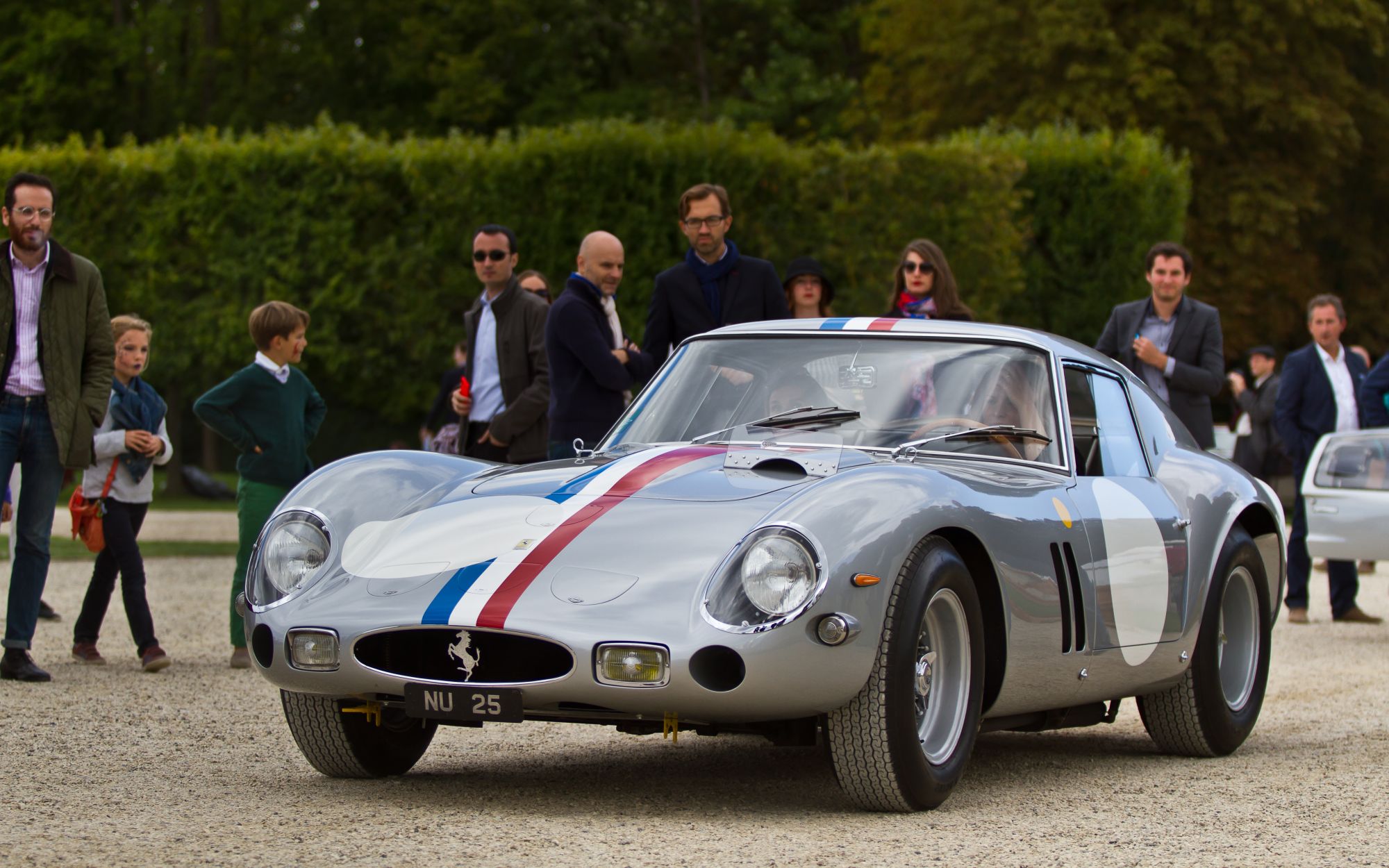
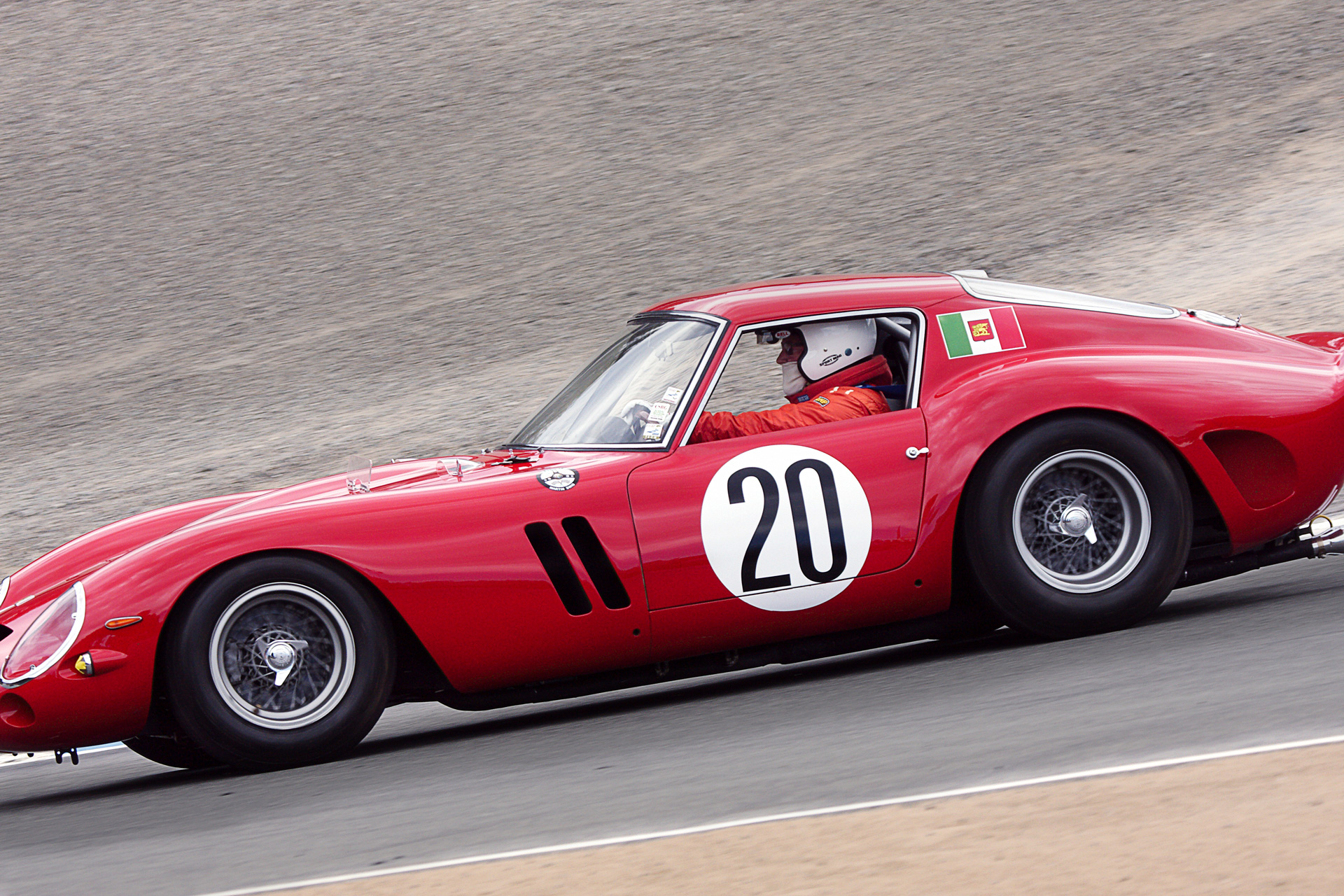
The 1963 Ferrari GTO evolved from a high-stakes engineering prototype developed by Giotto Bizzarrini and Mauro Forghieri into a legendary motorsport icon, dominating international GT racing, pioneering aerodynamic dry-sump engineering, and ultimately becoming one of the most valuable collector automobiles in automotive history.
Introduction: The Crucible of Competition
Automotive history is replete with machines that achieved greatness, but few carry the mythical stature of the Ferrari 250 GTO. While the production run spanned from 1962 to 1964, the year 1963 marked a critical turning point for the platform. It was during this period that the GTO transitioned from an experimental racing prototype designed to secure homologation into a refined, dominant force on international circuits.
To understand the 1963 Ferrari GTO, one must look beyond its status as a multi-million-dollar investment asset. At its core, the GTO was a ruthless, uncompromising weapon built by Scuderia Ferrari to counter a growing threat from the Shelby Cobra and Jaguar E-Type in the FIA International Championship for GT Manufacturers. The evolution from early prototypes to the refined 1963 specification represents a masterclass in aerodynamic development, chassis tuning, and high-output internal combustion engineering.
The Genesis: Prototypes and the Bizzarrini Era
The origins of the GTO trace back to late 1960 and 1961, when Enzo Ferrari realized that his dominant 250 GT Berlinetta "SWB" (Short Wheelbase) was reaching the limits of its potential against newer, purpose-built mid-engine racers and sophisticated rear-engine challengers. Led by chief engineer Giotto Bizzarrini, a covert engineering project was initiated to create a more aerodynamic, faster iteration of the front-engine V12 formula.
Bizzarrini’s team started with a standard 250 GT SWB chassis, designated internally as 539TF. They lowered the engine mounting position, pushed the legendary Colombo V12 further back into the chassis to optimize weight distribution, and fitted a dry-sump lubrication system. This mechanical layout allowed the engine to sit lower in the frame, drastically dropping the center of gravity and eliminating oil starvation issues during high-speed cornering.
However, internal political turmoil at Maranello in late 1961—known colloquially as the "Palace Coup," which saw the departure of Bizzarrini, Carlo Chiti, and team manager Romolo Tavoni—threatened to derail the project. Enzo Ferrari quickly promoted a young Mauro Forghieri to oversee engineering alongside veteran body panel artisan Sergio Scaglietti. Forghieri and Scaglietti took Bizzarrini’s foundational prototype and refined the coachwork in a wind tunnel, culminating in the distinct fastback silhouette that defined the production GTO.
Technical Specifications and Engineering Evolution
The 1963 Ferrari GTO introduced subtle yet profound mechanical and aerodynamic enhancements over the initial 1962 batch. While both iterations relied on the Tipo 168/62 3.0-liter (2,953 cc) Colombo V12 engine, the 1963 specification featured optimized compression ratios, aggressive camshaft profiles, and a bank of six Weber 38 DCN carburetors.
The power output of the 1963 GTO reached approximately 300 horsepower at 7,500 rpm, channeled through a newly developed 5-speed all-synchromesh manual gearbox. This replaced the older 4-speed unit found in the SWB and early GTOs, giving drivers closer ratios to keep the V12 operating within its optimal power band on technical circuits like the Nürburgring and Le Mans.
Chassis and Suspension Architecture
The chassis of the 1963 Ferrari GTO was a multi-tubular steel space frame, expertly welded to provide high torsional rigidity while keeping vehicle weight remarkably low—tipping the scales at approximately 880 kilograms (1,940 pounds) dry.
| Component | 1962 Early GTO Specification | 1963 Refined GTO Specification |
|---|---|---|
| Engine | 3.0L Colombo V12 (Tipo 168) | 3.0L Colombo V12 (Revised cams/carburetion) |
| Power Output | ~296 hp @ 7,500 rpm | ~300 hp @ 7,500 rpm |
| Transmission | 4-speed manual syncro gearbox | 5-speed all-synchromesh manual gearbox |
| Bodywork | Hand-hammered aluminum (Series I) | Revised aerodynamics, stiffer chassis mounting |
| Front Suspension | Independent double wishbone, coil springs | Independent double wishbone, upgraded anti-roll bar |
Suspension duties were handled by independent double wishbones with coil springs and telescopic dampers at the front, while the rear utilized a classic live axle located by semi-elliptic leaf springs and a Watt’s linkage. The inclusion of the Watt’s linkage was vital; it prevented lateral axle movement under heavy cornering loads, giving drivers predictable, neutral handling characteristics at the limit.
Aerodynamic Breakthroughs: The 1963 Series II Bodywork
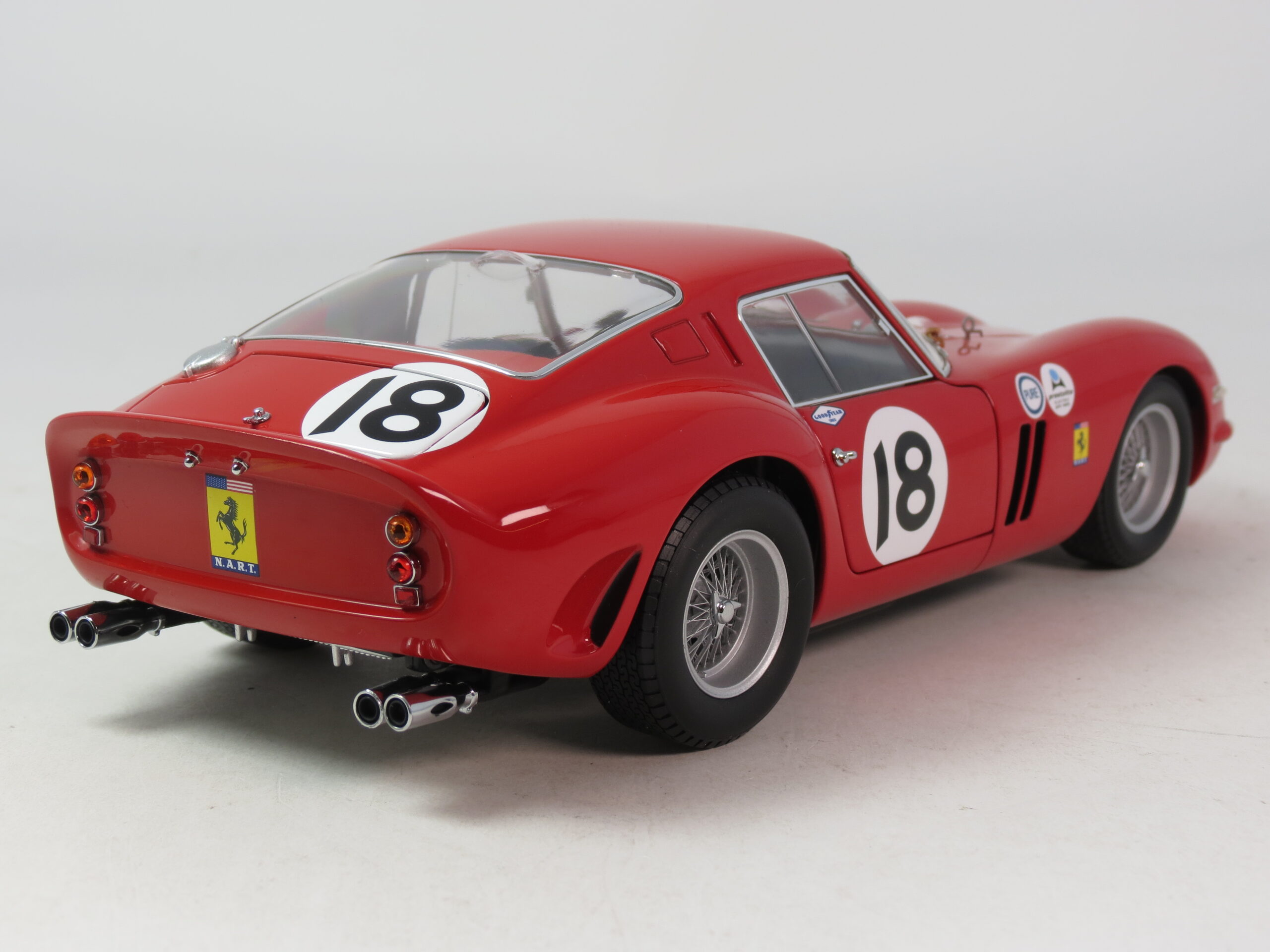
Perhaps the most visible evolution of the 1963 Ferrari GTO involved its aerodynamics. Early 1962 cars featured a long, sloping nose and an integrated spoiler lip molded directly into the tail. By 1963, racing regulations and high-speed stability requirements at circuits like the Mulsanne Straight at Le Mans demanded further optimization.
While some 1963 chassis received the traditional Series I "long-nose" bodywork, others were clothed in newly designed coachwork that anticipated the wider, more aggressive stance of the 1964 Series II GTO (often referred to as the "Tipo 64"). These revisions included a wider track, slightly more generous wheel arches to accommodate wider Dunlop racing tires, and a distinct, detachable rear spoiler that allowed teams to adjust downforce depending on the circuit layout.
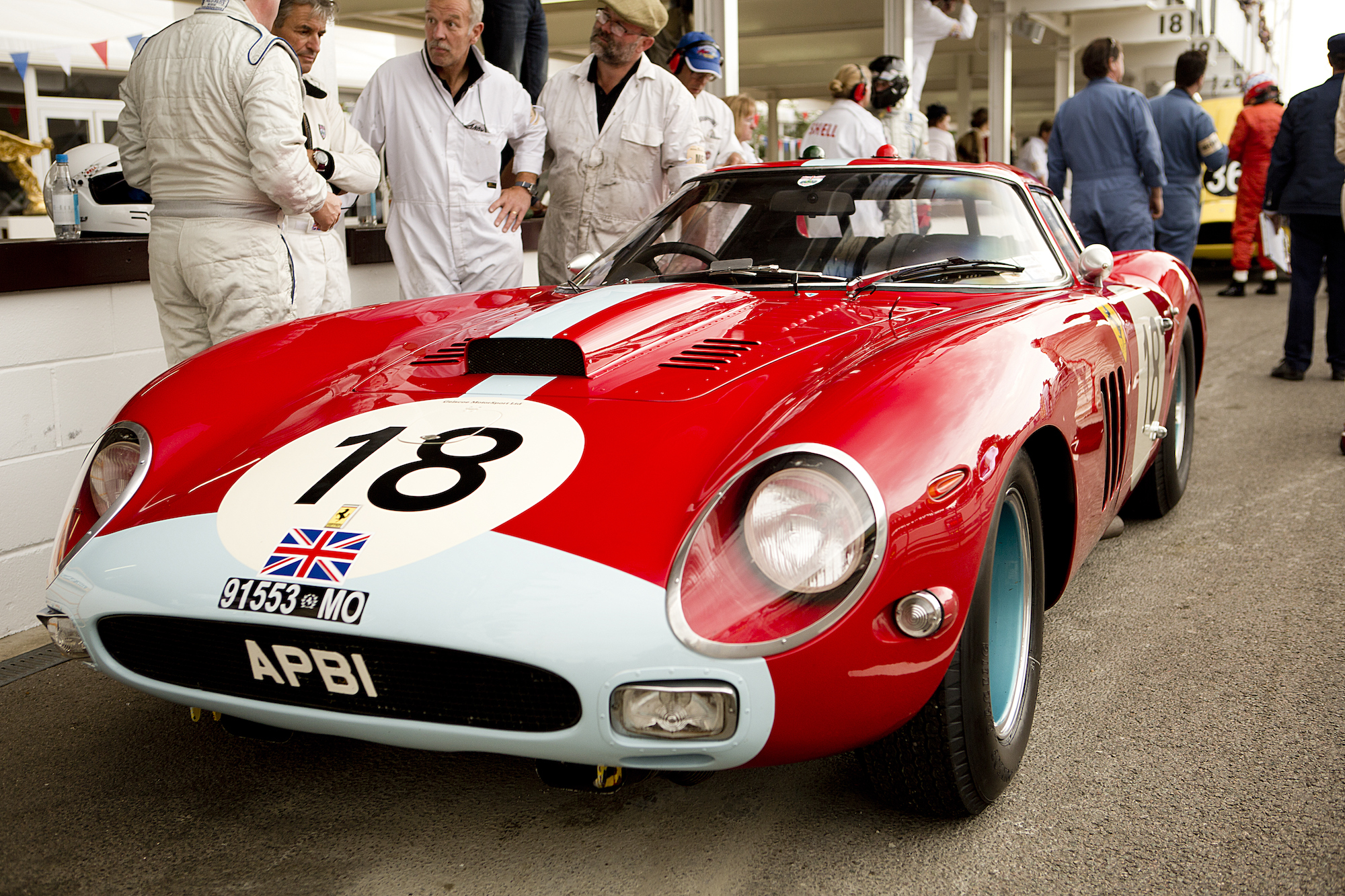
Furthermore, ventilation was a primary focus. The three distinctive "d-shaped" cooling scoops on the nose of the 1963 cars featured movable metal plates (often called "bread boxes" by mechanics), allowing drivers to regulate airflow through the radiator depending on ambient temperatures and race length. Brake cooling ducts were similarly optimized, feeding cooling air directly to the massive four-wheel Dunlop disc brakes, which were a crucial upgrade over the older drum brakes used on previous Ferrari GT racers.
Racing Dominance and Homologation Tactics
To compete in the FIA Group 3 Grand Touring category, manufacturers were required to build a minimum of 100 examples. Ferrari famously circumvented this rule through a combination of bureaucratic maneuvering and creative accounting. When FIA inspectors arrived at Maranello, Enzo Ferrari would shuffle existing cars between different workshops, present incomplete chassis, and occasionally park road cars alongside racing prototypes to convince officials that production quotas were being met. Ultimately, only 36 Series I and II GTOs were ever built, making the car an exclusivity benchmark from the day it left the factory.
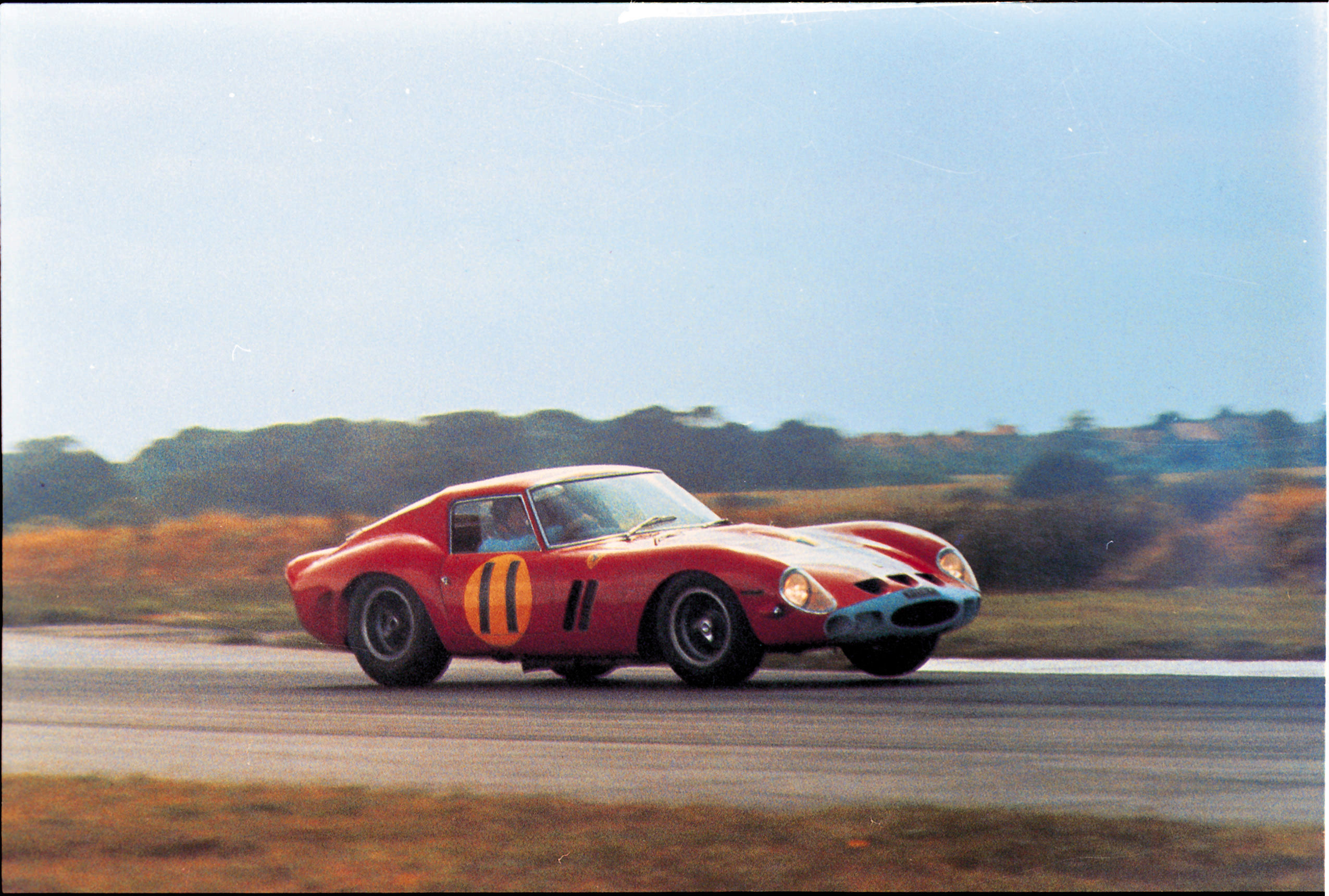
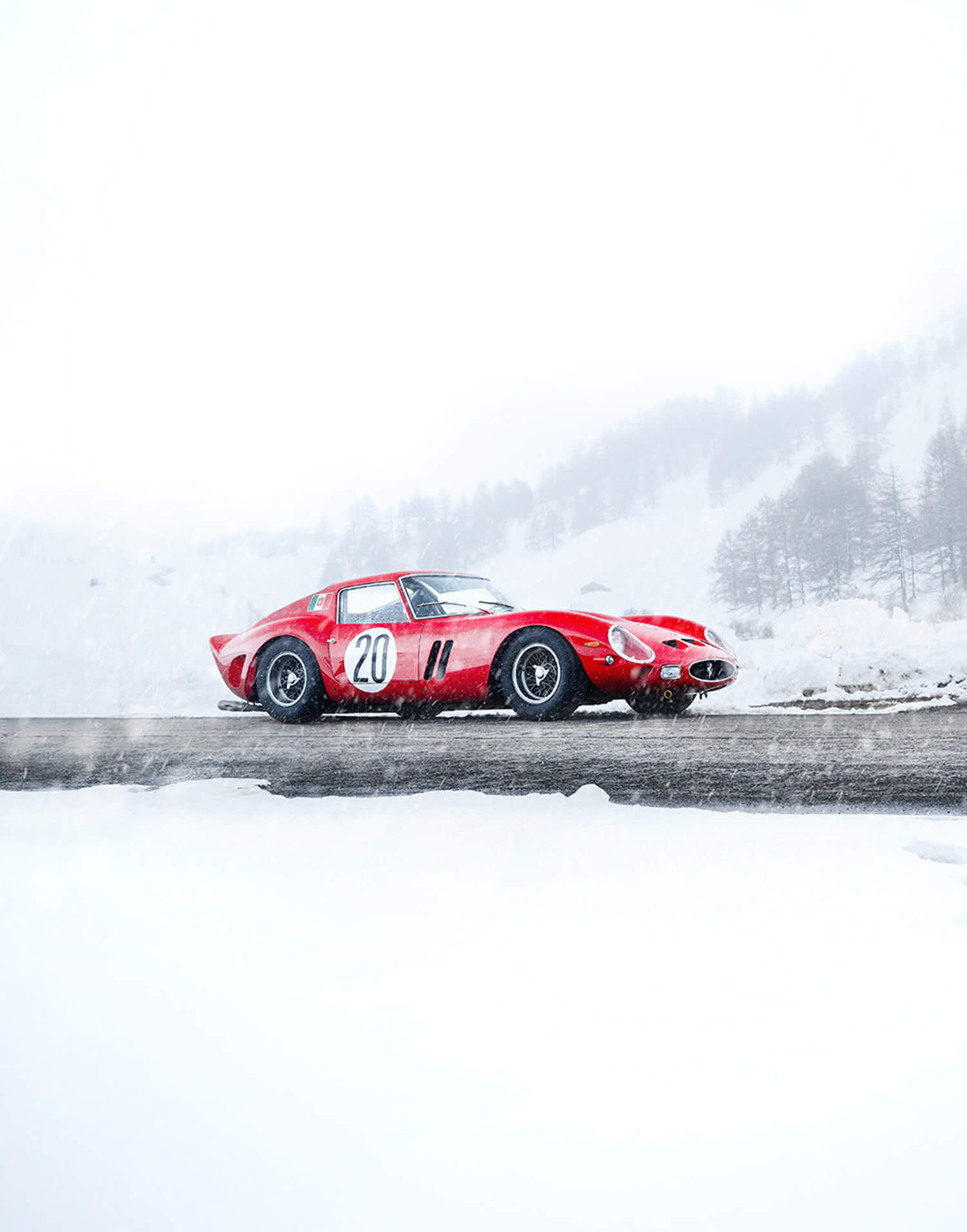
On the track, the 1963 Ferrari GTO proved nearly unstoppable. Driven by legends such as Graham Hill, Jean Guichet, Mike Parkes, and John Surtees, the GTO secured victory after victory.
- 1963 24 Hours of Le Mans: Finished 2nd overall and 1st in the GT 3.0 category, driven by Jean Guichet and Pierre Noblet.
- Tour de France Automobile: Secured dominant class and overall victories, proving its durability over grueling multi-day road and track courses.
- Targa Florio: Claimed class wins against lighter, purpose-built sports-prototypes, demonstrating the sheer flexibility of the front-engine V12 platform.
These victories earned Ferrari the International Championship for GT Manufacturers in 1962, 1963, and 1964, cementing the GTO's status as the definitive racing GT of its era.
From Retired Racer to Automotive Icon
As motorsport regulations shifted toward mid-engine prototypes like the Ferrari 250 LM and Ford GT40, the front-engine GTO became obsolete as a top-tier factory racer by the mid-1960s. Sold off to privateers, club racers, and enthusiasts for modest sums, many GTOs lived hard lives on regional hillclimbs and club circuits, suffering modifications, crashes, and engine swaps.
It wasn't until the late 1970s and 1980s that collectors and historians recognized the GTO not merely as an old race car, but as the absolute pinnacle of front-engine Ferrari engineering. As values began to climb, survivors were meticulously restored to their period-correct racing specifications. Today, authenticated examples of the 1963 Ferrari GTO reside in some of the most prestigious automotive collections and museums in the world, regularly trading at private-party auctions for tens of millions of dollars.
Frequently Asked Questions
Why is the car named "GTO"?
GTO stands for Gran Turismo Omologata, Italian for "Grand Touring Homologated." The designation indicated that the vehicle was built and certified to comply with international motorsport homologation rules for production-based GT racing.
How many 1963 Ferrari GTOs were built?
Ferrari built a total of 36 standard 250 GTOs across its production lifespan from 1962 to 1964, alongside a small number of later Series II variants and special-bodied cars. Exact production tallies for specifically completed 1963-spec chassis are tightly monitored by marque historians like Marcel Massini.
What engine powers the 1963 Ferrari GTO?
The car is powered by a 3.0-liter (2,953 cc) naturally aspirated Colombo 60-degree V12 engine, equipped with dry-sump lubrication and six twin-choke Weber carburetors, producing approximately 300 horsepower.
Are all 1963 Ferrari GTOs identical?
No. Because each GTO was hand-built by Scaglietti, no two cars are entirely identical. Minor variations exist in cooling duct placement, instrument layouts, window configurations, and aerodynamic body panels, as cars were continuously updated by the factory and private racing teams.
Conclusion and Preservation Next Steps
The journey of the 1963 Ferrari GTO from an experimental engineering prototype to an undisputed motorsport legend reflects a golden era of automotive development. For contemporary historians, collectors, and vintage racers, studying the GTO requires consulting factory archives, verifying chassis numbers against period race records, and maintaining strict provenance tracking. Preserving these rare machines ensures that the engineering brilliance of Bizzarrini, Forghieri, and Enzo Ferrari remains accessible to future generations of automotive enthusiasts.