As 1923 moves toward the climax of its sophomore run, season two episode seven delivers a pivotal narrative turning point that consolidates scattered storylines, raises the stakes for the Dutton family ranch, and tests the endurance of its central characters against the harsh realities of the Montana frontier and the Great Depression.
Introduction to the Scope of Season Two Episode Seven
Television prequels within the expanding Taylor Sheridan universe carry a distinct weight. They must bridge the historical gap between the foundational struggles established in 1883 and the modern corporate empire depicted in Yellowstone. Within this framework, episode seven of 1923’s second season operates as a masterclass in convergence. Multiple plotlines—ranging from the legal and financial warfare waged against Jacob and Cara Dutton to Teela and Spencer Dutton’s perilous, continent-spanning journey back to Montana—begin to snap together with severe momentum.
Reviewing an episode of this scale requires examining not only the narrative beats and dramatic reveals, but also the thematic consistency, historical framing, and character development. As the narrative tightens, the episode forces its characters to make irrevocable choices regarding survival, vengeance, and legacy. This comprehensive review examines the structural components of the episode, breaks down major character arcs, evaluates the pacing and cinematic craft, and analyzes how it sets up the final conflicts of the season.
Narrative Architecture and Structural Pacing
The structural layout of episode seven relies heavily on parallel editing to build tension across disparate geographical locations. While the first act anchors the audience firmly in the bitter cold and legal isolation of Montana, subsequent sequences cut sharply to the maritime and railway perils faced by Spencer and Alexandra.
This juxtaposition serves a dual narrative purpose. First, it accentuates the theme of isolation; whether trapped on a storm-tossed vessel or hemmed in by corrupt mining magnates in the American West, every character is cornered. Second, it creates a rhythm of escalating dread. Just as a confrontation on the Yellowstone ranch reaches a boiling point, the narrative shifts to external threats closing in from across the globe, reminding the viewer that the forces working against the Duttons are both local and systemic.
The Montana Front: Legal and Physical Sieges
In Montana, the shadow of Banner Creighton and Donald Whitfield looms larger than ever. Episode seven does away with subtle maneuvering, replacing boardroom politics with overt economic strangulation and physical intimidation.
- The Property Tax Trap: The financial mechanics introduced in earlier episodes manifest here as an immediate existential threat. The debt trap engineered by Whitfield forces Jacob Dutton into a corner where traditional ranching pride clashes with cold mathematical reality.
- Escalation of Violence: The localized skirmishes transition into organized threats. The episode avoids cartoonish villainy, instead framing Whitfield as an embodiment of industrialized capitalism encroaching upon traditional agrarian life—a central thematic pillar of the broader Yellowstone franchise.
The Journey Home: Spencer and Alexandra's Odyssey
For viewers tracking the globetrotting adventures of Spencer Dutton, episode seven offers significant emotional and plot progression. The physical distance separating Spencer from his family has defined his arc throughout season two. In this episode, the barriers—bureaucratic, nautical, and interpersonal—reach a critical threshold.
The episode handles this journey with a distinct cinematic palette, utilizing vast ocean expanses to contrast with the claustrophobic, snow-swept valleys of Montana. The emotional resonance of Spencer's quest is heightened by the realization that time is running out. Every delay in transit translates directly to a missed opportunity to defend the ranch or protect vulnerable family members.
Character Arcs and Performances
The strength of 1923 has consistently rested on the gravitas of its lead performances, and episode seven provides a showcase for its principal cast.
Jacob and Cara Dutton: Stoicism Under Fire
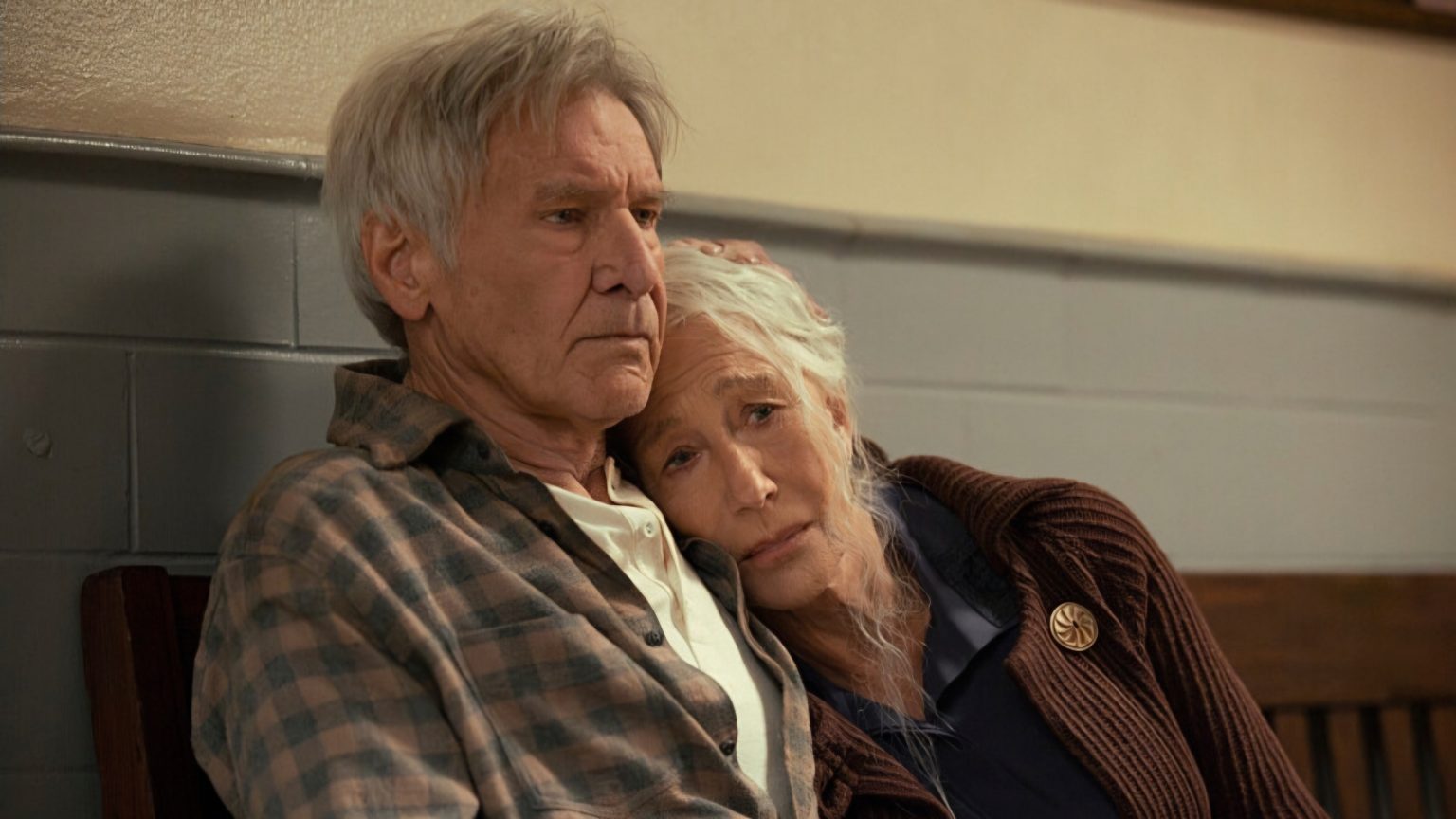
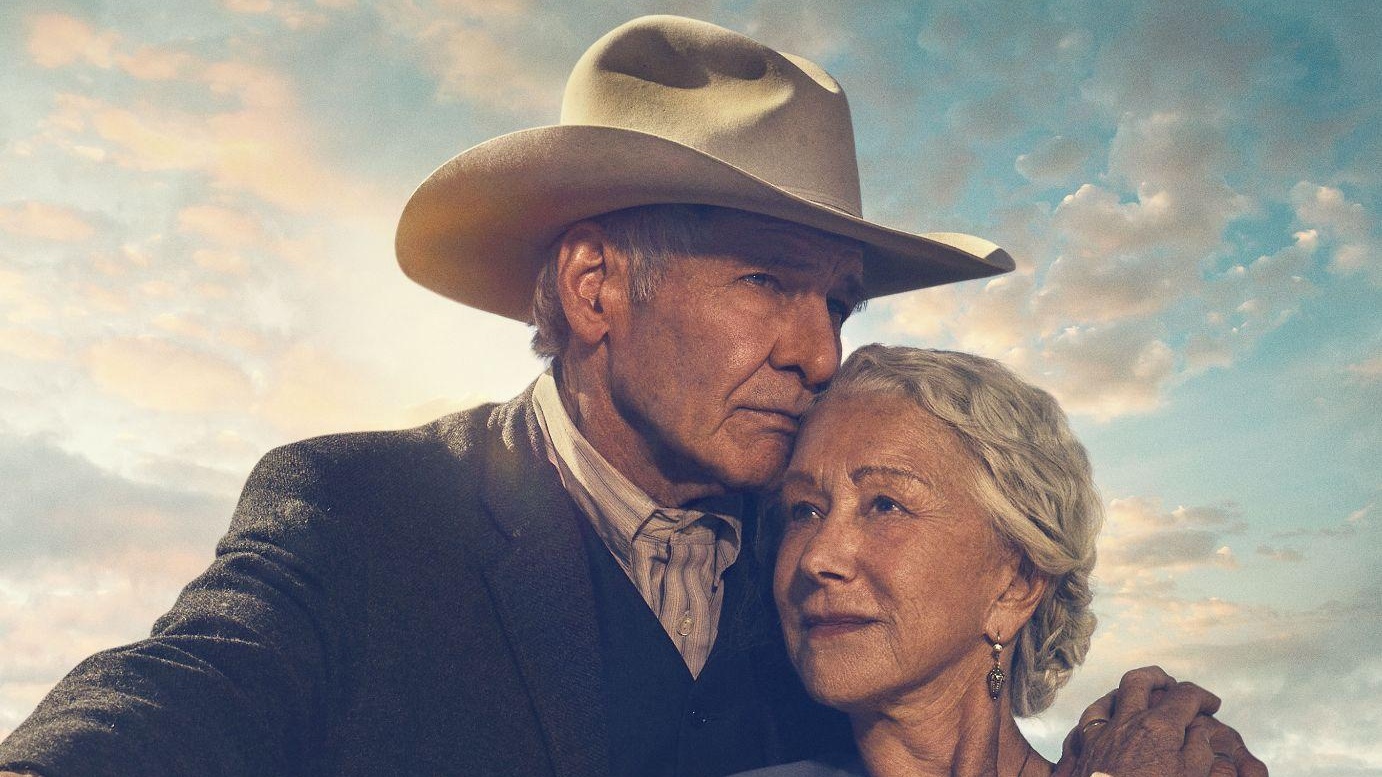
Harrison Ford’s portrayal of Jacob Dutton in this episode captures the weary defiance of a man watching his life's work dismantled by forces he cannot punch, shoot, or out-wrastle. Ford portrays Jacob not as an invincible cowboy, but as an aging patriarch whose physical limitations are beginning to match the external pressures crushing the ranch.
Helen Mirren’s Cara remains the emotional anchor and strategic brain of the household. In episode seven, Cara’s letters and quiet resolve highlight the psychological toll exacted on the women of the frontier. Mirren’s performance balances fierce protection of her family with a profound, unspoken sorrow regarding the erosion of their way of life.
Supporting Figures and Adversaries
The supporting ensemble receives crucial breathing room in this episode:
- Banner Creighton (Jerome Flynn): Flynn continues to inject a volatile, wounded pride into Banner, ensuring he remains a complex antagonist rather than a simple cutout.
- Donald Whitfield (Timothy Dalton): Dalton plays Whitfield with a chilling, patrician calm. His menace lies in his polite demeanor while executing financial ruin.
- Teela and Indigenous Subplots: The parallel narrative focusing on the abuses within the residential school system and the struggle for cultural survival runs parallel to the Duttons' land struggle, providing necessary historical context to the era.
Cinematic Craft, Directing, and Production Design
From a technical standpoint, episode seven maintains the cinematic standards expected of prestige television. The cinematography utilizes natural lighting to emphasize the unforgiving nature of the Montana winter. Desaturated color grading, biting blue tones, and expansive wide shots dwarf the human characters, reinforcing the theme of man versus a hostile environment.
Sound Design and Musical Score
Brian Tyler’s musical score plays a subtle yet vital role in driving episode seven forward. Rather than relying on constant, bombastic themes, the score uses sparse cello lines and melancholic acoustic guitar motifs during dialogue-heavy scenes, swelling only during transitions between plotlines. The sound design—ranging from the howling wind across the plains to the rhythmic creaking of ship timbers—immerses the viewer in the sensory details of the 1923 setting.
Comparative Overview of Major Plot Threads
To understand how episode seven advances the overall narrative arc of season two, it is helpful to examine the primary storylines side by side, noting their current status, immediate obstacles, and thematic weight.
| Plotline / Character Group | Primary Objective | Current Obstacle in Episode Seven | Thematic Significance |
|---|---|---|---|
| Jacob & Cara Dutton | Save the Yellowstone ranch from foreclosure and violence. | Whitfield’s financial chokehold and impending legal seizure. | The clash between agrarian tradition and industrial capitalism. |
| Spencer & Alexandra | Return to Montana to reinforce the family. | Travel delays, maritime laws, and geopolitical barriers. | The cost of distance and the urgency of familial duty. |
| Teela & Native Subplot | Survive institutional abuse and preserve heritage. | Systemic oppression and violent enforcement of assimilation. | Historical trauma and the true cost of western expansion. |
| Banner & Whitfield | Oust the Duttons and consolidate regional land control. | Managing Jacob's stubborn defiance and public optics. | The ruthless consolidation of wealth in the 1920s. |
Strengths and Weaknesses of the Episode
Every television review must weigh narrative execution against structural flaws. Episode seven presents a compelling viewing experience, but it is not without distinct pacing challenges.
Strengths
- High Emotional Stakes: The convergence of financial ruin and physical danger makes the threats feel immediate and consequential.
- Exceptional Acting: Ford, Mirren, and Dalton deliver commanding performances that elevate standard western tropes into compelling drama.
- Thematic Consistency: The episode maintains a laser-focus on the end of an era, effectively tying historical depression-era realities to personal family conflict.
Weaknesses
- Pacing Discrepancies: Shifting rapidly between sweeping oceanic travel and localized ranch disputes occasionally fractures the narrative momentum.
- Secondary Character Compression: With so many plot threads converging, some supporting characters receive limited screen time, leaving certain subplots feeling rushed in favor of the main Dutton conflict.
Frequently Asked Questions
Where does episode seven fit within the overall timeline of 1923 season two?
Episode seven serves as the penultimate or late-stage setup episode of the second season. It acts as a bridge, resolving minor conflicts while concentrating forces for the ultimate confrontation between the Duttons and Donald Whitfield before the season finale.
Is historical accuracy maintained in the depiction of the 1920s economic pressures?
Yes, the show accurately reflects the agricultural depression that hit American farmers and ranchers nearly a decade before the broader 1929 stock market crash, driven by post-World War I overproduction and falling commodity prices.
Do Spencer and Alexandra finally reach Montana in this episode?
While their journey sees significant geographical and narrative progress, the episode focuses heavily on the logistical hurdles and emotional tension of transit rather than an immediate reunion, keeping the suspense high.
What makes Donald Whitfield a unique antagonist compared to previous Yellowstone villains?
Unlike raw, physical antagonists like Banner Creighton, Whitfield fights with institutional tools—tax liens, deeds, courts, and economic monopolies—reflecting how the American West was won and lost through legal paperwork and capital as much as gunfire.
Final Recommendation and Next Actions
For viewers tracking the sweeping saga of the Dutton family, 1923 season two episode seven is an essential watch that rewards long-term investment in the characters and historical setting. While its pacing occasionally stretches across its dual storylines, the emotional payoffs, stellar performances, and mounting stakes make it a crucial stepping stone toward the season finale. Ensure you catch up on preceding episodes to fully grasp the legal and financial traps closing in around the ranch before diving into this installment.