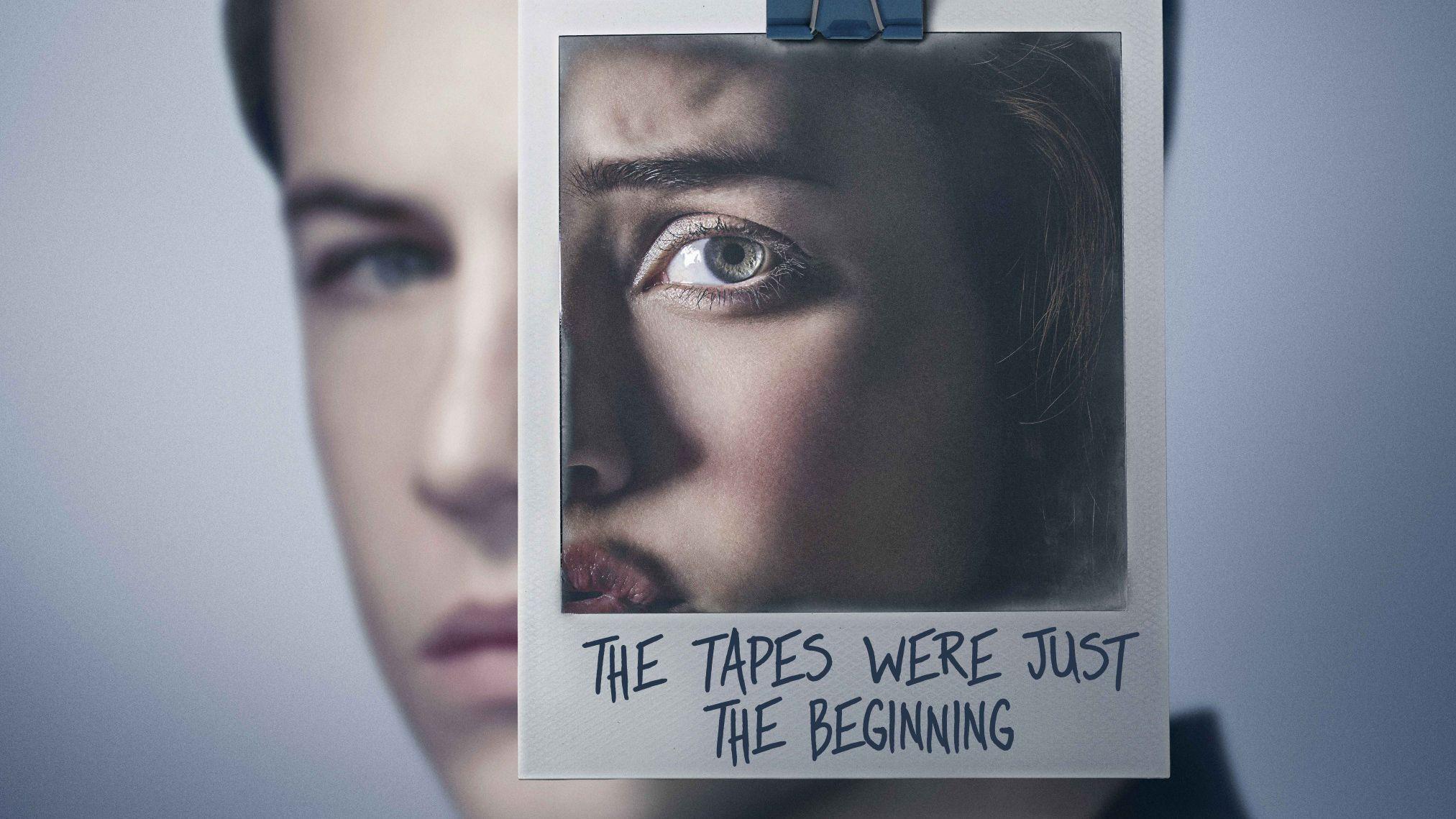
Olivia Baker, portrayed by actress Kate Walsh, serves as the emotional and moral compass for the "survivors" in the Netflix original series 13 Reasons Why. As the mother of Hannah Baker, her character arc transitions from a state of profound, localized grief to a public crusade for institutional accountability, making her one of the most complex parental figures in modern television drama.
In the narrative of 13 Reasons Why, Olivia Baker represents the devastating reality of those left behind after a suicide. Her journey is defined by a relentless search for the "truth" behind her daughter’s decision, a quest that eventually leads her to challenge the systemic failures of Liberty High School. Unlike the original novel by Jay Asher, where the parents remain relatively in the background, the television adaptation elevates Olivia to a central protagonist, providing a harrowing look at maternal guilt, the legal complexities of school liability, and the long-term process of healing.
The Character Profile of Olivia Baker
Olivia Baker is introduced as a hardworking small-business owner who, along with her husband Andy Baker, runs a local pharmacy. Her character is initially defined by her close, though increasingly strained, relationship with Hannah. In the lead-up to the tragedy, Olivia is depicted as a mother who is present but ultimately unaware of the depth of her daughter's suffering—a recurring theme that fuels much of her later guilt.
The pharmacy serves as a physical representation of the Baker family’s stability. When Hannah dies, the business becomes a secondary casualty of the tragedy, reflecting how grief permeates every aspect of a survivor’s life, including their financial and professional security. Olivia’s character is noted for her intelligence and intuition; she is often the first to sense that the school's official narrative regarding Hannah's death is incomplete.
Season 1: The Anatomy of Immediate Grief
In the first season, set in the immediate aftermath of Hannah’s death, Olivia Baker is consumed by the "Why?" Her narrative thread is a detective story born of desperation. While the protagonist Clay Jensen listens to the tapes, Olivia is performing her own investigation, scouring Hannah’s room for clues, notes, or any indication of what went wrong.
One of the most pivotal moments for her character is the discovery of the "Reasons Why Not" list and other fragments of Hannah’s writings. These breadcrumbs lead her to believe that Hannah was bullied and that the school environment was toxic. Her grief is not passive; it is an active, searching force. This season highlights the "blame-shifting" phase of grief, where Olivia fluctuates between blaming herself, her husband, and the students Hannah left behind.
The Legal Battle: Olivia Baker vs. Liberty High
By the second season, Olivia Baker’s role shifts from a grieving mother to a legal plaintiff. She initiates a massive lawsuit against the Liberty High School District, alleging that the school failed to protect Hannah and ignored clear warning signs of her distress. This storyline was a significant expansion from the source material and allowed the show to explore the legal obligations of educational institutions.
The Trial and Its Impact
The trial serves as the skeleton of Season 2, with Olivia present in the courtroom for every testimony. Through this lens, the audience sees the characters from Season 1 (the subjects of the tapes) forced to speak under oath. For Olivia, the trial is a double-edged sword. While it provides the "truth" she sought, it also exposes painful secrets about Hannah that Olivia was unprepared for, further complicating her memory of her daughter.
Legal and Ethical Themes
The lawsuit raises critical questions about "Duty of Care." Olivia’s legal team argues that the school counselor, Kevin Porter, was negligent in his final meeting with Hannah. This narrative arc provides a stark look at the bureaucracy of school systems and the difficulty of proving institutional liability in cases of student mental health crises.
Analysis of Olivia Baker’s Character Evolution
To understand the trajectory of Hannah’s mother, it is helpful to look at her development across the major chapters of the series. The following table summarizes her evolution:
| Phase | Primary Motivation | Key Conflict | Outcome |
|---|---|---|---|
| Post-Tragedy (S1) | Discovery of the "Why" | Conflict with the School Board | Realization of widespread bullying |
| The Trial (S2) | Institutional Accountability | Character assassination of Hannah | Settlement and move to New York |
| Reflective Stage (S3) | Seeking Closure | Emotional exhaustion | Legacy of advocacy for Hannah |
The Performance of Kate Walsh
The success of the Olivia Baker character is largely attributed to the performance of Kate Walsh. Known for more clinical or comedic roles previously, Walsh delivered a raw, visceral portrayal of a woman unravelling. Critics frequently cited her performance as one of the strongest elements of the series, noting her ability to convey the physical toll of depression and mourning.
Walsh’s portrayal avoided the "perfect mother" trope. Instead, she showed Olivia as someone who could be angry, irrational, and laser-focused to the point of obsession. This grounded the character in reality, making her a relatable figure for parents who fear they may not truly know their children’s internal lives.
Thematic Depth: Maternal Guilt and the "Empty Chair"
A recurring theme in Olivia Baker’s arc is the concept of maternal guilt. The show explores the devastating thought process of a mother who wonders: How did I miss it? This is most poignantly depicted in scenes where Olivia sits in Hannah's room, surrounded by her belongings.
The series uses Olivia to represent the "empty chair" at the dinner table—the permanent void left by suicide. Her character arc suggests that while the "reasons why" may be discovered, they do not offer the relief or closure one might expect. Even after the trial ends and secrets are revealed, the fundamental loss remains. This nuance is critical to the show’s objective of deglamorizing the aftermath of the tragedy.
The Relationship with Andy Baker
The marriage between Olivia and Andy Baker serves as a study in how tragedy can either bond or break a couple. Initially presented as a united front, the pressure of the trial and the divergent ways they process grief eventually lead to their separation.
While Olivia becomes obsessed with the lawsuit and the tapes, Andy often tries to look forward or find solace in more traditional ways. This friction highlights a documented reality: marriages often struggle significantly following the loss of a child. By the time Olivia decides to move to New York City at the end of the second season, she is a woman who has lost her daughter, her business, and her marriage, yet she has gained a sense of hard-won autonomy and truth.
Cultural Impact and Parental Awareness
The character of "Hannah's Mom" became a focal point for discussions regarding parental intervention in the age of social media and cyberbullying. Educators and psychologists have used the character to discuss the importance of open communication and the "warning signs" that Olivia missed but later identified.
The show, through Olivia, emphasizes that bullying is often invisible to parents. Her character serves as a cautionary tale and a call to action for parents to be more proactive in engaging with their children's digital and social lives.
FAQ: Frequently Asked Questions about Olivia Baker
Does Hannah’s mom ever find out about the tapes?
Yes, Olivia Baker eventually learns about the tapes and listens to them. In Season 2, the existence of the tapes becomes a central part of the legal proceedings. Finding the tapes is both a source of answers for her and a source of immense pain, as she hears her daughter’s voice detailing the trauma she experienced.
Who plays Hannah Baker’s mother?
Olivia Baker is played by Kate Walsh. Walsh is widely recognized for her roles as Dr. Addison Montgomery on Grey's Anatomy and Private Practice, as well as her role in The Umbrella Academy. Her performance in 13 Reasons Why earned significant critical acclaim for its emotional depth.
What happens to Olivia Baker at the end of the series?
After the trial concludes in Season 2, Olivia decides that she cannot stay in Crestmont, as the town is too filled with painful memories. She closes the pharmacy and moves to New York City to pursue a fresh start. She makes a brief, poignant return in later episodes, providing a sense of closure to the students who were affected by Hannah’s life and death.
Did Hannah's mother win the lawsuit?
Technically, the jury in Season 2 finds that the school district was not legally liable for Hannah’s death. However, the trial succeeded in exposing the school's systemic failures and the behavior of several students. While she did not win a legal "victory" in terms of a verdict, the process allowed the truth to be documented publicly.
How does Olivia’s character differ from the book?
In Jay Asher’s original novel, Hannah’s parents are much more peripheral. The book focuses almost entirely on Clay’s perspective over the course of a single night. The TV series significantly expanded Olivia’s role to show the "parental perspective" and the long-term aftermath of a suicide, which was not a primary focus of the book.
Final Practical Takeaway
For those analyzing 13 Reasons Why or looking for deeper insight into Olivia Baker’s character, it is essential to view her through the lens of institutional advocacy. Her primary contribution to the narrative is the bridge she builds between the private tragedy of a family and the public responsibility of a community.
If you or someone you know is struggling with themes similar to those portrayed by the Baker family, it is vital to seek professional support. Organizations such as the American Foundation for Suicide Prevention (AFSP) and the National Suicide Prevention Lifeline offer resources for both those in crisis and the survivors of loss. Understanding the signs of distress—something Olivia Baker’s character desperately sought to do after the fact—is the most effective way to prevent future tragedies.