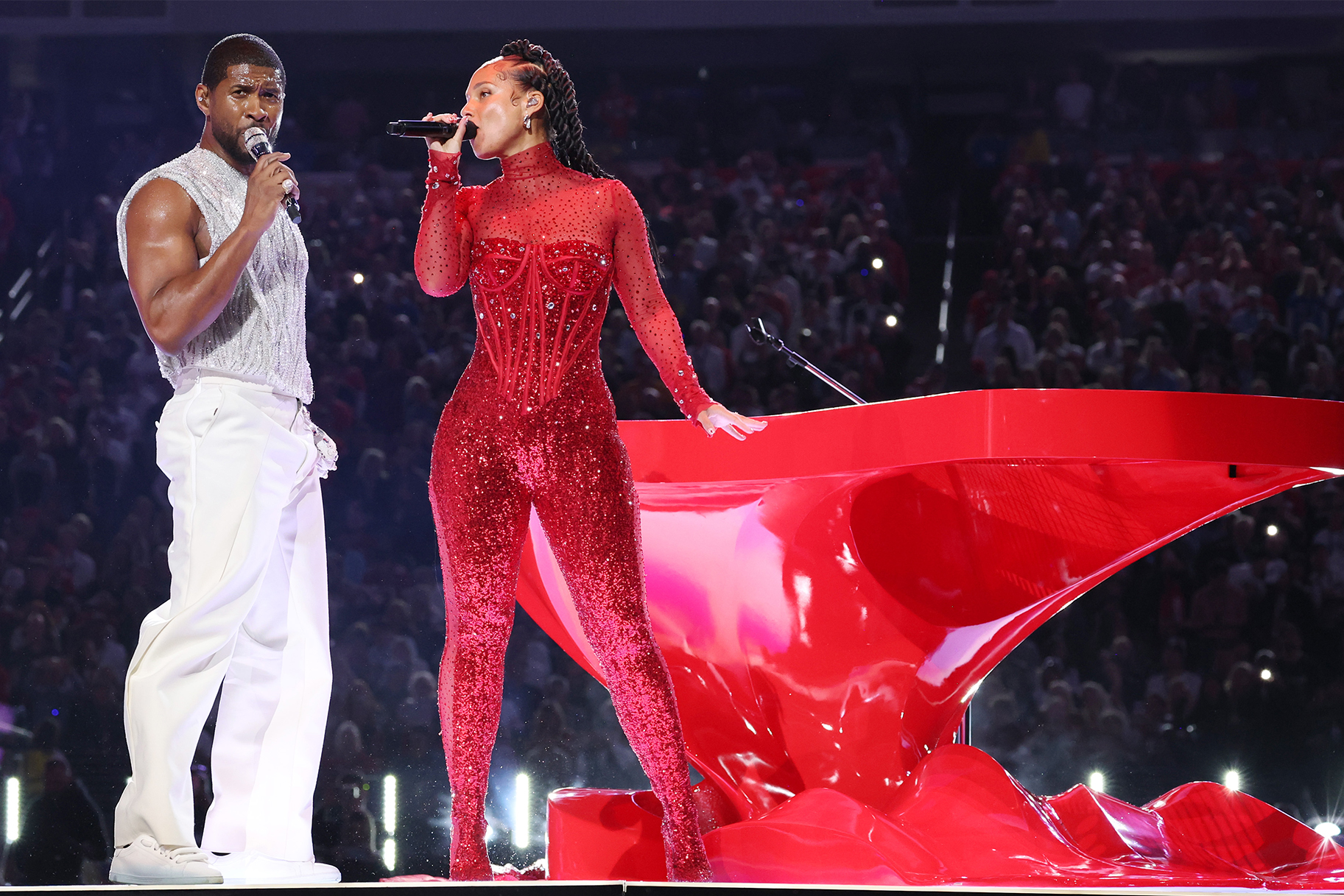
The 2024 Super Bowl halftime show featuring Usher, combined with the cultural phenomenon of Taylor Swift's attendance in support of Travis Kelce, created a historic broadcast milestone. This timeline tracks key moments, media discussions, and broadcast developments from the buildup to the conclusion of Super Bowl LVIII.
Introduction to Super Bowl LVIII and the Cultural Convergence
Super Bowl LVIII, held on February 11, 2024, at Allegiant Stadium in Paradise, Nevada, represented a unique collision of major sporting spectacle, high-profile musical performance, and global pop culture. While the Kansas City Face-Off against the San Francisco 49ers drove the athletic narrative, the presence of global superstar Taylor Swift—who flew in from her Eras Tour concert in Tokyo to watch tight end Travis Kelce—became an unprecedented secondary focal point. Concurrently, R&B icon Usher headlined the Apple Music Super Bowl LVIII Halftime Show, delivering a hit-laden retrospective of his career.
Understanding the intersection of these events requires examining the precise timeline of media coverage, broadcast framing, and cultural reactions. Observers, sports journalists, and pop culture analysts tracked how the National Football League (NFL), broadcast networks, and social media platforms handled the dual narratives of a historic halftime performance and a transformative celebrity attendance phenomenon.
Pre-Game Buildup and Travel Logistics Timeline
The narrative surrounding Taylor Swift’s potential appearance at Super Bowl LVIII began weeks before kickoff, driven by the intense public interest in her relationship with Travis Kelce.
The Tokyo Concert Factor
- February 7–10, 2024: Taylor Swift performed four consecutive nights of The Eras Tour at the Tokyo Dome in Japan.
- Logistical Analysis: Media outlets, aviation analysts, and fans collaborated on social media to track whether private jet logistics would allow Swift to cross the International Date Line, fly east across the Pacific Ocean, and arrive in Las Vegas in time for kickoff.
- The Embassy Statement: The Embassy of Japan in the United States released a humorous yet reassuring public statement confirming that despite a 12-hour time difference and a 9,000-mile flight, Swift would comfortably make the journey to Las Vegas following her Saturday night concert.
Arrival in Las Vegas
- February 10, 2024 (Evening): Reports and flight tracking confirmed that Swift’s private aircraft landed at Los Angeles International Airport (LAX) or a regional Nevada facility, following which she transitioned to Allegiant Stadium for Sunday's game.
- Media Accreditation and Focus: Broadcasters CBS and Nickelodeon prepared specialized coverage plans to capture audience reactions without overshadowing the primary athletic competition, establishing a baseline protocol for how often celebrity shots would appear on screen.
Usher's Halftime Show Preparation and Execution
While media chatter frequently circled back to the VIP suites, the central artistic focal point of the evening was Usher Raymond IV's headlining performance during the Apple Music Super Bowl LVIII Halftime Show.
Conceptualization and Rehearsals
- September 2023 Announcement: Roc Nation, Apple Music, and the NFL officially announced Usher as the headliner, setting off months of choreography planning, guest artist selections, and set list curation.
- The 13-Minute Constraint: Usher faced the traditional logistical challenge of compressing a decades-long catalog of R&B and pop hits into a strict 13-minute performance window, requiring complex stage transformations and rapid costume changes on the field of Allegiant Stadium.
Minute-by-Minute Performance Timeline
The halftime show unfolded through a tightly choreographed sequence of songs, visual motifs, and guest appearances that paid homage to roller-skating culture, Atlanta's music scene, and classic R&B history:
- Opening Sequence: Usher emerged on the field surrounded by marching band members and acrobatic dancers, launching into "Caught Up" while wearing a glittering white and silver ensemble.
- Hit Medley Progression: The performance transitioned rapidly through high-energy tracks, including "U Don't Have to Call," "Superstar," and "Love in This Club."
- Roller-Skating Interlude: Usher donned roller skates mid-performance during "OMG," gliding across the stage alongside featured guest Will.i.am, executing intricate choreography on wheels.
- Guest Collaborations: Alicia Keys appeared at a red-lacquered piano to perform "If I Ain't Got You" before joining Usher for their classic duet "My Boo." Subsequent segments featured H.E.R. delivering a searing guitar solo during "Bad Girl," followed by Lil Jon and Ludacris ascending from the floor to ignite the stadium with "Turn Down for What" and the career-defining anthem "Yeah!"
- Finale: The performance concluded with a high-energy dance break, cementing Usher's status as a premier live entertainer.
Timeline of Broadcast Reactions and the Taylor Swift "Talk"
The phrase "Taylor Swift talk" encapsulates the media discourse, broadcast commentary, and public fascination regarding how television networks framed her presence in the luxury suites alongside celebrity friends like Blake Lively, Ice Spice, and Lana Del Rey.
First-Half Coverage and Visual Cues
- Kickoff to Halftime: CBS cameras pounced on reaction shots of Swift celebrating successful plays by Travis Kelce or conferring with guests.
- The Broadcast Balance Debate: A persistent online debate materialized regarding the volume of cutaways to the suite. Independent media studies later revealed that across the entire three-hour broadcast, cumulative screen time dedicated to Swift totaled less than a minute and a half, yet it generated an outsized volume of live commentary and post-game analysis.
Halftime Transitions
- The Halftime Pivot: As Usher took the field, broadcast cameras briefly cut to the luxury suites to capture Swift and her companions dancing to the opening beats of the halftime show.
- Social Media Amplification: TikTok, X (formerly Twitter), and Instagram experienced record-breaking engagement spikes during the 13-minute performance window, with users cross-analyzing Usher's set list alongside real-time reactions from the VIP suite.
Post-Halftime and Game Conclusion
- Fourth Quarter Drama: As the game extended into overtime—marking only the second time in Super Bowl history that a championship game went to an extra period—the broadcast focused intensely on the emotional reactions of players' families and partners.
- Field-Level Celebration: Following the Kansas City overtime victory, the live timeline shifted immediately to the post-game turf, where Swift joined Travis Kelce for a widely broadcast celebratory embrace that mirrored iconic historical sports moments.
Comparative Overview of Super Bowl LVIII Elements
To understand the scope of the event, it is helpful to contrast the structural components of the broadcast, entertainment, and cultural touchpoints that defined Super Bowl LVIII.
| Element / Feature | Primary Focus | Key Participants | Cultural Impact / Reach |
|---|---|---|---|
| Halftime Show | Live musical performance & spectacle | Usher, Alicia Keys, Lil Jon, Ludacris, H.E.R. | Over 123 million viewers; highest-rated halftime show in history at the time. |
| The Game (19-14 OT) | Athletic competition & championship title | Kansas City Chiefs, San Francisco 49ers | Second most-watched television broadcast in history. |
| Celebrity Presence | Cultural convergence & mainstream crossover | Taylor Swift, Travis Kelce, celebrity suite guests | Generated billions of media impressions and new demographic engagement for the NFL. |
| Broadcast Partner | Production, coverage, and commercial delivery | CBS Sports, Nickelodeon, Apple Music | Advanced split-screen formats and alternative youth-oriented broadcasts. |
Common Questions and Clarifications
How many times was Taylor Swift shown on screen during the Super Bowl broadcast?
Comprehensive media tracking of the CBS broadcast indicated that Taylor Swift was shown on screen for a total of approximately 54 seconds across a broadcast lasting over three hours. Despite this relatively brief cumulative duration, the strategic placement of these cuts generated substantial discussion across news and entertainment outlets.
Did the Tokyo concert schedule realistically permit on-time arrival in Las Vegas?
Yes. Due to the 17-hour time difference between Tokyo and Las Vegas, playing a concert on Saturday night local time allowed Swift to board a private flight immediately following the show, land in the United States on Saturday afternoon, and rest ahead of Sunday's 3:30 PM local kickoff.
What was the official viewership record for the 2024 Super Bowl halftime show?
The Super Bowl LVIII broadcast drew an average audience of 123.7 million viewers across television and streaming platforms, making it the most-watched telecast in history. The halftime show performance specifically drew peak viewership numbers that outperformed the game itself during certain intervals.
How did the NFL benefit from the convergence of pop culture and football?
The intersection of Swift's fanbase and traditional NFL viewership expanded league demographics, particularly among younger female viewers. Merchandise sales, social media engagement metrics, and international broadcast viewership experienced measurable increases throughout the 2023–2024 postseason run.
Practical Guidance and Next Actions
For researchers, media analysts, and sports historians examining the events of Super Bowl LVIII, reviewing archival footage requires consulting official broadcast logs from CBS Sports, NFL archives, and verified entertainment journalism outlets. When analyzing cultural phenomena of this scale, separating verified broadcast metrics from speculative social media commentary remains essential for accurate historical documentation. Researchers should cross-reference live-blog archives with official Nielsen ratings data to evaluate the true scale of audience engagement across traditional and digital channels.