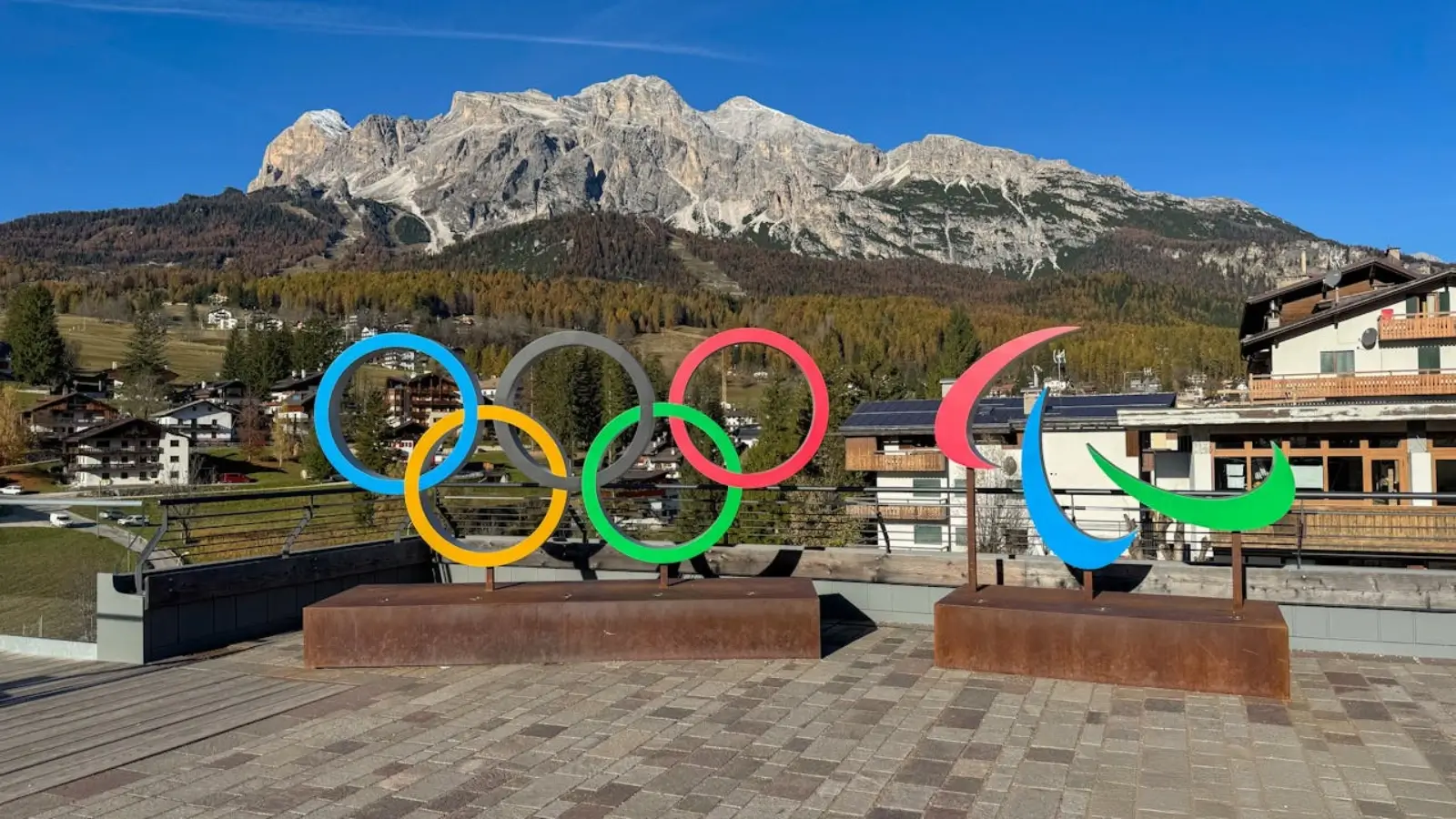
The Milan Cortina 2026 Olympic Winter Games represent a milestone in modern sports history, marking the return of the Winter Games to Italy for the first time since Turin 2006. Spanning across a vast geographical footprint in Northern Italy, this global event unites the historic metropolis of Milan with the breathtaking alpine landscapes of Cortina d'Ampezzo, Valtellina, Val di Fiemme, and Verona.
As the sporting world turns its attention to Italy, understanding the structure, venue geography, event lineup, and operational framework of the 2026 Winter Games provides essential context for spectators, athletes, and sports enthusiasts alike. This comprehensive overview examines how the Milan Cortina 2026 Winter Olympics are organized, highlighting the innovative decentralized model, the integration of sustainability principles, and the enduring legacy anticipated for the host regions.
The Decentralized Vision and Geographic Footprint
Unlike traditional Olympic Games centered tightly around a single host city, the Milan Cortina 2026 edition utilizes a unique, decentralized model designed to maximize existing infrastructure, minimize environmental impact, and celebrate the diverse cultural and geographical traits of Northern Italy. This polycentric approach spreads competition across multiple clusters, each tailored to specific sports disciplines based on regional expertise, topography, and existing winter sports heritage.
The geographical layout is divided into several main clusters, spanning across regions such as Lombardy, Veneto, and the autonomous provinces of Trento and Bolzano. By leveraging world-class facilities already embedded in these communities, the organizing committee drastically reduced the necessity for new permanent construction, aligning with the International Olympic Committee's (IOC) Agenda 2020 and 2020+5 recommendations on sustainability and fiscal responsibility.
The Milan Cluster: Urban Glamour and Ice Sports
As the co-host city, Milan serves as the vibrant urban heartbeat of the Games, primarily hosting indoor ice sports and major cultural celebrations. The city combines its status as a global capital of fashion, design, and commerce with state-of-the-art sports arenas.
- Mediolanum Forum (Assago): Rebranded for the Games as the Milan Santagiulia Ice Hockey Arena or utilized for figure skating and short-track speed skating depending on specific structural deployment, this venue showcases elite indoor competition.
- PalaLido (Allianz Cloud): Another cornerstone urban venue supporting training and specific competition events.
- San Siro Stadium: Celebrated globally, this iconic football temple hosts the grand Opening Ceremony, setting an unforgettable theatrical stage for the parade of nations.
The Cortina d'Ampezzo Cluster: Alpine Heritage
Cortina d'Ampezzo, the legendary "Queen of the Dolomites," brings immense winter sports pedigree to the 2026 Games, having previously hosted the 1956 Winter Olympics. This cluster blends timeless alpine charm with technical excellence.
- Tofane Alpine Skiing Centre: Home to the demanding women's alpine skiing events, challenging the world's best speed specialists on iconic slopes.
- Eugenio Monti Sliding Centre: Reconstructed to host bobsled, skeleton, and luge, representing a major engineering undertaking of the Games.
- Cortina Curling Olympic Stadium: The historic venue for tactical precision and teamwork on the ice.
The Valtellina and Val di Fiemme Clusters: Snow and Endurance
Further expanding the mountainous footprint, Valtellina (specifically Bormio and Livigno) and Val di Fiemme host the technical alpine skiing events for men, snowboarding, freestyle skiing, ski jumping, and cross-country skiing.
- Stelvio Slope (Bormio): Renowned as one of the most punishing and thrilling downhill ski courses on the World Cup circuit, testing the ultimate limits of men's alpine ski racers.
- Mottolino and Carosello 3000 (Livigno): Hubs for the youthful, high-flying action of freestyle skiing and snowboarding.
- Predazzo and Tesero (Val di Fiemme): Centers for ski jumping, Nordic combined, and cross-country skiing, featuring upgraded facilities designed to blend seamlessly into the surrounding alpine valley.
Core Sports Disciplines and Event Program
The Milan Cortina 2026 Winter Olympics feature a comprehensive and expanding program designed to showcase elite winter athleticism across ice, snow, and sliding disciplines. The program incorporates traditional winter favorites alongside dynamic new additions aimed at engaging younger demographics and promoting gender equality across sports quotas.
| Cluster / Region | Primary Sports Hosted | Key Venues |
|---|---|---|
| Milan | Figure Skating, Short Track Speed Skating, Ice Hockey | Mediolanum Forum, PalaItalia Santa Giulia |
| Cortina d'Ampezzo | Alpine Skiing (Women), Bobsled, Skeleton, Luge, Curling | Tofane, Eugenio Monti Track, Olympic Stadium |
| Valtellina (Bormio/Livigno) | Alpine Skiing (Men), Freestyle Skiing, Snowboard | Stelvio Slope, Mottolino / Carosello 3000 |
| Val di Fiemme | Cross-Country Skiing, Ski Jumping, Nordic Combined | Tesero Cross-Country Skiing Stadium, Predazzo Ski Jumping Arena |
| Anterselva / Antholz | Biathlon | South Tyrol Arena |
| Verona | Closing Ceremony | Verona Arena |
Evolution of the Competition Program
The 2026 program features a balanced representation of disciplines, with significant emphasis on mixed-team events. These formats enhance tactical versatility and national representation. Notable disciplines include:
- Alpine Skiing: Downhill, Super-G, Giant Slalom, Slalom, and the Alpine Combined team events.
- Skating Disciplines: Speed skating at the oval venues, short track inside compact arenas, and artistic precision in figure skating (singles, pairs, ice dance, and team trophy).
- Sledding and Sliding: High-velocity runs down specialized artificial and natural tracks requiring split-second reflexes.
- Nordic Sports: Endurance feats across cross-country courses combined with the gravity-defying spectacle of ski jumping.
Sustainability and Environmental Stewardship
A defining characteristic of the Milan Cortina 2026 Winter Olympics is the explicit commitment to minimizing environmental impact and setting a benchmark for future mega-events. Given the sensitivity of alpine ecosystems in the Dolomites and the broader Italian Alps, organizers integrated sustainability into every operational tier, adhering strictly to the IOC's strategic roadmap.
Infrastructure and Circular Economy
Rather than investing heavily in temporary structures that risk becoming white elephants, the organizing committee prioritized the utilization of existing or temporarily enhanced facilities. Over 90% of the competition venues are pre-existing or temporary. Where new construction or renovation was mandatory—such as transport links, energy grids, and select sports facilities—strict environmental assessments governed material sourcing, waste reduction, and energy efficiency.
Carbon Footprint Management and Energy
The Games aim to achieve carbon neutrality by systematically measuring, reducing, and offsetting unavoidable emissions. Strategies include:
- Utilizing 100% renewable energy sources to power competition venues and operational hubs.
- Deploying low-emission transport fleets, incorporating electric and hybrid vehicles for official transit.
- Optimizing rail connectivity between Milan and the mountain clusters to encourage spectators and personnel to rely on public transit rather than private automobiles.
Economic, Social, and Cultural Legacy
Mega-sporting events carry profound implications for their host nations. For Italy, the Milan Cortina 2026 Games act as a catalyst for regional development, tourism revitalization, and infrastructural modernization.
Infrastructural Upgrades
The logistical challenges of connecting a polycentric Games spread across hundreds of kilometers necessitated significant upgrades to Northern Italy's transport corridors. Investments in road safety, railway modernization, and digital connectivity directly benefit local residents long after the Olympic flame is extinguished. These improvements reduce travel times between urban centers like Milan and mountain communities, fostering year-round economic integration and boosting regional tourism.
Cultural Celebration and the Closing Ceremony at Verona
The cultural footprint of Milan Cortina 2026 extends beyond athletics into the rich artistic heritage of Italy. The Games culminate with a historic Closing Ceremony hosted inside the world-famous Verona Arena (Arena di Verona), a magnificent Roman amphitheater dating back to the first century AD. This symbolic bridge between ancient history and modern athletic achievement encapsulates the cultural ethos of the 2026 Winter Olympics.
Operational Considerations and Spectator Guidance
For visitors, athletes, and media professionals engaging with the Milan Cortina 2026 Winter Olympics, navigating the decentralized structure requires careful logistical planning.
- Transportation Logistics: Because venues are distributed across vast distances—ranging from the urban center of Milan to alpine passes in Cortina and Bormio—attendees must utilize integrated rail and dedicated Olympic bus networks. Booking transit passes well in advance is critical.
- Ticket Management: Ticketing operates through official digital platforms with strict anti-fraud measures and personalized entry requirements to ensure crowd safety and security compliance.
- Accommodation: Local hospitality networks across Lombardy, Veneto, and Trentino-Alto Adige experience high demand. Spectators are advised to secure lodging aligned directly with their specific venue cluster to minimize daily transit times.
Summary of Key Takeaways
The Milan Cortina 2026 Winter Olympics redefine the modern mega-event through a decentralized, sustainable, and culturally rich framework. By distributing events across Milan, Cortina d'Ampezzo, Valtellina, Val di Fiemme, and Verona, Italy showcases its diverse geography while honoring historic sports traditions. Through meticulous infrastructure planning, environmental consciousness, and a world-class athletic program, the 2026 Games stand as a testament to efficient, forward-thinking event management.