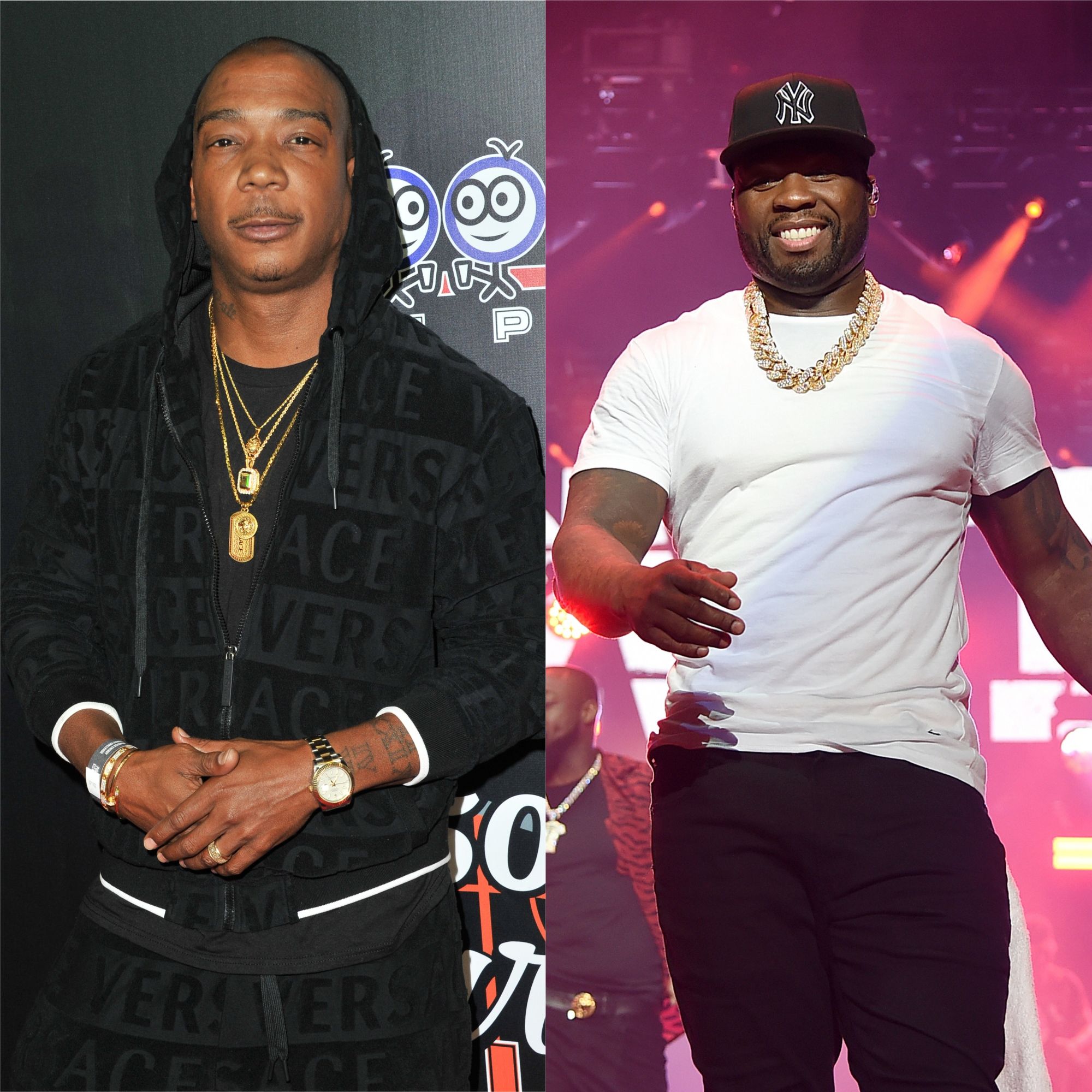
The Ja Rule and 50 Cent feud stands as one of the most prominent, enduring, and consequential conflicts in modern hip-hop history. Spanning over two decades, the rivalry fundamentally reshaped the careers of both artists, altered the landscape of New York City rap, and established a blueprint for how personal disputes play out in the public eye through music, media, and corporate maneuvering.
The Roots of the Rivalry: Late 1990s and Early 2000s
To understand the origins of the animosity between Ja Rule (Jeffrey Atkins) and 50 Cent (Curtis Jackson), it is necessary to examine the hyper-competitive climate of New York City hip-hop at the turn of the millennium. During the late 1990s, Ja Rule emerged as a dominant commercial force under Murder Inc. Records, helmed by executive Irv Gotti. With a string of chart-topping melodic rap hits that blended gritty street narratives with mainstream pop appeal, Ja Rule and Murder Inc. achieved immense mainstream success.
Concurrently, 50 Cent was an underground artist from South Jamaica, Queens, attempting to break into the major label system. The initial friction between the two camps did not stem from a single ideological disagreement, but rather from overlapping social circles, street-level dynamics in Queens, and a rapidly escalating series of misunderstandings. A pivotal early incident involved a robbery in Queens during which 50 Cent's chain was allegedly stolen—an event that 50 Cent claimed involved associates of the Murder Inc. crew. This street-level confrontation ignited a personal grievance that quickly bled into their professional lives, transforming a localized dispute into an industry-wide rivalry.
The Escalation Through Music and Media
As the early 2000s progressed, the conflict shifted from physical altercations and neighborhood rumors to the recording booth. Hip-hop has a long-standing tradition of using competition to drive artistic output, but the Ja Rule and 50 Cent feud quickly transcended standard friendly rivalry, evolving into direct and unyielding hostility.
50 Cent signed with Eminem and Dr. Dre's Shafter/Aftermath/Interscope labels, positioning himself under the powerful umbrella of two of the industry's biggest powerhouses. In 2003, 50 Cent released his commercial debut album, Get Rich or Die Tryin’, which featured biting attacks on Ja Rule and Murder Inc. Tracks such as "Wanksta" and various unreleased freestyles relentlessly mocked Ja Rule's melodic style, questioning his street credibility and labeling him "soft."
Ja Rule and Murder Inc. responded with their own tracks, attempting to undermine 50 Cent’s narrative and defend their standing in the industry. However, the timing coincided with mounting external pressures. Federal investigations into Murder Inc. Records began to take a heavy toll on the label's operations, diverting Irv Gotti and Ja Rule's focus away from music and toward legal defense. 50 Cent, meanwhile, capitalized on the momentum, flooding the market with mixtapes and leveraging his partnership with Shady Records to dominate radio airwaves and retail sales.
Key Milestones and Incidents of the Conflict
The timeline of the beef includes several high-profile moments that captured media attention and polarized hip-hop fans worldwide.
- The Queens Connection and Initial Friction (Late 1990s): Shared geographic roots in Queens create immediate tension, culminating in street-level disputes and personal confrontations.
- The Chain Incident: An alleged robbery involving 50 Cent's jewelry establishes a deep-seated personal grudge that fuels years of retaliation.
- 50 Cent’s Signing to Shady/Aftermath (2002): Backed by Eminem and Dr. Dre, 50 Cent gains the corporate and creative muscle necessary to launch a sustained commercial assault on Murder Inc.
- The Release of Get Rich or Die Tryin’ (2003): 50 Cent’s blockbuster debut album solidifies his superstardom while embedding anti-Murder Inc. messaging into mainstream consciousness.
- Federal Investigations into Murder Inc. (Mid-2000s): Legal scrutiny severely impairs Ja Rule's label, shifting the balance of power decisively in favor of 50 Cent and his allies.
Comparison of Career Trajectories During the Peak Conflict
The commercial and artistic trajectories of both artists during the height of their confrontation illustrate how rapidly the hip-hop landscape shifted in the early 2000s.
| Metric | Ja Rule (Murder Inc. Era) | 50 Cent (Shady/Aftermath Era) |
|---|---|---|
| Peak Commercial Period | 1999–2002 | 2003–2007 |
| Signature Style | Melodic rap, gritty street pop crossovers | Hardcore gangsta rap, aggressive cadence |
| Key Affiliations | Irv Gotti, Ashanti, DMX (early Ruff Ryders era) | Eminem, Dr. Dre, G-Unit |
| Primary Label | Murder Inc. / Def Jam | Interscope / Shady / Aftermath |
| Major Disruption | Federal investigations into label finances | Rapid global expansion and multi-media ventures |
The Cultural Impact and Industry Legacy
The fallout from the Ja Rule and 50 Cent feud extended far beyond the two principals, permanently altering how record labels and artists manage public disputes. For Ja Rule, the combination of aggressive counter-programming by 50 Cent, shifting consumer tastes, and crippling legal troubles eroded his commercial dominance. Despite these challenges, Ja Rule maintained a dedicated fan base, transitioned into acting, and later found success in various entrepreneurial ventures, including the infamous Fyre Festival fallout, which brought renewed, albeit unconventional, media attention.
For 50 Cent, the feud served as the foundational launching pad for a multimedia empire. By weaponizing social media long before it became standard industry practice, 50 Cent mastered the art of prolonged psychological warfare against his rivals, often using online platforms to mock Ja Rule years after their primary musical combat had concluded. This mastery of public relations helped 50 Cent transition successfully into television production, most notably with the creation and expansion of the Power universe on Starz.
Furthermore, the conflict served as a cautionary tale regarding the dangers of mixing street-level animosities with corporate music industry machinations. It demonstrated how quickly fortunes could reverse in hip-hop based on shifting alliances, institutional backing, and legal vulnerabilities.
Frequently Asked Questions
What started the beef between Ja Rule and 50 Cent?
The beef originated from localized street disputes in Queens, New York, during the late 1990s. Tensions escalated due to overlapping social circles, competing ambitions in the local rap scene, and an alleged robbery involving jewelry that created a lasting personal grudge between the two artists.
How did Eminem and Dr. Dre get involved in the feud?
Eminem and Dr. Dre signed 50 Cent to their Shady Records and Aftermath Entertainment labels in 2002. By aligning with these established superstars, 50 Cent gained immense promotional backing, major-label resources, and global platforms to amplify his music and his ongoing disputes with Murder Inc.
Did federal investigations affect the outcome of the rivalry?
Yes. During the height of the conflict in the mid-2000s, federal authorities launched extensive investigations into Murder Inc. Records and its founders. The resulting legal scrutiny and trials severely disrupted the label's operations, limiting Ja Rule's ability to respond commercially while 50 Cent’s career reached unprecedented heights.
Is the feud still active today?
While neither artist is actively releasing diss tracks, the personal animosity has occasionally resurfaced through social media commentary, interviews, and public remarks. 50 Cent, in particular, has periodically referenced Ja Rule in interviews and online posts, keeping the historical rivalry alive in public memory.
Practical Next Actions and Further Reading
For those interested in exploring the intricacies of this historical hip-hop conflict further, examining primary source materials—such as the respective albums released between 1999 and 2005, archival music journalism from publications like The Source and XXL, and documentary features on the history of Murder Inc. and G-Unit—provides a comprehensive view. Analyzing the business models of early 2000s record labels also offers valuable context regarding how corporate pressures shaped artistic rivalries during that era.