Omega-6 fatty acids are a class of polyunsaturated fats that play essential roles in human health, serving as structural components of cell membranes and precursors to signaling molecules that regulate inflammation. Because the human body cannot synthesize these fats independently, they must be obtained through dietary sources, making them essential fatty acids.
Introduction to Omega-6 Fatty Acids and Their Chemical Nature
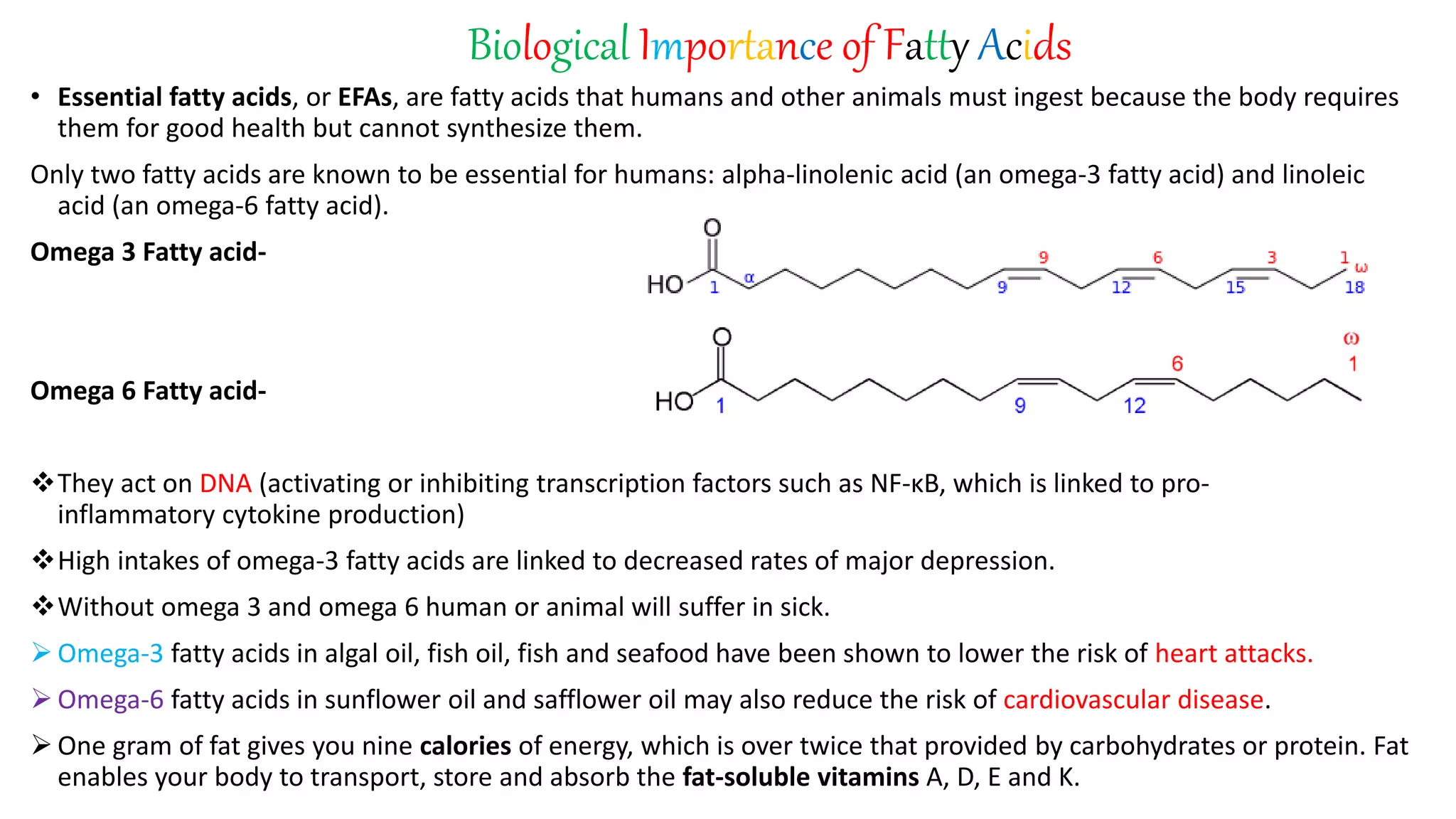
Omega-6 fatty acids derive their name from their chemical structure. They are polyunsaturated fatty acids (PUFAs) characterized by the presence of a final carbon-carbon double bond in the $n-6$ position, meaning the sixth bond from the methyl end of the fatty acid chain. This specific chemical configuration dictates how these fats behave in biological systems, influencing everything from cell membrane fluidity to the production of eicosanoids—hormone-like substances that govern inflammation, blood clotting, and cell growth.
While the human body requires omega-6 fatty acids for normal physiological functioning, it cannot insert double bonds beyond the ninth carbon atom from the carboxylic acid end. Consequently, humans must ingest them through food. Once consumed, these fatty acids are metabolized into longer-chain polyunsaturated fats that interact dynamically with omega-3 fatty acids. Maintaining a proper balance between omega-6 and omega-3 intake is a central focus of modern nutritional science, as both systems share metabolic pathways and exert opposing effects on inflammatory processes.
Disclaimer: This article is for informational and educational purposes only and should not be construed as medical or nutritional advice. Individuals seeking dietary changes or managing chronic health conditions should consult a qualified healthcare professional or registered dietitian.
Primary Omega-6 Fatty Acid Examples
To understand how these fats function in the diet and the body, it is necessary to examine the specific chemical examples that comprise this category. While linoleic acid serves as the primary dietary foundation, several other derivatives play critical roles in human physiology.
Linoleic Acid (LA)
Linoleic acid is the most abundant omega-6 fatty acid in the human diet and the parent compound of the entire omega-6 family. It is found in high concentrations in plant-based oils, seeds, and nuts. Once ingested, the body can convert a fraction of linoleic acid into longer-chain omega-6 fatty acids, although this conversion rate is generally low in humans. LA itself is incorporated directly into cell membranes, where it helps maintain structural integrity and barrier functions in the skin.
Arachidonic Acid (ARA)
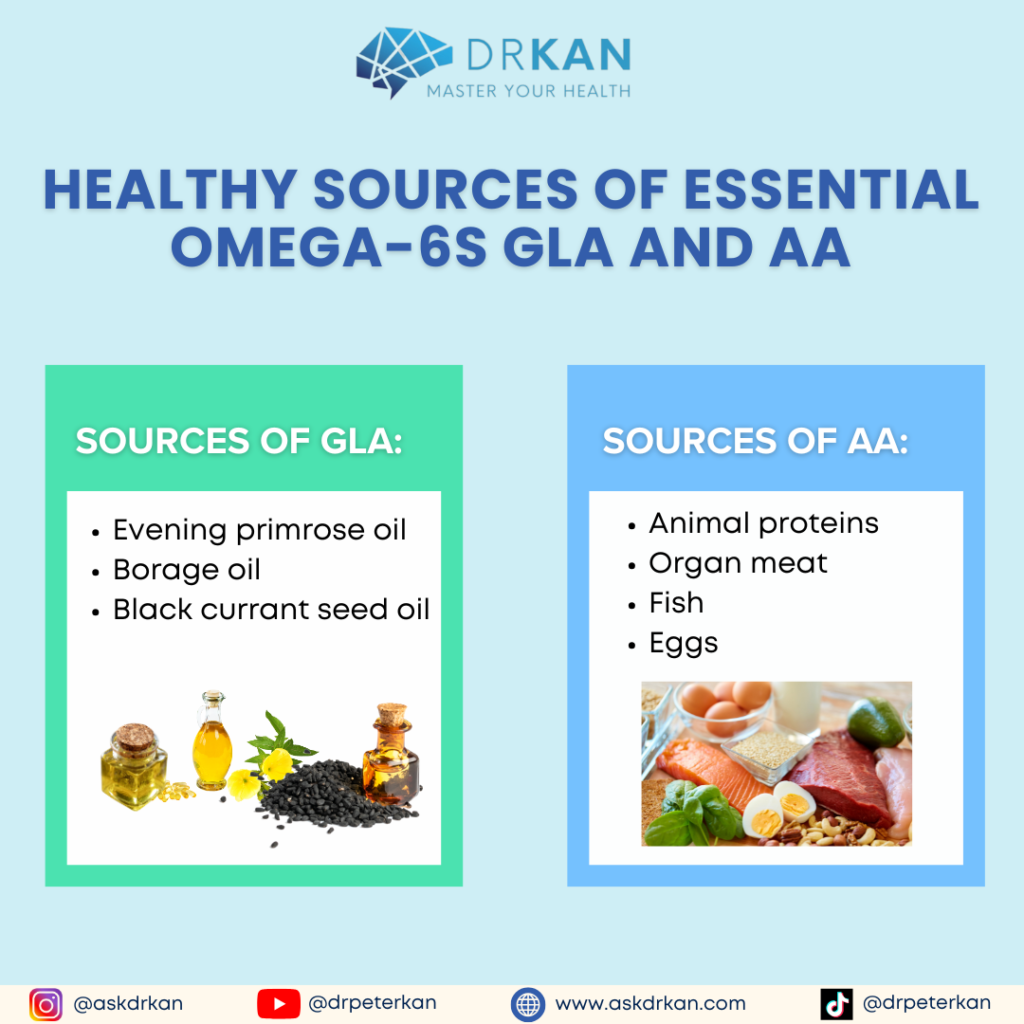
Arachidonic acid is a 20-carbon omega-6 fatty acid derived primarily from the elongation and desaturation of linoleic acid or obtained directly from animal sources such as meat, poultry, and eggs. ARA is a critical component of mammalian cell membranes, particularly in the brain, muscles, and liver. It serves as a direct precursor to numerous eicosanoids, including prostaglandins, thromboxanes, and leukotrienes. These molecules play vital roles in triggering acute inflammation, mediating immune responses, and facilitating blood platelet aggregation during injury repair.
Gamma-Linolenic Acid (GLA)
Gamma-linolenic acid is a less common omega-6 fatty acid found in specialized plant oils such as evening primrose oil, borage oil, and black currant seed oil. Unlike linoleic acid, GLA bypasses the rate-limiting step of the conversion process, allowing the body to synthesize anti-inflammatory downstream metabolites more efficiently. Because of this unique metabolic pathway, GLA is frequently studied and utilized as a dietary supplement for managing specific inflammatory skin conditions and joint discomfort.
Dihomo-Gamma-Linolenic Acid (DGLA)
Dihomo-gamma-linolenic acid is an intermediate metabolite formed when the body elongates gamma-linolenic acid. DGLA competes with arachidonic acid for enzymatic conversion, often producing anti-inflammatory eicosanoids rather than pro-inflammatory ones. This positioning makes DGLA a key regulatory molecule in modulating immune function and mitigating excessive inflammatory cascades within tissues.
Common Dietary Sources of Omega-6 Fatty Acids
Incorporating omega-6 fatty acids into the daily diet is rarely challenging, as linoleic acid is widespread in the modern global food supply. Most individuals consume quantities that far exceed minimum physiological requirements, primarily through processed foods, cooking oils, and snack items.
Plant Oils and Cooking Fats
Refined vegetable oils represent the single largest source of linoleic acid in industrialized diets. Oils extracted from seeds and grains are heavily utilized in commercial food manufacturing, restaurant frying, and home cooking.
- Soybean oil: Widely used in margarines, salad dressings, and processed foods.
- Corn oil: Commonly utilized for high-heat frying and baking applications.
- Safflower and sunflower oils: Highly concentrated sources of linoleic acid utilized in cooking and specialized dressings.
- Cottonseed and canola oils: Frequently blended into commercial food products and shortening agents.
Nuts, Seeds, and Whole Grains
Whole-food sources provide omega-6 fatty acids alongside beneficial fiber, protein, micronutrients, and antioxidants. These whole-food matrices help moderate the systemic impact of the fats compared to isolated refined oils.
- Walnuts: Offer a balanced profile containing both linoleic acid and alpha-linolenic acid (an omega-3).
- Sunflower seeds and pumpkin seeds: Excellent snack-based sources of concentrated plant fats.
- Pecans, brazil nuts, and pine nuts: Contribute substantial amounts of dietary linoleic acid.
- Sesame seeds: Frequently consumed whole or as tahini paste.
Animal Products
Because animals consume plant feeds containing linoleic acid, meat, poultry, dairy, and eggs contribute varying amounts of both linoleic acid and arachidonic acid to the human diet. Grain-fed livestock typically exhibit higher levels of omega-6 fatty acids relative to omega-3s compared to grass-fed or pasture-raised counterparts, reflecting the composition of their respective feed sources.
Comparative Overview of Key Omega-6 Fatty Acids
| Fatty Acid Name | Chemical Abbreviation | Primary Dietary Sources | Main Physiological Role |
|---|---|---|---|
| Linoleic Acid (LA) | 18:2 $n-6$ | Soybean, corn, sunflower, and safflower oils; nuts, seeds | Structural cell membrane component; parent omega-6 compound |
| Arachidonic Acid (ARA) | 20:4 $n-6$ | Meat, poultry, eggs, seafood | Precursor to pro-inflammatory eicosanoids and muscle signaling |
| Gamma-Linolenic Acid (GLA) | 18:3 $n-6$ | Evening primrose oil, borage oil, black currant seed oil | Intermediate that bypasses rate-limiting conversion steps |
| Dihomo-Gamma-Linolenic Acid (DGLA) | 20:3 $n-6$ | Synthesized in the body from GLA | Precursor to anti-inflammatory series-1 prostaglandins |
Physiological Roles and Health Impacts
The health implications of omega-6 fatty acids are nuanced, context-dependent, and heavily influenced by the ratio of omega-6 to omega-3 intake in the overall diet. Historically, evolutionary diets featured an omega-6 to omega-3 ratio closer to 1:1 or 2:1. In contrast, Western diets frequently exhibit ratios ranging from 10:1 to 20:1 or higher, driven by the ubiquity of refined seed oils.
The Inflammation Debate
A common misconception is that omega-6 fatty acids are inherently "bad" or uniformly inflammatory. In reality, acute inflammation is a vital biological mechanism required to heal wounds, fight infections, and repair damaged tissues. Arachidonic acid is necessary to mount this protective immune response.
However, when omega-6 consumption drastically overwhelms omega-3 intake, the biochemical environment can favor chronic, low-grade systemic inflammation. Both omega-6 and omega-3 fatty acids compete for the same desaturase and elongase enzymes in the body. An overabundance of linoleic acid can crowd out the pathways required to convert plant-based omega-3s into their more potent anti-inflammatory derivatives, such as EPA and DHA.
Cardiovascular Health Perspectives
The relationship between omega-6 fatty acids and heart disease has been a subject of extensive scientific investigation. Landmark clinical studies and epidemiological reviews by organizations such as the American Heart Association (AHA) indicate that replacing saturated fats with polyunsaturated omega-6 fats like linoleic acid can lower total cholesterol and low-density lipoprotein (LDL) cholesterol levels, thereby reducing cardiovascular risk markers.
At the same time, researchers emphasize that the food matrix matters significantly. Consuming linoleic acid through whole foods like nuts and unrefined oils yields distinctly different health outcomes compared to consuming high quantities of omega-6 fats derived from ultra-processed snack foods fried in repeatedly heated industrial oils.
Brain Function and Cellular Integrity
Omega-6 fatty acids are concentrated within the brain and central nervous system. Arachidonic acid, in particular, supports neural growth during infancy and contributes to synaptic plasticity and signal transduction throughout adulthood. Adequate cellular concentrations ensure that neural membranes retain the fluidity required for optimal neurotransmitter receptor function.
Practical Dietary Guidelines and Balancing Intake
Rather than attempting to eliminate omega-6 fatty acids—which is neither feasible nor healthy, given their essential status—nutritionists recommend focusing on balance and food quality.
1. Increase Omega-3 Consumption
The most effective strategy to counterbalance a high omega-6 intake is to actively increase the intake of omega-3 fatty acids. Incorporating fatty fish such as salmon, sardines, mackerel, and trout twice a week, alongside plant sources like chia seeds, flaxseeds, and walnuts, helps re-establish a favorable physiological ratio.
2. Prioritize Whole Foods Over Refined Oils
Minimizing reliance on ultra-processed foods, fast food, and packaged snacks naturally reduces the intake of industrial seed oils. Substituting processed cooking oils with cold-pressed olive oil, avocado oil, or butter in moderation can further optimize the dietary fat profile.
3. Evaluate Supplementation Cautiously
While specialized omega-6 supplements like evening primrose oil are utilized for targeted conditions such as atopic dermatitis or cyclic mastalgia, broad supplementation with standard linoleic acid is rarely necessary for the general population, as dietary deficiencies are extremely rare.
Frequently Asked Questions
Are omega-6 fatty acids bad for you?
No, omega-6 fatty acids are essential nutrients required for normal growth, immune function, and cell membrane integrity. They only become problematic when consumed in excessive amounts relative to omega-3 fatty acids, which can promote chronic low-grade inflammation in susceptible individuals.
What is the difference between linoleic acid and arachidonic acid?
Linoleic acid is a plant-based, essential omega-6 fatty acid that the body must obtain from food. Arachidonic acid is a longer-chain omega-6 fatty acid that can be synthesized from linoleic acid or consumed directly from animal products, functioning primarily as a precursor to inflammatory signaling molecules.
Can you get too many omega-6 fatty acids?
Yes. Because refined vegetable oils are widely used in commercial food production, many people consume far more omega-6 fats than their bodies require. This high intake can crowd out omega-3 metabolic pathways and tilt the body toward a pro-inflammatory state.
Do omega-6 fatty acids raise cholesterol?
When consumed as a replacement for saturated fats, linoleic acid has been shown to help lower total and LDL cholesterol levels. However, overall cardiovascular health depends on the broader dietary pattern, including physical activity, smoking status, and the quality of carbohydrates and fats consumed.
Which oils have the highest omega-6 content?
Safflower oil, sunflower oil, corn oil, soybean oil, and cottonseed oil contain the highest concentrations of linoleic acid. Olive oil and coconut oil contain significantly lower amounts of omega-6 fatty acids.
Conclusion
Omega-6 fatty acids—led by examples such as linoleic acid, arachidonic acid, and gamma-linolenic acid—are indispensable components of human nutrition. They maintain cell structure, support immune defense, and regulate vital physiological processes. While modern diets frequently feature an overabundance of these fats relative to omega-3s, the solution lies not in elimination, but in dietary moderation, the selection of whole-food fat sources, and a deliberate effort to increase omega-3 intake for optimal metabolic balance.