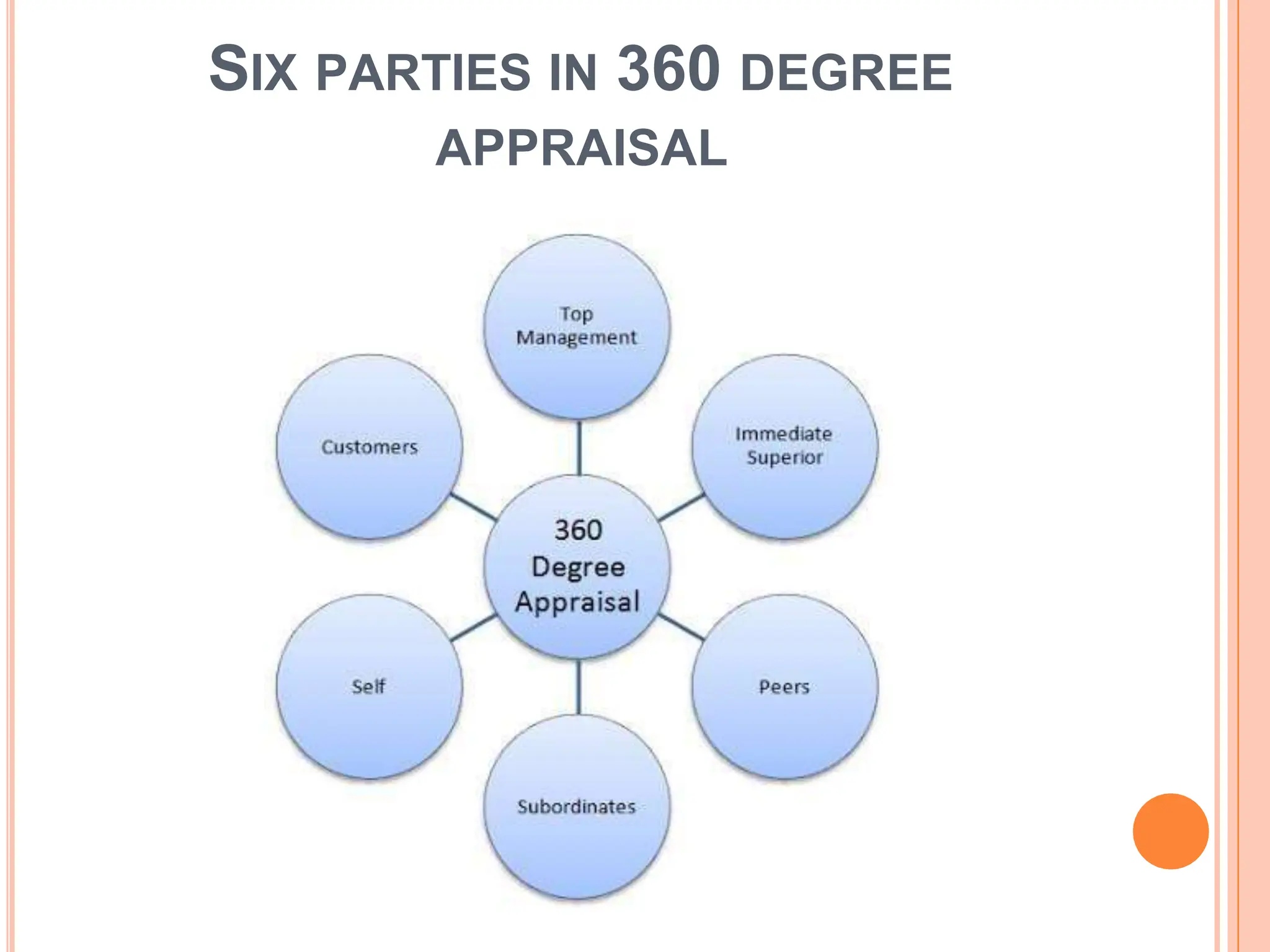
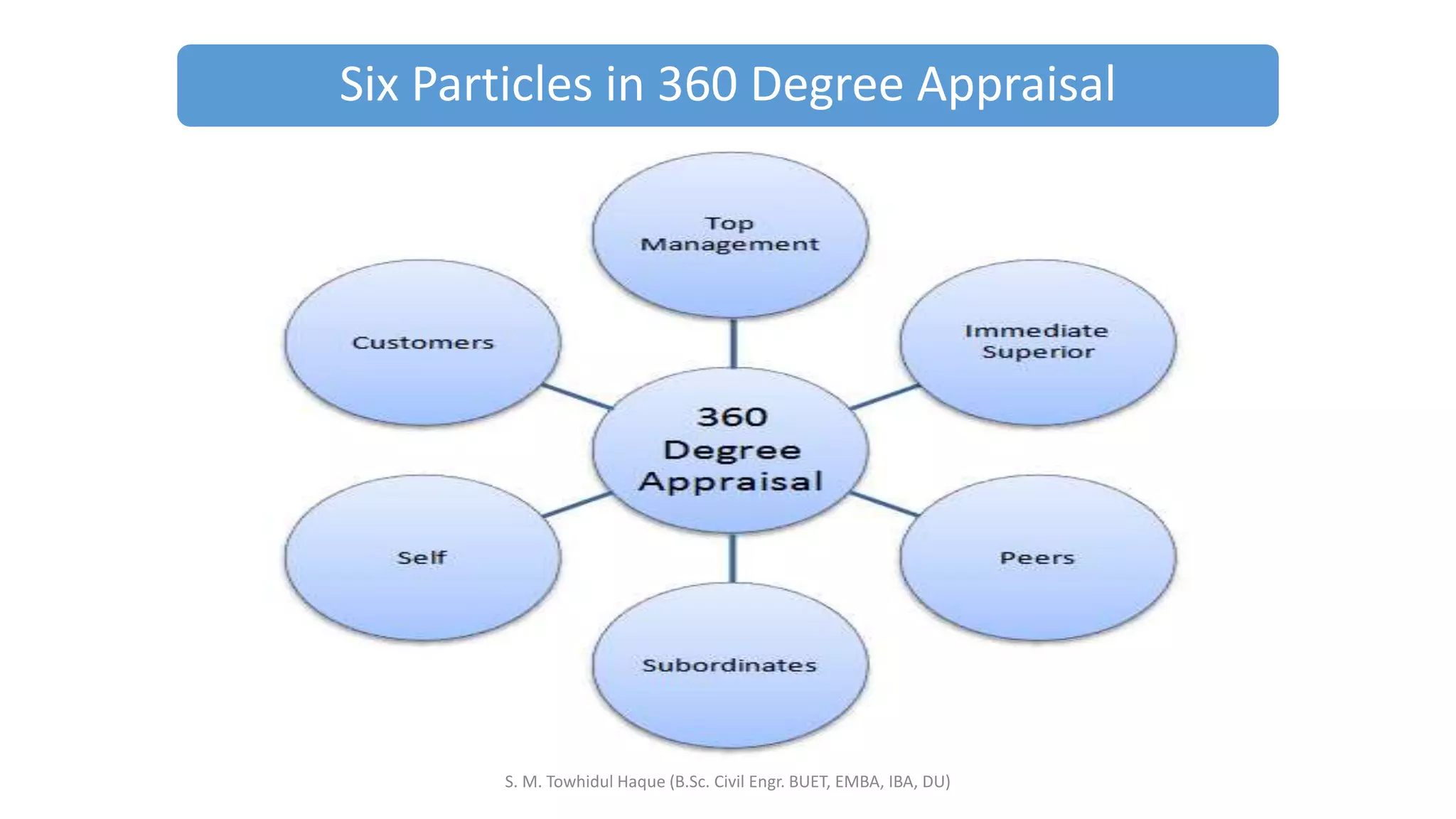
A 360-degree appraisal is a professional performance evaluation method that collects structured feedback from an employee’s manager, peers, direct reports, and self-evaluation to provide a comprehensive view of workplace competencies. For instance, a mid-sized software development firm implementing this process would have a senior project manager complete a self-assessment while receiving parallel ratings from their engineering director, two software engineers reporting directly to them, and a product manager they collaborate with daily.
Understanding the 360-Degree Appraisal Framework
Traditional performance reviews typically flow in one direction: downward from a manager to an employee. While this top-down model establishes accountability, it frequently suffers from managerial blind spots, personal biases, and limited visibility into daily cross-functional collaboration. A 360-degree feedback system addresses these vulnerabilities by gathering performance data from multiple perspectives across the organizational hierarchy.
The core philosophy underlying this multi-rater approach is that no single individual possesses complete visibility into a colleague's professional capabilities. A direct manager might see strategic delivery and high-level output, but they rarely observe how that same manager treats junior team members under pressure or how effectively they collaborate with peers in marketing or product development. By integrating insights from subordinates, peers, managers, and the individual themselves, organizations obtain a holistic, balanced assessment profile.
To understand how this operates in practice, it is necessary to examine the anatomy of a real-world deployment. The following sections trace a comprehensive example of a 360-degree appraisal within a corporate setting, detailing every phase from preparation and tool selection to feedback analysis and professional development planning.
The Scenario: Engineering Management at TechVanguard Solutions
To ground this practice in concrete reality, consider TechVanguard Solutions, a fictionalized 300-employee software enterprise. The organization decides to run a pilot 360-degree feedback cycle for its ten senior project managers.
We will track one specific participant: Elena Vance, a senior project manager with four years of tenure at the company. Elena manages a cross-functional team of eight engineers, two quality assurance specialists, and one data analyst. Her primary deliverables include managing sprint cycles, maintaining client relationships, and aligning engineering output with business objectives.
TechVanguard initiates the appraisal to support professional development, specifically targeting leadership style, delegation effectiveness, and cross-departmental communication. The process follows a structured five-step lifecycle designed to protect psychological safety and ensure actionable outcomes.
Step 1: Defining Competencies and Designing the Assessment Instrument
Before distributing questionnaires, TechVanguard’s Human Resources department collaborates with engineering leadership to define the exact behaviors and competencies being measured. Rather than utilizing generic corporate buzzwords, they establish clear, observable behavioral indicators tied to company values.
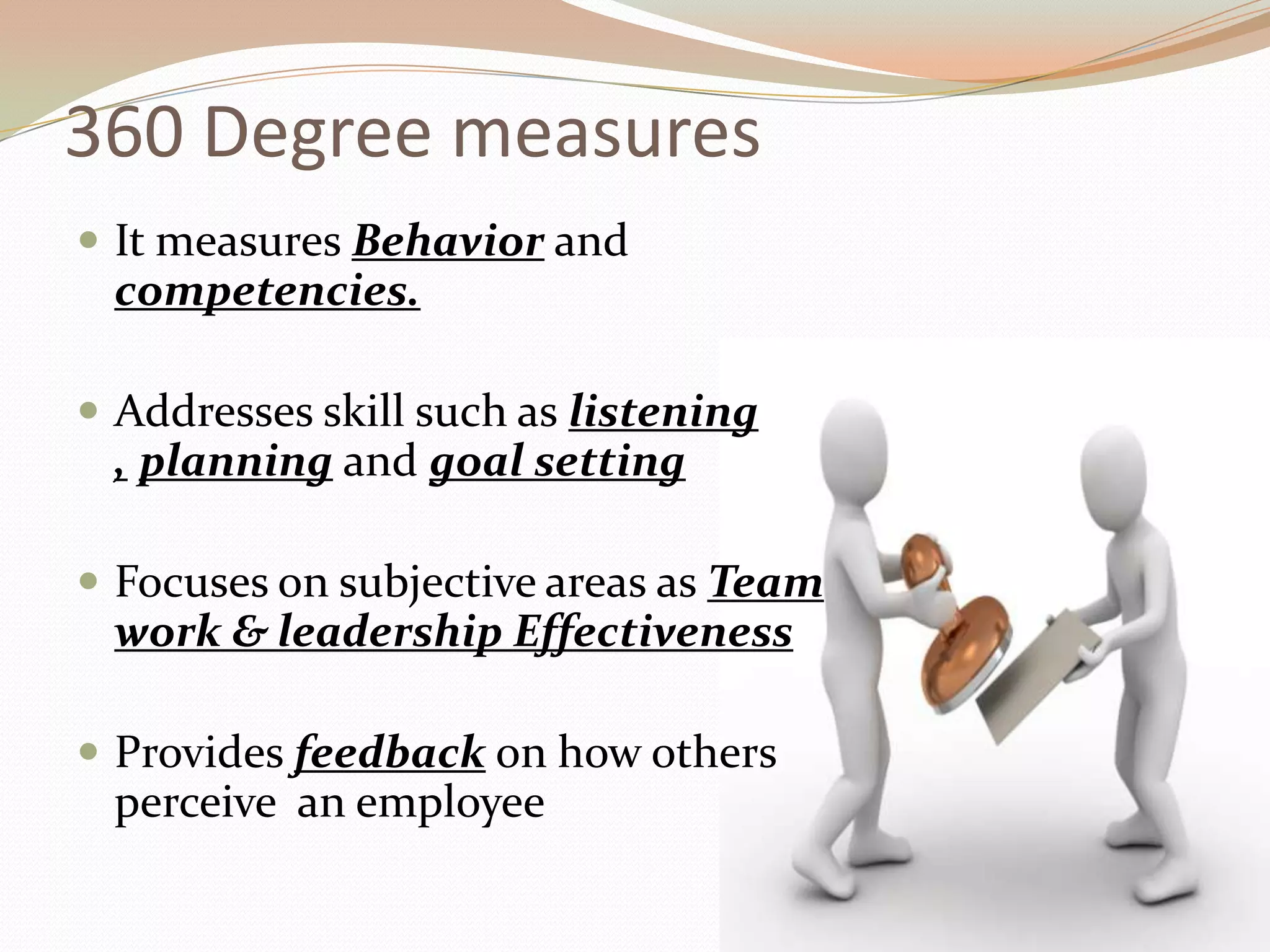
The appraisal instrument is structured around five core competency domains:
- Leadership and Direction: Clarity of vision, ability to motivate, and decisiveness during critical project phases.
- Communication and Active Listening: Transparency in status reporting, receptiveness to feedback, and clarity of written and verbal instructions.
- Delegation and Empowerment: Trusting team members with ownership, avoiding micromanagement, and providing appropriate support resources.
- Collaboration and Conflict Resolution: Navigating disagreements between engineering and product teams constructively.
- Accountability and Delivery: Meeting sprint commitments, managing scope creep, and taking responsibility for project setbacks.
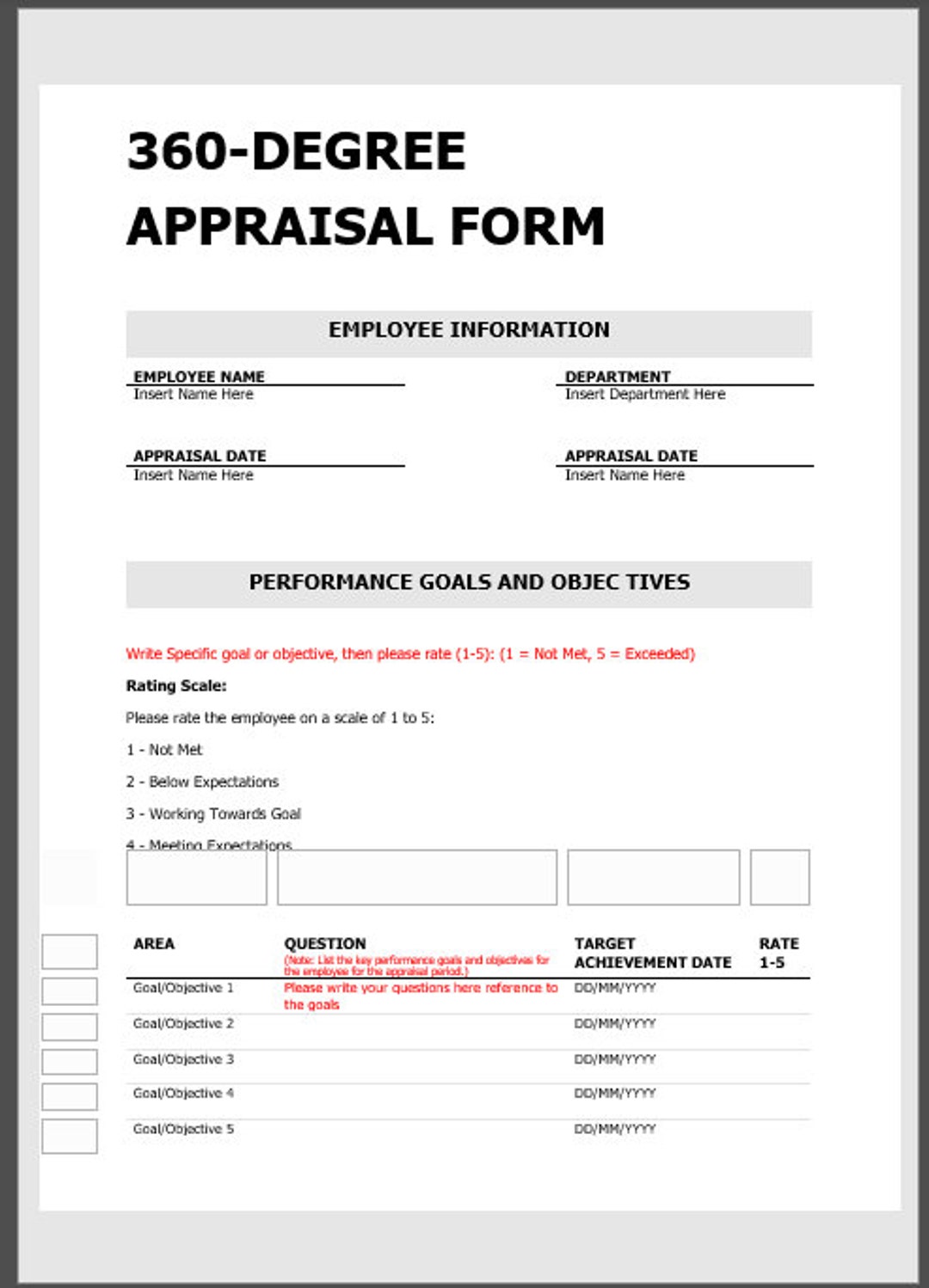
Each competency is evaluated using a five-point behaviorally anchored rating scale ranging from 1 (Needs Significant Development) to 5 (Consistently Exceeds Expectations), paired with mandatory open-ended text fields for qualitative comments.
Step 2: Selecting Raters and Ensuring Anonymity
Selecting the right rater panel is vital for obtaining objective, undistorted feedback. TechVanguard enforces a strict rater selection policy to prevent bias while ensuring comprehensive coverage.
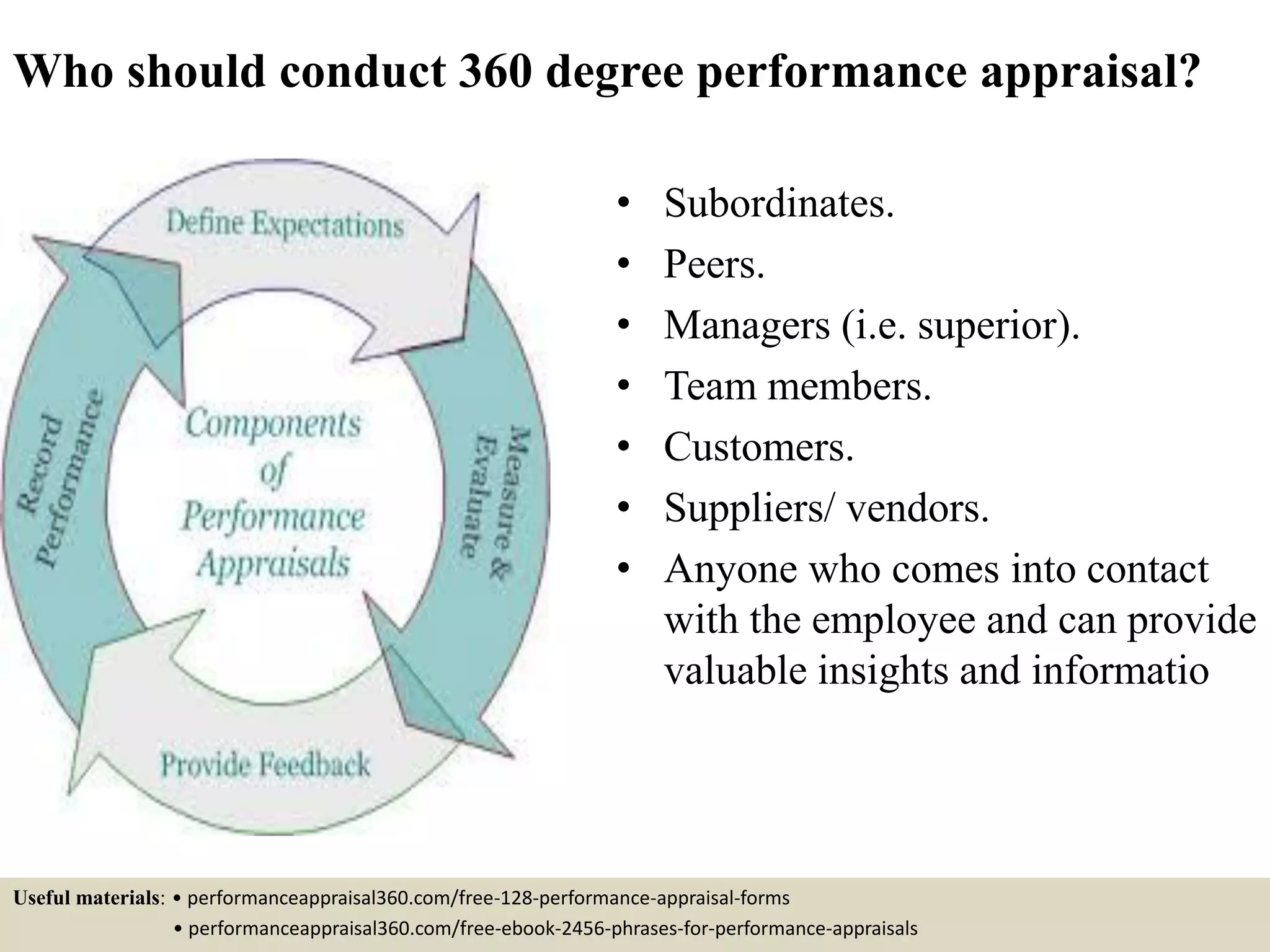
For Elena Vance, her rater panel is structured as follows:
- Manager (1): Marcus Thorne, Director of Engineering (her direct supervisor).
- Peers (3): Two fellow senior project managers and one senior product manager with whom Elena collaborates weekly.
- Direct Reports (5): A randomly selected subset of five team members from her engineering and QA unit. (To maintain anonymity, feedback from direct reports is aggregated, ensuring individual responses cannot be isolated by the manager).
- Self-Evaluation (1): Elena completes the identical assessment independently.
Anonymity is the cornerstone of effective multi-rater feedback. If direct reports fear retaliation for honest critiques, the data becomes unreliably positive. TechVanguard uses third-party HR software that aggregates peer and subordinate responses into blended scores, displaying data only when a minimum threshold of three responses is met within a category.
Step 3: Administering the Feedback Collection
The feedback window remains open for three weeks. Automated reminders are sent by the platform to encourage timely completion. During this period, Elena completes her self-assessment, rating herself objectively across all five domains.
Concurrently, Marcus Thorne, her peers, and her team members complete their confidential evaluations. HR monitors completion rates but has no visibility into individual scores during the collection phase.
Step 4: Analyzing the Results and Identifying Discrepancies
Once the window closes, the platform compiles the data into a comprehensive report. The report highlights not only absolute scores in each competency but also perceptual gaps—discrepancies between how Elena views her performance and how others perceive it.
| Competency Domain | Self-Rating | Manager Rating | Peer Average | Direct Report Average | Blended Score | Perceptual Gap |
|---|---|---|---|---|---|---|
| Leadership & Direction | 4.2 / 5.0 | 4.0 / 5.0 | 4.1 / 5.0 | 3.9 / 5.0 | 4.0 / 5.0 | Minor overestimation |
| Communication & Listening | 4.5 / 5.0 | 3.8 / 5.0 | 4.0 / 5.0 | 3.2 / 5.0 | 3.7 / 5.0 | Significant overestimation |
| Delegation & Empowerment | 3.5 / 5.0 | 3.2 / 5.0 | 3.4 / 5.0 | 2.8 / 5.0 | 3.0 / 5.0 | Moderate overestimation |
| Collaboration & Conflict | 4.0 / 5.0 | 4.2 / 5.0 | 3.9 / 5.0 | 4.0 / 5.0 | 4.0 / 5.0 | Aligned |
| Accountability & Delivery | 4.5 / 5.0 | 4.4 / 5.0 | 4.3 / 5.0 | 4.6 / 5.0 | 4.4 / 5.0 | Aligned |
Analyzing this report reveals critical insights for Elena's professional development:
- Strengths: Elena excels in delivery accountability and overarching leadership vision, receiving high marks across all rater categories.
- Blind Spots: A notable perceptual gap exists in Communication and Listening and Delegation and Empowerment, particularly among her direct reports. While Elena feels she communicates transparently, subordinates report feeling micromanaged during high-pressure sprint cycles and express that their technical suggestions are occasionally overlooked during planning meetings.
Step 5: Debriefing and Constructing a Development Plan
Raw data alone does not improve performance; interpretation and action planning are essential. Two weeks after report generation, Elena sits down with an HR facilitator and her manager, Marcus Thorne, for a structured coaching debrief.
Instead of treating the feedback as a disciplinary review, the session focuses on professional growth. They analyze the lower scores in delegation and active listening. Elena reflects on her tendency to step in and rewrite complex code or dictate technical solutions when deadlines loom, realizing this behavior unintentionally undermines her engineers' autonomy.
Collaboratively, they establish a targeted Individual Development Plan (IDP):
- Delegation Exercise: Elena commits to assigning two major architectural sub-components to senior engineers over the next quarter, serving as a mentor rather than a direct implementer.
- Communication Adjustment: She implements bi-weekly "listening sessions" with her engineering team, creating a dedicated forum for unstructured feedback and process improvement suggestions.
- Executive Coaching: HR enrolls Elena in a six-week internal workshop focusing on situational leadership and emotional intelligence in technical environments.
Benefits and Operational Challenges of Multi-Rater Appraisals
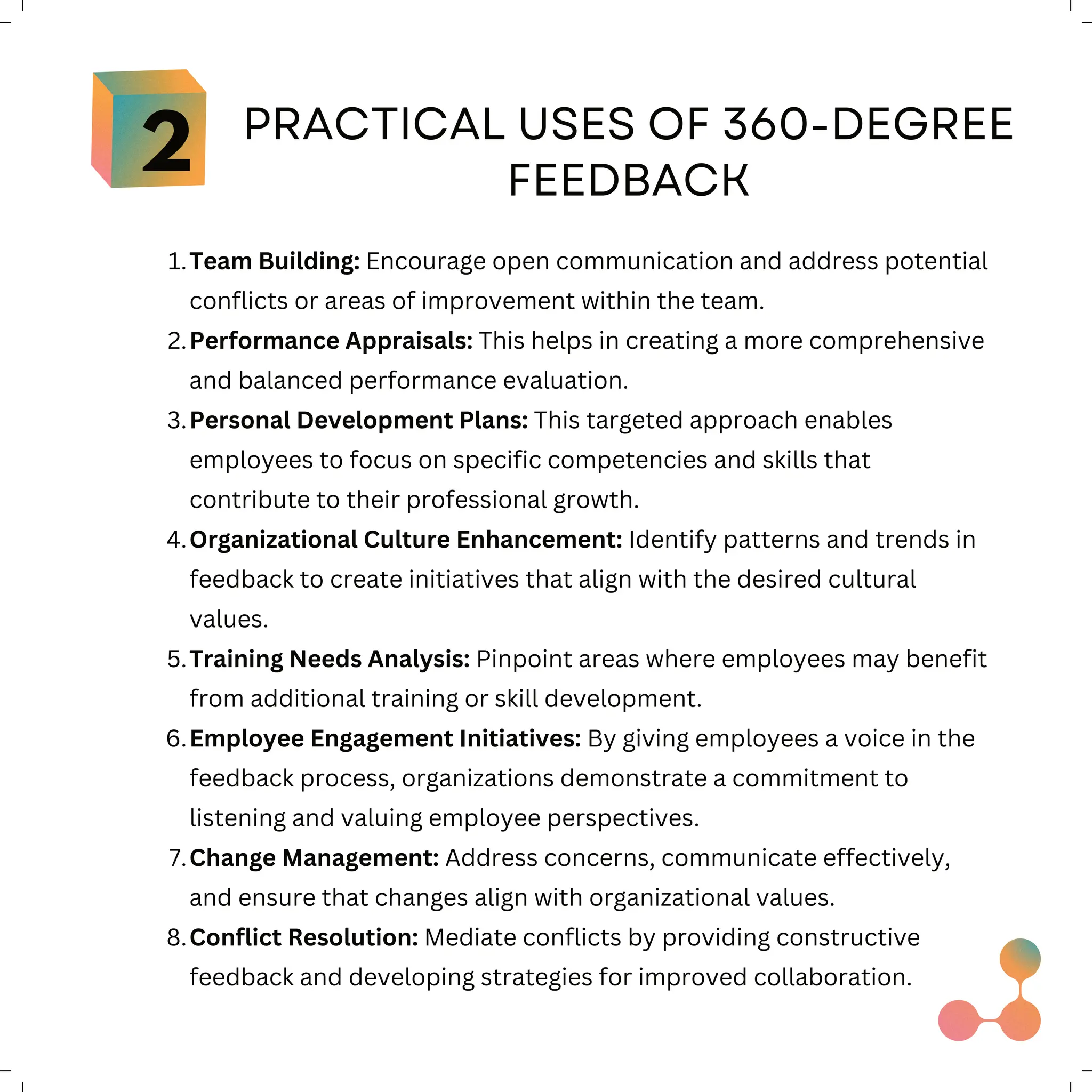
Implementing a 360-degree appraisal system offers transformative advantages for organizational culture and leadership development, but it also introduces distinct operational hurdles that organizations must manage carefully.
Key Advantages
- Reduced Managerial Bias: By pooling evaluations from multiple independent observers, the influence of personal friction or recency bias from a single direct manager is significantly diminished.
- Enhanced Self-Awareness: Perceptual gap analysis forces employees to confront how their behavior impacts others across different organizational layers.
- Empowered Subordinates: Giving direct reports a confidential voice in evaluating their managers fosters psychological safety and horizontal accountability.
- Targeted Development: Training budgets and coaching resources can be allocated precisely based on empirical competency gaps rather than generalized assumptions.
Operational Risks and Mitigations
- Fear of Retaliation: If anonymity is compromised, raters may inflate scores to avoid conflict. Mitigation: Enforce strict data thresholds and utilize third-party software that masks individual identities.
- Weaponization of Feedback: Disgruntled employees might use the appraisal process to settle personal scores. Mitigation: Train all participants on constructive feedback principles and establish HR oversight to flag anomalous, outlier scoring.
- Administrative Fatigue: Multi-rater evaluations require significant time investments from busy professionals. Mitigation: Limit appraisal frequency to once or twice per year and streamline questionnaire length.
Frequently Asked Questions
What is the primary purpose of a 360-degree appraisal?
The primary purpose is to provide employees—particularly managers and leaders—with comprehensive, multi-source performance feedback to enhance self-awareness, identify professional blind spots, and guide targeted career development. Unlike traditional reviews, it is rarely used in isolation for compensation decisions.
Are 360-degree appraisals completely anonymous?
Yes, when executed correctly. While a manager's feedback is explicitly attributed to them, peer and direct-report feedback is aggregated into blended scores and qualitative summaries. Most software platforms hide individual submissions unless a minimum respondent threshold—typically three or more people—is met.
How often should an organization run 360-degree reviews?
Organizations typically conduct 360-degree appraisals annually or semi-annually. Running them too frequently leads to survey fatigue and declining participation rates, while running them too rarely prevents effective tracking of leadership development progress.
Can 360-degree feedback be tied directly to salary increases?
Doing so is generally discouraged by human resources experts. When financial rewards or promotions are directly tied to multi-rater feedback, raters tend to inflate scores artificially to protect colleagues or avoid workplace conflict, undermining the accuracy and developmental value of the process.
What happens if an employee receives overwhelmingly negative feedback?
Organizations should pair appraisal results with professional coaching and structured human resources support. The goal is to reframe negative feedback as a developmental roadmap rather than a punitive measure, establishing a clear, supportive action plan for behavioral improvement.
Conclusion and Next Actions
Implementing a 360-degree appraisal requires careful preparation, clear competency definitions, and a commitment to psychological safety. Organizations looking to adopt this model should begin with a pilot program among a small cohort of managers, refine their feedback instruments based on initial user experience, and ensure that every participant receives dedicated coaching to translate raw data into actionable professional growth.