While many consumers search for the single "best" provider, supplemental life insurance cannot be pinned down to just one universally superior company because coverage needs, budgets, and health profiles vary widely. Instead of a one-size-fits-all market leader, the top choice depends on whether you need individual term riders, group workplace coverage, specialized chronic illness riders, or guaranteed acceptance policies.
Supplemental life insurance serves as an essential financial safety net, designed to bridge the gaps left by standard employer-sponsored policies or basic individual plans. Whether you are looking to cover final expenses, protect your income against critical illnesses, or secure additional legacy funds for your family, understanding how to evaluate these products is critical. This guide explores how to identify the right provider for your unique circumstances by examining financial strength, policy flexibility, underwriting criteria, and rider options.
Understanding Supplemental Life Insurance and Its Core Purpose
Supplemental life insurance refers to any policy or rider purchased in addition to your primary life insurance coverage. Primary policies—such as a basic term life or permanent life policy—frequently fall short of covering all long-term financial obligations, particularly as families grow, mortgages expand, or medical inflation rises. Supplemental coverage steps in to reinforce your foundational plan, ensuring that unexpected life changes do not leave your beneficiaries financially vulnerable.
Most working adults encounter supplemental life insurance through workplace voluntary benefits programs. However, individual supplemental policies can also be purchased independently through private insurers. These policies often take the form of term life riders, accidental death and dismemberment (AD&D) coverage, critical illness riders, or permanent life insurance policies designed to accumulate cash value.
The primary purpose of this coverage is risk mitigation. A standard policy might cover immediate mortgage balances and basic funeral costs, but supplemental insurance can be tailored to fund college tuitions, replace lost income during a prolonged disability, or pay for specialized medical treatments not covered by health insurance. Recognizing your specific financial shortfalls is the first step toward determining which insurance carrier aligns with your objectives.
Types of Supplemental Coverage Available on the Market
Before evaluating specific insurance providers, you must distinguish between the various forms supplemental life insurance can take. Insurers structure these products differently based on your eligibility, health history, and financial goals.
Workplace Voluntary Supplemental Policies
Many employers offer supplemental life insurance as an add-on during open enrollment. These group plans typically allow employees to purchase increments of coverage—such as one to five times their annual salary—without undergoing a rigorous medical examination.
- Pros: Convenient payroll deductions, simplified underwriting, and accessible entry points for individuals with minor health conditions.
- Cons: Coverage is frequently tied to your employment. If you leave the company, you may lose the policy or face significantly higher premium rates to convert it to an individual plan.
Individual Riders and Standalone Policies
If you purchase coverage outside of an employer, you can add riders to an existing policy or buy a standalone supplemental term or permanent policy. Riders are contractual provisions that modify the terms of the primary insurance contract.
- Accelerated Death Benefit Riders: Allow you to access a portion of your death benefit while you are still alive if you are diagnosed with a terminal illness.
- Critical Illness Riders: Provide a lump-sum cash payment if you suffer a qualifying medical event, such as a heart attack, stroke, or invasive cancer.
- Guaranteed Insurability Riders: Give you the option to purchase additional coverage at specified future dates without proving insurability.
Key Criteria for Evaluating Insurance Providers
Because no single company dominates every category, financial experts and consumers rely on a standardized set of criteria to evaluate which insurer deserves top ranking for a given scenario. When assessing an insurance company, examine the following pillars.
| Evaluation Metric | Why It Matters | What to Look For |
|---|---|---|
| Financial Strength | Ensures the company can pay out claims decades into the future. | Ratings of "A" (Excellent) or higher from agencies like A.M. Best, Moody's, or Standard & Poor's. |
| Underwriting Flexibility | Determines your premium rates and eligibility based on health and lifestyle. | Favorable underwriting for controlled chronic conditions, tobacco use, or older applicants. |
| Rider Variety | Dictates how customizable your supplemental coverage will be. | Robust selection of living benefit riders, including chronic illness, critical illness, and waiver of premium. |
| Customer Satisfaction | Reflects the ease of the claims process and policy management. | Low complaint ratios from the National Association of Insurance Commissioners (NAIC) and high J.D. Power scores. |
Leading Contenders by Consumer Need
To help narrow your search, it is helpful to look at top-tier insurance carriers categorized by their primary market strengths. Rather than naming a single overall winner, the industry recognizes several standout institutions for specific supplemental needs.
Best for Comprehensive Living Benefits: Mutual of Omaha
Mutual of Omaha frequently ranks at the top for consumers seeking robust supplemental riders, particularly regarding living benefits. Their policies often feature versatile accelerated death benefit options that cover chronic, critical, and terminal illnesses. This makes them an exceptional choice for individuals who want their life insurance to double as a financial shield against unexpected medical crises.
Best for Workplace and Group Supplemental Options: MetLife
As a dominant force in corporate benefits, MetLife excels in providing seamless supplemental life insurance through employer programs. Their group variable and universal life products offer employees high coverage maximums with minimal administrative friction, making them the premier choice for corporate-sponsored supplemental packages.
Best for Guaranteed Acceptance and Senior Focus: Mutual of Omaha and Colonial Penn
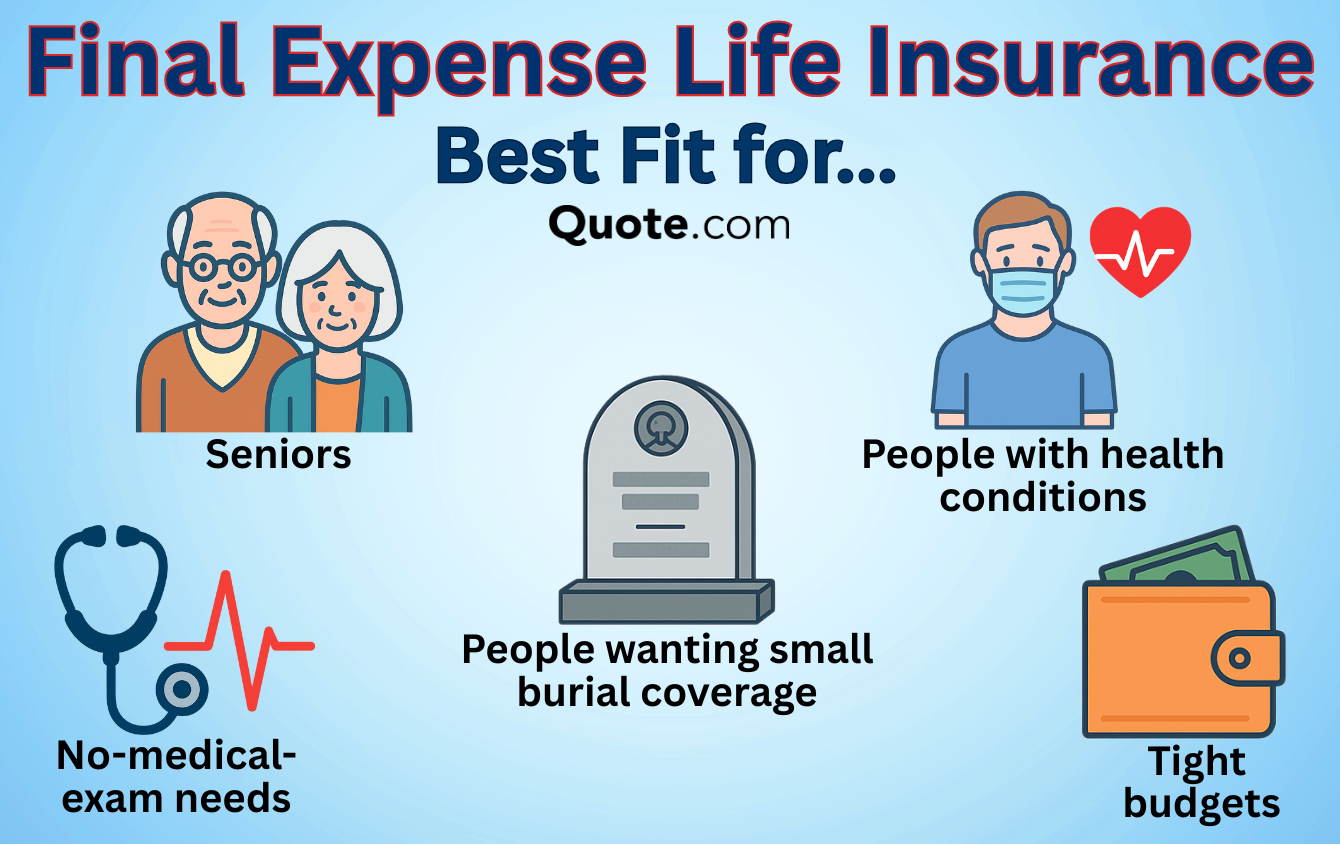
For older adults or individuals with pre-existing health conditions who cannot qualify for traditional medically underwritten policies, specialized providers offer guaranteed acceptance supplemental plans. These policies do not require a medical exam or health questionnaire, though they typically feature graded death benefits where full payouts activate only after a multi-year vesting period.
The Application and Underwriting Process
Securing individual supplemental life insurance requires navigating an underwriting process designed to assess your mortality risk. Knowing what to expect can streamline your application and prevent unexpected premium hikes.
- Needs Analysis: Calculate your financial gap by subtracting your current assets and primary insurance payout from your long-term family financial obligations (debts, living expenses, education goals).
- Quote Comparison: Gather quotes from multiple carriers that specialize in the type of supplemental coverage you require.
- Formal Application: Submit detailed personal information, medical history, lifestyle habits, and beneficiary designations.
- Paramedical Exam (If Applicable): For individual standalone policies, a technician may visit your home or office to check your height, weight, blood pressure, and collect blood and urine samples. Group workplace plans typically bypass this step.
- Policy Issuance and Review: Once underwriting is complete, review the policy contract carefully to verify that all requested riders are included before signing and paying the initial premium.
Common Mistakes to Avoid When Buying Supplemental Insurance
Navigating the life insurance market can be complex, and policyholders frequently make preventable errors that compromise their financial security.
- Relying Solely on Workplace Coverage: Assuming that employer-provided supplemental insurance is sufficient is a major risk. If you change jobs, get laid off, or retire, that coverage usually disappears or becomes prohibitively expensive to maintain.
- Ignoring the Fine Print on Riders: Not all living benefit riders operate the same way. Some deduct administrative fees or heavily discount the accelerated payout amount. Always read the contract definitions for qualifying medical events.
- Failing to Disclose Pre-existing Conditions: Honesty on your application is mandatory. Non-disclosure of medical history can give the insurance company grounds to deny a claim or rescind the policy entirely during the contestability period.
Conclusion and Next Actions
Finding the right supplemental life insurance policy requires looking past marketing claims of a single universal winner and focusing instead on your personal financial architecture. Start by auditing your existing employer-sponsored coverage to identify gaps in income replacement, mortgage protection, or medical safety nets. Request quotes from financially stable, highly rated carriers that specialize in the specific riders you need. By taking a methodical approach to evaluating your options, you can secure a robust supplemental policy that protects your family's financial future under any circumstances.