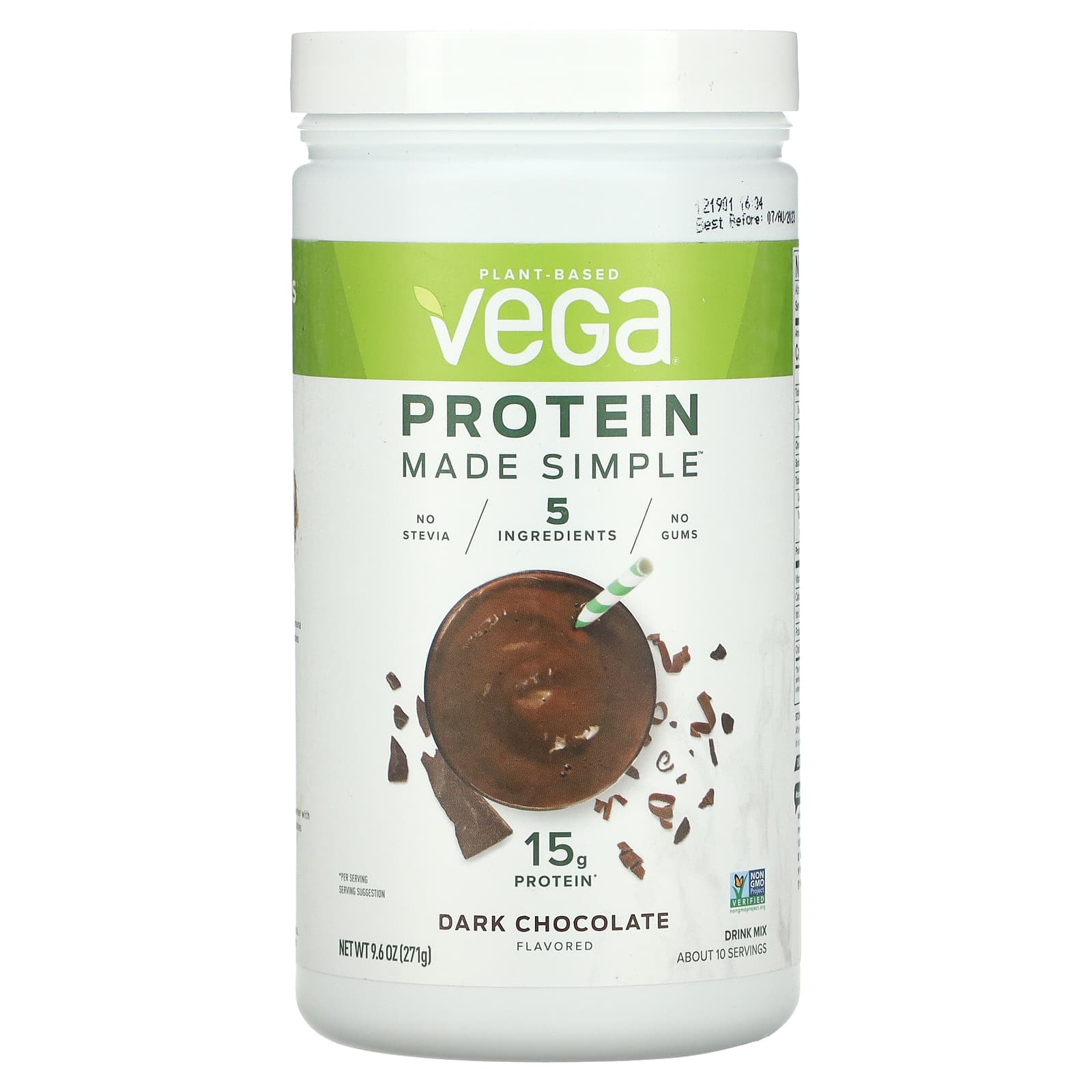
Vega protein shakes are generally healthy, serving as a nutrient-dense, plant-based supplement that can help individuals meet their daily protein requirements, increase fiber intake, and boost micronutrients. However, their healthfulness depends on the specific product line, individual dietary needs, and how they fit into an overall balanced diet, as some varieties contain added sugars or sugar alcohols that may not suit everyone.
When evaluating health foods, modern consumers are increasingly looking beyond marketing slogans to examine ingredient lists, nutritional profiles, and processing methods. Vega, a prominent brand in the plant-based nutrition market, offers a wide array of products ranging from meal replacement shakes to post-workout recovery formulas. Understanding whether these shakes are truly healthy requires a deep dive into what goes into them, how they compare to whole foods, and who stands to benefit the most from incorporating them into their daily routine.
(Note: The information provided in this article is for educational and informational purposes only and does not constitute medical advice. Always consult a registered dietitian, physician, or other qualified healthcare professional before making significant changes to your diet or starting any new supplement regimen.)
Understanding Vega Protein Shakes and Product Variety
To determine if Vega protein shakes are healthy, one must first recognize that "Vega" is not a single product but an entire ecosystem of plant-based powders and ready-to-drink beverages. Formulated originally by Brendan Brazier, a former professional Ironman triathlete, the brand focuses on vegan, plant-derived proteins.
The product lineup spans several distinct categories, each designed for different nutritional goals:
- Vega Sport Protein: Specifically formulated for athletes, typically offering around 30 grams of protein per serving, BCAAs (branched-chain amino acids), tart cherry, and NSF Certified for Sport credentials.
- Vega One All-in-One Shake: Positioned as a meal replacement or comprehensive nutritional supplement, providing protein, greens, vitamins, minerals, probiotics, and fiber.
- Vega Protein & Greens: A lighter option focusing on a moderate amount of protein paired with powdered greens like kale, alfalfa, broccoli, and spinach.
- Vega Protein Made Simple: A minimalist formulation featuring a short ingredient list, lower overall calorie count, and fewer added superfoods or supplements.
Because the nutritional profiles vary drastically across these lines, a blanket statement labeling all Vega shakes as "healthy" or "unhealthy" is scientifically inaccurate. An athlete requiring 30 grams of clean protein after a heavy lifting session has different nutritional requirements than an office worker seeking a low-calorie afternoon snack.
Core Nutritional Components: What is Inside the Tub?
The foundation of any protein shake is its protein source. Vega utilizes various plant-based protein blends to achieve a complete amino acid profile, which means the product contains all nine essential amino acids that the human body cannot synthesize on its own.
Protein Blends and Amino Acid Quality
Unlike animal-based proteins like whey or casein, which are naturally complete proteins, individual plant sources—such as pea, hemp, pumpkin seed, or brown rice—often lack optimal amounts of one or more essential amino acids. Vega strategically combines these sources. For example, pea protein is rich in lysine but low in methionine, whereas brown rice protein is rich in methionine but lower in lysine. Blending them creates a complementary amino acid profile that rivals animal proteins in supporting muscle protein synthesis.
Carbohydrates, Fiber, and Fats
Depending on the specific blend, Vega shakes contain varying amounts of macronutrients:
- Fiber: Many Vega products, particularly Vega One, are fortified with prebiotic fiber from sources like inulin or flaxseed. This supports digestive health and increases satiety.
- Fats: Omega-3 fatty acids derived from ground flaxseed or chia seeds are frequently included, offering heart-healthy alpha-linolenic acid (ALA).
- Carbohydrates: Total carbohydrates vary. While protein-focused powders keep carbs low, meal-replacement variations include higher carbohydrate counts from organic acacia gum, starches, or whole-food powders.
Sweeteners and Flavoring Agents
A common point of contention among nutritionists regarding plant-based powders is how they taste and what is used to achieve that flavor. Plant proteins naturally have an earthy, chalky, or grassy flavor profile. To make them palatable, Vega utilizes sweeteners.
Most Vega products are sweetened with plant-derived options such as organic cane sugar, stevia extract, and monk fruit extract. Some formulations use sugar alcohols like erythritol. While these non-nutritive or low-calorie sweeteners keep sugar grams down, sensitive individuals may experience mild gastrointestinal distress, bloating, or gas from sugar alcohols or high concentrations of inulin fiber.
Micronutrients, Superfoods, and Additives
Beyond macros, Vega shakes often market themselves on their micronutrient density, featuring added vitamins, minerals, and powdered greens.
Vitamins and Minerals
Products like Vega One are fortified to provide a significant percentage of the recommended daily intake (RDI) for various vitamins and minerals, such as vitamins A, C, D, E, K, and B-complex vitamins, as well as minerals like iron and zinc. For individuals with restrictive diets—such as vegans or those eating in a caloric deficit—this fortification can help bridge nutritional gaps. However, individuals taking multi-vitamins or consuming fortified foods should be mindful of total daily intake, particularly for fat-soluble vitamins and minerals like iron.
Greens and Superfood Blends
The inclusion of powdered greens (kale, spinach, spirulina) sounds appealing, but consumers should understand the mechanics of dehydrated vegetable powders. While they supply beneficial antioxidants and phytonutrients, they do not entirely replace the complex matrix of active enzymes, water content, and structural fiber found in whole, fresh vegetables. They are a valuable supplement, not a botanical substitute for a salad.
Gums and Emulsifiers
To ensure a smooth texture when mixed with water or plant milk, Vega shakes incorporate thickeners and emulsifiers such as xanthan gum, acacia gum, and organic gellan gum. For the vast majority of people, these ingredients are safe and well-tolerated. However, individuals with severe inflammatory bowel diseases (IBD) or unique gastrointestinal sensitivities sometimes prefer to avoid industrial gums, as they can occasionally exacerbate bloating.
Nutritional Comparison: Vega vs. Other Protein Sources
To contextualize the healthfulness of Vega protein shakes, it is helpful to compare them against other common dietary protein options across several key metrics.
| Protein Type | Average Protein per Serving | Complete Amino Acid Profile | Digestion & Absorption | Typical Allergen Risk | Added Micronutrients / Greens |
|---|---|---|---|---|---|
| Vega Plant Protein | 20g – 30g | Yes (via blended sources) | Moderate-Fast | Low (Free of dairy, soy, gluten) | High (Vitamins, minerals, greens in select lines) |
| Whey Protein Isolate | 20g – 25g | Yes (Naturally complete) | Very Fast | High (Contains dairy/lactose) | Low (Unless explicitly fortified) |
| Whole Food (Chicken Breast, 3oz) | 21g – 25g | Yes (Naturally complete) | Moderate | Very Low | None (Provides natural vitamins/minerals) |
| Soy Protein Isolate | 20g – 25g | Yes (Naturally complete) | Fast | Moderate-High (Soy allergen) | Low |
As the table illustrates, Vega holds its own regarding protein quantity and amino acid completeness. Its primary advantage is its allergen-friendly profile (typically free from dairy, soy, and gluten), making it an accessible option for those with food intolerances.
Potential Health Benefits of Vega Protein Shakes
When integrated thoughtfully into a healthy lifestyle, Vega protein shakes offer several tangible benefits:
- Convenience and Muscle Recovery: For busy professionals or athletes, mixing a scoop of protein powder provides a rapid, portable source of amino acids required to repair muscle tissue after resistance training or endurance exercise.
- Increased Satiety and Weight Management: High-protein, high-fiber snacks help regulate ghrelin (the hunger hormone) and stabilize blood sugar levels compared to refined carbohydrate snacks, assisting individuals attempting caloric restriction for weight management.
- Support for Plant-Based Diets: Transitioning to a vegetarian or vegan diet can sometimes make meeting daily protein and iron targets challenging. Vega shakes provide a reliable dietary safety net.
Potential Drawbacks and Considerations
Despite their advantages, certain aspects of Vega shakes warrant caution:
- Ultra-Processed Nature: Protein powders are heavily processed, isolated foods. While convenient, they lack the complex food matrix, mastication requirements, and thermic effect of whole foods. Relying on them exclusively for nutrition is discouraged by dietitians.
- Gastrointestinal Distress: Due to the inclusion of concentrated fibers (inulin), sugar alcohols, or pea protein, some users report gas, bloating, or cramping—particularly when starting with full scoops or mixing them too quickly.
- Sodium and Calorie Content: Certain meal-replacement varieties contain higher sodium and calorie counts. Individuals monitoring their blood pressure or adhering to strict caloric limits should read nutrition labels closely.
- Cost: Premium plant-based protein powders represent a significant financial investment compared to whole-food proteins like lentils, beans, or bulk eggs.
Expert Guidance: How to Choose and Use Protein Shakes Safely
To maximize the health benefits of Vega protein shakes while mitigating potential downsides, consider the following practical strategies:
- Match the Product to the Goal: Select Vega Sport if your primary goal is athletic recovery and muscle building. Choose Vega Protein & Greens if you want a clean, low-calorie protein boost with minimal extras. Opt for Vega One only if you are using it as a true meal replacement and need the extra vitamins and fiber.
- Prioritize Whole Foods First: Treat protein shakes as a supplement rather than a dietary foundation. Whole food sources—such as tofu, tempeh, edamame, lentils, beans, poultry, and fish—should form the bedrock of your protein intake.
- Monitor Digestive Tolerance: If you are new to plant-based protein powders or high-fiber supplements, start with a half-serving mixed in plenty of water to allow your digestive system to adapt.
- Inspect Ingredient Labels: Check for specific sweeteners or additives if you have known sensitivities to sugar alcohols, stevia, or specific gums.
Vega protein shakes can be a healthy, highly convenient addition to a balanced lifestyle, provided they are used mindfully to complement—rather than replace—a diverse diet rich in whole, unprocessed foods.