Developing a high-performance recruitment strategy is critical for tech startups aiming to secure top-tier engineering, product, and operational talent in a competitive 2026 market. By implementing a structured, repeatable hiring process—centered on candidate experience, data-driven assessment, and cultural alignment—startups can replace erratic, ad-hoc hiring with a sustainable pipeline that attracts and retains the specialized talent required for rapid scaling.
Defining the Recruitment Lifecycle for Early-Stage Tech
For a tech startup, the recruitment process is not merely a human resources function; it is an extension of the product development lifecycle. The goal is to move from reactive "firefighting"—hiring only when a gap becomes painful—to proactive talent acquisition. A professional recruitment example begins with defining the "Ideal Candidate Persona." This involves identifying not just the hard technical skills required, such as proficiency in Rust or expertise in specific cloud-native architectures, but also the behavioral competencies that allow a candidate to thrive in high-ambiguity environments.
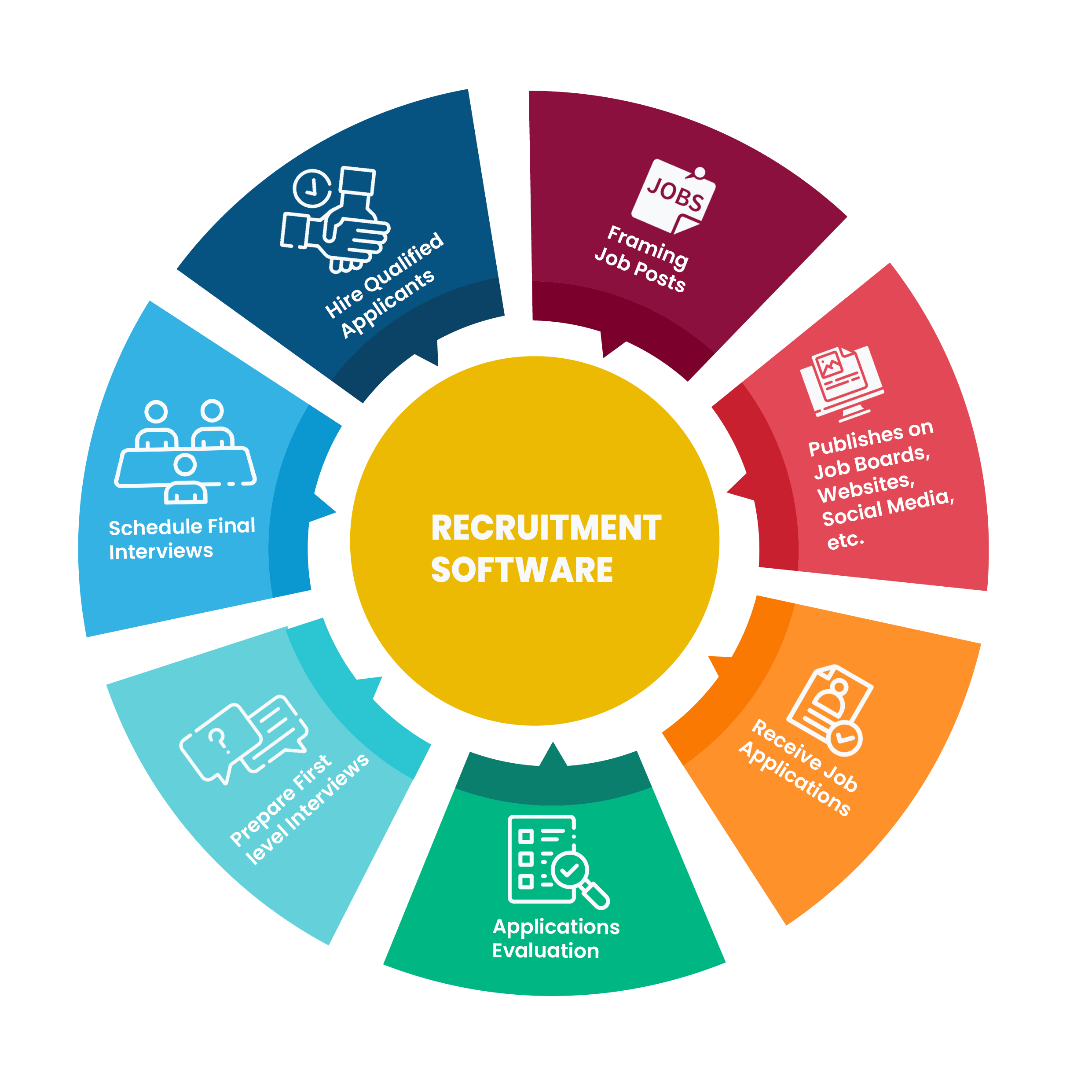
In 2026, the most effective startups utilize a systematic funnel. This includes sourcing through technical communities, rigorous initial screening, structured technical interviews, and a comprehensive final evaluation. By standardizing these steps, companies reduce bias, improve candidate quality, and shorten the time-to-hire, which is essential when every headcount significantly impacts burn rate and velocity.
Step 1: Pre-Recruitment Infrastructure and Requirements
Before posting a job description, leadership must establish the infrastructure for evaluation. This requires defining the "must-haves" versus the "nice-to-haves." A common mistake is listing every technology stack the company uses, which discourages high-quality, generalist engineers who can adapt quickly.
Key components of infrastructure include:
- The Scorecard: A standardized grid for every role that lists the 3-5 core competencies required. Every interviewer grades the candidate against these same metrics to ensure consistency.
- The Interview Rubric: Specific questions tied to the Scorecard, accompanied by "ideal answer" markers to guide the interviewers in their assessment.
- Technical Benchmarks: Establishing whether you require a take-home challenge, a live-coding session, or a system design review. In 2026, the industry is shifting toward "real-world" problem solving rather than algorithmic puzzles to better mirror daily work.
Step 2: The Sourcing and Outreach Strategy
Startups often struggle with the "noise" of modern job boards. Relying solely on inbound applications often yields a high volume of unqualified candidates. A superior strategy involves a mix of inbound and outbound sourcing.
For technical roles, GitHub, Stack Overflow, and niche professional communities remain the primary hunting grounds. However, the approach matters. Cold outreach should focus on the technical challenge the candidate will solve. Experienced engineers are rarely motivated by generic perks like "ping pong tables"; they are motivated by hard problems, architectural control, and the opportunity to build foundational systems.
Step 3: Standardized Assessment and Interview Workflow
The assessment phase is where most startups lose potential talent due to inefficiency. A structured workflow ensures that all candidates receive a similar experience, which is not only fair but also provides data that allows the recruitment team to calibrate their hiring bar over time.
| Interview Stage | Goal | Recommended Format |
|---|---|---|
| Recruiter Screen | Fit & Logistics | 30-min call focusing on career goals and interest. |
| Technical Screen | Baseline Competency | Live-coding or deep-dive technical interview. |
| Deep Dive | Skill & Depth | System design, architectural review, or portfolio check. |
| Cultural/Value Match | Team Integration | Peer-to-peer interview with potential teammates. |
| Leadership Final | Alignment | Final check on vision, ownership, and long-term fit. |
Step 4: The Evaluation and Decision-Making Loop
Decision-making in a startup should be collaborative but decisive. Following each interview, the interviewer must submit their feedback into the scorecard before seeing the feedback of others. This prevents "anchoring bias," where the first person's opinion influences the entire group.
Weekly hiring syncs are essential for tracking the funnel. If a particular stage of the interview process sees a high drop-off rate, it serves as an early warning that the process is either too difficult, too lengthy, or poorly communicated. In 2026, the data-driven startup uses these meetings to adjust the weight of specific interview stages based on the correlation between high performance in the interview and actual job performance post-onboarding.
Mitigating Common Startup Recruitment Mistakes
Even with a clear process, startups frequently fall into traps that hinder growth. One major mistake is "Culture Fit" versus "Culture Add." A culture-fit approach often leads to homogeneity, where the team hires people who think and act exactly like the founders. A "Culture Add" approach, conversely, asks what perspective or skill is currently missing from the team that would make the company stronger.
Another frequent error is the lack of a "closing" strategy. Recruitment does not end when the offer is sent. Candidates, especially in the 2026 tech market, are likely to have multiple offers. Startups must differentiate themselves by showing the candidate their potential impact. This involves transparent discussions about the equity structure, the company's growth roadmap, and clear expectations for the role's growth trajectory.
Operationalizing Your Recruitment Funnel
To scale recruitment effectively, you must treat your candidate pipeline like a sales funnel. This involves:
- Tracking Conversion Rates: Measure the percentage of candidates who move from the initial screen to the final offer. If this number is too high, your top-of-funnel is too narrow; if it is too low, your bar might be unrealistic for the current market stage.
- Maintaining Candidate Communication: In the world of developer hiring, silence is a signal of disinterest. Automated, personalized updates regarding a candidate's status in the process are non-negotiable.
- Refining Job Descriptions: Regularly audit job postings to ensure they reflect the current technical reality of your project, not the aspirations you had six months ago.
The Role of Equity and Compensation
In 2026, compensation transparency is standard. Startups must be prepared to discuss equity packages in clear, simple terms. Many candidates are wary of complex vesting schedules or diluted cap tables. Providing a clear, documented summary of what equity means, the current valuation, and potential upside scenarios helps build the trust required to win over candidates who might otherwise prefer the stability of a larger corporation.
Balancing Speed and Thoroughness
The tension between hiring quickly and hiring correctly is constant. While a startup cannot afford to leave critical roles empty for months, a bad hire in an early-stage team can be catastrophic to both culture and product progress. A "hiring committee" or a designated "bar raiser"—a person trained to maintain the quality bar—is often used to ensure that the desire for speed does not compromise the long-term integrity of the engineering organization.
Expert Guidance for Sustainable Growth
As your startup grows, consider transitioning from ad-hoc hiring to an internal talent acquisition function once you reach 30–50 employees. Before that point, founders should remain heavily involved, as the earliest hires define the culture for everyone who follows. Never delegate the "vision" component of the interview; while you may outsource screening, the final validation of a candidate's alignment with the mission must always come from the leadership team.
To succeed in recruitment, maintain a library of "Interview Guides" for each role. These guides should be updated quarterly to reflect changes in the tech stack or product priorities. When a new team lead takes over a department, they should be able to pick up the guide and immediately understand how the team conducts interviews, ensuring a seamless continuity of standards.
Frequently Asked Questions
What is the most important metric to track for startup recruiting? Quality of hire is paramount, but for startups, "Time to Fill" and "Candidate Pass-Through Rate" are the most actionable. These metrics reveal where your pipeline is broken or where your requirements are too stringent.
How many interviews are too many? For most roles, 4 to 5 interviews are sufficient. Going beyond this often results in diminishing returns and causes top candidates to withdraw due to "interview fatigue." Keep the process efficient to ensure you don't lose talent to faster competitors.
Should we use AI for resume screening in 2026? AI tools can help organize and summarize applicant data, but they should never be the final arbiter. Use AI to assist with scheduling and initial sorting, but ensure a human recruiter reviews every qualified applicant to catch potential talent that automated filters might reject.
How do we handle "Culture Fit" without being biased? Shift your focus to "Value Alignment." Instead of looking for people who share your hobbies, look for candidates who demonstrate the behaviors that match your stated core values, such as "bias for action," "radical transparency," or "customer obsession."
What is the best way to reject a candidate? Always provide timely, professional feedback. If possible, offer a short note on why they weren't a fit. This maintains your brand reputation and keeps the door open for future opportunities if the candidate gains more experience.
Next Steps for Implementation
To begin, conduct a "recruitment audit" this week. Review your last five hires and identify the stages where the process was strongest and where it felt rushed. Take the best practices from those successful hires and draft your official "Standard Recruitment Procedure" document. Use this document to train every team member who will be involved in interviews, ensuring that when your next major hiring push arrives, your team is ready to act with both speed and confidence.