Viewing Marilyn Monroe through a new lens in 2026 requires shifting focus from the "tragic blonde" archetype toward her sophisticated role as a producer, intellectual, and pioneer of celebrity branding. Modern scholarship and recently digitized archives emphasize her professional agency, her strategic navigation of the predatory studio system, and her enduring influence on digital-era fame.
Beyond the Platinum Blonde: The Evolution of the Monroe Myth
For decades, the cultural narrative surrounding Marilyn Monroe was viewed through a narrow aperture: she was either the ultimate sex symbol or the ultimate victim. However, by 2026, a significant shift in public and academic perception has occurred. This "new lens" moves away from the tabloid-heavy focus on her personal tragedies and mysterious death, focusing instead on her labor as a performer and her intellectual curiosity.
The traditional view often characterized Monroe as a "natural" talent who stumbled into fame. Contemporary analysis reveals the opposite. Monroe was a meticulous student of her craft, utilizing the Method acting techniques of Lee Strasberg to deconstruct and reassemble her public persona. The "Marilyn" that audiences saw was a curated performance—a character she referred to in the third person. By examining her annotated scripts and personal notebooks, researchers have uncovered a woman deeply committed to the technicalities of lighting, camera angles, and emotional resonance.
This evolution in perspective is not merely a revisionist history; it is a response to the wealth of primary source material that has become more accessible in the mid-2020s. From the 2010 publication of Fragments: Poems, Intimate Notes, Letters to the more recent digital archiving of her private library, the evidence points to an individual who was constantly self-educating. Her collection included works by James Joyce, Walt Whitman, and Sigmund Freud, suggesting a depth that the 1950s studio marketing machine worked tirelessly to obscure.
The Businesswoman: Marilyn Monroe Productions
One of the most significant aspects of the "new lens" on Marilyn Monroe is the recognition of her status as a revolutionary in Hollywood business. In 1954, at the height of her fame, Monroe did the unthinkable: she walked away from 20th Century Fox to form her own company, Marilyn Monroe Productions (MMP). She was only the second woman in Hollywood history, after Mary Pickford, to do so.
This move was born out of a desire for artistic control and better compensation. At the time, she was being paid significantly less than her male co-stars and was trapped in "dumb blonde" roles that she found unfulfilling. By moving to New York and studying at the Actors Studio, she forced the industry to take her seriously.
The resulting contract she eventually negotiated with Fox was unprecedented. It granted her:
- Approval of directors.
- Approval of cinematographers.
- The right to work for other studios.
- A significantly higher salary plus a share of the profits.
In 2026, business historians view this not just as an actress’s rebellion, but as the blueprint for the modern "independent" star. Every actor who today negotiates a "first-look" deal or starts their own production house owes a debt to Monroe’s 1955 victory over the studio heads.
Modern Media Interpretations and the "Blonde" Effect
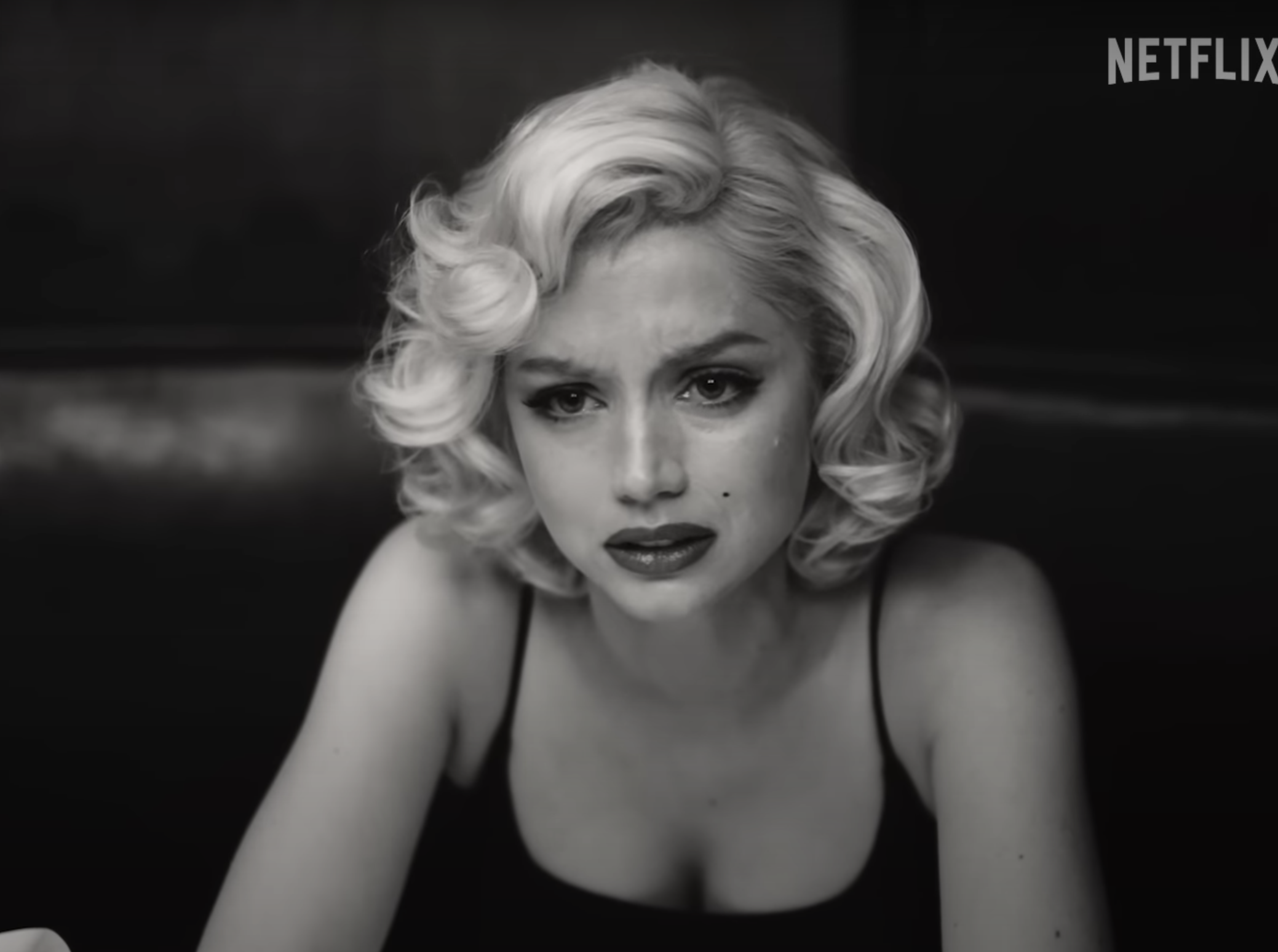
The 2020s have seen several high-profile attempts to re-examine Monroe's life, most notably the 2022 film Blonde. While controversial, these modern interpretations have forced a conversation about the ethics of celebrity consumption. The "new lens" in 2026 treats these works as cultural artifacts that reflect our own societal fixations rather than definitive biographies.
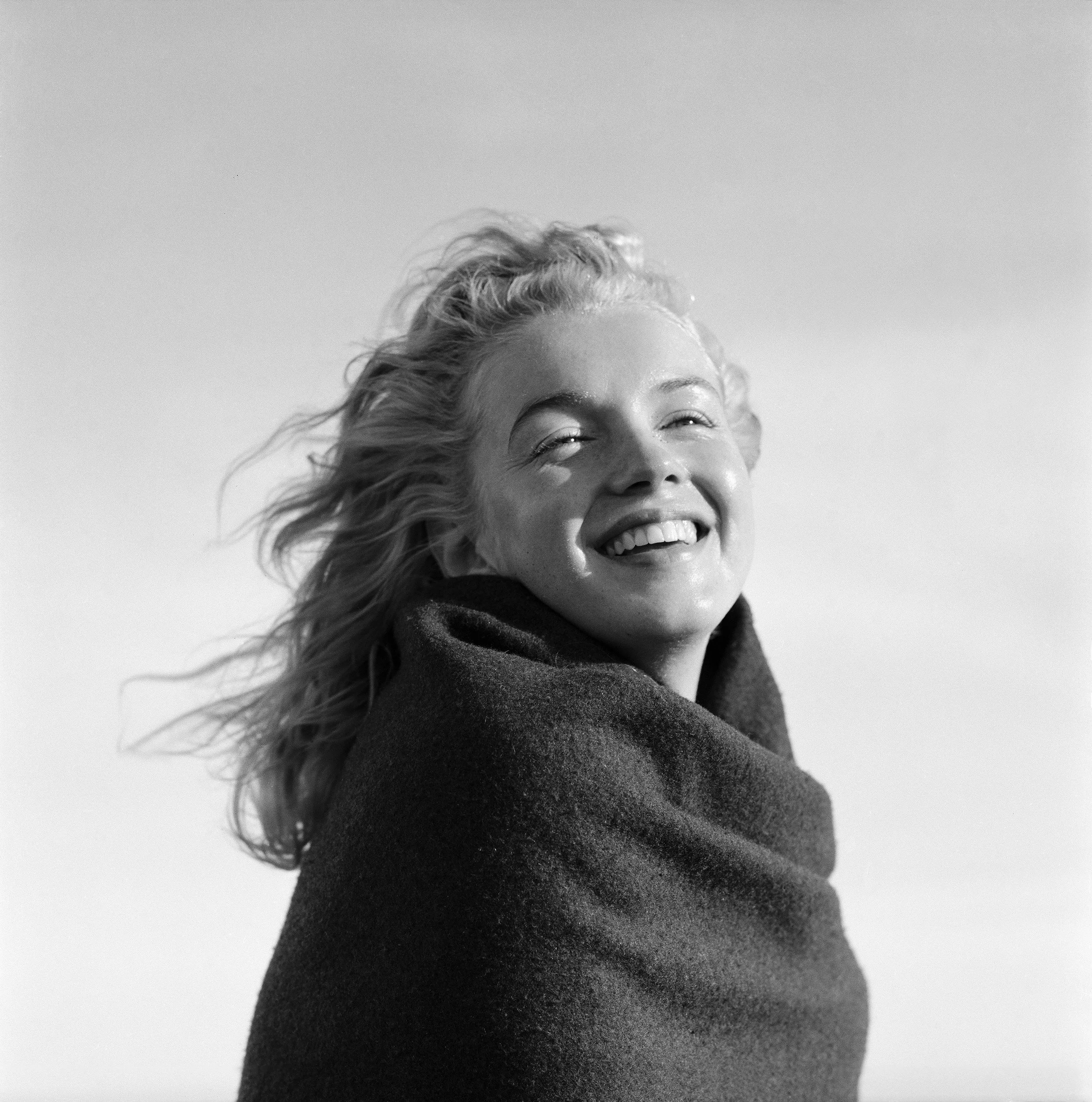
Critics now argue that many 21st-century portrayals still lean too heavily into the "trauma" narrative, often ignoring Monroe's sharp wit and her documented moments of joy and triumph. The discussion has moved toward "reclaiming" Monroe from the male gaze. This involves looking at her work through the eyes of female directors, photographers like Eve Arnold—who captured Monroe in moments of quiet contemplation—and feminist scholars who see her as a woman who successfully exploited a system that was designed to exploit her.
Furthermore, the rise of "slow media" and long-form video essays in 2026 has allowed for a more nuanced deconstruction of her filmography. Instead of just focusing on The Seven Year Itch, there is renewed interest in her performance in The Misfits (1961) and Don't Bother to Knock (1952), which showcase her range beyond the musical comedy genre.
Forensic Archiving: The Impact of Material Culture
Our understanding of Marilyn Monroe is increasingly shaped by "material culture"—the physical objects she left behind. In recent years, high-profile auctions at houses like Julien’s Auctions have provided a "forensic" look at her life. While some find the sale of her personal items invasive, these auctions have inadvertently preserved a paper trail of her daily existence.
Researchers have used these archives to piece together her health records, her financial struggles despite her fame, and her extensive charitable giving. For example, the discovery of her receipts and invoices showed a woman who was often the primary breadwinner for an extended circle of friends and family, contradicting the image of a flighty, irresponsible star.
Comparative Perspective: Traditional vs. Modern "Lens"
The following table outlines the key differences between the legacy narrative of the 20th century and the "new lens" perspective prevalent in 2026.
| Feature | 20th Century Legacy Narrative | 2026 "New Lens" Perspective |
|---|---|---|
| Primary Identity | Sex Symbol / Tragic Victim | Artist / Strategist / Intellectual |
| Professional Agency | Managed by Studios/Husbands | Founder of Marilyn Monroe Productions |
| Intellectual Life | "Dumb Blonde" Persona | Self-Taught Bibliophile & Poet |
| Acting Style | Natural / Effortless | Rigorous Method Acting Training |
| Cultural Impact | Pin-up Girl Aesthetic | Pioneer of Modern Celebrity Branding |
| Death Context | Tabloid Conspiracy Theories | Discussion of Mental Health & Privacy |
| Economic Status | Exploited Performer | High-Stakes Contract Negotiator |
The Ethics of Digital Resurrection and AI
As we navigate 2026, the "new lens" on Marilyn Monroe includes a technical and ethical challenge: the use of Artificial Intelligence to recreate her image. Monroe’s estate, managed by Authentic Brands Group (ABG), has navigated the complex waters of digital likeness rights.
The "digital resurrection" of Marilyn in advertisements and potential film cameos raises profound questions about consent and the "immortality" of fame. Unlike living celebrities who can manage their digital twins, Monroe’s image is a multi-million dollar asset managed by a corporation. This has sparked a new field of legal and ethical study regarding the "Right of Publicity" after death.
For fans and scholars, the AI version of Marilyn is often seen as a hollow imitation that lacks the "luminous" quality that cinematographers of the 1950s struggled to capture on film. The new lens here is one of caution: while technology allows us to see "new" performances, it also risks diluting the authentic human struggle that made her performances so compelling in the first place.
Navigating the Monroe Archives: A Guide for Researchers
If you are looking to explore this new perspective on Marilyn Monroe, several key resources provide a more grounded, evidence-based view of her life.
- The Lee Strasberg Notes: Available through various theater archives, these documents detail her commitment to the craft and her vulnerability in the learning process.
- The Fragments Collection: This remains the primary source for her internal thoughts, poems, and letters, showing a woman grappling with her identity and the pressures of fame.
- Legal and Financial Records: Publicly available records of the lawsuit between Marilyn Monroe Productions and 20th Century Fox offer a masterclass in 1950s Hollywood law and Monroe's personal bravery.
- Photography of Eve Arnold and Milton Greene: Unlike the staged studio stills, these photographers captured Monroe as a collaborator in the image-making process.
By focusing on these primary sources, one can bypass the "Marilyn Industrial Complex" that favors myth over reality. The goal is to see the woman who existed in the gaps between the frames of her films—the woman who was often tired, frequently brilliant, and always more in control than she was given credit for.
Practical Considerations for 2026 Fans
For those engaging with Monroe's legacy today, it is important to distinguish between the "brand" and the "person."
- Verification: When reading new "revelations" about her life, check if they are backed by the Marilyn Monroe Estate or credible biographers like Sarah Churchwell or Donald Spoto.
- Media Literacy: Recognize that most documentaries and biopics prioritize narrative drama over historical accuracy. The "lens" you use should be one of healthy skepticism toward any source that claims to have "solved" her mystery.
- Support Preservation: Focus on organizations that preserve her filmography in high-definition formats, as the technical brilliance of her work is often lost in low-quality streaming.
Common Mistakes in Modern Monroe Analysis
Despite the shift toward a more nuanced view, several common pitfalls remain in the "Marilyn discourse" of 2026:
- Over-pathologizing: While Monroe struggled with mental health and substance use, reducing her entire life to a series of traumas ignores her significant professional achievements and her legendary sense of humor.
- Ignoring the Context of the 1950s: It is easy to judge her choices by 2026 standards. However, a true "new lens" requires understanding the immense social and legal limitations placed on women during her lifetime.
- Conflating Character with Actor: Many still assume she was the characters she played (e.g., Sugar Kane or Lorelei Lee). Recognizing her skill in creating these distinct, iconic characters is the first step toward true appreciation.
Frequently Asked Questions
What is the most accurate documentary on Marilyn Monroe?
While many exist, Love, Marilyn (2012) is often cited by scholars as a foundational "new lens" documentary because it uses her own writings (from Fragments) to drive the narrative, allowing her own voice to take center stage rather than relying solely on external observers.
Did Marilyn Monroe actually have a high IQ?
The persistent rumor that she had an IQ of 160 is likely apocryphal, as there is no record of her ever taking a formal IQ test. However, her extensive personal library, her participation in political discourse, and her sophisticated business maneuvers prove a high level of intellectual engagement and "street smarts" that far exceeded her public image.
How did the 2022 film Blonde change the way we see her in 2026?
Blonde acted as a catalyst for a massive backlash against the "victimization" of Monroe. It pushed fans and historians to demand a more balanced portrayal that celebrates her agency. In 2026, the film is often used as a teaching tool for how not to approach a biographical subject.
Is it possible to visit her archives?
Many of her personal papers are held in private collections or by the estate, but several university libraries and museums (such as the Academy Museum of Motion Pictures) frequently host exhibitions featuring her scripts, costumes, and correspondence.
Why is she still so famous in 2026?
Her fame persists because she represents a unique intersection of beauty, talent, and a modernized "David vs. Goliath" story (her fight against the studios). Additionally, her image was one of the first to be "globalized" through mass media, making her a universal symbol of the 20th century.
Recommendation for Next Actions
To truly appreciate the "new lens" on Marilyn Monroe, move beyond the static images and delve into her actual work. Start by watching The Misfits (1961), paying close attention to the raw, unpolished nature of her performance, which signaled the direction her career might have taken had she lived. Pair this with a reading of Fragments to contrast her internal world with her on-screen presence. Finally, stay informed through reputable film historians who prioritize archival evidence over tabloid speculation.