A comprehensive Met Gala recap analyzes the intersection of high fashion, celebrity influence, and the Costume Institute's curatorial vision for the current year. It provides an evaluative summary of how attendees interpreted the specific dress code, the technical craftsmanship of the garments, and the broader cultural implications of the 2026 theme.
The Met Gala, formally known as the Costume Institute Benefit, remains the most significant event on the global fashion calendar. As of May 2026, the gala has evolved from a traditional high-society fundraiser into a massive multi-platform media event that dictates seasonal trends and defines the legacies of both designers and celebrities. This year’s gala, which took place on the first Monday in May, centered on the theme "The Architecture of Elegance: A Century of Structure." This theme challenged designers to look beyond surface-level ornamentation and focus on the internal engineering, historical silhouettes, and the physical construction of garments from the early 20th century to the present day.
The 2026 Theme: The Architecture of Elegance
To understand the 2026 Met Gala recap, one must first grasp the technical and historical nuances of the theme. Curated by Andrew Bolton, the Wendy Yu Curator in Charge of the Costume Institute, "The Architecture of Elegance" sought to bridge the gap between structural engineering and haute couture. While previous years, such as 2024’s "Sleeping Beauties: Reawakening Fashion," focused on the ephemeral and organic nature of clothing, 2026 turned the spotlight toward the rigorous, often hidden frameworks that give fashion its shape.
Designers were encouraged to reference the works of master couturiers known for their structural prowess, such as Cristóbal Balenciaga, Charles James, and Madame Grès. The result on the red carpet was a shift away from sheer fabrics and "naked dresses" toward voluminous architectural wonders, rigid corsetry, and 3D-printed exoskeletons. The recap of this theme highlights a return to formality, where the "architecture" of the dress was just as important as the person wearing it.
Historical Context and Curatorial Intent
The 2026 exhibition at the Metropolitan Museum of Art serves as the foundation for the gala’s dress code. By focusing on "Structure," the museum aimed to highlight the labor-intensive process of pattern-making and the mathematical precision required to create iconic silhouettes. This focus was a direct response to the increasing speed of fast fashion, serving as a reminder of the value of slow, deliberate craftsmanship. The recap must acknowledge that the 2026 gala was not just a party but a celebration of the technical mastery required to sustain the fashion industry's artistic integrity.
Highlighting the Red Carpet: Sartorial Successes
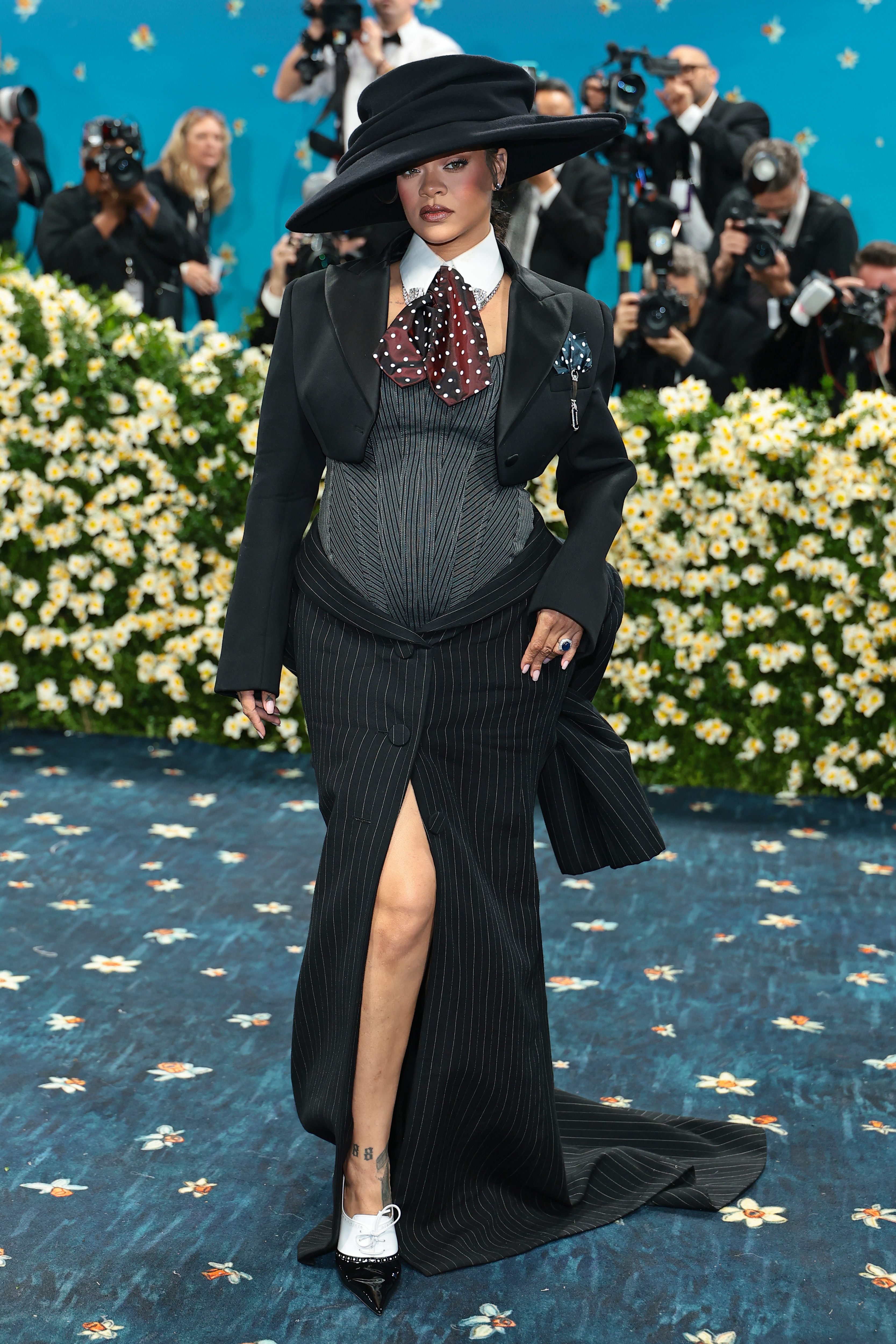
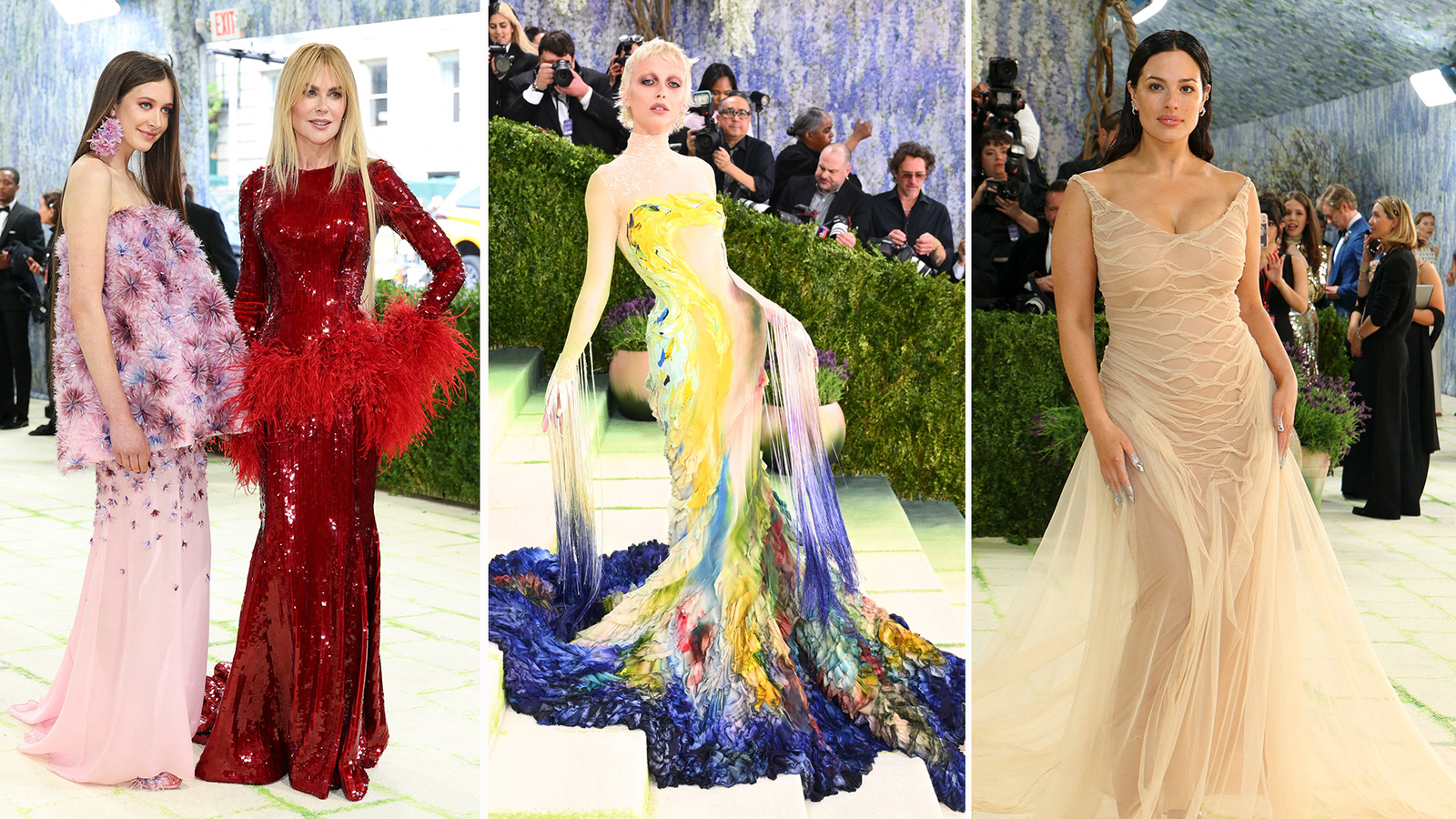
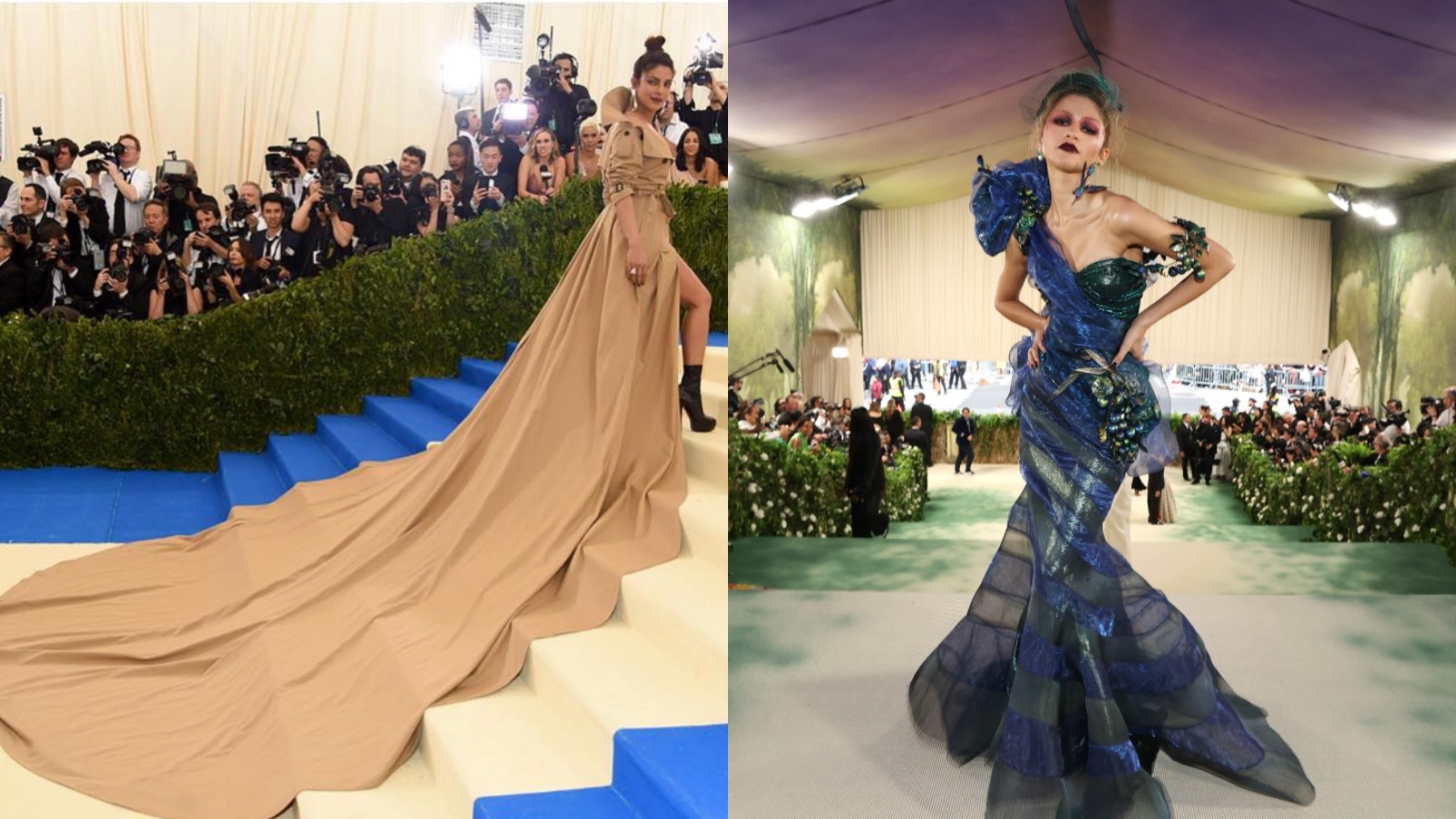
The 2026 red carpet was a masterclass in varied interpretations of "Structure." Unlike years where the theme was widely misinterpreted, the 2026 dress code provided a clear aesthetic boundary that resulted in some of the most cohesive looks in recent history.
The Rise of Kinetic Fashion
A major trend noted in the 2026 recap was the use of kinetic elements in clothing. Several high-profile attendees wore garments that utilized micro-robotics and shape-memory alloys to alter their silhouette as they moved up the museum's iconic steps. For instance, one notable ensemble featured a gown that expanded its pleats based on the wearer's heart rate, a feat of wearable technology that perfectly encapsulated the "Architecture" theme.
Sustainable Structuralism
In line with the 2026 industry standards for sustainability, many designers utilized recycled materials to create rigid, architectural forms. We saw the use of carbon-neutral filaments and repurposed industrial materials transformed into delicate bodices. This evolution shows that the Met Gala recap is no longer just about who wore what, but also about the material ethics behind the creations.
Comparative Overview of Recent Met Galas
To place the 2026 event in context, it is helpful to compare it with the preceding years. Each gala leaves a distinct mark on the fashion world based on its theme and the cultural climate of the time.
| Year | Theme | Primary Aesthetic Focus | Key Cultural Moment |
|---|---|---|---|
| 2024 | Sleeping Beauties: Reawakening Fashion | Fragility, Nature, Sensory Experience | Introduction of AI-driven garment restoration. |
| 2025 | Superfine: Tailoring Black Style | Dandyism, Identity, Historical Tailoring | Celebration of Black craftsmanship and global influence. |
| 2026 | The Architecture of Elegance | Structure, Engineering, Silhouette | Integration of robotics and 3D-printed couture. |
This table illustrates the progression from the organic and historical (2024) to the identity-focused (2025) and finally to the technical and structural (2026). The 2026 recap emphasizes that "Structure" was a natural successor to the "Tailoring" focus of 2025, moving from the social meaning of clothes to their physical reality.
Behind the Scenes: The Logistics of the 2026 Gala
The recap of the Met Gala would be incomplete without addressing the sheer scale of the event's production. In 2026, the guest list was tighter than in previous years, emphasizing "quality over quantity." This decision, led by Vogue editor-in-chief Anna Wintour, aimed to give each guest more space to showcase their architectural garments, many of which were several feet wide.
The Seating Chart and Social Dynamics
The seating chart for the 2026 gala remained one of the most guarded secrets in the industry. The strategy involves pairing seasoned fashion icons with rising digital creators and technological innovators. This mix is designed to spark conversations that extend beyond the evening, often leading to collaborations between the tech and fashion sectors. The 2026 recap notes a significant increase in guests from the aerospace and bio-engineering fields, reflecting the year's focus on structural integrity.
Fundraising and Impact
The primary goal of the Met Gala is to fund the Costume Institute. In 2026, the event raised a record-breaking amount, exceeding $25 million in a single night. These funds are vital for the preservation of the museum's collection, which includes over 33,000 objects spanning seven centuries. The 2026 recap highlights that the cost of attendance—tickets reportedly reaching $75,000 per person—continues to be a point of both prestige and public debate.
Technical Analysis: Common Mistakes in Theme Interpretation
While 2026 saw high compliance with the theme, there are always outliers. A detailed look at the recap involves identifying where certain looks failed to meet the curatorial standard.
- Over-Reliance on Literalism: Some attendees took "Architecture" too literally, wearing garments that resembled specific buildings (like the Chrysler Building or the Guggenheim). While visually striking, these often lacked the "Elegance" required by the second half of the theme.
- Ignoring the Silhouette: "Structure" is fundamentally about the shape of the body within the garment. Looks that were oversized but lacked internal support or intentional tailoring were often criticized for being "sloppy" rather than "structural."
- Fabric Choice Missteps: Lightweight fabrics like chiffon or jersey were difficult to execute under the 2026 theme unless they were heavily reinforced. Guests who chose these without adequate structural backing often looked underdressed compared to the evening's "architectural" standard.
The Exhibition: Beyond the Red Carpet
The recap of the event must also look at what the public experiences after the celebrities have left. The 2026 exhibition, "The Architecture of Elegance," is divided into several galleries that explore different "structural" eras.
- The Foundation Gallery: Features the corsetry and crinolines of the 19th century, showing how the "architecture" of fashion has always been a form of body modification.
- The Modernist Wing: Focuses on mid-century designers like Balenciaga, who treated fabric like stone, carving out space around the body.
- The Future Pavilion: Showcases the 2026 additions to the permanent collection, including the robotic and 3D-printed garments seen on the red carpet.
Visitors to the Metropolitan Museum of Art can view these pieces through the summer of 2026. The exhibition provides the necessary context that justifies the extravagance of the gala itself.
The Role of Social Media in the 2026 Recap
By 2026, the "recap" of the Met Gala is no longer a centralized narrative controlled by a few fashion magazines. Instead, it is a decentralized collection of perspectives.
- Real-time Analysis: Fashion critics on platforms like TikTok and Instagram use "Red Carpet Scoring" filters to provide immediate feedback on looks.
- The "Behind-the-Scenes" Vlogs: In 2026, the Met relaxed its strict "no-phone" policy for certain designated areas, allowing for more authentic, "raw" content from the guests themselves.
- AI-Generated Summaries: Many users now rely on AI tools to aggregate thousands of red carpet photos and provide a "consensus" recap of the night's best and worst dressed.
Troubleshooting the Trends: Expert Guidance for Fashion Analysts
For those looking to analyze or recap the Met Gala professionally, several factors must be considered to ensure a high-quality critique.
- Verify the Designer: Never assume a designer based on a celebrity's past history. Many stars switch houses specifically for the Met Gala to fit the theme better.
- Check the Archive: Often, the best looks at the Met Gala are archival pieces. In 2026, several stars wore vintage 1950s Dior, which perfectly suited the "Structure" theme. Identifying these pieces adds depth to any recap.
- Consider the Lighting: The Met's lighting is notoriously difficult for photography. A garment that looks "flat" in a paparazzi photo may actually have incredible structural depth when seen in the professional museum portraits.
FAQs
What was the dress code for the 2026 Met Gala?
The 2026 dress code was "The Architecture of Elegance." It required attendees to wear garments that emphasized structural integrity, historical silhouettes, and innovative garment engineering. This differed from previous years by focusing more on the "how" of a dress rather than just the "what."
Who were the co-chairs for the 2026 Met Gala?
The 2026 co-chairs included a mix of fashion icons and technological pioneers, reflecting the year's theme. While the official list was led by Anna Wintour, it featured prominent designers known for structural work and several high-profile actors who have long-standing relationships with the Costume Institute.
How can the public view the 2026 Met Gala exhibition?
The exhibition "The Architecture of Elegance: A Century of Structure" opened to the public on the Thursday following the gala. It is located in the Anna Wintour Costume Center at the Metropolitan Museum of Art and typically runs through early September.
Why is the Met Gala held on the first Monday in May?
The tradition of holding the gala on the first Monday in May began in 1948 and was solidified in the modern era to signify the opening of the Costume Institute's annual spring exhibition. It has become a standardized date in the fashion industry, similar to the start of Fashion Weeks.
What happens to the dresses after the Met Gala?
Most custom gowns are returned to the designer's archives or are donated to the Costume Institute’s permanent collection if they are deemed historically significant. Some celebrities own their garments, while others return "loaner" pieces to the fashion houses.
How much does a ticket to the 2026 Met Gala cost?
For 2026, individual tickets were priced at $75,000, while tables started at approximately $350,000. These costs are usually covered by fashion houses or corporate sponsors who invite celebrities as their guests.
Practical Recommendation: Navigating the Recap
For those following the 2026 Met Gala recap, the best approach is to cross-reference multiple sources. Start with the official Vogue coverage for high-resolution images and designer confirmations. Then, look to academic or professional fashion critics for a deeper analysis of the theme's historical accuracy. Finally, visit the Council of Fashion Designers of America (CFDA) for insights into how the gala's trends will influence the upcoming retail seasons. By synthesizing these viewpoints, you gain a holistic understanding of how the 2026 Met Gala has shaped the current fashion landscape.