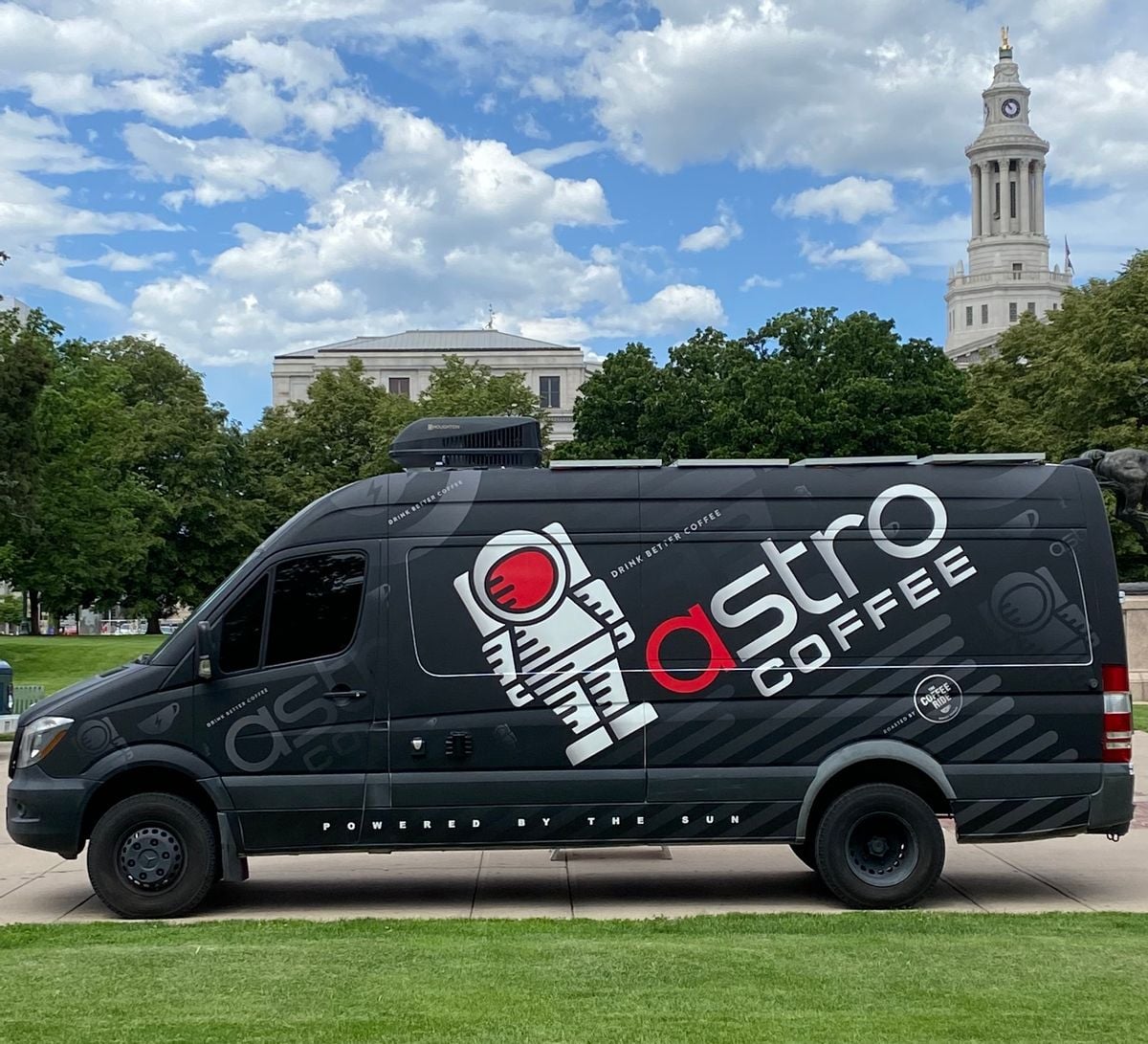
Astro Coffee was a foundational pillar of Detroit’s specialty coffee movement, located in the historic Corktown neighborhood. Though it closed its physical storefront in 2022 and its sister bakery in 2023, its influence remains a benchmark for coffee quality, sourcing ethics, and community-centric business practices in Detroit’s 2026 hospitality landscape.
The Origins of Astro Coffee: From London to Corktown
Astro Coffee opened its doors at 2124 Michigan Avenue in 2011, a period when Detroit’s specialty coffee scene was in its infancy. Founded by Jessica Hicks and Dai Hughes, the shop brought a distinct international sensibility to the city. Before arriving in Detroit, Hicks and Hughes had honed their skills in the high-pressure, high-standard "Third Wave" coffee scenes of London and Sydney. This background was evident in everything from the shop’s minimalist aesthetic to its rigorous focus on extraction and milk texture.
At the time of its opening, Corktown was beginning a period of rapid transformation. Astro Coffee was one of the early pioneers on the block, situated next to the famous Slows Bar-B-Q. While most coffee options in the city at the time were either traditional diners or large chains, Astro introduced Detroiters to a different model: the multi-roaster cafe. By showcasing beans from world-class roasters like Heart Coffee Roasters, Ritual Coffee, and George Howell, they educated the local palate on the nuances of origin, processing, and roasting profiles.
The shop itself was characterized by its warm, wood-heavy interior, large chalkboard menus, and a lack of traditional "corporate" amenities like Wi-Fi. This was a deliberate choice by the founders to encourage conversation and presence, turning the small space into a vital community hub where residents, artists, and visitors mingled.
Technical Standards: How Astro Defined the Detroit Pour-Over
Astro Coffee was instrumental in shifting the local definition of a "good cup of coffee" away from dark, oily roasts toward light, acidic, and complex profiles. This transition required not only high-quality beans but also significant technical precision in the brewing process.
The Equipment: Slayer, Mahlkönig, and Precision
The technical backbone of Astro Coffee was its investment in top-tier equipment. For years, the shop utilized a Slayer Espresso machine, a choice that signaled a commitment to "flavor profiling" through manual pressure manipulation. Unlike standard commercial machines, the Slayer allowed baristas to control the flow rate of water through the coffee puck, enabling longer pre-infusion times that highlighted the sweetness and clarity of light-roast coffees.
In terms of grinding, Astro relied on Mahlkönig grinders, specifically the EK43 for filter coffee and the Peak or K30 for espresso. These grinders are industry standards for their particle size consistency, which is crucial for preventing "over-extraction" (which leads to bitterness) and "under-extraction" (which leads to sourness). By maintaining these standards, Astro ensured that every cup, whether a simple batch brew or a complex pour-over, met a rigorous quality ceiling.
Sourcing and the Multi-Roaster Model
Before Astro began roasting its own beans, it functioned as a curated gallery for the world's best coffee. This multi-roaster model was technically demanding because different roasters have different "solubility" levels. Baristas at Astro had to constantly adjust their grind settings and water temperatures to accommodate the specific needs of a Kenyan bean from one roaster and a Colombian bean from another.
This approach forced the Detroit coffee scene to acknowledge coffee as a seasonal agricultural product. Astro’s menu changed frequently based on harvest cycles, moving from Central American coffees in the spring to African coffees in the summer and fall. This education in seasonality remains a core part of the Detroit specialty coffee culture today.
The Roasting Evolution: Transitioning to In-House Production
After years of representing other brands, Astro Coffee eventually transitioned into roasting its own beans. This move allowed the founders to have total control over the flavor profile and the ethical transparency of their supply chain.
The roasting philosophy at Astro was firmly in the "New Nordic" or light-roast camp. The goal was to highlight the terroir—the unique environmental characteristics of the region where the coffee was grown—rather than the flavors of the roasting process itself. This meant that their coffees often featured vibrant acidity, floral aromas, and tea-like bodies, which was a departure from the "bold and smoky" preferences of traditional American coffee drinkers.
Roasting in small batches allowed for meticulous quality control. Every batch was cupped (tasted according to a standardized protocol) to ensure it met the founders' specifications. This transition to roasting also facilitated their expansion into wholesale, providing beans to other high-end restaurants and cafes throughout Southeast Michigan, thereby spreading their quality standards across the region.
The Cultural Impact on Corktown and Beyond
Astro Coffee was more than just a place to consume caffeine; it was a cultural anchor. The shop’s presence on Michigan Avenue helped catalyze the development of one of Detroit's most vibrant commercial corridors. Its success proved that there was a market in Detroit for high-end, uncompromising artisanal products.
The "Astro Effect" can be seen in the numerous coffee shops that followed in its wake. Many of Detroit’s current coffee leaders spent time behind the counter at Astro, learning the technical and hospitality standards that Hicks and Hughes established. The shop also prioritized local partnerships, famously using Guernsey Farms Dairy milk. This choice wasn't just about supporting a local business; it was a technical decision. The high butterfat content and consistent quality of Guernsey milk were essential for creating the silky, micro-foam texture required for their latte art and espresso-forward drinks.
Furthermore, Astro was deeply integrated into the local arts scene. The shop frequently hosted art shows and featured work from Detroit-based creators on its walls. This fusion of high-end culinary craft and local grit became a blueprint for the "New Detroit" aesthetic of the 2010s.
The Ochre Bakery Connection and Final Years
In 2018, the founders expanded their footprint by opening Ochre Bakery in the Core City neighborhood. Ochre was a natural extension of the Astro philosophy, applying the same focus on sourcing and technical excellence to grains and seasonal produce. Ochre quickly gained national acclaim, including a "Best New Restaurant" nod from Bon Appétit and a James Beard Award nomination.
The synergy between Astro and Ochre was significant. Astro beans were served at Ochre, and Ochre’s world-class pastries were served at Astro. However, the challenges of the COVID-19 pandemic and the general volatility of the hospitality industry eventually led to a shift in strategy.
In May 2022, after 11 years of operation, Astro Coffee announced the closure of its Michigan Avenue location. The operations were briefly consolidated into the Ochre Bakery space before the founders ultimately decided to close both businesses and relocate back to the New Zealand/Australia region in 2023. While the physical spaces are gone, the legacy of their work remains a frequent topic of discussion among Detroit’s culinary community.
Detroit’s Coffee Landscape in 2026: The Post-Astro Era
As of 2026, Detroit's coffee scene is more robust than ever, largely due to the foundations laid by Astro. The "Third Wave" is no longer a niche movement but the standard for the city's cafes. Current leaders in the market have adopted many of the practices Astro introduced, such as transparent sourcing, light roasting, and a focus on barista training.
The space at 2124 Michigan Avenue has since seen new life, but for many long-time residents, it remains "the old Astro building." The influence of Astro is perhaps most visible in the success of other Detroit-born roasters who have expanded their reach while maintaining the same commitment to quality.
Comparison of Historic Astro Coffee vs. Current Detroit Roasters (2026)
| Feature | Astro Coffee (Legacy) | Anthology Coffee | Madcap Coffee (Detroit) | Dessert Oasis |
|---|---|---|---|---|
| Primary Focus | Terroir-driven light roasts | Precision roasting & hospitality | High-end sourcing & education | In-house roasting & music |
| Origin Approach | Multi-roaster turned in-house | Direct trade & seasonal | Relationship-based sourcing | Global variety |
| Notable Tech | Slayer Espresso, EK43 | Custom-built roasting gear | Modbar & La Marzocco | Probat roasters |
| Vibe | Community hub, no Wi-Fi | Minimalist, warehouse-chic | Sleek, modern, downtown | Warm, wood, performance |
| Milk Source | Guernsey Farms Dairy | Rotating local dairies | High-quality regional | Local Michigan dairy |
Frequently Asked Questions
Is Astro Coffee still open in Detroit?
No, Astro Coffee closed its original Corktown location in May 2022. Its sister business, Ochre Bakery, also closed its doors in 2023. As of 2026, the founders have moved on to other ventures outside of the United States, and there is no active Astro Coffee storefront in Detroit.
Who were the owners of Astro Coffee?
Astro Coffee was founded and owned by Jessica Hicks and Dai Hughes. The couple brought experience from the international coffee scenes in London and Australia to Detroit, which heavily influenced the shop’s high standards and technical approach to coffee.
What kind of coffee did Astro serve?
Initially, Astro was a multi-roaster cafe, serving beans from top-tier national roasters like Heart, Ritual, and George Howell. Eventually, they launched their own roasting operation, focusing on light-roast, single-origin beans that emphasized natural sweetness and acidity rather than traditional roast flavors.
Why was Astro Coffee so influential in Detroit?
Astro is credited with being the first shop to bring modern "Third Wave" coffee standards to Detroit. By focusing on technical precision, seasonal sourcing, and a "no Wi-Fi" community atmosphere, they changed the city’s expectations for what a coffee shop could be and trained a generation of baristas who went on to lead other local coffee businesses.
Where can I find coffee similar to Astro in Detroit today?
In 2026, several shops carry the torch for high-end specialty coffee in Detroit. Anthology Coffee in Eastern Market offers a similarly rigorous focus on roasting and sourcing. The Red Hook (with locations in Ferndale and West Village) maintains a community-focused vibe with excellent coffee standards, and Madcap Coffee in the Shinola Hotel provides a high-end technical experience.
Practical Recommendation for Coffee Enthusiasts
If you are exploring the Detroit coffee scene in 2026 and looking for the quality and atmosphere that Astro Coffee once provided, your best course of action is to visit the Eastern Market or Core City districts. These areas have become the new epicenters for artisanal roasting.
Specifically, look for cafes that:
- Prioritize Seasonal Sourcing: Ensure the shop changes its bean offerings at least quarterly to reflect global harvest cycles.
- Use Precision Equipment: Look for shops utilizing Mahlkönig grinders and La Marzocco or Slayer espresso machines, as these tools are essential for the flavor profile Astro popularized.
- Offer Training Programs: The best shops in Detroit now offer public cuppings or brewing classes, a practice that encourages the same level of consumer education that Astro championed for over a decade.
While the physical chalkboard and the smell of fresh pour-overs at 2124 Michigan Avenue are things of the past, the "Astro Standard" remains the invisible baseline for every great cup of coffee poured in the city of Detroit today.