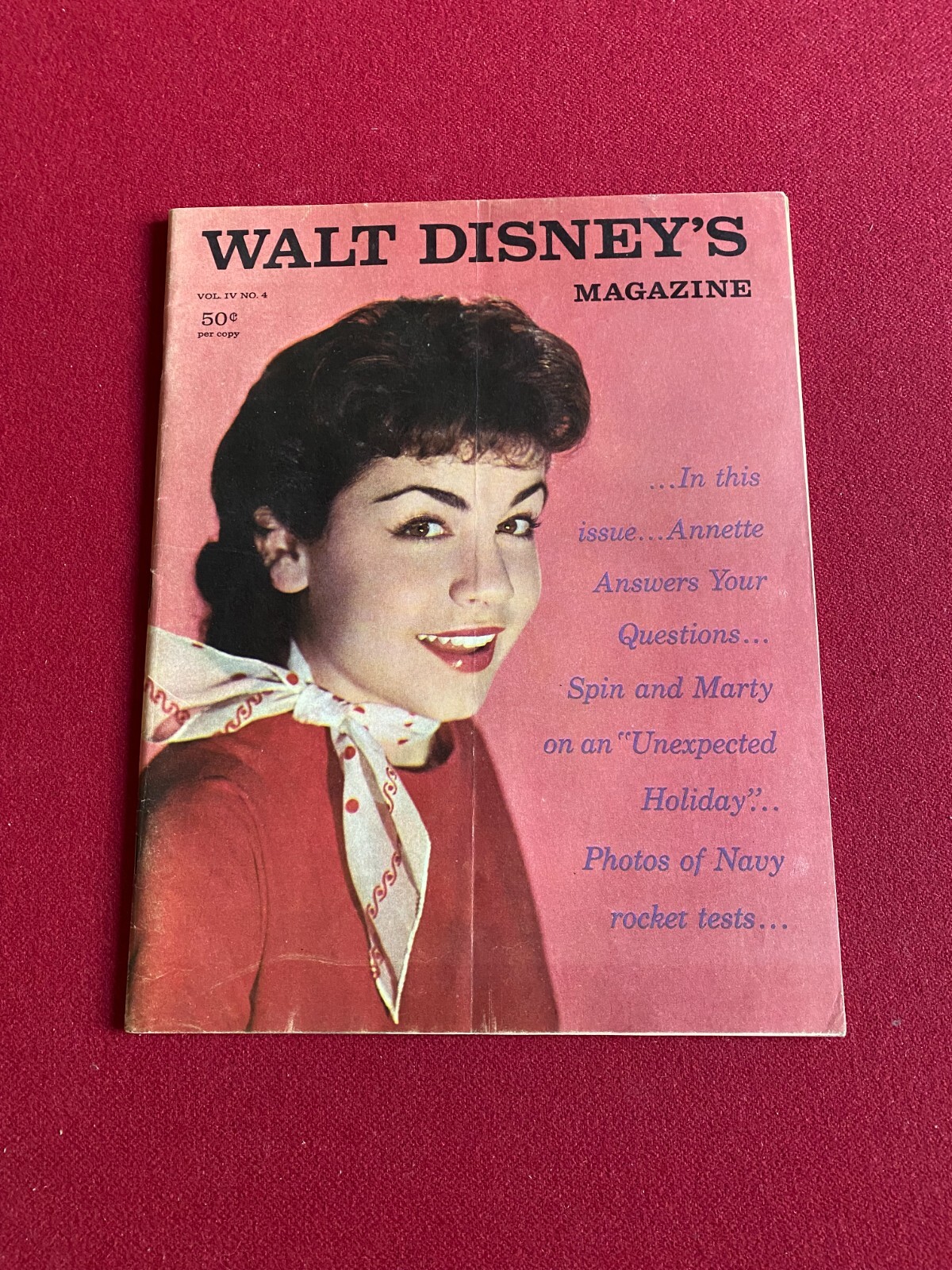
Annette Funicello's Disney legacy has evolved from mid-century television nostalgia into a focal point of modern pop-culture analysis. Today’s Disney historians, digital archivists, and fan communities re-examine Funicello not just as a 1950s icon, but as the foundational archetype for corporate stardom, female agency within mid-century entertainment, and lifelong public advocacy.
The Original Blueprint: Annette Funicello and the Birth of Disney Star Power
When The Mickey Mouse Club debuted on ABC in October 1955, television was still defining its relationship with youth audiences. Walt Disney personally discovered twelve-year-old Annette Funicello during a ballet recital at the Starlight Bowl in Burbank, California. Among the dozens of children cast as Mouseketeers, Funicello quickly emerged as an unprecedented phenomenon. She received thousands of fan letters weekly, eclipsing her castmates and compelling the studio to design specific serials around her persona, most notably the 1958 storyline Annette.
- 1955: Mickey Mouse Club Debut
- 1958: Serial "Annette"
- 1959: The Shaggy Dog
- 1963-1965: AIP Beach Era
Funicello became Disney’s first homegrown pop star. Unlike studio contract players of earlier decades who were recruited from vaudeville or radio, Funicello was nurtured directly through television broadcasts, record releases, and targeted merchandise. Disney’s music arm, Buena Vista Records, leveraged her vocal talents with hits such as "Tall Paul" (1959) and "O Dio Mio" (1960). This integrated approach—combining television exposure, musical releases, feature films, and commercial branding—created the template that the Walt Disney Company would replicate for generations.
Her film transitions demonstrated her unique drawing power. Starred in Disney’s first live-action comedy hit, The Shaggy Dog (1959), alongside Tommy Kirk, Funicello helped establish Disney as a dominant force in live-action family cinema. Subsequent roles in Babes in Toyland (1961), The Misadventures of Merlin Jones (1964), and The Monkey's Uncle (1965)—featuring title music backed by The Beach Boys—solidified her status as the quintessential screen presence of early-1960s youth culture.
From 1950s Americana to Digital Archives: The Shift in Fan Perception
For decades, mainstream commentary framed Annette Funicello through a lens of wholesome, idealized 1950s Americana. Media accounts emphasized her warmth, modesty, and deference to Walt Disney, whom she affectionately referred to as "Mr. Disney" throughout her life. However, modern fandom—driven by online research groups, retrospective podcasts, retro media collectors, and pop-culture scholars—has significantly broadened this narrative.
- Traditional View (1950s–1990s)
- Idealized mid-century girl
- Passive studio protege
- Pure nostalgia icon
- Modern Fan Analysis (Present Day)
- Architectural model for modern stars
- Negotiator of strict corporate image
- Icon of public resilience & advocacy
Modern digital archiving has allowed fans to study her work beyond sanitized highlights. Access to rare broadcasts, behind-the-scenes photographs, and audio recordings allows contemporary audiences to evaluate her performing style with fresh critical tools. Contemporary fans highlight several factors that previous generations overlooked:
- Vocal and Screen Charisma: Far from being merely a passive media creation, Funicello possessed an effortless, unpretentious screen presence that resonated deeply across demographic lines.
- Industrial Significance: Fan historians recognize her as the primary test case for transmedia marketing, demonstrating how a television star could drive sales across record labels, publishing, and cinema.
- Cultural Adaptability: Funicello successfully crossed over from Disney studio productions to independent teen movies without alienating her foundational fanbase, navigating a shifting media landscape during the turbulent 1960s.
The Beach Party Era and Disney's Moral Guardrails
In 1963, American International Pictures (AIP) cast Funicello alongside singer Frankie Avalon in Beach Party, inaugurating a hugely successful subgenre of youth cinema. Films like Muscle Beach Party (1964), Bikini Beach (1964), and Beach Blanket Bingo (1965) captured the emerging California surf culture. However, her participation in these films required navigating a delicate balance between independent adult employment and her established Disney image.
Before signing her AIP contract, Funicello personally consulted Walt Disney. While Disney did not block her career expansion, he requested that she maintain a modest screen persona, specifically asking her not to wear revealing two-piece bikinis that exposed her navel—a moral guardrail Funicello respected throughout her time with AIP.
- Walt Disney's Image Request
- AIP "Beach Party" Film Contract
- Costuming: One-piece swimsuits
- Character Archetype: Wholesome lead
- Target Audience: Youth & Teenagers
- AIP "Beach Party" Film Contract
Modern media historians view this compromise as an early example of corporate brand protection interacting with a performer's professional independence. Today's fan communities frequently analyze how Funicello managed to embody youthful fun and emerging teenage independence while respecting traditional studio expectations. This delicate balance paved the way for subsequent generations of young performers seeking to transition into adult roles without alienating their core audiences.
Modern Fandom's Critical Re-Evaluation: Key Themes in Contemporary Discourse
Contemporary discussions around Annette Funicello within Disney fan spaces, academic circles, and digital media communities focus on three primary themes:
1. The Blueprint for Modern Disney Multi-Hyphenates
Scholars and pop-culture analysts trace a direct lineage from Funicello to modern Disney superstars, including Britney Spears, Justin Timberlake, Miley Cyrus, Selena Gomez, and Olivia Rodrigo. Funicello demonstrated that a performer could start in an ensemble television show, build a distinct personal brand, transition to chart-topping musical releases, and star in feature films. Modern fan commentary frames Funicello as the pioneer who established the structural blueprint for modern multimedia star development.
2. Gender Norms and Mid-Century Female Stardom
Contemporary film historians analyze Funicello's screen roles to understand mid-century expectations of young women. While her characters often embodied domestic warmth and romantic idealization, her off-screen career demonstrated considerable professional resilience. Managing high-pressure publicity schedules, recording sessions, and studio expectations required rigorous discipline. Modern female fans often celebrate Funicello for her quiet strength, professional work ethic, and ability to navigate an industry dominated by male studio executives.
3. Disability Advocacy and Public Resilience
Funicello was diagnosed with Multiple Sclerosis (MS) in 1987. After publicly revealing her diagnosis in 1992 to counter inaccurate rumors regarding her health, she established the Annette Funicello Research Fund for Neurological Disorders. Modern fan groups actively celebrate this chapter of her life, framing her transparency as a landmark moment in celebrity disability advocacy. Contemporary communities use digital platforms to raise awareness for MS research in her honor, viewing her later years not as a tragic epilogue, but as an enduring legacy of courage and public service.
Comparative Analysis: Annette Funicello vs. Successive Disney Eras
To understand how Funicello set the baseline for Disney talent management, it is useful to compare her career parameters with those of subsequent Disney generations.
| Dimension | The Annette Era (1955–1965) | The Club 90s Era (1989–1995) | The Channel Era (2000–2010) | Modern Digital Era (2015–Present) |
|---|---|---|---|---|
| Primary Platform | Broadcast TV (Mickey Mouse Club) | Cable TV (The All-New Mickey Mouse Club) | Disney Channel Original Series | Disney+, Social Media, Streaming |
| Key Figures | Annette Funicello, Tommy Kirk | Britney Spears, Justin Timberlake, Christina Aguilera | Miley Cyrus, Selena Gomez, Demi Lovato | Olivia Rodrigo, Sabrina Carpenter |
| Media Integration | Records (Buena Vista), Feature Films, Serials | Pop Music, Television, Live Concert Tours | Franchised TV, Albums, Global Tours, Merchandising | Streaming Content, Direct Fan Social Channels |
| Image Governance | Strict studio guidelines, personal pledges | Transition to independent label governance | Managed image transitioning to public independence | Self-directed branding, decentralized fan engagement |
| Modern Fan Perception | Historic pioneer, beloved icon, pop archetype | Nostalgic pop revival, industrial analysis | Critical re-evaluation of child star pressures | Real-time critique, fan-curated archives |
Preservation, Streaming, and Archival Accessibility
A central concern among modern Disney enthusiasts and film preservers is the ongoing accessibility of Funicello’s catalog. While signature titles like The Shaggy Dog and Babes in Toyland are available on digital platforms such as Disney+, many of her television serials, musical performances, and non-Disney appearances remain difficult to view in high definition.
- Archival Access & Preservation Channels
- Official Releases
- Disney+ Selected Films
- Archival DVD Box Sets
- D23 Historian Panels
- Fan Preservation
- Remastered Broadcast Bootlegs
- Digital Audio Restoration
- Community Fan Repositories
- Official Releases
This scarcity has spurred robust fan-led preservation efforts:
- Bootleg Restoration & Archiving: Collectors and fan historians digitize 16mm film prints, VHS tapes, and vintage television broadcasts to preserve unreleased Mickey Mouse Club segments.
- Audio Remastering: Enthusiasts restore mono vinyl pressings of her Buena Vista record releases, sharing high-fidelity digital transfers across music forums and video platforms.
- Historical Documentation: Communities like the official Disney fan club (D23) and independent historical podcasts dedicate episodes to analyzing Funicello's cultural impact, preserving her place in entertainment history for younger generations.
Frequently Asked Questions
Why is Annette Funicello considered the most important Original Mouseketeer?
Walt Disney personally selected Annette Funicello after watching her perform at the Starlight Bowl in Burbank. Her warmth and natural charisma generated thousands of fan letters weekly, prompting the studio to create dedicated serials for her. She became Disney's first internal star to successfully bridge television, hit music records, and live-action feature films, establishing the modern Disney talent management model.
How did Walt Disney influence Annette Funicello’s film roles outside Disney studio productions?
When Funicello was cast in American International Pictures' Beach Party (1963), she consulted Walt Disney for his approval. Disney permitted her to take the role provided she maintained a modest image, specifically asking her to avoid wearing revealing two-piece bikinis. She respected this request throughout her AIP film career, balancing independent youth cinema roles with her wholesome public persona.
What was Annette Funicello's impact on Multiple Sclerosis awareness?
After being diagnosed with Multiple Sclerosis in 1987, Funicello publicly announced her condition in 1992 to raise awareness and counter rumors regarding her health. She established the Annette Funicello Research Fund for Neurological Disorders, using her platform to advocate for research funding, treatment access, and public understanding of neurological conditions. Her openness remains a landmark moment in celebrity health advocacy.
Which Disney films starred Annette Funicello?
Funicello starred in several major Disney live-action features, including The Shaggy Dog (1959), Babes in Toyland (1961), The Misadventures of Merlin Jones (1964), and The Monkey's Uncle (1965). She also starred in popular Mickey Mouse Club television serials, most notably Spin and Marty and Annette.
How do modern Disney fans view Annette Funicello compared to 1950s audiences?
While 1950s audiences viewed Funicello primarily as a wholesome symbol of mid-century youth culture, modern fans and pop-culture historians view her through a broader analytical lens. Contemporary discourse evaluates her as an industry trailblazer who established the blueprint for modern Disney stars, navigated early corporate image management, and demonstrated lifelong resilience through public health advocacy.
Preserving the Legacy: Recommended Steps for Disney Historians and Fans
For researchers, pop-culture enthusiasts, and Disney fans seeking to explore Annette Funicello’s enduring contributions to media history, the following actions offer a meaningful entry point:
- Explore Primary Archival Materials: Review early broadcasts of The Mickey Mouse Club and her serial Annette alongside her Buena Vista discography to appreciate the full scope of her cross-media appeal.
- Support Neurological Research: Honor her legacy by supporting organizations dedicated to MS research, such as the National Multiple Sclerosis Society, continuing the public health advocacy work she championed in her later years.
- Engage with Media History Scholarship: Examine film history analyses focusing on mid-century studio contracts, AIP youth cinema, and the evolution of American youth culture between 1955 and 1965.
- Advocate for Vault Preservation: Join fan preservation forums and support official requests to media companies to digitize, restore, and release classic live-action television and film properties currently unavailable on modern streaming services.