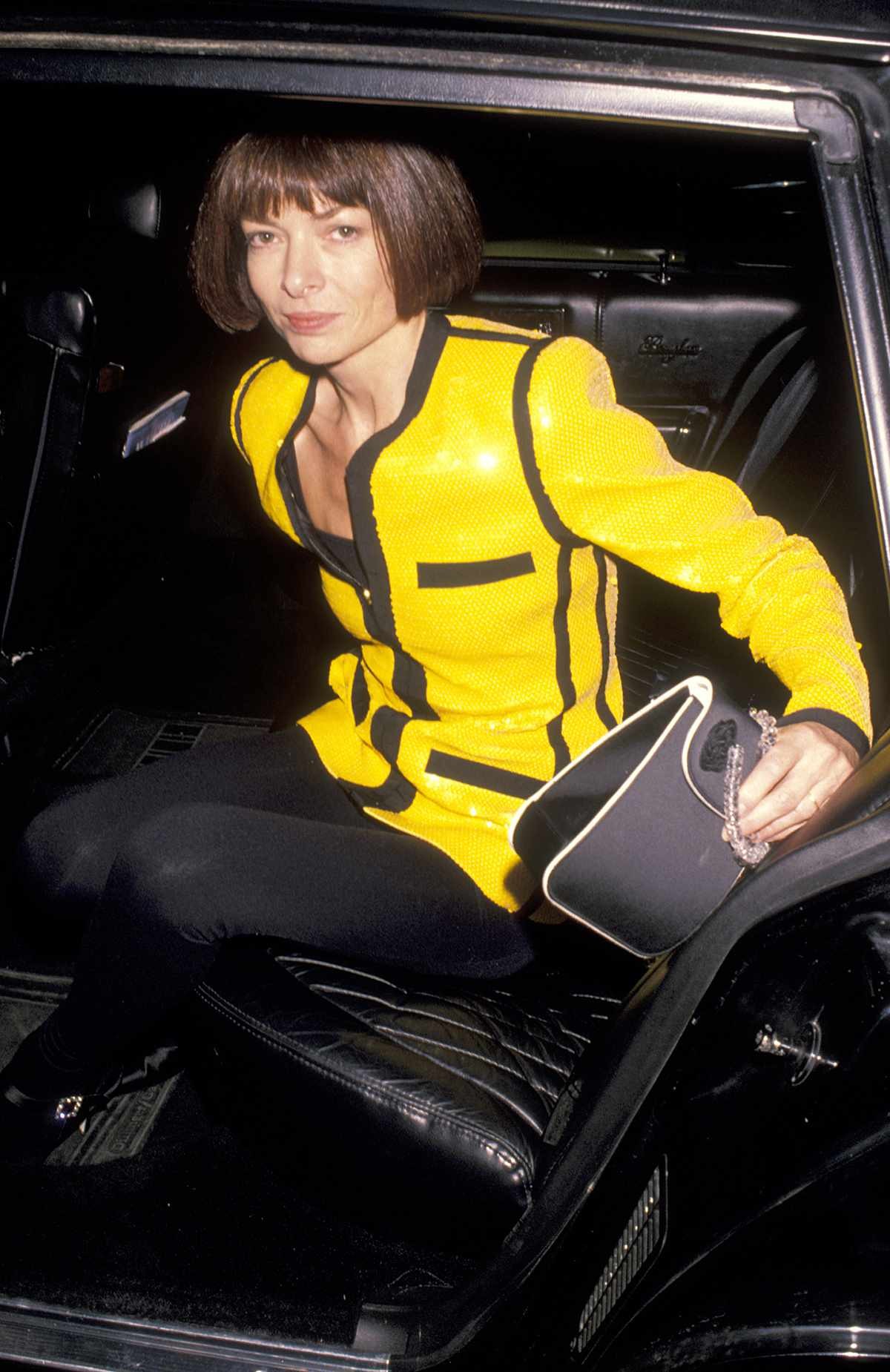
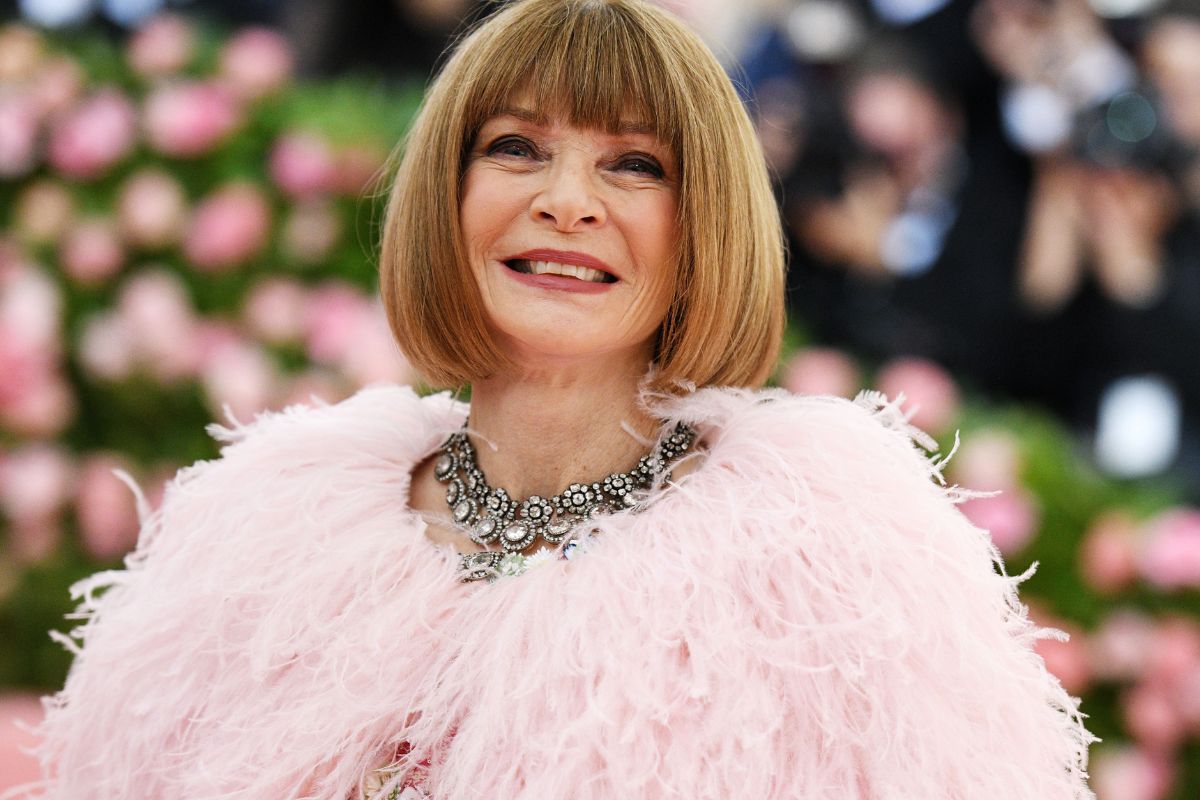
Anna Wintour is globally recognized as the longtime editor-in-chief of Vogue and the artistic director of Condé Nast, roles that have cemented her status as the most influential figure in the fashion industry. Beyond her editorial dominance, Wintour has cultivated a sophisticated real estate portfolio in New York City, demonstrating a strategic and long-term approach to property acquisition that reflects her disciplined professional persona.
The Intersection of Fashion Leadership and Property Investment
For decades, the name Anna Wintour has been synonymous with the inner workings of global fashion. Since assuming the role of editor-in-chief of American Vogue in 1988, she has navigated the industry through the rise of digital media, the democratization of luxury, and the shifting landscape of corporate publishing. However, to view Wintour solely through the lens of editorial work is to overlook a significant aspect of her personal and financial life: her strategic real estate holdings.
In the competitive world of Manhattan property, Wintour’s choices are not merely aesthetic; they are indicators of market stability and architectural appreciation. Her preference for historic townhouses, particularly in the Greenwich Village area, aligns with a broader trend among high-net-worth individuals who prioritize enduring value, architectural integrity, and privacy in a city characterized by rapid development and high turnover.
Understanding Wintour’s Real Estate Strategy
Unlike speculative investors who may chase the latest luxury glass towers, Wintour’s approach to real estate is characterized by stability. Her commitment to specific neighborhoods—most notably Greenwich Village—highlights a preference for the "brownstone aesthetic," a hallmark of New York City’s architectural heritage.
The Value of Architectural Heritage
Greenwich Village townhouses are subject to stringent landmark preservation laws. For a real estate owner, this provides a unique form of "value insurance." While modern apartments can fall out of fashion or suffer from oversupply in the market, historic properties remain scarce. As of 2026, the demand for well-maintained, pre-war townhouses in Manhattan remains high, driven by the finite nature of these structures. Wintour’s investment decisions reflect a deep understanding of this principle: investing in properties that cannot be replicated.
The Role of Privacy and Access
For individuals of significant public influence, real estate serves a dual purpose: it is a financial asset and a private sanctuary. High-end real estate in New York provides the necessary seclusion for executives managing global media empires. Wintour’s properties are often located in quiet, tree-lined streets that offer a stark contrast to the frenetic pace of the fashion industry. This choice highlights the necessity of "home" as a controlled environment, free from the external pressures of a public-facing career.
Comparative Real Estate Profiles: Townhouses vs. Luxury Condos
When evaluating high-end Manhattan real estate, investors often debate the merits of traditional townhouses versus modern luxury condominiums. The following table highlights the critical differences between these property types for the high-net-worth investor.
| Feature | Historic Townhouse | Luxury Condominium |
|---|---|---|
| Ownership Structure | Fee Simple (Full control) | Common Interest (Shared control) |
| Maintenance | Full owner responsibility | Management-led (Common charges) |
| Privacy | High (Private entrance) | Variable (Shared lobbies/elevators) |
| Historical Value | High (Landmark status) | Moderate (Depreciates with age) |
| Renovation Flexibility | Subject to Landmark Commission | Subject to Condo Board rules |
For an individual like Wintour, the autonomy provided by a townhouse—allowing for bespoke modifications and total privacy—often outweighs the convenience of a serviced luxury condominium.
Operational Real Estate Management: What Investors Can Learn
Even for those who do not possess a fortune, the principles applied by sophisticated investors like Wintour provide actionable guidance for personal property management. Whether one is buying a primary residence or a long-term investment, the following steps are essential for maintaining asset value.
1. Prioritize Location Stability
Before purchasing, research the zoning laws and historic preservation status of the neighborhood. An area protected from radical redevelopment is more likely to maintain its property value over a 20-to-30-year timeframe. Look for districts with active neighborhood associations and historical oversight.
2. Understand the Cost of Ownership
Owning a historic property involves more than just a mortgage. It requires an ongoing commitment to maintenance, heating, and specialized repairs. Potential owners must account for:
- Property Taxes: In New York, these can be substantial, particularly for landmarked properties.
- Insurance Premiums: Older structures may require specialized coverage.
- Capital Expenditures: Budgeting for roof repairs, façade maintenance, and infrastructure upgrades (HVAC, electrical) is mandatory.
3. Seek Professional Guidance
Even experts rely on specialists. When dealing with historic real estate, it is vital to engage architects and contractors who understand the intricacies of 19th-century construction. Attempting to force modern "smart home" retrofits into an old structure without proper expertise can lead to structural damage and loss of historical tax benefits.
The Intersection of Public Persona and Private Life
Wintour’s real estate holdings are rarely discussed in the context of her fashion work, yet they are an essential component of her career longevity. The consistency of her domestic life provides the balance necessary to withstand the intense pressure of the fashion calendar. Fashion is inherently ephemeral, defined by cycles of six months. Real estate, by contrast, is defined by decades.
This duality is key to understanding her success. While she spends her days analyzing the next "it" color or seasonal trend, she returns to a home that is designed to be timeless. This anchoring effect is a lesson in personal sustainability for anyone working in high-pressure, fast-paced industries.
FAQ: Anna Wintour, Fashion and Real Estate
Why is Greenwich Village such a popular area for influential figures?
Greenwich Village is highly prized for its low-rise architecture, lack of major through-traffic, and stringent landmarking. This creates an atmosphere of privacy and continuity that is difficult to find in the high-density areas of Midtown or the Financial District.
Does being a fashion icon influence the value of a property?
While a celebrity owner can sometimes drive interest in a property due to "star power," for high-end Manhattan townhouses, the intrinsic value is usually tied to the location, the square footage, and the historical preservation status of the building rather than the identity of the occupant.
What are the main challenges of owning a historic townhouse?
The primary challenge is the regulatory environment. Owners must often seek approval from the Landmarks Preservation Commission (LPC) for even minor external changes, such as replacing windows or repainting, which can increase the time and cost of renovations.
Is real estate considered a safe investment in the current 2026 market?
Real estate in major urban centers is generally considered a long-term hedge against inflation. However, it is not a "get-rich-quick" scheme. Stability in the 2026 market is driven by location and building quality, with townhouses in prime neighborhoods continuing to show resilience against broader economic fluctuations.
How does one maintain a home's value over several decades?
Value maintenance requires a strict regimen of "preventative care." This means addressing small structural issues—such as minor leaks or masonry cracks—before they become catastrophic failures that compromise the integrity of the property.
Conclusion: Lessons for Long-Term Asset Growth
Anna Wintour’s career serves as a template for navigating industry trends while maintaining a grounded personal life. Her real estate choices emphasize that the most successful individuals prioritize long-term stability and physical assets that endure. Whether you are seeking a home or an investment, the goal should be to select properties that offer inherent value through their location, structural integrity, and architectural permanence. By focusing on these factors, you can build a personal portfolio that stands the test of time, much like the career of a true icon.