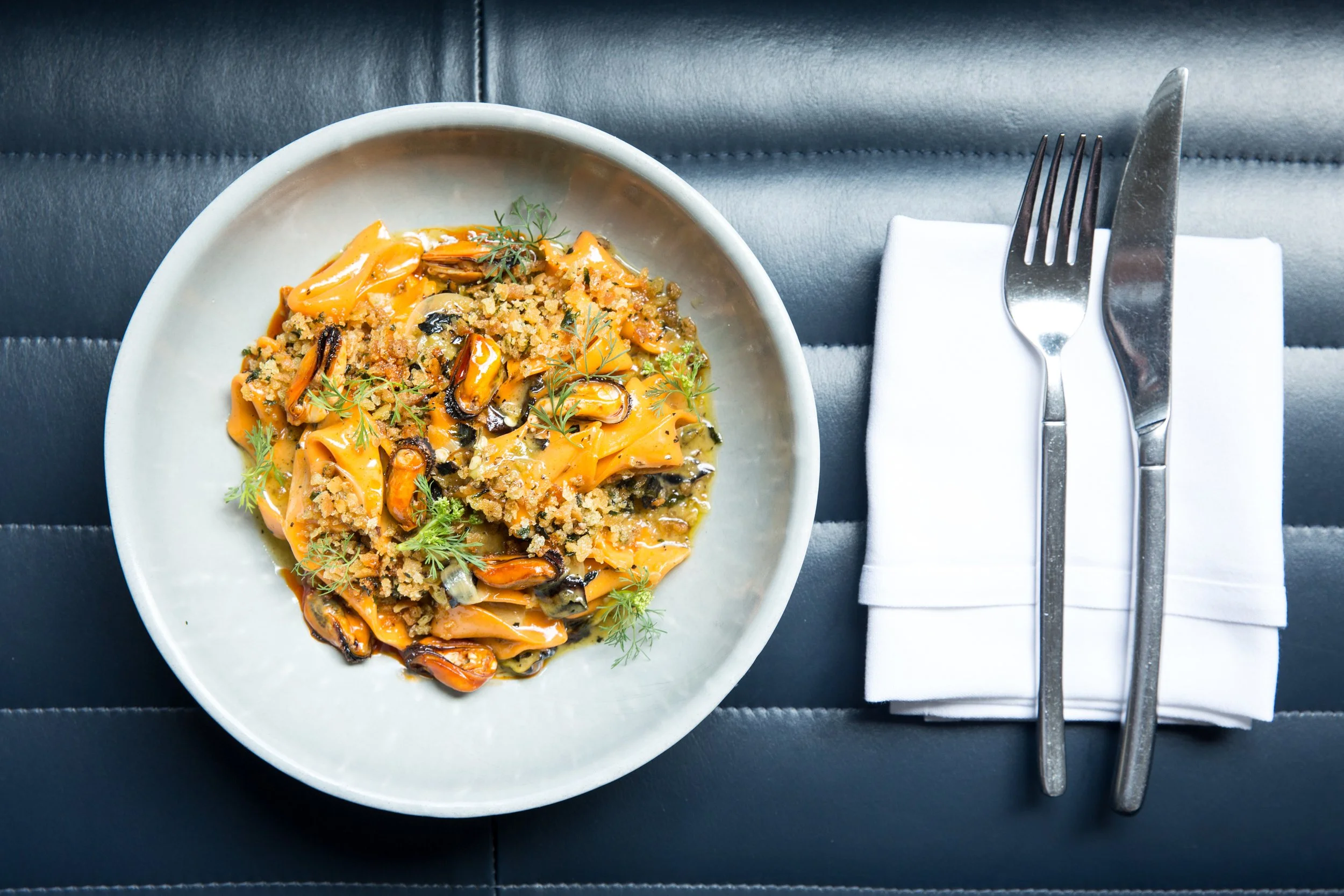
Angie Rito and Scott Tacinelli are the Michelin-starred husband-and-wife chef duo behind landmark New York City dining destinations Don Angie and San Sabino. Their partnership blends traditional red-sauce Italian-American heritage with modern culinary mechanics and unexpected global flavor influences, redefining regional dining through inventive restaurant design, joint cookbook publications, and acclaimed hospitality concepts.
The Origins of the Partnership: Combining Heritage and Professional Career Transitions
The collaborative dynamic between Angie Rito and Scott Tacinelli represents a rare convergence of distinct personal trajectories and shared culinary philosophy. Rito grew up in Cleveland, Ohio, immersed in a family deeply connected to Italian-American food culture. Her grandfather founded Rito’s Bakery, a neighborhood institution that established her foundational understanding of yeast doughs, traditional pastry, and regional Italian comfort foods. After pursuing culinary studies and honing her skills in New York kitchens, Rito developed a culinary identity centered on high-flavor, emotionally evocative dishes rooted in nostalgia.
Tacinelli took an unconventional route into the professional kitchen. Prior to pursuing culinary arts full-time, he worked in commercial real estate sales. Realizing his true passion lay in food service, Tacinelli enrolled at the French Culinary Institute (now the International Culinary Center) in Manhattan. This career shift grounded him in classic French technique, precision knife work, structural line execution, and rigorous back-of-house management.
The couple met while working under the hospitality umbrella of Quality Branded at Park Avenue Summer in Manhattan. Their complementary backgrounds immediately created a compelling creative counterweight: Rito brought intuitive regional flavor memories and creative dessert-to-savory cross-pollination, while Tacinelli contributed structural discipline, classic technique, and refined operational management. Recognizing their shared ambition to modernize red-sauce Italian-American food, they began collaborating closely on menu concepts, establishing a joint development process that became the hallmark of their shared career.
The Quality Italian Era and Early Collaborative Breakthroughs
Before launching their own independent ventures, Rito and Tacinelli made a significant splash in the New York dining scene as co-executive chefs at Quality Italian in Midtown Manhattan. It was during this tenure that their joint creative approach produced one of the most widely covered menu items of the mid-2010s: the Chicken Parm Pizza.
Designed for two or more guests, the Chicken Parm Pizza replaced traditional bread dough with a wide, crisp, circular patty of seasoned ground chicken breast. The patty was pan-fried, topped with slow-simmered marinara sauce, fresh mozzarella, and finished with a whipped parmesan cream piped from a pastry bag at tableside. The dish became an immediate viral sensation and demonstrated the core tenets of their joint style:
- Nostalgic Subversion: Taking familiar, home-style Italian-American staples and elevating them into high-concept shared plates.
- Visual Impact: Structuring dishes to be visually arresting without sacrificing flavor balance or structural integrity.
- Technical Rigor: Ensuring that seemingly novelty concepts rely on precise culinary fundamentals, such as protein binding, sauce reduction, and temperature control.
Following their success at Quality Italian, the pair developed Quality Pasta, a temporary dinner pop-up in downtown Manhattan. This project served as a real-world testing ground for experimental pasta shapes, unusual dough laminations, and non-traditional sauces. The pop-up solidified their conviction that New York diners were eager for an evolved, fine-dining interpretation of red-sauce classics, paving the way for their flagship restaurant.
Don Angie: Modernizing Red-Sauce Classics in the West Village
In late 2017, Rito and Tacinelli partnered with Quality Branded to open Don Angie on Greenwich Avenue in Manhattan's West Village. The restaurant was conceived as an intimate, stylish venue celebrating modern Italian-American cuisine. Rather than replicating rigid traditional Italian regional recipes, Don Angie highlights the historic evolution of Italian immigrants adapting to American ingredients, taken one step further with contemporary global influences.
DON ANGIE CULINARY TRIANGLE
- Traditional Heritage (Red-Sauce Nostalgia, Rito Bakery)
- Modern Technique (French Fine Dining, Precision)
- Global Flavor Innovations (Sesame, Furikake, Chilis)
The restaurant achieved critical acclaim for its balance of warm hospitality and technical innovation. In 2021, Don Angie was awarded a Michelin star, a recognition it consistently retained in subsequent years.
Signature Collaborative Dishes at Don Angie
Several dishes at Don Angie have achieved iconic status in American restaurant culture, illustrating how Rito and Tacinelli construct recipes through shared iteration:
- Pinwheel Lasagna: Unlike traditional layered casserole lasagna, Don Angie's version rolls thin sheets of house-made pasta around Italian sausage ragù, creamy ricotta, and seasoned mozzarella. The rolls are sliced into vertical pinwheels, arranged tightly in a cast-iron dish, and baked top-up. This creates alternating spirals of crispy, caramelized top edges and tender interior layers, served over a bright tomato-butter sauce.
- Chrysanthemum Salad: A breakthrough appetizer that pairs raw chrysanthemum greens (shungiku) with a sesame-garlic dressing and a mountain of finely grated Parmigiano-Reggiano. The dish highlights how Asian leafy greens and sesame accents can elevate traditional salty, nutty Italian cheeses.
- Stuffed Garlic Bread: A savory starter featuring soft, pull-apart dough stuffed with melted cheese, brushed with garlic butter, and seasoned with toasted sesame seeds and Japanese furikake—a nod to cross-cultural flavor building.
- Fior di Latte Gelato with Olive Oil and Sea Salt: A tableside dessert presentation featuring fresh fior di latte gelato drizzled with cold-pressed Sicilian olive oil and crunchy sea salt, bridging classical pastry and savory elements.
Expanding the Portfolio: San Sabino and Seafood Innovation
Building on the sustained success of Don Angie, Rito and Tacinelli opened their second West Village restaurant, San Sabino, in early 2024. Located just steps away from Don Angie, San Sabino shifts the culinary focal point from hearty land-based proteins and baked pastas toward coastal Italian-American seafood and intricate handmade pasta shapes.
San Sabino builds upon the creative foundations laid at Don Angie while introducing distinct menu conventions and technical challenges:
- Seafood-Centric Pasta Mechanics: Incorporating sweet seafood, rich shellfish stocks, and delicate sea-vegetable accents into heavy pasta matrices.
- Inventive Snack Formats: Redefining traditional coastal antipasti into small, flavor-dense starters, such as savory crab-filled cannoli dusted with chili powder and fresh herbs.
- Playful Retelling of Italian Classics: Transforming classic red-sauce comfort dishes into seafood executions, such as the signature Shrimp Parm, which features butterflied giant prawns fried till crisp, layered with tomato sauce, melted mozzarella, and fresh basil.
San Sabino expanded the couple's operational scope, allowing them to manage two distinct, highly sought-after dining rooms simultaneously while demonstrating that their collaborative style could be successfully adapted to entirely different ingredient profiles.
The Italian American Cookbook: Translating Restaurant Concepts for the Home Kitchen
In October 2021, Rito and Tacinelli published their debut cookbook, Italian American: Red-Sauce Classics and New Essentials (co-authored with Jamie Feldmar and published by Clarkson Potter). The book serves as both a culinary manifesto and an accessible home cooking guide, recording their joint philosophy for a national audience.
ITALIAN AMERICAN Red-Sauce Classics and New Essentials
| Heritage Foundations | Modern Innovations |
|---|---|
| • Slow-Simmered Sauce | • Umami Enhancements |
| • Hand-Rolled Pastas | • Global Acid Adjusters |
| • Traditional Baking | • Textural Contrast |
The cookbook balances traditional recipes drawn from their families' roots with technical breakdowns of their restaurant inventions. Crucially, the authors break down complex professional steps into actionable home-kitchen methods.
Key culinary lessons emphasized in their publication include:
- Building Umami in Tomato Sauces: Utilizing subtle additions such as fish sauce, anchovy paste, or parmigiano rinds to deepen canned San Marzano tomato bases without overpowering them.
- Dough Lamination and Texture: Explaining how moisture content, resting periods, and flour selection impact the elasticity and bite of fresh pasta sheets.
- Acidity Control: Using citrus zest, pickled peppers, and aged vinegars to balance the heavy animal fats and rich cheeses characteristic of red-sauce cooking.
Dynamics of a Chef Duo: How Rito and Tacinelli Collaborate
Operating as both marriage partners and professional co-executives requires structured creative workflows and clear operational boundaries. In interviews and industry panels, Rito and Tacinelli have outlined the distinct stages of their collaborative recipe development process:
- Ideation & Concept
- Test Kitchen Trial
- Joint Palate Calibration
- Line Standardization
1. Concept Ideation
Dishes typically begin with a nostalgic memory, an unexpected ingredient pairing, or a traditional visual format that one partner proposes. For instance, a discussion on traditional Italian pinwheel pastries might trigger an idea for reinventing lasagna.
2. Initial Test Kitchen Trials
Tacinelli often handles the structural engineering, protein preparation, and line-execution testing, ensuring that a dish can be cooked efficiently during a 200-cover dinner service. Rito focuses heavily on sauce balance, pastry mechanics, flavor layering, and visual plating presentation.
3. Joint Palate Calibration
Both chefs taste every component together, making adjustments to salt, acid, fat, and texture. A dish only enters restaurant production when both partners agree that it hits the precise balance of comfort and innovation.
4. Line Standardization
Once finalized, the recipe is documented with exact gram measurements, temperature thresholds, and plating diagrams to ensure consistency across kitchen shifts.
Comparative Overview of Core Projects and Signature Creations
The following table summarizes the key milestones, venue profiles, and signature culinary creations developed through the collaboration of Angie Rito and Scott Tacinelli:
| Project / Venue | Year Established | Primary Culinary Focus | Key Signature Dishes | Critical Recognition & Status |
|---|---|---|---|---|
| Quality Italian | 2013 (Tenure: 2013–2016) | Modern Italian Steakhouse | Chicken Parm Pizza, Stuffed Meatballs | Established duo's reputation for high-concept Italian-American dishes |
| Don Angie | 2017 | Modern Italian-American & Inventive Pastas | Pinwheel Lasagna, Chrysanthemum Salad, Stuffed Garlic Bread | Michelin Star (awarded 2021; retained through current operational period) |
| Italian American (Cookbook) | 2021 | Home Cooking, Regional History & Chef Techniques | Rolled Braciole, Homemade Lasagna Sheets, Umami Tomato Sauce | Published by Clarkson Potter; widely praised home cooking reference |
| San Sabino | 2024 | Italian-American Seafood & Handmade Pastas | Crab Cannoli, Lobster & Shrimp Parm, Smoked Trout Dip | Critical acclaim in NYC dining media; major West Village expansion |
Frequently Asked Questions
What is the core culinary style of Angie Rito and Scott Tacinelli?
Their culinary style is widely described as modern or evolved Italian-American. It takes traditional red-sauce comfort foods—such as lasagna, chicken parmesan, and stuffed breads—and elevates them using refined French techniques, inventive pasta shapes, and subtle ingredients borrowed from global cuisines (including East Asian and Mediterranean flavor profiles).
How did Angie Rito and Scott Tacinelli get their start working together?
The pair met while working as chefs at Park Avenue Summer in New York City under the Quality Branded restaurant group. They later served as co-executive chefs at Quality Italian, where their collaborative dish designs gained wide media attention, eventually leading to their independent restaurant ventures.
What makes the lasagna at Don Angie unique?
Don Angie’s Pinwheel Lasagna is constructed by rolling thin pasta sheets around sausage ragù and cheese filling, slicing them into tight cylinders, and baking them vertically in a cast-iron skillet. This method ensures that every serving features crispy, caramelized top edges along with a soft, rich interior, served over a smooth tomato-butter sauce.
What is the main difference between Don Angie and San Sabino?
While Don Angie focuses on inventive iterations of classic land-based Italian-American pasta and meat dishes, San Sabino focuses primarily on coastal Italian-American cuisine and seafood. San Sabino features dishes such as crab cannoli, seafood pastas, and shrimp parmigiana.
Did Angie Rito and Scott Tacinelli write a cookbook?
Yes. In 2021, they co-authored Italian American: Red-Sauce Classics and New Essentials with writer Jamie Feldmar. The book offers step-by-step guidance for recreating their modern red-sauce techniques, sauces, doughs, and signature recipes at home.
Practical Takeaways for Home Cooks and Food Enthusiasts
For home cooks seeking to apply the principles of the Rito-Tacinelli collaboration in their own kitchens, consider these practical techniques:
- Rethink Traditional Formats: Experiment with how classic dishes are built. Rolling lasagna sheets vertically or reshaping traditional proteins can change textural contrast and heat distribution during baking.
- Layer Umami Thoughtfully: Enhance standard marinara and ragù sauces by simmering them with parmigiano-reggiano rinds or adding small amounts of anchovy paste to boost savory depth without making the sauce taste fishy.
- Balance Richness with Acidity and Greens: Counter balance heavy baked cheeses and rich meats by serving them alongside bitter or crisp greens—such as raw chrysanthemum, escarole, or chicory—dressed with sharp garlic and citrus vinaigrettes.
- Focus on Component Preparation: Prepare sauces, seasoned breadcrumbs, and pasta doughs in advance so that final assembly requires minimal effort during cooking, ensuring optimal service temperature and texture.