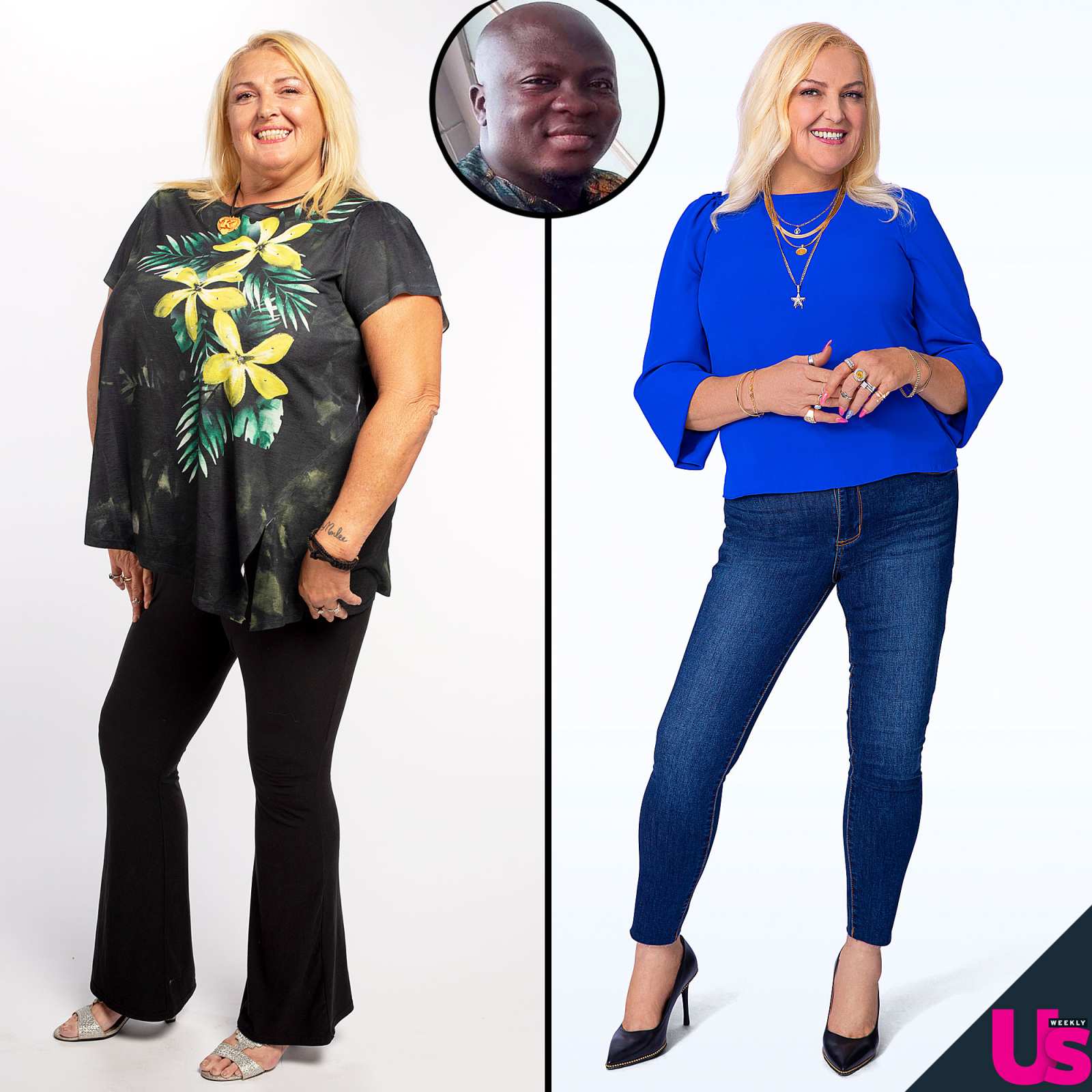
Angela Deem’s weight loss journey involved undergoing a sleeve gastrectomy (gastric sleeve surgery), liposuction, and a breast reduction during a single multi-procedure surgery in August 2020. Over the following year, the 90 Day Fiancé star lost over 100 pounds, transitioning from approximately 273 pounds to under 170 pounds, followed by additional cosmetic and dental procedures.
Background and Motivation: Why Angela Deem Chose Bariatric Surgery
Angela Deem became a household name through TLC’s 90 Day Fiancé franchise, where viewers followed her long-distance relationship and eventual marriage to Nigerian native Michael Ilesanmi. As her public profile expanded, Deem faced worsening physical discomfort and health complications stemming from severe obesity. At her heaviest, Deem weighed approximately 273 pounds.
The decision to pursue surgical weight loss was driven by a combination of physical limitations, chronic breathing difficulties, and personal goals:
- Respiratory Stress and Stamina Issues: Deem frequently cited severe shortness of breath when performing basic daily tasks. The excess weight placed substantial strain on her cardiovascular and respiratory systems, hindering her ability to keep pace with her energetic grandchildren.
- Joint Pain and Limited Mobility: Carrying excess weight exacerbated joint discomfort in her knees and back, limiting her physical activity and impacting her overall quality of life.
- Desire for Longevity: As a grandmother who served as a primary caregiver in her household, Deem expressed a desire to improve her long-term health to ensure she could remain active in her family's lives.
- Relationship and Self-Image Dynamics: Deem voiced a desire to feel more confident and youthful in her marriage to Michael, who is over 20 years her junior. However, her decision to undergo surgery ultimately became a focal point of marital conflict, as Michael preferred her natural figure and voiced deep concern over the medical risks involved.
The Medical Procedures: Gastric Sleeve and Companion Surgeries
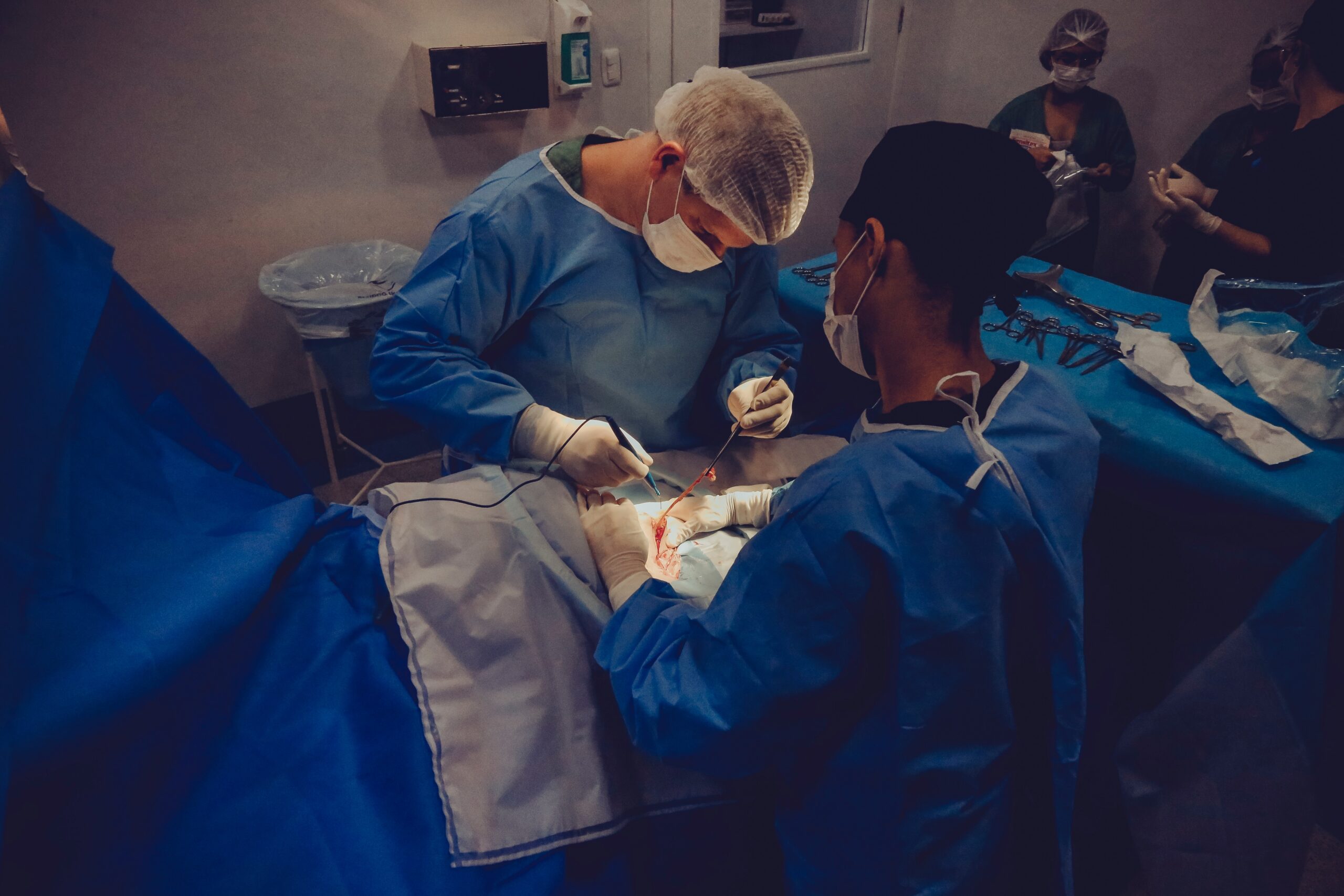
Unlike standard weight-loss approaches that rely solely on diet and exercise or a single surgical procedure, Deem underwent an aggressive, multi-faceted medical transformation. In August 2020, she traveled to Beverly Hills, California, to undergo multiple surgical procedures combined into an intensive medical plan.
| Angela Deem's Primary Procedures |
|---|
| 1. Sleeve Gastrectomy (Gastric Sleeve Bariatric Surgery) |
| 2. Breast Reduction & Mastopexy (Breast Lift) |
| 3. Abdominal Liposuction |
| 4. Post-Weight-Loss Reconstructive Plastic Surgeries & Facelift |
| 5. Comprehensive Dental Reconstruction & Cosmetic Restorations |
1. Laparoscopic Sleeve Gastrectomy
The core of Deem's weight loss was a laparoscopic sleeve gastrectomy, performed by bariatric surgeon Dr. Yoni Kashani. During a sleeve gastrectomy, surgeons remove approximately 75% to 80% of the stomach, leaving behind a narrow tubular "sleeve" roughly the size of a banana.
- Restrictive Mechanism: By drastically reducing the stomach's volumetric capacity, the patient can consume only small quantities of food at one time, inducing rapid satiety.
- Hormonal Impact: The procedure removes the ghrelin-producing portion of the stomach (the fundus). Ghrelin is the primary hormone responsible for stimulating hunger. Reducing ghrelin levels significantly decreases appetite and food cravings during the initial post-operative phase.
2. Plastic and Reconstructive Surgeries
To minimize total anesthesia sessions, Deem elected to undergo plastic surgery concurrently with her bariatric procedure, guided by plastic surgeon Dr. Michael K. Obeng.
- Breast Reduction and Lift (Mastopexy): Prior to surgery, Deem experienced severe neck, shoulder, and back pain due to dense breast tissue. Doctors reduced her bust size dramatically, removing excess tissue and restructuring the remaining tissue to alleviate musculoskeletal pain.
- Liposuction: Targeted contouring was performed around her upper torso and abdomen to remove localized subcutaneous fat deposits.
- Subsequent Reconstructive Work: Rapid loss of over 100 pounds resulted in significant skin laxity (excess hanging skin). In subsequent months and years, Deem pursued additional cosmetic procedures, including facial tightening, skin-removal consultations, and non-surgical aesthetic enhancements.
3. Dental Reconstruction
Significant weight loss and aging can alter facial bone density and structure. Following her initial weight loss, Deem underwent extensive dental work, including dental implants and cosmetic restorations, to repair damaged teeth and correct changes in facial symmetry caused by structural weight shifts.
Timeline of Angela Deem’s Weight Loss Transformation
Deem's physical transformation took place across several key stages, broadcast extensively on 90 Day Fiancé: Happily Ever After? and covered in health and entertainment media.
| Timeframe | Key Milestone / Event | Surgical or Lifestyle Intervention | Estimated Weight / Outcome |
|---|---|---|---|
| Pre-August 2020 | Peak Weight & Health Struggles | Medical evaluations, pre-op bloodwork, and initial diet recommendations | ~273 lbs; reported severe shortness of breath |
| August 2020 | Initial Surgical Marathon | Gastric sleeve gastrectomy, breast reduction, and upper abdominal liposuction | Surgical baseline; emergency recovery initiated |
| Late 2020 (1–3 Months Post-Op) | Rapid Weight Reduction | Strict liquid-to-soft food post-bariatric diet transition | Rapid loss of 40–50 lbs; initial structural shifts |
| Mid-2021 (1 Year Post-Op) | Reveal on TLC Happily Ever After? | Transition to solid protein-focused diet; routine medical checkups | Total loss of ~100 lbs (~160–170 lbs range) |
| 2022–2023 | Reconstructive & Dental Work | Facelift, skin tightening consultations, and extensive dental implant procedures | Stabilization of body weight; cosmetic restoration |
| 2024–2026 | Maintenance & Long-Term Adaptation | Caloric management, ongoing maintenance, and physical monitoring | Maintained loss of 100+ lbs with focused nutrition |
Post-Surgery Lifestyle Changes, Diet, and Health Challenges
Bariatric surgery is a tool to facilitate metabolic changes, but long-term success relies on strict adherence to post-operative guidelines. Deem's recovery involved major physiological adjustments alongside documented behavioral challenges.
- Phase 1: Clear Liquids (Weeks 1–2)
- Water, broth, sugar-free electrolyte solutions
- Phase 2: Pureed Foods & Protein Shakes (Weeks 3–4)
- Lean protein liquids, soft egg whites, low-fat yogurt
- Phase 3: Soft Solid Proteins (Weeks 5–8)
- Flaky fish, ground poultry, soft vegetables
- Phase 4: Long-Term Bariatric Maintenance (Month 2+)
- High protein (60–80g/day), low simple carbohydrates
- Daily bariatric multivitamin & mineral supplementation
Mandatory Nutritional Protocol
Following a gastric sleeve, patients must follow a structured meal plan to protect the surgical staple line, prevent nutritional deficiencies, and avoid gastric distress:
- Protein Prioritization: Bariatric patients must target between 60 to 80 grams of protein daily to preserve lean muscle mass during rapid weight loss. Protein sources must be consumed first during meals.
- Micronutrient Supplementation: Because food volume is restricted, natural vitamin intake drops significantly. Gastric sleeve patients require lifelong daily supplementation with bariatric-formulated multivitamins, vitamin B12, iron, and calcium citrate to prevent anemia and bone density loss.
- Fluid Management: Fluid intake must occur between meals rather than during meals. Drinking liquids while eating can wash food quickly through the stomach sleeve, causing premature hunger or trigger dumping syndrome—a condition where undigested food moves too rapidly into the small intestine, leading to nausea, dizziness, and abdominal cramping.
The Smoking Controversy and Surgical Risks
One of the most widely discussed aspects of Deem’s weight loss journey was her persistent nicotine dependence. Nicotine poses severe risks for surgical candidates:
- Impaired Tissue Healing: Nicotine constricts blood vessels, reducing oxygen delivery to microvascular networks. This increases the risk of wound breakdown (dehiscence), skin necrosis, and staple-line leaks in the stomach.
- Anesthesia Risks: Chronic smoking compromises lung capacity, elevating the incidence of intraoperative respiratory complications, post-operative pneumonia, and blood clots (deep vein thrombosis and pulmonary embolism).
- Medical Mandates: Deem’s surgical team explicitly required her to quit smoking before performing complex reconstructive procedures. Her ongoing struggle with nicotine addiction delayed certain follow-up cosmetic surgeries and created friction with her physicians.
Impact on Relationships and Public Perception
Deem's transformation extended beyond physical changes, creating dramatic shifts in her personal life and public persona.
Marital Strain with Michael Ilesanmi
Throughout the transformation, Deem's relationship with Michael Ilesanmi faced severe strain. The primary sources of tension included:
- Disagreement Over Surgery: Ilesanmi repeatedly expressed opposition to the operations, stating he loved Deem as she was and feared the high risks associated with undergoing multiple surgeries simultaneously.
- Shifting Power Dynamics: As Deem lost weight and gained physical independence, her renewed self-confidence altered the emotional balance of their relationship. Ilesanmi expressed insecurity regarding her new lifestyle and increased social attention.
- Communication Breakdown: Long-distance communication exacerbated their arguments, as Ilesanmi monitored her recovery from Nigeria while dealing with jealousy and concern over her lifestyle changes.
Public and Media Reactions
Deem’s transformation elicited mixed reactions from television audiences and health commentators. Many viewers commended her dedication to tackling serious health issues and her openness about the physical reality of obesity.
Concurrently, health advocates used her public journey to highlight the risks of combining major surgical procedures, the importance of psychological screening before bariatric intervention, and the dangers of failing to follow pre-operative lifestyle requirements such as smoking cessation.
Medical Considerations for Bariatric and Reconstructive Surgery
Disclaimer: This section is for informational and educational purposes only and does not constitute formal medical advice. Individuals considering bariatric or cosmetic surgery should consult a board-certified physician, bariatric surgeon, or licensed healthcare professional.
Sleeve gastrectomy and post-weight-loss reconstructive surgeries are serious medical interventions with strict clinical criteria and potential complications.
Clinical Eligibility Criteria
Under guidelines established by the American Society for Metabolic and Bariatric Surgery (ASMBS) and the National Institutes of Health (NIH), candidates for bariatric surgery generally must meet the following metrics:
- A Body Mass Index (BMI) of 35 or higher, or a BMI of 30–34.9 accompanied by major metabolic comorbidities (such as type 2 diabetes, severe hypertension, or obstructive sleep apnea).
- Documented attempts at non-surgical weight loss through structured dietary and exercise programs without sustained success.
- Psychological evaluation establishing mental readiness, realistic expectations, and commitment to lifelong behavioral changes.
Surgical Risks and Complications
| Bariatric & Plastic Surgery Risk Matrix |
|---|
| Short-Term Surgical Risks: |
| • Staple-line leak (gastric contents leaking into abdomen) |
| • Deep vein thrombosis (DVT) / Pulmonary embolism |
| • Post-operative hemorrhage or wound infection |
| Long-Term Physiological Risks: |
| • Nutritional deficiencies (B12, Iron, Vitamin D, Calcium) |
| • Gastroesophageal Reflux Disease (GERD) development |
| • Excess skin irritation, ulceration, or chronic friction |
| • Psychological adjustment issues (body dysmorphia, weight regain) |
- Gastric Sleeve Complications: Potential complications include staple-line leaks, postoperative bleeding, strictures (narrowing of the stomach sleeve), and exacerbation of Gastroesophageal Reflux Disease (GERD).
- Combined Procedure Risks: Combining bariatric procedures with extensive plastic surgery (such as breast reduction or liposuction) increases total time under general anesthesia, raising the overall risk of cardiovascular stress and surgical complications.
Frequently Asked Questions
How much weight did Angela Deem lose in total?
Angela Deem lost over 100 pounds within the first year following her August 2020 sleeve gastrectomy and companion surgeries. Her weight decreased from approximately 273 pounds to between 160 and 170 pounds, which she maintained through dietary adjustments and follow-up medical procedures.
What surgeries did Angela Deem have done in one day?
In August 2020, Angela Deem underwent three main procedures during a single surgical appointment in Beverly Hills: a laparoscopic sleeve gastrectomy (gastric sleeve), a breast reduction with a breast lift (mastopexy), and abdominal liposuction.
Who were Angela Deem’s surgeons?
Her bariatric surgery (sleeve gastrectomy) was performed by bariatric surgeon Dr. Yoni Kashani. Her plastic and reconstructive procedures, including her breast reduction and abdominal contouring, were performed by plastic surgeon Dr. Michael K. Obeng.
Why did Angela Deem’s doctors insist she quit smoking?
Nicotine severely constricts blood vessels, restricting oxygen delivery to healing tissue. Smoking significantly increases the risk of staple-line leaks in the stomach, delayed skin healing, skin tissue death (necrosis), infection, and dangerous respiratory complications while under general anesthesia.
Did Angela Deem get further plastic surgery after her initial weight loss?
Yes. Following her 100-pound weight loss, Deem experienced significant skin laxity. She pursued additional aesthetic procedures, including facial tightening, skin-contouring treatments, and major cosmetic dental work to restore her smile and facial symmetry.
Key Takeaways and Next Steps
Angela Deem’s weight loss journey highlights both the transformative power and the significant medical demands of surgical weight loss. A sleeve gastrectomy can produce rapid physical changes, resolve obesity-related health struggles, and improve mobility. However, surgical interventions require a lifelong commitment to dietary compliance, complete cessation of high-risk habits like smoking, and careful management of emotional and personal relationships.
For individuals exploring bariatric options:
- Consult a Bariatric Team: Schedule a comprehensive consultation with a multidisciplinary team, including a bariatric surgeon, registered dietitian, and clinical psychologist.
- Evaluate Risk Factors: Address lifestyle risk factors, such as smoking or unmanaged chronic conditions, well before seeking surgical clearance.
- Review Insurance and Out-of-Pocket Costs: Review insurance coverage for sleeve gastrectomy and research the financial requirements for post-loss reconstructive procedures, which are often classified as elective cosmetic surgeries.