Deciding between the Alps and the Himalayas depends primarily on your preference for infrastructure versus raw scale. Choose the Alps if you want world-class amenities, accessible day hikes, and refined European culture. Choose the Himalayas if you seek high-altitude challenges, remote wilderness, and a profound spiritual and cultural immersion.
The choice between the Alps and the Himalayas is rarely about which range is "better" and almost always about which experience aligns with your current physical fitness, budget, and appetite for logistics. As we look at the trekking and mountaineering landscape in 2026, both regions have evolved. The Alps have doubled down on sustainable luxury and high-tech trail management, while the Himalayas have balanced increased accessibility with stricter environmental and safety regulations for high-altitude seekers.
Infrastructure and Accessibility: Refinement vs. Remote Wilderness
The Alps are perhaps the most accessible high-mountain range in the world. Stretching across eight countries—France, Switzerland, Italy, Austria, Germany, Slovenia, Liechtenstein, and Monaco—the range is interconnected by an incredible network of trains, cable cars, and well-maintained roads. In 2026, the integration of digital trail passes and real-time transport updates has made navigating the Swiss Oberland or the French Dolomites nearly seamless. You can often finish a grueling 1,000-meter ascent and be back in a valley town in time for a gourmet dinner.
In contrast, the Himalayas offer a sense of scale that makes "accessibility" a relative term. While major hubs like Kathmandu and Leh serve as gateways, reaching the actual trailheads often involves internal flights to high-altitude airstrips (like the famous Tenzing-Hillary Airport in Lukla) or multi-day jeep journeys over rugged terrain. The infrastructure here is centered around "teahouse trekking" in regions like Everest and Annapurna, or tented expeditions in more remote areas of Pakistan and Bhutan. While the teahouse culture provides a warm bed and hot meals, it is a far cry from the luxury "rifugios" of the Italian Dolomites or the high-end hotels of Zermatt.
The Alps allow for a "hub and spoke" model of travel, where you can stay in one village and explore different peaks daily. The Himalayas generally demand a linear or circular commitment—once you start a trek, you are often days away from the nearest road-head, requiring a different level of psychological and logistical preparation.
Altitude and Physical Requirements: The Vertical Divide
The most significant physical differentiator between these two ranges is altitude. The highest point in the Alps, Mont Blanc, stands at 4,807 meters (15,774 feet). In the Himalayas, 4,000 meters is often where the real trekking begins. The Himalayas boast 14 peaks over 8,000 meters, a height that is physically impossible to find anywhere else on Earth.
The Alps: Technicality Over Altitude
In the Alps, the challenge is often technical rather than physiological. Because the peaks are lower, you are rarely at risk of severe High Altitude Pulmonary Edema (HAPE) if you follow standard safety protocols. However, the terrain can be incredibly steep and rocky. European mountaineering often focuses on "via ferrata" (iron paths), technical rock climbing, and glacier traverses that require specific gear like crampons and ice axes, even if you aren't on a multi-week expedition.
The Himalayas: The Endurance of Thin Air
In the Himalayas, the primary adversary is the air itself. Trekking to Everest Base Camp (5,364m) or crossing the Thorong La Pass (5,416m) puts you higher than any summit in Western Europe. Physical preparation for the Himalayas requires immense cardiovascular endurance and a slow, disciplined approach to acclimatization. Even the fittest athletes can be sidelined by Acute Mountain Sickness (AMS) if they ascend too quickly. In 2026, many trekking agencies now mandate portable pulse oximeters and enhanced medical screenings before allowing hikers to cross high passes, reflecting a modernized approach to safety in these extreme environments.
Cultural Experience: Alpine Charm vs. Himalayan Spirituality
The "vibe" of these two regions could not be more different. The Alps represent the cradle of modern mountaineering history. Walking through the streets of Chamonix or Grindelwald, you are surrounded by the legacy of the Golden Age of Alpinism. The culture is a blend of traditional pastoral life—cows with bells, cheese making, and timber chalets—and high-end European leisure. The language, food, and customs change as you cross borders, moving from French fondues to Italian pastas and Austrian schnitzels.
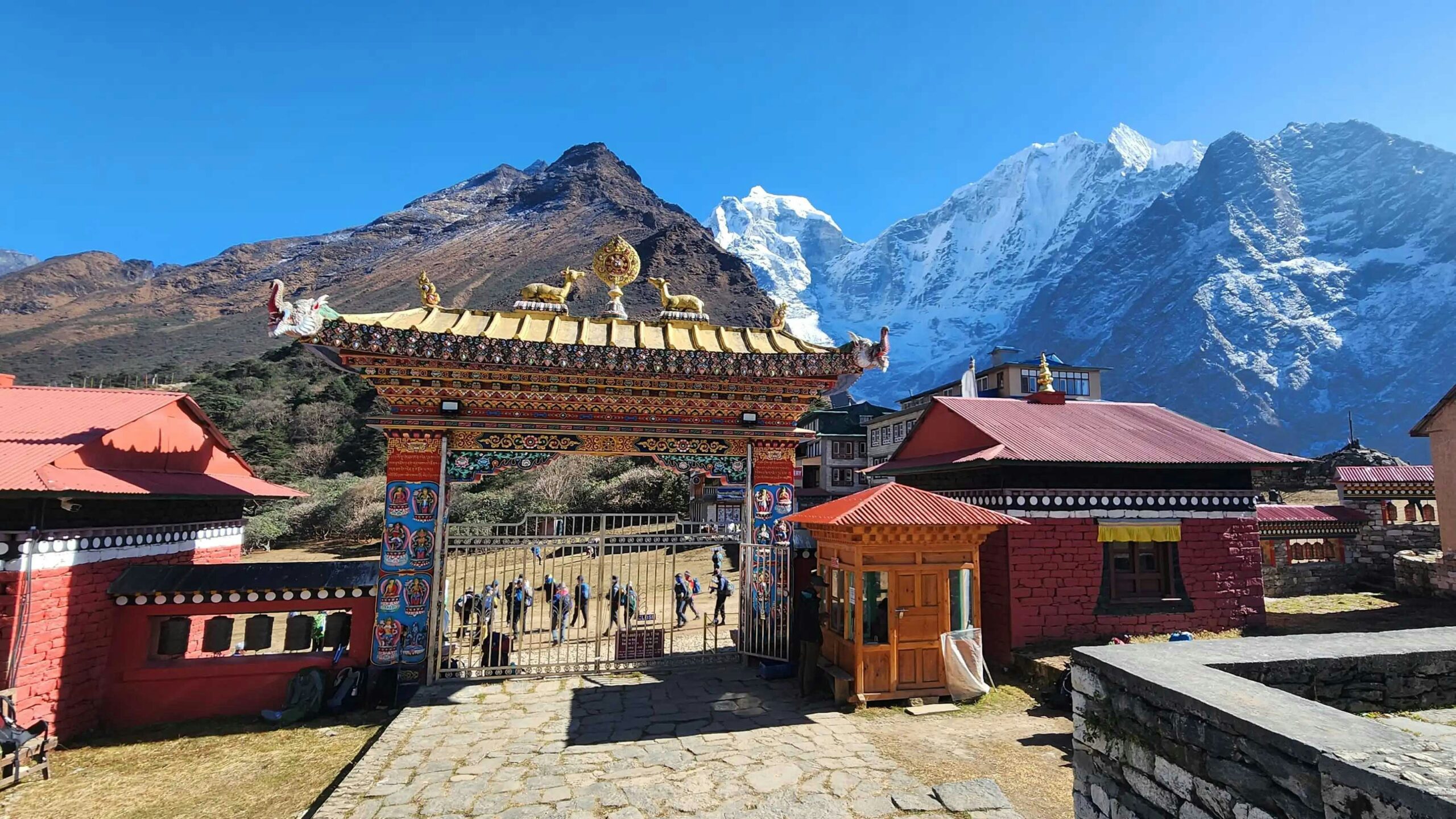
The Himalayas offer a spiritual depth that many travelers find life-changing. This range is the sacred home of Hinduism and Buddhism. You will walk past mani walls (stone tablets inscribed with mantras), spin prayer wheels, and see colorful lungta (prayer flags) snapping in the wind. The hospitality of the Sherpa people in Nepal, the Ladakhi in India, and the residents of Bhutan is legendary. Travel here is as much about the people you meet and the ancient monasteries you visit as it is about the mountains themselves. For many, the Himalayas are a pilgrimage; the Alps are a world-class playground.
Costs and Budgeting for 2026
When comparing costs, it is important to look at the "total cost of ownership" for the trip. The Alps have a higher daily cost but often lower barrier to entry. The Himalayas have lower daily costs but higher "fixed" costs.
- The Alps: Expect to pay premium prices for accommodation and transport. In 2026, a standard hotel in a Swiss mountain town can easily exceed $250 USD per night, and a single cable car ride might cost $50-$80. However, you do not need a guide for most established trails, and you can save money by staying in mountain huts (dormitory style) for roughly $80-$110 per night, including dinner and breakfast.
- The Himalayas: Daily expenses in a Nepalese teahouse (food and bed) can be as low as $40-$60. However, the hidden costs add up. Round-trip international flights to Kathmandu or Delhi are significant. Furthermore, as of 2026, many regions (including most of Nepal's national parks) require hikers to hire a licensed guide or at least a porter, adding to the base cost. Permits for restricted areas or peak climbing can range from $50 to several thousand dollars for major summits.
Seasonal Considerations and Timing
Weather patterns have become increasingly variable, but the general windows for travel remain distinct:
- The Alps: The primary hiking season is short, running from mid-June to late September. Outside of these months, high-altitude trails are covered in snow, and many mountain huts are closed. The winter season (December to March) is world-renowned for skiing but is not suitable for standard trekking.
- The Himalayas: There are two primary windows. Pre-monsoon (March to May) offers blooming rhododendrons and warmer temperatures, though the views can sometimes be hazy. Post-monsoon (October to November) provides the clearest skies and most stable weather, though it is significantly colder. Some regions, like Ladakh in India or the Mustang region of Nepal, sit in a "rain shadow" and are actually best visited during the summer months (July-August) when the rest of the range is experiencing heavy monsoon rains.
Comparison Summary Table
| Feature | The Alps | The Himalayas |
|---|---|---|
| Max Elevation | 4,807m (Mont Blanc) | 8,848m (Mount Everest) |
| Primary Activity | Day hiking, technical climbing, skiing | Long-distance trekking, expeditions |
| Accommodation | Luxury hotels, mountain huts (Refugios) | Teahouses, lodges, camping |
| Accessibility | High (Trains, lifts, paved roads) | Low to Moderate (Small planes, jeeps) |
| Typical Duration | 1 to 10 days | 10 to 25 days |
| Cultural Focus | European history, gastronomy, sports | Buddhism, Hinduism, spiritualism |
| Physical Risk | Technical terrain, weather changes | High altitude (AMS), remote location |
| Best For | Families, luxury seekers, weekenders | Adventurers, soul-searchers, endurance athletes |
Safety, Health, and Risk Management
Safety in the mountains is a matter of preparation. In the Alps, the primary risks are sudden weather shifts, lightning storms on ridges, and technical slips on rocky terrain. Rescue services in the Alps (like the REGA in Switzerland or the PGHM in France) are arguably the best in the world. Helicopter evacuation is highly efficient, often reaching an injured party within minutes. However, this service is expensive, making specialized mountain rescue insurance a 2026 necessity for any visitor.
In the Himalayas, the risks are more systemic. The sheer remoteness means that if something goes wrong, you may be hours or even days away from a helicopter-accessible landing zone. Altitude sickness is the most common serious health issue. In 2026, the use of "Gamow bags" (hyperbaric chambers) and bottled oxygen is more common on high-altitude treks, but the first line of defense remains a slow ascent. Reliable travel insurance that covers "helicopter evacuation above 5,000 meters" is non-negotiable for Himalayan travel.
Frequently Asked Questions
Can I hike the Alps or Himalayas without a guide?
In the Alps, experienced hikers can easily navigate most trails (like the Tour du Mont Blanc) without a guide, provided they can read maps and use GPS. In the Himalayas, the rules have become stricter. In 2026, many regions in Nepal require a mandatory guide for solo foreign trekkers to improve safety and support the local economy. Always check the current local government regulations before booking.
Which is better for a family vacation?
The Alps are significantly better for families. The availability of cable cars allows children to experience high-mountain views without grueling climbs. There are also numerous "theme trails," adventure parks, and family-friendly hotels with amenities. The Himalayas, due to altitude risks and demanding travel logistics, are generally recommended for older children (12+) who have previous hiking experience.
What is the gear difference between the two?
For the Alps, you need high-quality hiking boots, layered clothing (breathable), and a lightweight pack. For the Himalayas, gear requirements are more specialized due to the extreme cold at night and the duration of the trip. You will need a heavy down jacket (rated for -10°C or lower), a high-quality sleeping bag, and potentially "double boots" if you are attempting any peaks over 6,000 meters.
How do the environmental impacts compare?
Both ranges face significant challenges. The Alps are seeing rapid glacial retreat due to climate change, leading to more rockfall and changing trail conditions. The Himalayas face issues with waste management on popular routes like the Everest Base Camp trail. In 2026, both regions have implemented "Leave No Trace" policies and often charge "eco-fees" as part of the permit process to fund conservation efforts.
Is it possible to see the Himalayas if I'm not a trekker?
Yes. You can take mountain flights from Kathmandu that fly past Everest, or visit "hill stations" like Nagarkot in Nepal or Shimla and Darjeeling in India, which offer stunning panoramic views of the range from the comfort of a hotel balcony. However, you will miss the immersive experience of the high valleys.
Final Recommendation: Which One Should You Choose?
The decision ultimately comes down to your available time and comfort threshold.
If you have one week, want to enjoy fine wine and cheese after a day of hiking, and prefer to sleep in a real bed with high-speed Wi-Fi, the Alps are your clear winner. They offer a refined, manageable, and breathtakingly beautiful introduction to mountain life.
If you have two to three weeks, are willing to trade hot showers for life-altering sunsets, and want to test your physical and mental limits against the tallest peaks on the planet, the Himalayas are the only choice. The scale of the Himalayas is something that cannot be understood until you are standing at the base of an 8,000-meter giant, watching the morning light hit the summit.
Whichever you choose, ensure your travel insurance is updated for 2026 standards, respect the local environment, and remember that in the mountains, the journey is always more important than the summit.