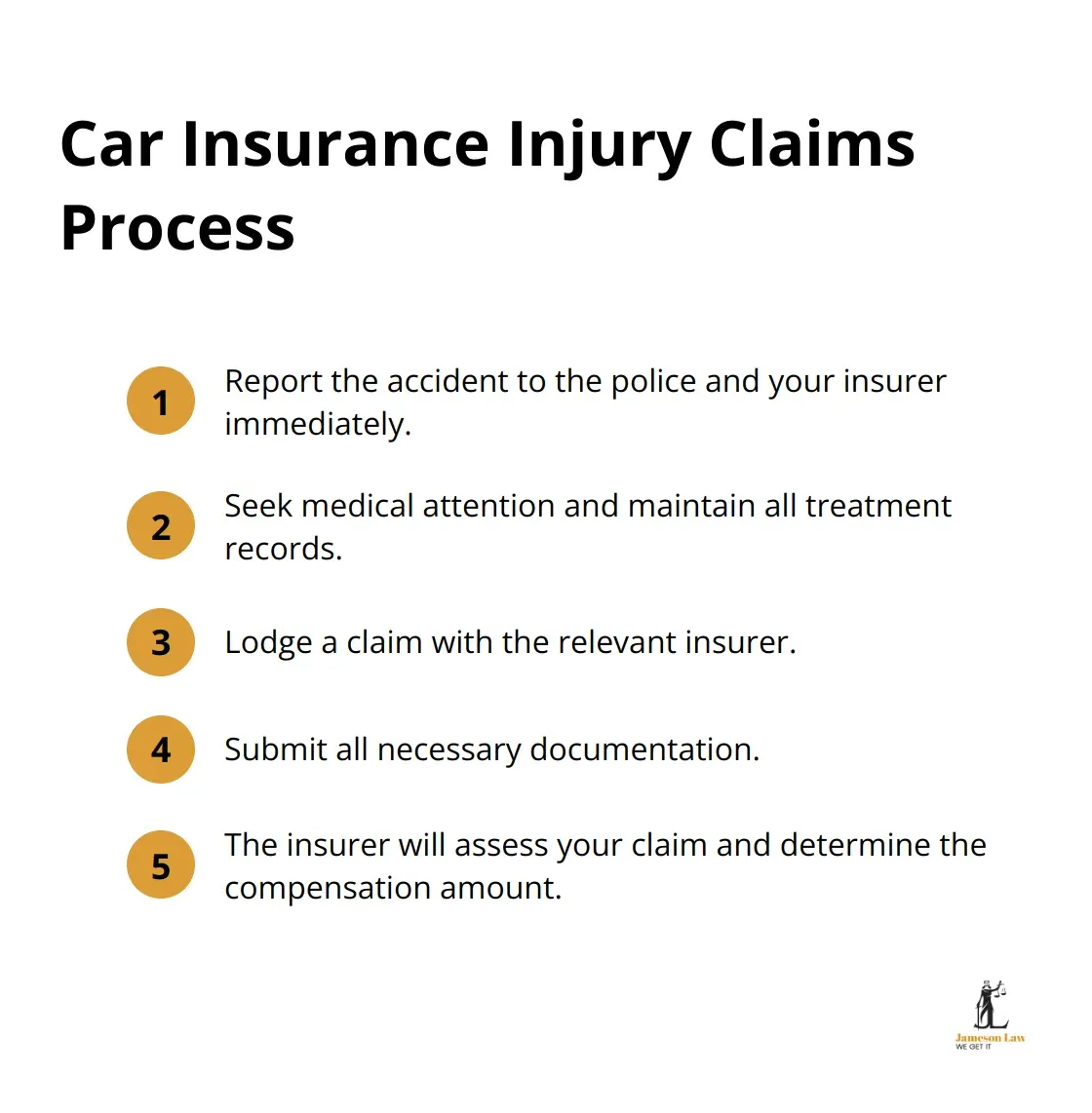
The Allstate injury claim process involves notifying the insurer of an accident, undergoing a formal investigation by a claims adjuster, and submitting medical documentation for evaluation. Claims are assessed using standardized software to determine settlement offers based on policy limits, liability, and the severity of documented injuries and financial losses.
Navigating a personal injury claim with Allstate, one of the largest insurance providers in the United States, requires a structured approach. Whether you are an Allstate policyholder filing a "first-party" claim or an individual injured by someone insured by Allstate (a "third-party" claim), understanding the sequence of events is critical to securing fair compensation. As of 2026, the process has become increasingly digitized, integrating mobile technology and algorithmic assessments to streamline the journey from the initial report to the final settlement.
Initiating the Claim: The Reporting Phase
The first step in the Allstate injury claim process is the formal notification of the incident. Allstate provides multiple channels for this, including their mobile app, online portal, and dedicated claims phone line. Timeliness is essential; most policies require "prompt" notification, and state statutes of limitations also dictate the legal window for filing.
When you report the claim, you will be asked to provide basic information: the date, time, and location of the accident, the names and contact information of all parties involved, and a general description of the injuries sustained. At this stage, it is advisable to stick to the facts and avoid making definitive statements about the extent of your injuries until you have been evaluated by a medical professional. Injuries like whiplash or internal trauma may not manifest symptoms immediately.
Allstate’s digital interface in 2026 allows claimants to upload photos of the accident scene and damage directly through the Allstate Mobile app. This immediate documentation creates a timestamped record that can be vital during the investigation phase. Once the claim is logged, you will receive a claim number. This number is the primary identifier for your case and should be included in all future correspondence.
Assignment and Initial Contact with the Adjuster
Shortly after the claim is filed, Allstate assigns a claims adjuster to the case. The adjuster is the primary point of contact and is responsible for investigating the circumstances of the accident, determining liability, and evaluating the value of the claim.
You can expect a phone call or digital message from the adjuster within 24 to 48 hours of filing. During this initial contact, the adjuster may ask for a recorded statement. It is important to exercise caution here. While you have a duty to cooperate with your own insurance company in a first-party claim, you are not legally required to provide a recorded statement to the other driver’s insurance company in a third-party claim without legal representation.
The adjuster will also request that you sign medical authorization forms. These documents allow Allstate to access your medical records directly from healthcare providers. Be aware that these forms are often broad, potentially giving the insurer access to your entire medical history. Claimants often work with legal counsel to limit the scope of these authorizations to records specifically related to the accident in question.
The Investigation and Evidence Gathering Phase
During the investigation, Allstate examines several key pieces of evidence to determine who was at fault and the extent of the damages. This phase is comprehensive and may include the following:
- Police Reports: The adjuster will obtain the official accident report filed by law enforcement. This report often contains the officer’s initial assessment of fault and any citations issued.
- Witness Statements: Allstate may contact individuals who witnessed the accident to corroborate your account of events.
- Physical Evidence: This includes photos of vehicle damage, road conditions, and the scene of the accident. In 2026, Allstate often utilizes AI-assisted photo analysis to estimate the force of impact and potential for bodily injury.
- Medical Records and Bills: The most critical component of an injury claim is the documentation of medical treatment. This includes emergency room records, diagnostic imaging (X-rays, MRIs), physical therapy notes, and invoices for all related costs.
Allstate also investigates "comparative negligence." If the insurer finds that you were partially at fault for the accident, they may reduce your settlement by your percentage of fault, depending on the laws of your specific state.
Reaching Maximum Medical Improvement (MMI)
A common mistake in the Allstate injury claim process is attempting to settle too early. A claim should generally not be finalized until the injured party has reached Maximum Medical Improvement (MMI). MMI is the point at which a patient's condition has stabilized, and no further significant improvement is expected, even with additional treatment.
Reaching MMI allows for an accurate calculation of both past and future medical expenses. If you settle before reaching MMI, you waive your right to seek additional compensation if your injuries require more extensive surgery or long-term care than originally anticipated. Allstate adjusters may push for a quick settlement shortly after the accident; however, it is usually in the claimant’s best interest to wait until the full medical trajectory is clear.
The Evaluation Phase and the Use of Colossus
Allstate is well-known in the insurance industry for its use of standardized evaluation software, historically a program known as Colossus. By 2026, these systems have evolved into sophisticated AI platforms that analyze "value drivers" to determine a settlement range.
The software looks at hundreds of factors, including:
- The specific ICD-10 or ICD-11 medical codes assigned by your doctor.
- The consistency of your treatment (avoiding "gaps" in care).
- The severity of the injury (permanent vs. temporary).
- The impact on daily activities (loss of enjoyment of life).
- The geographic location where the accident occurred (some jurisdictions traditionally yield higher jury awards).
Because Allstate relies heavily on these algorithmic assessments, the way your medical records are written is paramount. If your doctor fails to document a specific symptom or limitation, the software will not "see" it, and the offer will likely be lower. Ensuring that every physical complaint is documented in your medical file is essential for a successful Allstate claim.
Receiving the Settlement Offer and Negotiation
Once the investigation and evaluation are complete, the adjuster will extend an initial settlement offer. This offer typically covers:
- Special Damages: Quantifiable financial losses like medical bills, lost wages, and out-of-pocket expenses.
- General Damages: Non-economic losses such as pain and suffering, emotional distress, and loss of consortium.
It is common for the initial offer to be at the lower end of the software’s calculated range. At this point, the negotiation phase begins. You or your attorney can issue a demand letter that outlines why the claim is worth more than the offered amount, citing specific evidence, long-term impacts of the injury, and legal precedents.
If an agreement cannot be reached through negotiation, the process may move toward alternative dispute resolution, such as mediation or arbitration. If those fail, filing a formal lawsuit may be the final step to compel a fair payout.
Summary of the Allstate Injury Claim Steps
The following table summarizes the typical progression of an injury claim with Allstate in 2026.
| Phase | Key Actions | Typical Timeframe |
|---|---|---|
| 1. Notification | Report accident via app, web, or phone; obtain claim number. | Within 24–48 hours |
| 2. Assignment | Adjuster is assigned; initial contact; recorded statement request. | 1–3 business days |
| 3. Investigation | Liability determination; review of police reports and photos. | 1–4 weeks |
| 4. Medical Treatment | Seek care; reach MMI; compile all medical records and bills. | Varies (months to 1+ year) |
| 5. Demand & Evaluation | Submit demand package; Allstate runs algorithmic assessment. | 15–45 days after demand |
| 6. Negotiation | Back-and-forth offers; potential mediation or legal action. | 2 weeks to several months |
| 7. Resolution | Sign release of claims; receive settlement check or electronic payment. | 1–2 weeks post-agreement |
Common Pitfalls to Avoid During the Process
The Allstate injury claim process is designed to be efficient for the insurer, but it can be a minefield for the uninformed claimant. One major pitfall is the "gap in treatment." If you wait several weeks to see a doctor or stop going to physical therapy before you are discharged, Allstate’s software may flag this as an indication that your injuries were not serious or have already healed.
Another pitfall is social media usage. Allstate's investigative teams frequently monitor public social media profiles. If you claim a debilitating back injury but post photos of yourself hiking or dancing, these images can be used as evidence to significantly devalue or deny your claim.
Finally, be wary of the "quick check." Allstate may offer a small, immediate payment to cover your initial medical bills in exchange for signing a release. Signing this release usually bars you from seeking any further compensation, even if your injuries turn out to be much worse than initially thought.
Frequently Asked Questions
How long does Allstate have to settle an injury claim?
There is no universal federal deadline, but state insurance laws usually require companies to acknowledge a claim and make a decision within a specific timeframe—often 30 to 45 days after receiving all necessary documentation. However, the negotiation phase can extend the total time to several months or even years if the case goes to litigation.
Does Allstate use AI to determine injury settlements in 2026?
Yes, Allstate utilizes advanced algorithmic tools to standardize claim values. These tools analyze medical codes, injury severity, and historical settlement data in specific regions to generate a settlement range. While adjusters have some discretion, they often must stay within the parameters set by the software unless significant new evidence is provided.
Should I provide a recorded statement to the Allstate adjuster?
If you are an Allstate policyholder, your policy likely requires you to cooperate with their investigation, which may include a statement. If you are a third-party claimant (the other driver has Allstate), you are generally not required to provide a recorded statement. It is often recommended to consult with a legal professional before giving any formal statements that could be used against you later.
What happens if the settlement offer is lower than my medical bills?
If Allstate’s offer does not cover your medical expenses, you should not sign the settlement agreement. You have the right to provide additional evidence, such as letters from your doctors explaining the necessity of the treatment, or to pursue legal action. In some cases, your own "underinsured motorist" (UIM) coverage may also come into play if the other party's policy limits are too low.
Can I handle an Allstate injury claim without a lawyer?
It is possible to handle minor claims with clear liability and minimal injuries independently. However, for serious injuries, disputed liability, or claims involving long-term disability, having an attorney is generally beneficial. Lawyers understand how to navigate Allstate’s evaluation software and can often negotiate significantly higher settlements than unrepresented individuals.
How does Allstate pay out the settlement?
Once you sign the Release of All Claims form, Allstate typically issues payment within 7 to 14 business days. In 2026, many claimants opt for electronic funds transfer (EFT) or direct deposit through the Allstate Mobile app, which is faster than receiving a physical check via mail.
Final Recommendation for Claimants
To successfully navigate the Allstate injury claim process, you must be your own best advocate through meticulous documentation. Maintain a detailed "claim diary" that records every medical appointment, the names of providers, and how your injuries affect your daily life. Ensure all communication with the adjuster is followed up in writing. By understanding the software-driven nature of Allstate’s evaluations and waiting until you have reached Maximum Medical Improvement, you place yourself in the strongest possible position to receive a settlement that truly reflects the extent of your losses. If the process becomes overwhelming or the offers remain unreasonably low, seeking a consultation with a personal injury specialist is a prudent next step to protect your legal rights.