Allstate does not offer a standalone "flood insurance" policy for automobiles. Instead, damage caused by flooding is typically addressed under the Comprehensive coverage portion of a standard Allstate auto insurance policy. If your vehicle sustains water damage from rising water, flash floods, or storm surges, you must hold this specific optional coverage to file a successful claim for repairs or replacement.
The Role of Comprehensive Coverage in Flood Situations
To understand how an insurance provider like Allstate handles flood damage, it is essential to distinguish between the various components of an auto insurance policy. Most states require drivers to carry Liability coverage, which pays for damages you cause to others. However, Liability coverage does not protect your own vehicle from environmental hazards.
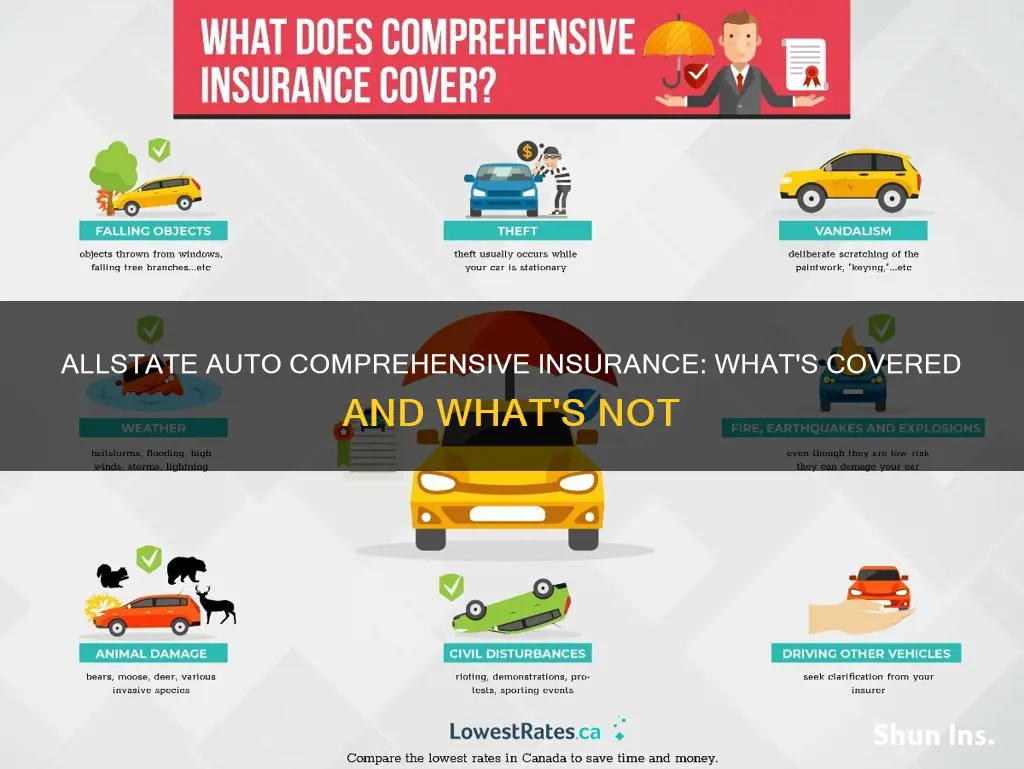
Comprehensive coverage, often referred to as "other than collision" coverage, is designed to protect your vehicle against non-accident-related perils. These include theft, vandalism, fire, falling objects, and—crucially—natural disasters like floods. Without this specific coverage, you are personally responsible for the entire cost of repairs or the total loss value if your car is submerged or damaged by water.
In the event of a flood, the insurance company will assess the damage to determine if the vehicle is repairable or a "total loss." Water damage is notoriously complex; it can compromise a vehicle’s electrical system, engine components, and interior upholstery. Because of the risk of long-term corrosion and mold, adjusters often declare flooded vehicles a total loss even if the exterior appears relatively intact.
Determining Eligibility and Policy Requirements
As of 2026, adding Comprehensive coverage to your Allstate policy is a straightforward process, but it must be done before a flood event occurs. Insurance companies do not permit customers to add coverage after a storm warning has been issued or after damage has already taken place. This principle, known as "binding," ensures that insurance remains a risk-mitigation tool rather than a retroactive payment solution.
To verify your current status:
- Access your policy documents: Log into your account or review your declarations page.
- Check for Comprehensive: Look for "Comprehensive" or "Other than Collision" listed under your coverages.
- Verify the Deductible: Note your deductible amount—this is the portion you pay out of pocket before the insurance company covers the remainder of the claim.
- Assess Policy Limits: Understand that coverage generally pays up to the Actual Cash Value (ACV) of the vehicle, minus your deductible.
How Allstate Claims Processing Works for Flood Damage
If you find yourself with a flood-damaged vehicle, the efficiency of the claims process depends on proper documentation and immediate action. The first priority is always safety; never attempt to start a vehicle that has been submerged in water, as this can cause catastrophic engine damage and short-circuit electrical systems.
When you initiate a claim with Allstate, an adjuster will be assigned to evaluate the vehicle. This professional will examine the "high-water mark," which is the visible line inside or outside the vehicle indicating how high the water rose. This measurement is a primary indicator of the extent of mechanical and electrical compromise.
Steps to follow after a flood:
- Documentation: Take extensive photographs and videos of the vehicle's position, the water level, and any visible debris inside or outside the car.
- Mitigation: If it is safe to do so, move personal items out of the vehicle and attempt to dry the interior to prevent secondary mold growth. Do not perform extensive repairs until an adjuster has inspected the vehicle.
- Notification: Contact Allstate as soon as possible. Delaying notification can sometimes complicate the assessment of whether the damage was caused by the initial event or subsequent neglect.
- Professional Assessment: Allow the insurance-approved shop or adjuster to verify the damage. They will use diagnostic tools to check the Control Modules (ECUs) and wiring harnesses, which are highly susceptible to salt or freshwater corrosion.
Comparison of Coverage Types for Environmental Hazards
| Coverage Type | Protects Against | Applicable to Floods? |
|---|---|---|
| Liability | Injuries/Property Damage to others | No |
| Collision | Impact with another vehicle/object | No |
| Comprehensive | Theft, Fire, Vandalism, Floods | Yes |
| Gap Insurance | Difference between loan/lease and ACV | Only if combined with Comp |
Common Misconceptions About Flood Insurance
A frequent point of confusion for many policyholders is the difference between home flood insurance and auto flood insurance. Homeowners' insurance policies almost universally exclude flood damage, requiring a separate policy through the National Flood Insurance Program (NFIP) or a private insurer. Conversely, auto insurance does not require a separate "Flood Policy." If you have Comprehensive coverage on your car, you are protected.
Another misconception is that the "Acts of God" or "Force Majeure" clause allows an insurer to deny a claim for flood damage. While these terms appear in legal contracts, they do not negate the specific protections offered by a Comprehensive policy. If your policy includes Comprehensive coverage, the insurance company is contractually obligated to provide coverage for flood-related losses, regardless of the severity of the weather event.
Factors Affecting Your Premium and Deductible
When selecting your Comprehensive deductible, consider your financial liquidity in the event of an emergency. A higher deductible will lower your monthly premium, but it requires you to have more cash on hand if a flood occurs. Conversely, a lower deductible—such as $100 or $250—increases your monthly premium but minimizes your out-of-pocket costs when a disaster strikes.
In 2026, insurance companies are increasingly using granular risk modeling to determine premiums based on geographic location. If you live in a region prone to flash flooding or hurricanes, your Comprehensive premiums may reflect this increased risk. It is advisable to review your policy annually to ensure that your coverage limits still align with the current market value of your vehicle.
Frequently Asked Questions
Does Allstate cover water damage if I left my windows open during a storm? Generally, no. Insurance covers "fortuitous" events—unforeseen and accidental occurrences. If damage is caused by the policyholder’s negligence (such as leaving windows open during a rainstorm), the insurer may deny the claim. Comprehensive coverage is intended for natural disasters, not for damage resulting from failing to secure the vehicle.
Will my premiums increase if I file a flood insurance claim? This depends on your specific policy terms and your state's regulations. In many cases, flood damage is classified as a "no-fault" claim because it is caused by a natural disaster beyond the driver's control. However, insurance companies may adjust rates based on the overall risk profile of the area or the frequency of claims filed by the policyholder.
What if my vehicle is a total loss? If the cost of repairs exceeds the Actual Cash Value (ACV) of your vehicle, Allstate will typically declare it a total loss. You will receive a payout equal to the ACV, minus your deductible and any applicable taxes or fees. It is important to know the current market value of your car to ensure the settlement offer is fair.
Can I get coverage for a flood-damaged car I am currently repairing? If a car has been previously flooded and is being repaired, it may be subject to a "salvage title." Many insurers are hesitant to provide Comprehensive coverage on vehicles with salvage or rebuilt titles because the history of water damage makes future mechanical issues highly likely. Always disclose the title status to Allstate when requesting coverage.
How do I prove the flood was the cause of the mechanical failure? The adjuster is trained to identify signs of flood damage, such as water lines in the headlights, silt or mud inside the cabin, and corrosion on electrical connectors. You do not need to prove the cause yourself, but keeping records of the local weather reports and the date of the event can help substantiate your claim during the adjuster's review.
Taking Action: Next Steps for Policyholders
If you are unsure whether your current Allstate policy provides adequate protection against environmental hazards like floods, you should take action today. Review your declarations page or contact your local Allstate agent to confirm that "Comprehensive" coverage is active. If you live in an area prone to severe weather, evaluate whether your current deductible is one you can comfortably afford in an emergency. Preparing your policy before a disaster occurs is the most effective way to ensure financial security for your vehicle.