Alleviate loans, specifically the debt settlement services offered by firms like Alleviate Financial, represent a strategy to reduce the total principal owed on unsecured debts. By negotiating directly with creditors, these programs aim to settle obligations for less than the full balance, providing a structured path out of severe financial distress for qualified individuals.
The landscape of consumer debt in 2026 has evolved significantly, yet the core mechanisms of debt alleviation remain a source of confusion for many. With household debt levels maintaining a high baseline, the distinction between a "loan" to consolidate debt and a "service" to alleviate it is often blurred. Understanding the specific myths and facts surrounding Alleviate Financial and similar debt relief models is critical for anyone considering these services as an alternative to bankruptcy or long-term minimum payments.
Understanding the "Alleviate" Model: Debt Settlement vs. Debt Consolidation
To navigate the myths and facts effectively, one must first define the subject. In the context of debt relief, "alleviate loans" usually refers to the professional negotiation of existing debts to reduce the total payout. This is distinct from a debt consolidation loan, where a consumer takes out a new, large loan to pay off several smaller ones.
Alleviate Financial operates as a debt settlement company. Their primary function is to act as an intermediary between the debtor and the creditor. The goal is to reach an agreement where the creditor accepts a lump-sum payment (often funded by the consumer’s monthly deposits into a dedicated savings account) that is significantly lower than the original balance. This process is generally reserved for unsecured debts such as credit card balances, medical bills, and some personal loans.
The Mechanism of Action
When a consumer enters an alleviation program, they typically stop making payments directly to their creditors. Instead, they redirect those funds into a specialized account managed by a third-party custodian. Once this account reaches a sufficient balance, negotiators from the company approach the creditors with a settlement offer. The logic is that creditors, fearing the debtor may eventually file for bankruptcy (in which case the creditor might receive nothing), are often willing to accept 40% to 60% of the balance to close the account.
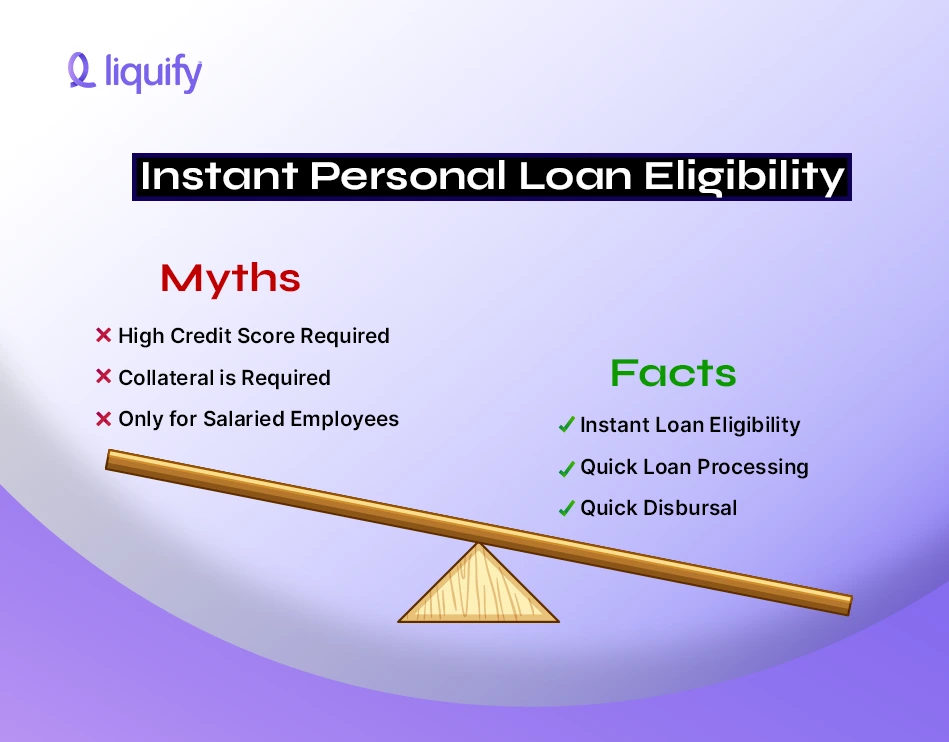
Myth 1: Alleviate Loans Are the Same as Debt Consolidation Loans
One of the most persistent misconceptions is that "alleviating" debt involves taking out a new loan.
The Fact: Debt alleviation through settlement is the opposite of a loan. A debt consolidation loan involves borrowing more money to pay off existing creditors, maintaining the same total debt balance but ideally at a lower interest rate. Debt settlement—the core of the Alleviate model—aims to shrink the actual principal owed.
Because no new money is being borrowed, there are no interest rates on the "alleviation" itself. However, because the consumer stops paying the original creditors during the negotiation phase, interest and late fees on the original accounts continue to accrue until a settlement is reached and paid.
Myth 2: Debt Settlement Does Not Damage Your Credit Score
Many individuals are led to believe that "fixing" their debt through an alleviation program will immediately improve their financial standing.
The Fact: Entering a debt settlement program will almost certainly cause a significant, albeit temporary, decline in your credit score. To gain the leverage needed to negotiate a settlement, consumers must generally be in default or significantly behind on payments. Creditors are rarely willing to settle for less than the full amount if the debtor is still making regular, on-time payments.
As payments stop, creditors report the accounts as delinquent to the major credit bureaus (Equifax, Experian, and TransUnion). These marks remain on the credit report for seven years. However, many consumers find this a necessary trade-off; the goal is to resolve the debt so they can begin rebuilding their credit from a zero-balance baseline rather than struggling under a mountain of debt for decades.
Myth 3: Debt Alleviation Is a "Quick Fix"
Marketing for debt relief often emphasizes the speed of the process, leading to the myth that one can be debt-free in a matter of months.
The Fact: Professional debt alleviation is a multi-year commitment. Depending on the total amount of debt and the individual's ability to fund their settlement account, the process typically takes between 24 and 48 months.
The timeline is dictated by how quickly the consumer can save enough money to offer credible settlements. If a consumer has $50,000 in debt and hopes to settle for $25,000, they must first accumulate that $25,000 (plus the company's service fees) in their dedicated account. For most households, this requires a disciplined, long-term savings plan.
Fact: There Are Significant Tax Implications for Canceled Debt
A fact that often catches consumers by surprise is the involvement of the Internal Revenue Service (IRS).
The Reality: According to IRS Publication 4681, when a debt is canceled, forgiven, or settled for less than the full amount, the "forgiven" portion is generally considered taxable income. For example, if you settle a $10,000 debt for $4,000, the $6,000 that was forgiven must be reported as income on your federal tax return using Form 1099-C.
There is an exception for "insolvency." If your total liabilities exceed your total assets at the time the debt is settled, you may not have to pay taxes on the forgiven amount. However, this requires specific documentation and should be discussed with a tax professional.
Fact: Creditors Are Not Legally Obligated to Negotiate
It is a common assumption that if you hire a professional firm, the creditors are forced to play ball.
The Reality: No law requires a credit card company or medical provider to accept a settlement. Large financial institutions have varying policies regarding debt settlement. Some may refuse to work with certain third-party agencies, while others may choose to initiate legal action (such as a lawsuit or wage garnishment) rather than settle.
Professional companies like Alleviate Financial use their historical data and established relationships with creditors to predict which ones are likely to settle, but there are no guarantees. If a creditor sues the consumer during the process, the settlement company generally cannot provide legal representation, although they may offer guidance on how to handle the situation within the program.
Comparing Debt Relief Strategies in 2026
To determine if an alleviation program is the right choice, it is helpful to compare it against other common financial recovery paths available in the current economic environment.
| Feature | Debt Settlement (Alleviate) | Debt Consolidation Loan | Credit Counseling (DMP) | Chapter 7 Bankruptcy |
|---|---|---|---|---|
| Primary Goal | Reduce principal balance | Lower interest rates | Lower interest & fees | Discharge most debts |
| Credit Impact | High negative (short-term) | Moderate (varies) | Low to moderate | Severe (long-term) |
| Timeline | 24–48 months | 36–60 months | 48–60 months | 4–6 months |
| Typical Cost | Fees based on settled debt | Interest on loan | Monthly admin fees | Legal & filing fees |
| Creditor Action | Possible lawsuits | Payments continue | Usually stopped | Automatic stay |
| Tax Impact | Forgiven debt is taxable | None | None | None |
The Role of Fees: What the Law Says
A major point of contention in the debt relief industry involves how and when fees are paid. In the past, unscrupulous "debt relief" firms would charge thousands of dollars upfront and then fail to settle any debt.
The Fact: Under the Federal Trade Commission's (FTC) Telemarketing Sales Rule, it is illegal for debt settlement companies to charge upfront fees. Fees can only be collected after a debt has been successfully negotiated and the consumer has made at least one payment toward that settlement.
Typically, companies charge a fee based on a percentage of the total debt enrolled in the program (often 15% to 25%). Consumers should verify that any firm they work with adheres strictly to these performance-based fee structures.
Eligibility Requirements for Alleviate Programs
Not all debt is created equal, and not everyone is a candidate for debt alleviation. Understanding the prerequisites is essential before applying.
- Type of Debt: Only unsecured debt is eligible. This includes credit cards, store cards, personal loans, and certain private student loans. Secured debts—those backed by collateral like a home (mortgage) or a car (auto loan)—cannot be settled through these programs because the creditor can simply repossess the asset.
- Financial Hardship: Applicants must demonstrate a legitimate financial hardship, such as job loss, medical emergency, or divorce, that prevents them from paying their debts in full.
- Minimum Debt Threshold: Most reputable firms require a minimum amount of debt to make the program viable, usually starting around $7,500 to $10,000.
- Steady Income: While you are settling debt, you still need a consistent source of income to fund the dedicated savings account that will eventually pay for the settlements.
Potential Risks and Common Mistakes
While the benefits of becoming debt-free are clear, the path through an alleviation program is fraught with potential pitfalls.
The Risk of Lawsuits
Because the strategy involves stopping payments to creditors, there is a window of time where the consumer is vulnerable. Creditors may pass the debt to collection agencies or internal legal departments. If a creditor files a lawsuit and wins a judgment, they could potentially garnish wages or place a lien on property. This is why transparency and communication with the settlement agency are vital.
Premature Program Exit
The highest failure rates in debt settlement occur when consumers stop funding their dedicated accounts. Life emergencies—such as an unexpected car repair or medical bill—can tempt a consumer to "skip a month" of their program deposit. This delays the ability to settle and may lead to creditors losing patience and moving toward legal action.
Misunderstanding the "Total Cost"
When calculating the value of a settlement, consumers often forget to factor in the service fees and the potential tax bill. A "50% settlement" might actually cost the consumer closer to 75% of the original balance once the 20% service fee and 5-10% tax impact are considered. Even so, this is often significantly cheaper than paying 20%+ interest on a credit card for twenty years.
Regulatory Oversight and Consumer Protection in 2026
As of 2026, the Consumer Financial Protection Bureau (CFPB) maintains rigorous oversight of the debt settlement industry. Consumers have the right to:
- Receive a clear disclosure of the risks, including the impact on credit.
- Receive an estimate of how long it will take to see results.
- Withdraw their funds from the dedicated savings account at any time (minus any earned fees for completed settlements).
- Be informed of the total cost of the program.
Consumers should check the Better Business Bureau (BBB) and the CFPB’s complaint database before choosing a provider to ensure the company has a history of ethical dealings.
FAQ: Common Questions About Alleviate Loans
Can Alleviate Financial stop debt collector calls?
While the company can ask creditors to communicate with them instead of you, they do not have the same legal "automatic stay" power as a bankruptcy attorney. Most creditors will stop calling once they are notified that you are represented by a debt settlement firm, but it is not a legal guarantee.
Will I have to go to court?
In the vast majority of cases, no. Debt settlement is an out-of-court negotiation. You would only end up in court if a creditor decides to sue you for the debt and you choose to contest it. If this happens, your settlement company may help you prioritize that specific debt for a quicker settlement.
Is debt settlement better than bankruptcy?
"Better" is subjective. Chapter 7 bankruptcy is faster (taking about 4-6 months) and provides legal protection, but it remains on your credit report for 10 years and may require liquidating certain assets. Debt settlement allows you to pay back a portion of what you owe and stays on your report for 7 years, but it lacks the legal protection of the bankruptcy court.
How does debt settlement affect my taxes?
As mentioned, the IRS views forgiven debt over $600 as taxable income. You will receive a 1099-C form from your creditor. You must report this on your taxes unless you can prove insolvency. It is highly recommended to set aside a portion of your savings to cover potential tax liabilities at the end of the year.
Can I settle my own debt without a company?
Yes, you can contact your creditors directly and offer a lump-sum settlement. However, professional negotiators often have more leverage and better data on what specific creditors are willing to accept. Doing it yourself requires a high level of persistence and the ability to handle aggressive collection tactics.
Final Recommendation: Is This the Right Path for You?
Choosing to alleviate debt through settlement is a serious financial decision that should not be made lightly. It is best suited for individuals who are genuinely unable to pay their debts in full, have no path toward a consolidation loan due to low credit scores, and want to avoid the long-term stigma and restrictions of bankruptcy.
Next Steps:
- Conduct a Budget Audit: Ensure you have enough discretionary income to fund a settlement account consistently for at least 36 months.
- Verify Your Debt: Ensure your debts are unsecured and exceed the minimum thresholds required by firms like Alleviate Financial.
- Consult a Professional: Speak with a certified credit counselor to see if a Debt Management Plan (DMP) might be a less damaging alternative before committing to settlement.
- Read the Fine Print: If you proceed with an alleviation program, ensure the contract explicitly states that no fees are charged until a settlement is reached.