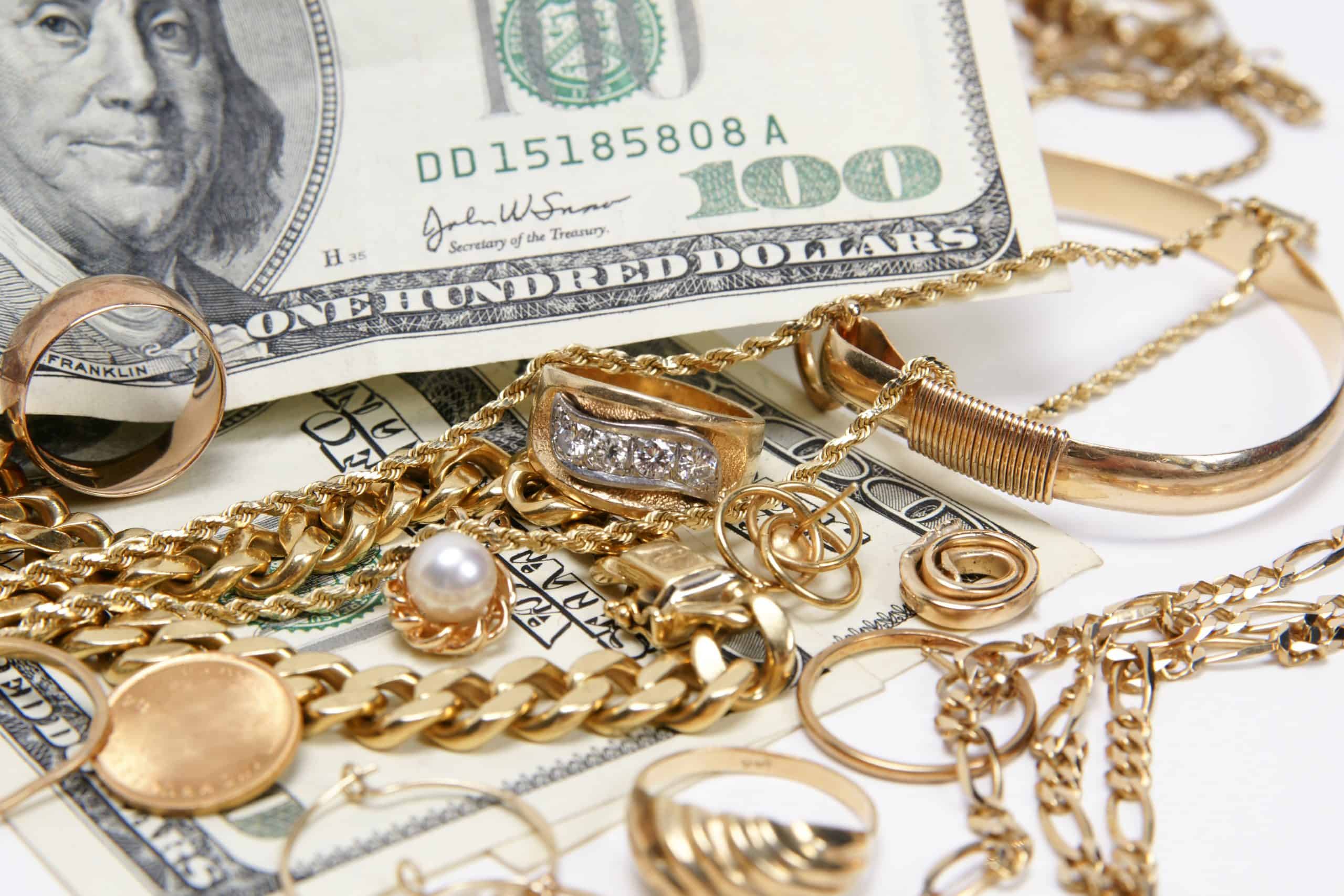
All Island Jewelry and Loan operates as a significant fixture within the Long Island pawn market, providing localized collateral-based lending and retail services for residents of Nassau and Suffolk counties. By leveraging high-value assets—primarily gold, jewelry, and luxury watches—clients secure short-term cash liquidity through pawn transactions or divestiture via outright sales, functioning under the regulatory framework of New York State’s collateral loan industry.
The Role of Pawn Shops in the Long Island Economy
The Long Island pawn market serves as a critical alternative financial hub for individuals who require immediate capital without the friction of traditional credit checks, employment verification, or long-term debt obligations. Unlike institutional banking, where credit scores dictate access to capital, institutions like All Island Jewelry and Loan prioritize the intrinsic value of the physical item held as collateral.
In the 2026 economic landscape, this sector remains essential for both personal liquidity and the secondary retail market. For many Long Islanders, the process is straightforward: an item is appraised, a loan amount is determined based on a percentage of the item’s resale value, and the transaction is formalized with a pawn ticket. This ticket acts as a contract, outlining the terms of the loan, the interest rates, and the required redemption period before the pawn shop assumes ownership to recoup its investment.
Understanding the Pawn Transaction Process
Engaging with a pawn shop involves a clear, repeatable process that hinges on the identification of market value. When a client visits a storefront like All Island Jewelry and Loan, the primary interaction is the appraisal.
- Item Presentation: The client brings the item—typically gold, platinum, or diamond jewelry—to the store.
- Appraisal and Verification: The pawnbroker examines the item for authenticity. For jewelry, this involves testing precious metal purity using acid tests or electronic gold testers, assessing the carat weight of diamonds, and verifying hallmark stamps.
- Loan Offer Determination: Based on the current spot price of gold or the secondary market value of branded jewelry, the broker makes an offer. Note that this offer is rarely the full retail value of the piece, as the broker must account for storage, insurance, and the risk that the item remains unredeemed.
- Documentation: New York state law requires detailed record-keeping. Clients must provide valid government-issued identification. The pawn ticket issued serves as the legal receipt and the only proof of ownership for the collateral while it is held.
- Redemption or Forfeiture: The client has a set period to repay the loan principal plus the accrued interest. If the deadline passes, the client may lose the item, which then moves into the store’s retail inventory.
Asset Valuation: What Holds Value in the Pawn Market?
The pawn market is not a homogenous space; it is highly segmented by asset class. In the Long Island pawn market, specific items yield more consistent liquidity than others.
- Precious Metals: Gold, silver, and platinum items are the gold standard for pawn loans because their value is tied to global commodity markets rather than fashion trends.
- Luxury Watches: Brands with high resale value, such as Rolex, Omega, or Patek Philippe, are highly sought after. These items require expert verification to ensure that movements, dials, and bezels are authentic, as the market is sensitive to aftermarket alterations.
- Certified Diamonds: While loose diamonds or diamond-set jewelry hold value, they are subject to strict grading (Cut, Color, Clarity, Carat). A GIA (Gemological Institute of America) certificate significantly increases the appraisal speed and value certainty.
- Other High-End Goods: Depending on the specific business model, some Long Island locations may accept premium electronics, musical instruments, or art, though jewelry remains the primary focus for shops specializing in the “Jewelry and Loan” model.
Comparative Analysis of Pawn Alternatives
When considering a transaction at a shop like All Island Jewelry and Loan, it is useful to compare the pawn process against other methods of liquidation or borrowing.
| Feature | Pawn Loan | Personal Loan | Consignment Sale | Outright Sale |
|---|---|---|---|---|
| Credit Check | None | Required | None | None |
| Speed | Immediate | Days to Weeks | Weeks to Months | Immediate |
| Risk | Loss of Item | Credit Damage | Low (None) | Low (None) |
| Cost | Interest + Fees | Interest | Commission % | None (Lower Offer) |
| Ownership | Kept by Shop | Retained | Retained | Transferred |
As indicated in the table, the pawn loan is a high-speed, low-friction tool. However, it is fundamentally a high-interest, short-term solution. If the goal is long-term wealth preservation, selling an item outright or using consignment may yield a higher final cash payout, albeit at the cost of waiting for a buyer.
Regulatory and Ethical Standards in New York
New York state law imposes strict requirements on pawn shops to protect both the consumer and the community. These regulations act as a safeguard against the fencing of stolen property and ensure transparent lending practices.
Pawn shops in Long Island are required to:
- Report Transactions: Many jurisdictions require daily reporting to police databases, allowing law enforcement to cross-reference items against reported stolen property lists.
- Maintain Licensing: All pawn operators must be licensed by local municipal authorities, which includes regular audits of their ledger books and security protocols.
- Disclosure: The interest rates, late fees, and storage fees must be disclosed in writing at the time of the loan. In 2026, transparency remains the cornerstone of a legitimate pawn operation.
Clients are advised to verify that the establishment they choose is fully licensed. A reputable shop will have no issue producing its credentials or explaining its fee structure in plain language. If a shop operates with opacity regarding interest calculation or storage fees, it is a significant red flag for consumers.
Practical Tips for First-Time Customers
For residents looking to visit a pawn shop, preparation is the most important factor in securing a favorable valuation.
- Clean Your Items: While it does not change the weight of a gold chain, a polished, clean piece of jewelry allows the appraiser to identify hallmarks and condition more easily, which can influence the perceived quality.
- Bring Documentation: If you have original boxes, appraisal papers, or purchase receipts, bring them. Documentation is particularly vital for luxury watches, as it provides provenance and authenticity evidence that can increase the loan offer.
- Know the Market Value: Before walking into a store, check the current spot price for gold or the recent "sold" listings on reputable auction sites for your specific item. Having a realistic expectation of value prevents frustration during the negotiation.
- Read the Ticket: Never sign a pawn agreement without reading the terms of redemption. Know exactly when the loan is due and what happens if you cannot pay on time. Many shops allow for "renewals," where you pay the accrued interest to extend the loan period, but this must be arranged before the contract expires.
Common Misconceptions
There is often a stigma associated with pawn shops, viewing them as places of desperation. In reality, the Long Island pawn market serves a diverse clientele. Collectors often use these shops to bridge the financial gap between acquisitions, and small business owners may use them for short-term bridge financing when bank transfers are pending.
Another common misconception is that pawn shops sell "junk." In reality, pawn shops are often the best source for high-quality, pre-owned jewelry at prices significantly below retail markup. Because the shop acquired the item at a discount, they can sell it for less than a traditional jewelry store while still maintaining a profit, providing a benefit to the secondary buyer.
Financial Planning and Risk Management
Using a pawn loan should be treated as a tactical financial decision rather than a long-term strategy. Because the interest rates on pawn loans are higher than traditional bank loans—reflecting the lack of a credit-based risk assessment—they are best utilized for short-term liquidity needs.
If an individual finds themselves relying on pawn loans repeatedly, it may indicate a need to evaluate long-term financial health. The most sustainable way to use a shop like All Island Jewelry and Loan is to ensure that the collateral provided is not an item of irreplaceable sentimental value, as there is always a risk of default. Treat the pawned item as a liquid asset that you are choosing to rent back from the lender for a specified timeframe.
Troubleshooting Transactional Issues
If you encounter an issue, such as a disagreement over the appraisal value or a lost pawn ticket, there are established protocols.
- Disputed Value: If you feel the appraisal is incorrect, you are under no obligation to accept the loan offer. A professional shop will respect your decision to walk away. You may also seek an independent appraisal elsewhere to validate your item’s quality.
- Lost Pawn Ticket: If you lose your ticket, contact the shop immediately. They can usually locate your account using your government-issued ID and the records in their system. However, they may charge a small administrative fee for re-issuing documentation or verifying your identity.
- Late Payments: If you realize you cannot meet the redemption deadline, contact the shop before the date of expiration. Many brokers would rather extend your loan and collect interest than deal with the process of cleaning, storing, and selling your item. Communication often resolves potential forfeiture issues.
Conclusion and Next Actions
The Long Island pawn market provides a vital, regulated service for those who require immediate access to cash or wish to purchase high-quality pre-owned jewelry at competitive prices. By understanding the appraisal process, knowing the current market value of your assets, and maintaining clear communication with the lender, you can navigate the pawn market effectively.
If you are planning to utilize a service such as All Island Jewelry and Loan, your next action should be to organize your items and their supporting documentation. Ensure you have a valid, unexpired driver’s license or state ID ready, as no reputable broker will conduct a transaction without it. By approaching the counter with knowledge and preparation, you turn a financial necessity into a managed, successful transaction.