Life insurance serves as a foundational financial tool designed to provide liquidity and financial security upon the death of the insured. While the specific necessity of a policy varies based on personal debt, dependency structures, and estate goals, most individuals require some level of coverage to protect survivors from the immediate and long-term costs associated with loss of income and final expenses.
Understanding the Core Purpose of Life Insurance
In 2026, the global financial landscape has evolved, but the fundamental premise of life insurance remains constant: the transfer of risk. By paying a premium to an insurance carrier, an individual shifts the financial burden of their potential death to the insurer. This risk management strategy is not merely about "leaving money behind"; it is about ensuring that the economic ecosystem built around an individual—be it a family, a business, or a charitable organization—does not collapse in their absence.
The "need" for life insurance is often framed through the lens of income replacement. If an individual provides financial support to others, their death creates a vacuum that can lead to foreclosure, educational disruption, and a significant drop in living standards. However, even for those without direct dependents, life insurance fulfills critical roles such as covering funeral costs, settling outstanding personal debts, and providing the liquidity necessary to settle an estate without forcing the sale of illiquid assets like real estate.
Identifying Who Needs Coverage Most
The argument that "all individuals" need life insurance is often debated, yet when examining the various stages of life, nearly every person encounters a scenario where coverage is either beneficial or essential. The complexity of the decision lies in determining the type and amount of coverage rather than whether coverage should exist at all.
Families with Young Children and Dependents
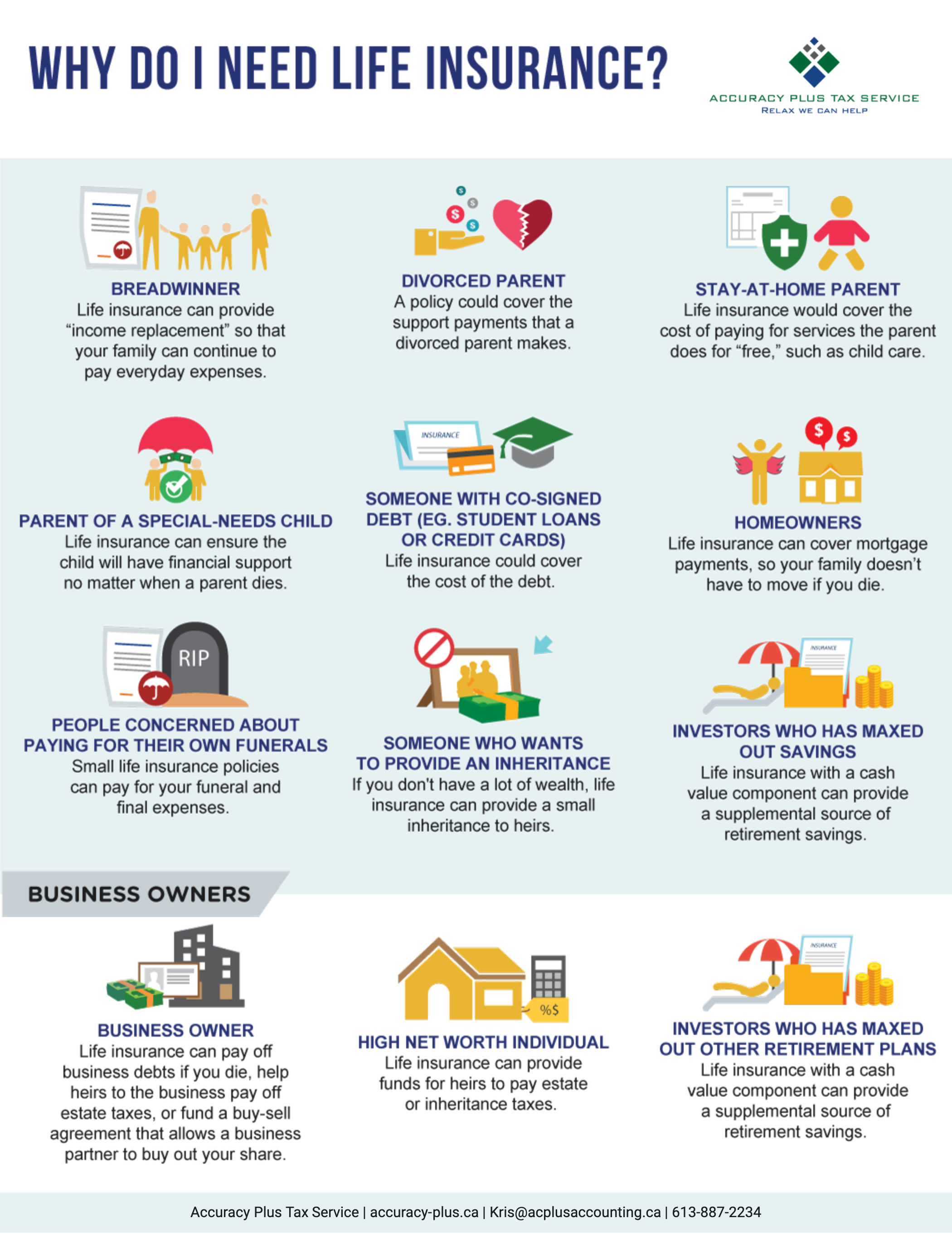
For parents, life insurance is rarely optional from a prudent financial planning perspective. The cost of raising a child through adulthood is a multi-decade financial commitment. If one or both parents were to pass away, the surviving spouse or guardian would face the dual challenge of grieving while managing the full weight of household expenses and future costs like university tuition. Life insurance acts as a proxy for the future earnings that the deceased parent would have provided.
High-Net-Worth Individuals and Estate Planning
For wealthy individuals, the need for life insurance shifts from income replacement to wealth preservation. As of 2026, estate taxes and inheritance levies can significantly erode the value of an estate passed to heirs. Life insurance provides "tax-free" (depending on the structure and jurisdiction) cash that can be used to pay these taxes, ensuring that family businesses or properties remain intact. According to the Internal Revenue Service (IRS), proper planning involving irrevocable life insurance trusts (ILITs) remains a standard practice for managing high-value asset transfers.
Single Individuals and the "Debt Trap"
A common misconception is that single individuals do not need life insurance. However, if a single person has co-signed private student loans, a mortgage with a partner, or significant personal debt, those obligations do not always disappear upon death. In many cases, co-signers remain legally responsible for the balance. Furthermore, the average cost of a funeral and burial in 2026 can exceed $10,000, a burden that often falls on siblings or aging parents if no policy is in place.
Types of Life Insurance Policies in 2026
To understand why an individual might choose one path over another, one must distinguish between the two primary categories of life insurance: term and permanent.
Term Life Insurance
Term life insurance is the most straightforward and affordable form of coverage. It provides protection for a specific period—typically 10, 20, or 30 years. If the insured dies within that window, the death benefit is paid to the beneficiaries. It is an ideal "income replacement" tool for young families who need high coverage amounts during their working years but expect their needs to diminish as they reach retirement and their children become independent.
Permanent Life Insurance
Permanent life insurance, which includes Whole Life and Universal Life, is designed to last the insured's entire lifetime as long as premiums are paid. These policies include a "cash value" component that grows over time.
- Whole Life: Offers fixed premiums and a guaranteed death benefit, along with a predictable growth rate for the cash value.
- Universal Life: Provides more flexibility, allowing the policyholder to adjust premiums and death benefits as their financial situation changes.
- Variable Life: Ties the cash value to the performance of investment sub-accounts, offering higher growth potential but with increased market risk.
Comparison of Life Insurance Categories
| Feature | Term Life Insurance | Whole Life Insurance | Universal Life Insurance |
|---|---|---|---|
| Duration | Fixed period (e.g., 20 years) | Entire lifetime | Entire lifetime |
| Premium Cost | Low (Initially) | High | Flexible |
| Cash Value Build-up | None | Guaranteed growth | Variable based on interest/market |
| Death Benefit | Fixed | Fixed | Adjustable |
| Best For | Income replacement, debt coverage | Estate planning, lifelong legacy | Wealth transfer, flexible budgets |
The Financial Impact of Procrastination
One of the most compelling reasons why all individuals should consider life insurance sooner rather than later is the relationship between age, health, and premium costs. Life insurance is a product where "waiting" almost always increases the price.
The Role of Age and Actuarial Risk
Insurance companies base their rates on mortality tables. Every year an individual ages, the statistical probability of a claim increases, which is reflected in higher premiums. A 25-year-old in good health can secure a 30-year term policy for a fraction of the cost that a 45-year-old would pay for the same coverage. By locking in a rate early, individuals can save tens of thousands of dollars over the life of the policy.
Health and Insurability
In 2026, medical underwriting has become increasingly sophisticated. While many carriers offer "accelerated underwriting" using data from pharmacy records and motor vehicle reports, a sudden change in health—such as a diagnosis of diabetes or hypertension—can lead to "rated" premiums or an outright denial of coverage. Securing a policy while healthy ensures that an individual remains covered even if their health deteriorates later. Many policies also offer "guaranteed renewability," protecting the insured against future health-related cancellations.
How to Calculate Your Required Coverage Amount
Determining the "right" amount of insurance is as important as the decision to buy it. A common mistake is choosing a round number, like $500,000, without calculating the actual financial gap. The DIME method is a standard technical approach used by financial planners:
- Debt: Total all outstanding debts, excluding the mortgage (e.g., credit cards, car loans, personal loans).
- Income: Multiply the individual's annual income by the number of years they wish to provide support (e.g., until the youngest child finishes college).
- Mortgage: Include the full payoff amount of the primary residence and any other real estate holdings.
- Education: Estimate the total cost of tuition and living expenses for children or dependents.
By adding these four components, an individual arrives at a coverage figure that is grounded in reality rather than guesswork. For more complex scenarios, the National Association of Insurance Commissioners (NAIC) provides tools to help consumers evaluate their specific needs and compare different carrier ratings.
Common Misconceptions About Life Insurance
Despite its importance, several myths persist that prevent individuals from obtaining necessary coverage.
- "I have coverage through my employer, so I’m set." Group life insurance provided by employers is a valuable benefit, but it is often insufficient. Most employer-sponsored policies offer only one or two times the employee's salary. Furthermore, these policies are usually not portable; if the individual leaves the job or is laid off, the coverage typically ends.
- "Stay-at-home parents don't need insurance." While a stay-at-home parent does not bring home a traditional paycheck, the services they provide (childcare, transportation, household management) have a massive replacement cost. If that parent passes away, the surviving spouse may need to pay for professional services that can cost upwards of $50,000 to $70,000 annually.
- "It’s too expensive." Consumer surveys consistently show that people overestimate the cost of life insurance by as much as 300%. For most healthy young adults, a basic term policy costs less than a monthly streaming subscription.
The Role of Riders and Customization
In 2026, life insurance is more than just a death benefit; it is a flexible financial instrument. Policyholders can add "riders"—optional provisions that customize the coverage—to address specific concerns:
- Accelerated Death Benefit Rider: Allows the insured to access a portion of the death benefit while still alive if they are diagnosed with a terminal illness. This provides funds for end-of-life care or medical expenses.
- Waiver of Premium: Ensures that the policy remains in force without further premium payments if the insured becomes totally disabled.
- Child Term Rider: Provides a small amount of coverage for the insured’s children, covering funeral costs and providing a "guaranteed insurability" option for the children when they reach adulthood.
Practical Next Actions for 2026
To secure a financial future, individuals should follow a structured approach to acquiring life insurance.
First, conduct a comprehensive audit of all current debts and future financial obligations. Use the DIME method or a similar actuarial calculation. Second, review any existing coverage through work to identify the "gap" between what you have and what you actually need. Third, consult with an independent insurance agent who can compare rates from multiple carriers. Unlike "captive" agents who work for one company, independent agents can shop the market to find the best underwriting fit for your specific health profile.
Finally, do not view life insurance as a "set it and forget it" product. Major life events—marriage, the birth of a child, a significant promotion, or purchasing a home—should trigger a review of your policy limits to ensure that your protection keeps pace with your life.
Frequently Asked Questions
Can I get life insurance if I have a pre-existing medical condition?
Yes, it is possible to obtain coverage with a pre-existing condition, though the premiums may be higher. In 2026, many insurers offer "substandard" ratings for conditions like controlled type 2 diabetes or certain heart conditions. Additionally, "guaranteed issue" or "simplified issue" policies are available that do not require a medical exam, though they typically offer lower death benefits and higher costs.
Is the death benefit from a life insurance policy taxable?
In most cases, the death benefit paid to beneficiaries is not subject to federal income tax. However, if the policy is owned by the deceased and the total estate value exceeds certain thresholds, it may be subject to federal or state estate taxes. Utilizing an Irrevocable Life Insurance Trust (ILIT) is a common way to remove the death benefit from the taxable estate.
What happens if I outlive my term life insurance policy?
If the term ends and the insured is still alive, the coverage simply expires. Some policies offer a "return of premium" (ROP) rider, which refunds the premiums paid if the insured survives the term, though this rider significantly increases the monthly cost. Alternatively, many term policies include a "convertible" clause, allowing the holder to switch to a permanent policy without a new medical exam before the term expires.
How often should I update my beneficiaries?
You should review your beneficiaries at least once every three years or after any major life event, such as a marriage, divorce, or the death of a named beneficiary. It is also critical to name "contingent" beneficiaries who will receive the proceeds if the primary beneficiary is unable to do so. Failing to update beneficiaries can lead to the death benefit being paid to your estate, which can cause delays and tax implications during probate.
Are online life insurance quotes accurate?
Online quotes provide an excellent starting point and are generally accurate for individuals in perfect health. However, the final premium is determined by the underwriting process, which considers your detailed medical history, lifestyle choices (like smoking or hazardous hobbies), and family history. The price you are quoted initially may change once the insurance company completes its risk assessment.