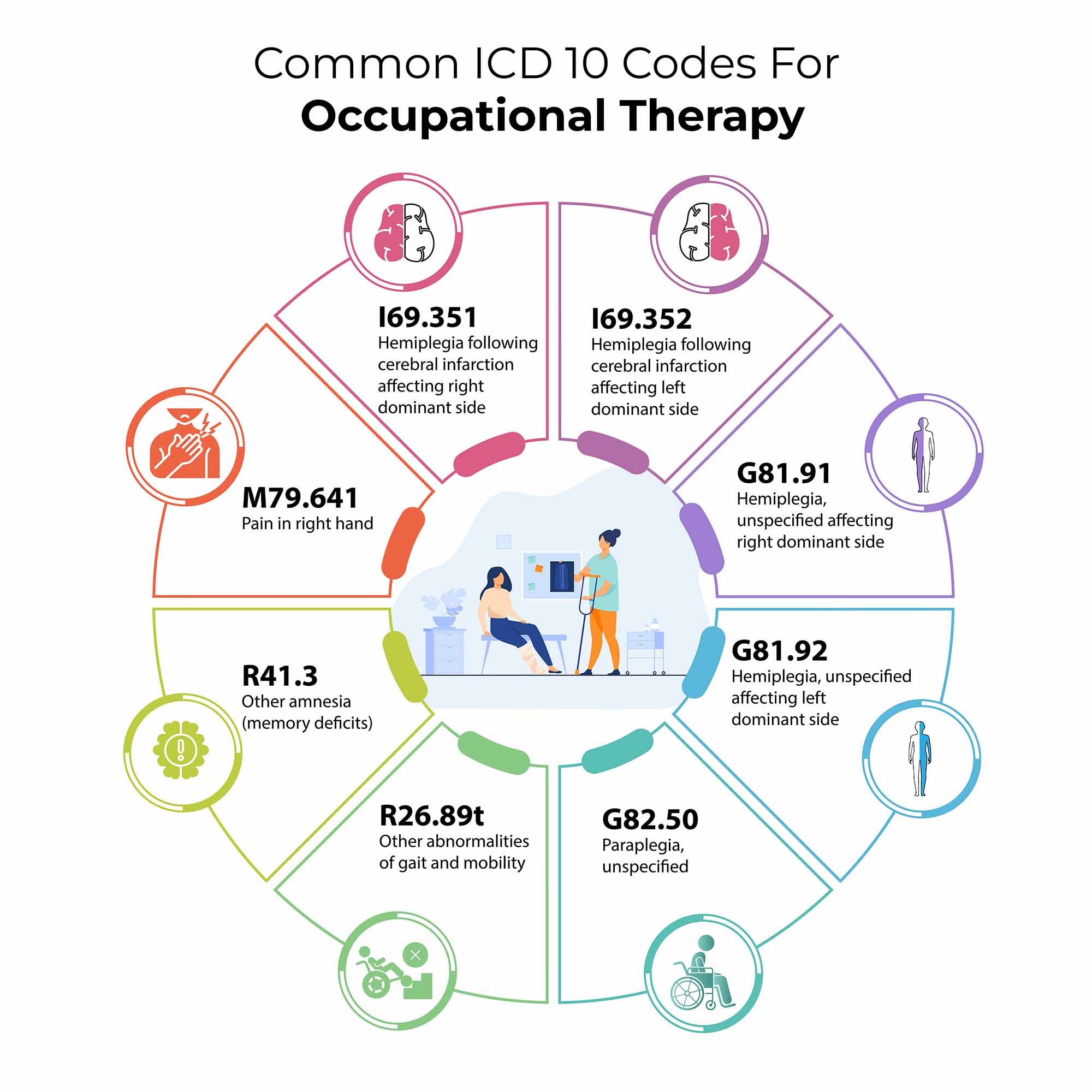
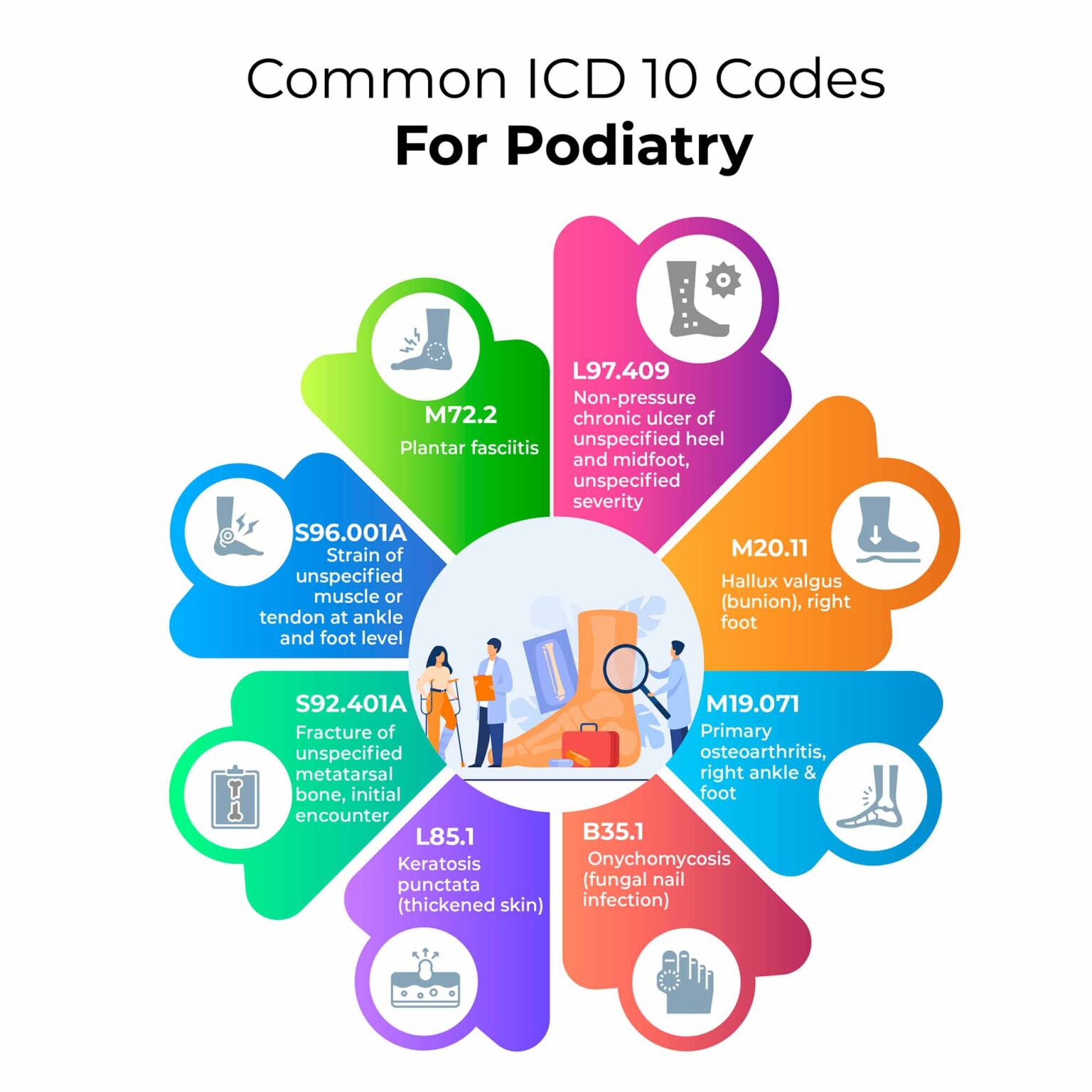
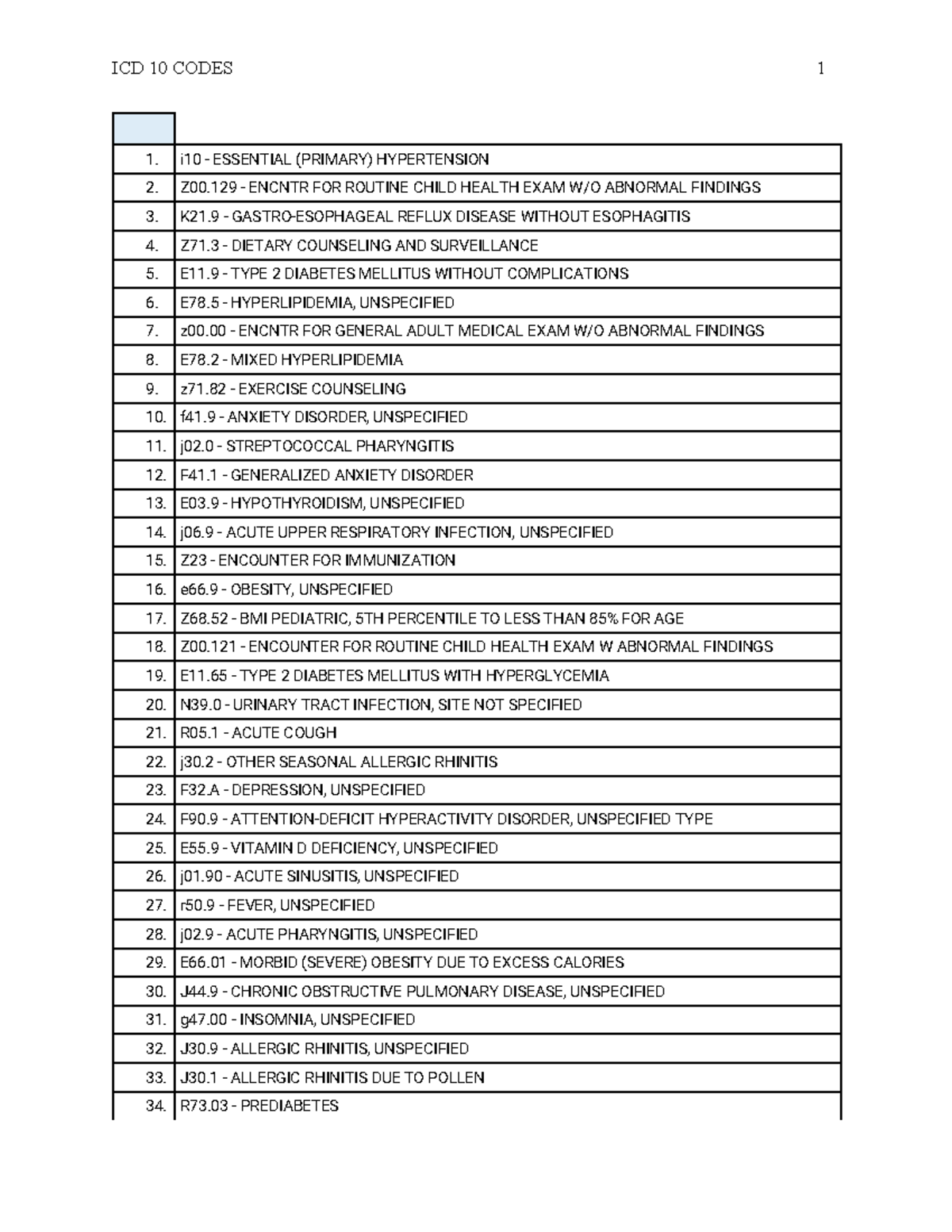
ICD-10 codes are the global standard for reporting diseases, injuries, and health conditions. In 2026, they remain the cornerstone of the United States healthcare billing system and clinical documentation. Understanding these codes is essential for ensuring accurate patient records, facilitating insurance reimbursement, and tracking public health trends across the global medical landscape.
What Are ICD-10 Codes?
The International Classification of Diseases, 10th Revision (ICD-10), is a system of medical coding used by healthcare providers, insurers, and health organizations to classify every known medical diagnosis, symptom, and cause of death. Originally developed by the World Health Organization (WHO), the system allows for the standardized exchange of health information. While the WHO maintains the international version, individual countries often create modifications to suit their specific clinical and billing needs.
In the United States, the system is divided into two primary parts: ICD-10-CM (Clinical Modification) and ICD-10-PCS (Procedure Coding System). As of 2026, ICD-10-CM is used in all healthcare settings for diagnosis coding, while ICD-10-PCS is used exclusively for hospital inpatient procedure coding. This distinction is critical for medical coders and billers to ensure that services are reported correctly to government programs like Medicare and private insurance payers.
The purpose of these codes extends beyond simple billing. They are vital for epidemiological research, allowing scientists to track the spread of infectious diseases, the prevalence of chronic conditions, and the effectiveness of various medical interventions. By using a universal language, a physician in Tokyo and a surgeon in New York can communicate the same diagnostic information without language barriers or ambiguity.
The Anatomy of an ICD-10-CM Diagnosis Code
One of the most complex aspects of the ICD-10 system is the structure of the codes themselves. Unlike the older ICD-9 system, which used primarily numeric codes and was limited in scope, ICD-10-CM codes are alphanumeric and can range from three to seven characters in length. This increased length allows for much greater specificity, including details about laterality (left vs. right), the type of encounter, and the severity of the condition.
The Breakdown of Characters
To understand any specific ICD-10-CM code, it must be broken down into its constituent parts:
- Characters 1-3 (The Category): The first character is always a letter, followed by two numbers. This triplet defines the general category of the disease. For example, "A00" represents Cholera, while "I10" represents Essential (primary) hypertension.
- Characters 4-6 (The Etiology, Anatomic Site, and Severity): These characters provide the clinical "meat" of the code. They describe the cause of the disease (etiology), the specific part of the body affected, and how severe the condition is. For instance, in the code range for diabetes (E11), the subsequent characters specify if there are ophthalmic complications or neurological issues.
- Character 7 (The Extension): This character is used primarily for injuries, poisonings, and other external causes. It identifies the "encounter" type. Common extensions include "A" for the initial encounter, "D" for subsequent encounters (during the healing phase), and "S" for sequela (complications arising as a direct result of the condition).
This granular structure is what makes ICD-10 so powerful. Instead of just stating a patient has a broken arm, a full ICD-10 code can specify that the patient has a displaced transverse fracture of the shaft of the right humerus, and this is their second visit for the injury.
Understanding the ICD-10 Chapters
The ICD-10-CM code set is organized into 22 chapters based on the body system affected or the nature of the condition. In 2026, these chapters continue to provide the framework for the Tabular List, which is the chronological listing of all codes.
| Chapter | Code Range | Subject Matter |
|---|---|---|
| 1 | A00-B99 | Certain infectious and parasitic diseases |
| 2 | C00-D49 | Neoplasms (Cancers and benign tumors) |
| 3 | D50-D89 | Diseases of the blood and blood-forming organs |
| 4 | E00-E89 | Endocrine, nutritional, and metabolic diseases |
| 5 | F01-F99 | Mental, Behavioral, and Neurodevelopmental disorders |
| 6 | G00-G99 | Diseases of the nervous system |
| 7 | H00-H59 | Diseases of the eye and adnexa |
| 8 | H60-H95 | Diseases of the ear and mastoid process |
| 9 | I00-I99 | Diseases of the circulatory system |
| 10 | J00-J99 | Diseases of the respiratory system |
| 11 | K00-K95 | Diseases of the digestive system |
| 12 | L00-L99 | Diseases of the skin and subcutaneous tissue |
| 13 | M00-M99 | Diseases of the musculoskeletal system and connective tissue |
| 14 | N00-N99 | Diseases of the genitourinary system |
| 15 | O00-O9A | Pregnancy, childbirth, and the puerperium |
| 16 | P00-P96 | Certain conditions originating in the perinatal period |
| 17 | Q00-Q99 | Congenital malformations, deformations, and chromosomal abnormalities |
| 18 | R00-R99 | Symptoms, signs, and abnormal clinical/laboratory findings |
| 19 | S00-T88 | Injury, poisoning, and certain other consequences of external causes |
| 20 | V00-Y99 | External causes of morbidity |
| 21 | Z00-Z99 | Factors influencing health status and contact with health services |
| 22 | U00-U85 | Codes for special purposes (e.g., COVID-19, Vaping-related disorders) |
Specificity and Laterality
A major shift that occurred with the adoption of ICD-10 was the requirement for laterality. In many chapters—particularly Chapter 13 (Musculoskeletal) and Chapter 19 (Injury)—the codes specifically designate whether the condition affects the left side, the right side, or is bilateral.
Using an "unspecified" side code in 2026 is often a red flag for insurance payers. Medical coders are trained to query the physician if the documentation does not specify which limb or organ is affected, as "unspecified" codes are frequently denied for lack of medical necessity. This push for specificity ensures that the medical record is an accurate reflection of the patient's physical state.
ICD-10-PCS: The Inpatient Procedure System
While diagnosis codes (CM) describe why a patient is seeking care, procedure codes (PCS) describe what was done to the patient during a hospital stay. ICD-10-PCS is a strictly American system used by hospitals for reporting inpatient procedures. It is entirely different from the CPT (Current Procedural Terminology) codes used in outpatient clinics.
An ICD-10-PCS code always consists of seven alphanumeric characters. Each position in the code has a specific meaning:
- Position 1: Section (e.g., Medical and Surgical, Imaging, Placement)
- Position 2: Body System (e.g., Central Nervous System, Heart, and Great Vessels)
- Position 3: Root Operation (e.g., Resection, Excision, Bypass)
- Position 4: Body Part (The specific anatomical site)
- Position 5: Approach (e.g., Open, Percutaneous, External)
- Position 6: Device (e.g., Autologous Tissue Graft, Synthetic Substitute)
- Position 7: Qualifier (Provides unique additional information)
The logical structure of PCS means that new procedures can be added to the system without disrupting existing codes. For instance, as robotic-assisted surgeries become more specialized in 2026, the "Approach" and "Qualifier" characters allow for precise reporting of these advanced techniques.
Social Determinants of Health: The Role of Z-Codes
In recent years, and increasingly in 2026, the healthcare industry has recognized that non-medical factors—such as housing stability, food security, and transportation access—significantly impact health outcomes. These factors are captured using Z-codes (found in Chapter 21).
Z-codes (Z55-Z65) are used to document "Social Determinants of Health" (SDOH). For example, code Z59.01 indicates "Sheltered homelessness," while Z56.0 indicates "Unemployment, unspecified." Hospitals and clinics use this data to trigger social work referrals and to justify higher-complexity care coordination. For researchers, these codes are invaluable for understanding why certain populations may have higher rates of readmission or complications regardless of the clinical treatment provided.
How to Locate and Use ICD-10 Codes
Finding the correct code among the tens of thousands available requires a systematic approach. Most professionals use specialized encoder software, but the manual process follows a specific two-step path:
- Consult the Alphabetic Index: The coder first looks up the condition or injury by name (the "Main Term"). The index provides a suggested code or a code range.
- Verify in the Tabular List: The coder must never code directly from the index. They must verify the code in the Tabular List to check for "Excludes1" or "Excludes2" notes.
- Excludes1: Means "not coded here." The two conditions cannot logically exist together (e.g., a congenital condition and an acquired version of the same condition).
- Excludes2: Means "not included here." The patient may have both conditions, and both can be coded together if documented.
Official Resources for 2026
The official source for ICD-10-CM in the United States is the National Center for Health Statistics (NCHS), a division of the CDC. For ICD-10-PCS, the Centers for Medicare & Medicaid Services (CMS) is the governing body. Both agencies release updated code sets annually, typically effective October 1st of each year. For 2026, these updates reflect new medical technologies, emerging pathogens, and refined clinical definitions.
The 2026 Landscape: ICD-10 vs. ICD-11
While the World Health Organization released ICD-11 in 2022, the transition in the United States is a massive undertaking. As of 2026, ICD-10-CM/PCS remains the mandatory standard for HIPAA-covered entities in the U.S.
ICD-11 is fully digital and features a much more complex "linked" structure, but the transition requires significant updates to Electronic Health Records (EHRs) and billing clearinghouses. Consequently, most healthcare professionals will continue to work primarily with ICD-10 for the foreseeable future. The longevity of ICD-10 is a testament to its flexibility and the depth of detail it brought to medical documentation when it was first implemented.
Best Practices for Accurate Coding
To avoid claim denials and ensure data integrity, several best practices are universally recognized in the industry:
- Code to the Highest Level of Specificity: If a code can be expanded to five, six, or seven characters, the three-character category code is considered "invalid" for billing.
- Documentation Support: Every code assigned must be supported by the physician's written documentation. "Coding for dollars"—assigning a more severe code than what is documented to increase reimbursement—is considered healthcare fraud.
- Adherence to Coding Guidelines: The "Official Guidelines for Coding and Reporting" are updated every year. These provide the rules for "sequencing" (which code comes first) and how to handle "signs and symptoms" vs. a definitive diagnosis.
Frequently Asked Questions
Is there a single list of all ICD-10 codes?
Yes and no. While there are complete databases containing over 70,000 codes, the list is dynamic. It is updated every October to include new codes and retire obsolete ones. You can find the complete current list for free on the CMS.gov or CDC.gov websites, usually in the form of large PDF or XML files.
What is the difference between an ICD-10 code and a CPT code?
ICD-10 codes identify the diagnosis (the condition the patient has). CPT (Current Procedural Terminology) codes identify the service or procedure provided by the doctor (e.g., an office visit, a blood test, or a surgery). You need both to get a medical claim paid: the ICD-10 code proves the "medical necessity" for the CPT code.
Can patients look up their own ICD-10 codes?
Absolutely. Many patients see these codes on their "Explanation of Benefits" (EOB) forms or in their online patient portals. Using an official lookup tool from the WHO or NCHS can help patients better understand their diagnosis and ensure their records are accurate.
Why do some ICD-10 codes have an "X" in them?
The "X" is used as a placeholder. Some ICD-10 codes require a 7th character extension (like "A" for initial encounter), but the code itself only has four or five characters. To keep the 7th character in the 7th position, "X" is used to fill the empty spaces. For example, T36.0X1A.
What happens if the wrong ICD-10 code is used?
The most immediate consequence is typically a denied insurance claim. However, it can also lead to inaccurate patient medical histories, which could affect future care. In a broader sense, incorrect coding skews public health data, making it harder to track disease outbreaks or healthcare costs.
Practical Recommendation
If you are a healthcare student or a medical professional, the best next action is to download the 2026 ICD-10-CM Official Guidelines for Coding and Reporting from the CDC website. Familiarizing yourself with the "General Coding Guidelines" and the "Chapter-Specific Guidelines" is more valuable than memorizing individual codes, as it teaches you the logic of the system. For patients, if you find a code on your bill that seems incorrect, contact your provider's billing office to request a "coding review" to ensure your medical history remains accurate.