As of 2026, Alexander Wurz’s estimated net worth is approximately $10 million to $15 million. While his direct Formula 1 racing salaries provided a foundational wealth, his long-term financial stability stems from a diversified portfolio including endurance racing, media broadcasting, track design consultancy, and his leadership role within the Grand Prix Drivers' Association (GPDA).
Alexander Wurz is often cited as one of the most intelligent and versatile figures in the paddock. Unlike many drivers who rely solely on their racing contracts, Wurz transitioned into a "multihyphenate" career that spans technical safety, television, and international business. To understand his net worth in 2026, one must look beyond the driver's seat and into the boardroom of Formula 1 and the wider automotive industry.
The Financial Foundation: Formula 1 Racing Salaries
Alexander Wurz’s primary wealth accumulation began during his active years in Formula 1, which spanned from 1997 to 2007. During this era, the pay structure for drivers was significantly different than the hyper-polarized market of the mid-2020s. Wurz occupied a unique space as a highly-rated technical driver who could secure both race seats and lucrative testing contracts.
The Benetton Years (1997–2000)
Wurz broke into F1 with Benetton, replacing Gerhard Berger for three races in 1997 before securing a full-time seat. At the time, Benetton was a top-tier team (formerly the home of Michael Schumacher). While a rookie’s salary in the late 90s was modest compared to today’s standards, a driver of Wurz's caliber likely earned between $500,000 and $1.5 million per season as he established himself. His podium at the 1997 British Grand Prix boosted his market value significantly.
The McLaren Testing Era (2001–2005)
Perhaps the most interesting phase of Wurz's financial career was his tenure as a test and reserve driver for McLaren-Mercedes. In the early 2000s, before testing restrictions were strictly enforced, the role of a "third driver" was critical and highly paid. McLaren, then one of the wealthiest teams on the grid, valued Wurz’s technical feedback immensely. Industry insiders of the time estimated that Wurz was earning more as a McLaren test driver (rumored to be in the $2 million to $3 million range annually) than many of the race drivers for smaller teams like Minardi or Jordan.
The Williams Swan Song (2007)
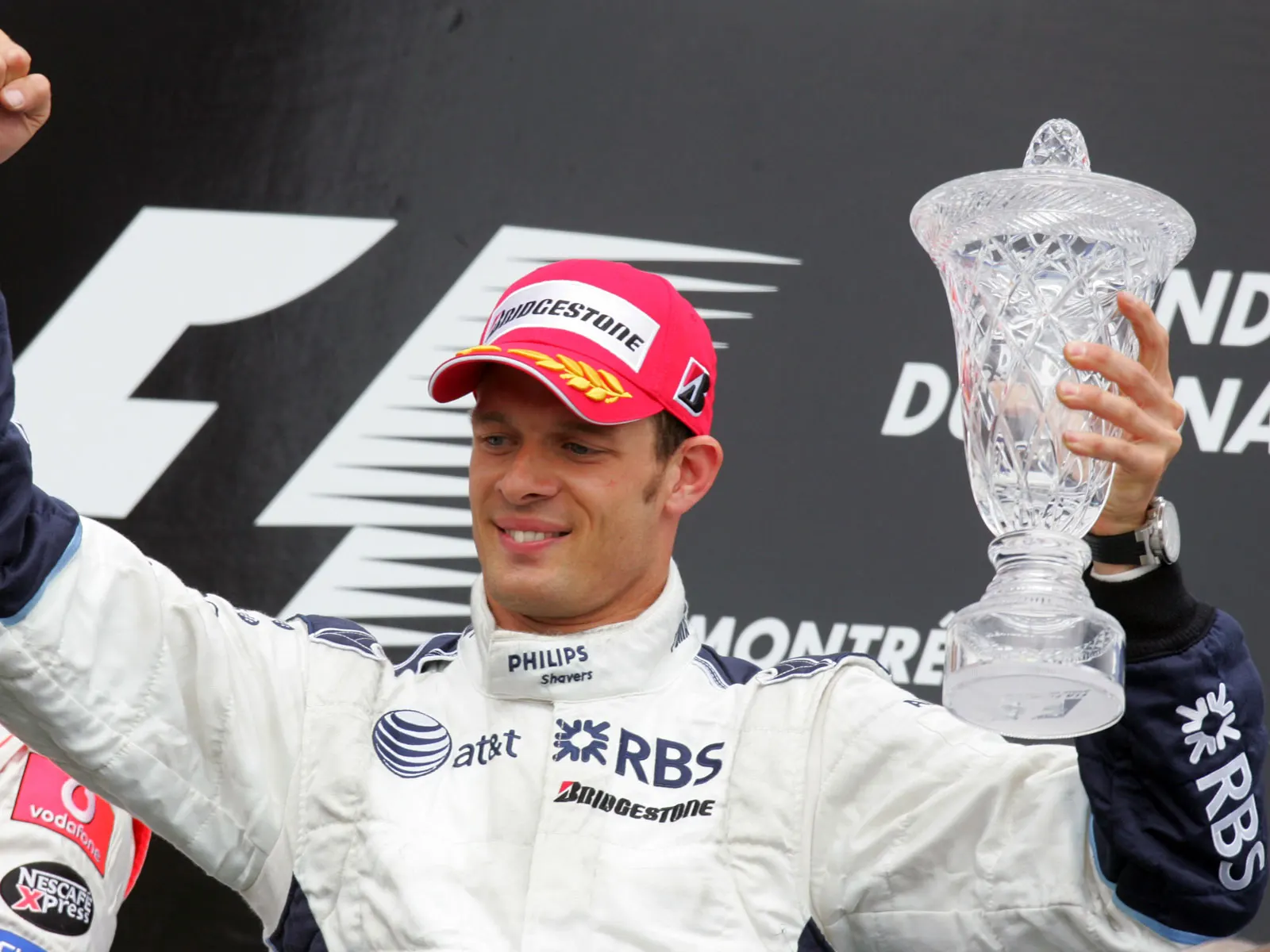
Wurz returned to a full-time racing seat with Williams in 2007. While Williams was no longer the dominant force it had been in the 90s, they still paid competitive salaries. This final full season, which included a podium at the Canadian Grand Prix, likely saw a contract value in the region of $2 million, supplemented by personal endorsements and performance bonuses.
Diversification: Endurance Racing and Le Mans
While this analysis focuses on his F1-related wealth, Wurz’s net worth is inextricably linked to his success in sports car racing. He is a two-time winner of the 24 Hours of Le Mans (1996 and 2009), making him the youngest winner in the history of the event at the time of his first victory.
His involvement with factory teams like Peugeot and later Toyota in the World Endurance Championship (WEC) was financially rewarding. Factory LMP1 drivers during the 2010s were often paid salaries ranging from $500,000 to over $1 million, excluding win bonuses. His long-standing relationship with Toyota Gazoo Racing, even after retiring from full-time driving, has provided a steady stream of income through ambassadorial and advisory roles.
Business Interests: Track Design and Road Safety
One of the largest contributors to Alexander Wurz’s net worth in 2026 is his involvement in the business side of the automotive world. He is a partner in Test & Training International, a company founded by his father, Franz Wurz. This organization specializes in road safety training and driver education, but its most lucrative arm for Alexander has been Wurz Design.
Circuit Consultancy and Design
Wurz has used his F1 expertise to become a sought-after consultant for circuit design and safety upgrades. Unlike Tilke GmbH, which often designs circuits from the ground up, Wurz frequently works on "reimagining" existing tracks or consulting on the safety requirements of new street circuits.
- Safety Consulting: He has worked closely with the FIA on various safety initiatives, which, while often structured as advisory roles, enhance his professional standing and lead to private contracts.
- Zandvoort and Beyond: Wurz was instrumental in the redesign of the Zandvoort circuit for the return of the Dutch Grand Prix, specifically focusing on the banking of the turns. Such high-profile projects command significant consultancy fees, often reaching six figures per project.
Media Career and Brand Ambassadorships
Since retiring from F1, Wurz has been a mainstay on television. For over a decade, he has served as the expert analyst for ORF (Austrian Broadcasting Corporation). In the European market, long-term broadcasting contracts for former F1 drivers can range from $100,000 to $300,000 per year, depending on the number of races covered and the depth of the involvement.
Furthermore, Wurz maintains several brand ambassadorships. His "gentleman driver" image and technical reputation make him an ideal fit for luxury watch brands, automotive manufacturers, and technology firms. These partnerships often provide passive income that requires minimal time commitment compared to full-time racing.
The GPDA Leadership: Influence Over Income
Alexander Wurz has served as the Chairman of the Grand Prix Drivers' Association (GPDA) for several terms. It is important to clarify that this is largely a voluntary or "honorarium" based position. It does not significantly contribute to his liquid net worth through a salary. However, the role is vital for his "brand equity."
Being the spokesperson for the current grid of F1 drivers gives Wurz unparalleled access to team principals, FIA officials, and Liberty Media executives. This network is a powerful asset that facilitates his other business ventures, such as track design and corporate hospitality. In the world of Formula 1, influence is often a precursor to financial opportunity.
Comparative Financial Overview
To better understand how Wurz’s income is distributed across his various roles, the following table provides an estimated breakdown of his primary revenue streams throughout his career.
| Career Phase | Primary Income Source | Estimated Annual Range (USD) | Status as of 2026 |
|---|---|---|---|
| F1 Race Driver | Team Salary (Benetton/Williams) | $1.5M - $3M | Retired |
| F1 Test Driver | McLaren/Williams Contracts | $2M - $3M | Retired |
| Endurance Racing | Factory Seat (Toyota/Peugeot) | $750k - $1.5M | Retired |
| Broadcasting | ORF Commentary / Media | $150k - $250k | Active |
| Business/Consulting | Wurz Design / Test & Training | $500k - $1.2M | Active |
| Ambassadorships | Toyota / Luxury Brands | $200k - $500k | Active |
Note: Figures are estimated based on historical contract reports and industry standards for professional athlete transitions.
Asset Management and Lifestyle
Alexander Wurz is known within the paddock for being fiscally responsible. Unlike some of his contemporaries who spent lavishly on private jets and super-yachts, Wurz has largely focused on real estate and family-oriented investments. He resides in Monaco, a common choice for F1 figures due to the tax advantages, which has allowed him to preserve a higher percentage of his career earnings.
His car collection is reportedly curated rather than excessive, focusing on vehicles with historical significance or those related to his racing career (such as his Le Mans-winning cars or specific F1 chassis). These are "appreciating assets" rather than purely depreciating luxury goods.
Addressing Common Financial Questions
How much did Alexander Wurz earn at McLaren?
During his peak years as a test driver (2001–2005), Wurz was one of the highest-paid non-racing drivers in history. Because McLaren ran a massive testing program at the time, his role was as grueling as a race seat. Estimates place his total earnings during those five years at approximately $10 million to $12 million.
Does he make money from the GPDA?
No, the GPDA chairmanship is generally not a salaried position intended for wealth accumulation. It is a role of service to the sport and the safety of the drivers. However, it keeps him at the center of the F1 business world, which indirectly benefits his consultancy firm.
Is Alexander Wurz a billionaire?
No. While Wurz is very wealthy by general standards, he does not reach the billionaire status of figures like Toto Wolff or Lawrence Stroll. His wealth is estimated in the $10M–$15M range, putting him in the category of successful, long-term professional athletes who have transitioned into successful business owners.
What is his most profitable current venture?
In 2026, his most profitable venture is likely Test & Training International and his track design consultancy. As more countries look to host "Grade 1" FIA events and improve road safety infrastructure, his specialized knowledge commands premium international rates.
Final Assessment and Recommendation
Alexander Wurz’s net worth is a testament to the "long game" in professional sports. By leveraging a respectable F1 career into technical expertise and safety advocacy, he has ensured a multi-decade income stream that outlasts many drivers who had more race wins but less business foresight.
Recommendation for Fans and Researchers: If you are tracking the financial trajectories of F1 drivers, look at Alexander Wurz as the blueprint for the "Technical Professional" path. For those interested in the business of F1, his work with track design at Zandvoort and his road safety initiatives provide a practical look at how F1 expertise is sold to the wider world. His wealth is not just a result of driving fast, but of understanding the mechanics of the sport’s safety and infrastructure.