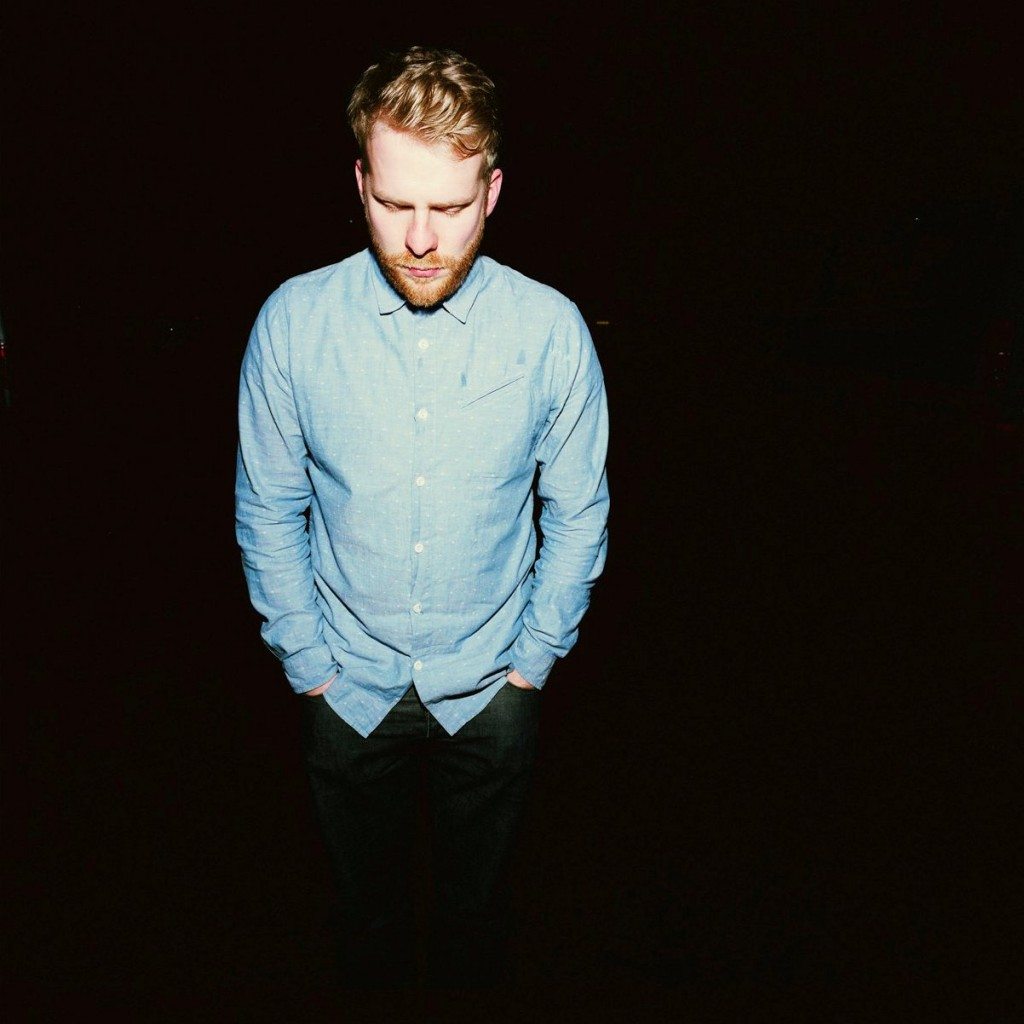
Alex Clare remains one of the most distinctive voices in British music, known for his seamless fusion of soulful vocals with cutting-edge electronic production. This guide explores his studio albums, tracking his evolution from the "soul-step" pioneer of 2011 to the independent, introspective artist he is in 2026.
Alex Clare’s career is a testament to the power of artistic resilience. Emerging from the London soul scene, he achieved global stardom through an unconventional path, blending traditional songwriting with aggressive dubstep and electronic elements. By 2026, his discography stands as a bridge between the visceral energy of the early 2010s and the refined, organic soul of the modern era.
The Lateness of the Hour (2011): A Genre-Bending Debut
When The Lateness of the Hour was released in July 2011, it represented a radical departure from the standard singer-songwriter blueprint. Produced primarily by Diplo and Switch (the founding members of Major Lazer), the album was a high-stakes experiment: what happens when you pair a classic blue-eyed soul voice with the jagged, oscillating basslines of the then-emergent dubstep scene?
The "Too Close" Phenomenon
The album’s legacy is inextricably linked to the hit single "Too Close." Originally, the album saw modest commercial success and resulted in Clare being dropped by his label, Island Records. However, the song’s placement in a major advertising campaign for Microsoft’s Internet Explorer 9 in 2012 catapulted the track into the global top ten. The success of "Too Close" forced a re-evaluation of the album, highlighting Clare’s ability to maintain emotional vulnerability amidst heavy, industrial-leaning production.
Production and Soundscapes
Diplo and Switch utilized a palette of "wobble" bass, syncopated breakbeats, and synth stabs that were characteristic of the UK bass scene. Yet, tracks like "Treading Water" and "Up All Night" showcased Clare’s range, moving from gritty, aggressive delivery to soaring falsettos. The album’s brilliance lies in its contrast; the coldness of the electronics serves as a foil to the warmth of Clare’s vocal cords.
Three Hearts (2014): Shifting Toward the Organic
Following the whirlwind success of his debut, Clare returned in 2014 with Three Hearts. This project signaled a significant shift in his artistic direction. While the electronic elements remained, they were no longer the primary driver of the sound. Instead, Clare moved toward a more traditional, organic soul and rock influence.
Themes of Faith and Family
The three-year gap between albums saw major changes in Clare’s personal life, including his marriage and a deepened commitment to his faith as an Orthodox Jew. These themes permeate Three Hearts. The lead single, "War Rages On," captures a sense of internal and external struggle, delivered with a cinematic, anthemic quality. Unlike the debut, which felt like a product of the club scene, Three Hearts felt like a product of the studio and the home.
Collaborative Growth
Clare worked with esteemed producers like Dan Wilson (known for his work with Adele) and Steve Robson. This collaboration resulted in a more polished, radio-friendly sound that emphasized melody over texture. Songs like "Just a Man" and "Never Let You Go" highlighted his maturation as a songwriter, focusing on the complexities of adult relationships and the responsibilities of fatherhood.
Tail of Lions (2016): The Independent Spirit
By 2016, Alex Clare had transitioned into an independent artist, releasing Tail of Lions through his own label in partnership with etc etc. This album is perhaps his most cohesive work, blending the electronic experimentation of his debut with the soulful maturity of his second record.
Recording in a Narrowboat
One of the most fascinating aspects of Tail of Lions was its recording process. Much of the album was written and recorded in a narrowboat on the canals of London. This confined, intimate environment is reflected in the music. The production, handled largely by Clare and his long-time collaborator Chris Hargreaves, feels tighter and more urgent.
Standout Tracks and Lyrical Depth
The track "Tell Me What You Need" serves as the album's emotional anchor, featuring a pulsing electronic beat that supports a raw, pleading vocal performance. Lyrically, the album explores the "tails of lions"—the idea that it is better to be the tail of a lion than the head of a fox. This philosophy of humility and staying true to one's values, even at the cost of mainstream dominance, defines the record.
Three Days at Greenmount (2018) and the Acoustic Era
In 2018, Clare released Three Days at Greenmount, an album that stripped away the production layers entirely. Recorded live to tape over a three-day session at Greenmount Studios in Leeds, the album featured acoustic reinterpretations of his previous hits and several new tracks.
The Power of the Live Vocal
For fans and critics alike, this album served as a reminder that Clare’s greatest instrument is his voice. Without the "wobble" bass or the polished radio production, the raw power and technical control of his singing were put in the spotlight. It bridged the gap between his soul influences (like Otis Redding and Donny Hathaway) and his modern discography.
The 2021-2026 Perspective: Why Don't Ya and Beyond
As we look at Alex Clare’s position in 2026, his output from the early 2020s has aged remarkably well. The Why Don't Ya project and subsequent singles marked his return to a more contemporary electronic sound, but with a refined, minimalist aesthetic.
Modern Production Choices
In his more recent work, Clare has embraced "folktronica"—a blend of folk-style storytelling with ambient electronic textures. This approach allows him to navigate his religious requirements (which include not performing or traveling on the Sabbath) by focusing on high-quality studio output and digital engagement with his audience. In 2026, he is viewed not just as a "one-hit wonder" from the dubstep era, but as a consistent, evolving artist who successfully navigated the transition from major label stardom to independent longevity.
Comparative Overview of Studio Albums
The following table compares the primary characteristics and commercial highlights of Alex Clare’s major album releases.
| Album Title | Release Year | Primary Genre | Notable Single | Production Style |
|---|---|---|---|---|
| The Lateness of the Hour | 2011 | Soul-step / Dubstep | "Too Close" | Heavy electronics, Diplo-led |
| Three Hearts | 2014 | Soul / Pop-Rock | "War Rages On" | Organic, orchestral, melodic |
| Tail of Lions | 2016 | Alt-Soul / Electronic | "Tell Me What You Need" | Independent, intimate, rhythmic |
| Three Days at Greenmount | 2018 | Acoustic / Soul | "Too Close (Acoustic)" | Live to tape, minimal, raw |
| Why Don't Ya (Project) | 2021-22 | Folktronica | "Why Don't Ya" | Minimalist, modern electronic |
Technical Artistry: Vocal Range and Songwriting
Alex Clare’s appeal is rooted in a specific set of technical skills that differentiate him from his peers in the soul and electronic genres.
Vocal Mechanics
Clare possesses a powerful tenor-baritone range. His ability to move from a gravelly, chest-voice growl to a clear, resonant head voice (falsetto) allows him to convey a wide spectrum of emotion. In tracks like "Relax My Beloved," he uses melisma—the singing of a single syllable of text while moving between several different notes in succession—sparingly but effectively, echoing traditional soul and gospel techniques.
Lyrical Themes
His songwriting is characterized by:
- Spirituality: Often subtle but persistent, his lyrics frequently touch on redemption, steadfastness, and divine influence.
- Vulnerability: He is unafraid to express domestic struggles and the anxieties of modern life.
- Imagery: Especially in Tail of Lions, Clare uses metaphors related to nature and struggle to frame his personal experiences.
The Impact of Religious Conviction on Career Trajectory
It is impossible to discuss Alex Clare’s albums without acknowledging his lifestyle. His commitment to Orthodox Judaism famously led to a rift with his original label when he declined to tour or promote during Jewish holidays.
While this was initially seen as a commercial hurdle, in the long term, it has given his albums a sense of integrity. By the time of his 2026 status, Clare’s fans respect the "slow-burn" nature of his career. His albums are not rushed out to meet a corporate deadline; they are released when the artist has something substantial to say. This authenticity is a major reason why his debut album still sounds fresh fifteen years after its release.
Frequently Asked Questions
Which Alex Clare album is the most successful?
Commercial success is highest for The Lateness of the Hour (2011), primarily due to the multi-platinum success of the single "Too Close." However, Three Hearts (2014) also performed well on international charts, particularly in Germany and the UK.
Did Alex Clare stop making music after 2016?
No. While he took a brief hiatus to focus on his family and religious studies, he returned with Three Days at Greenmount in 2018 and released several singles and the Why Don't Ya project starting in 2021. He continues to record and release music in 2026.
Who produced Alex Clare's most famous songs?
The most famous tracks on his debut were produced by Diplo and Switch. His later work involved collaborators like Chris Hargreaves, Dan Wilson, and Jim Eliot.
Is "Too Close" on every album?
"Too Close" is the standout track on The Lateness of the Hour. It also appears in a live, acoustic version on Three Days at Greenmount. It is not a feature of his other studio albums, which focus on new material.
What genre is Alex Clare's music?
His music is best described as a hybrid of Soul, Electronica, and Alternative Rock. He is often credited with helping to popularize "soul-step," a subgenre that blends soul vocals with dubstep production.
Practical Recommendation for New Listeners
If you are new to Alex Clare’s work in 2026, the best way to experience his evolution is to listen chronologically. Start with The Lateness of the Hour to understand the energy and innovation that launched his career. Then, move to Tail of Lions for a glimpse into his independent maturity. For those who prefer a pure vocal experience, Three Days at Greenmount is an essential listen to appreciate the technical skill behind the voice. Whether you are drawn to the heavy bass of his early work or the refined soul of his later years, Alex Clare remains a vital figure in the landscape of British music.