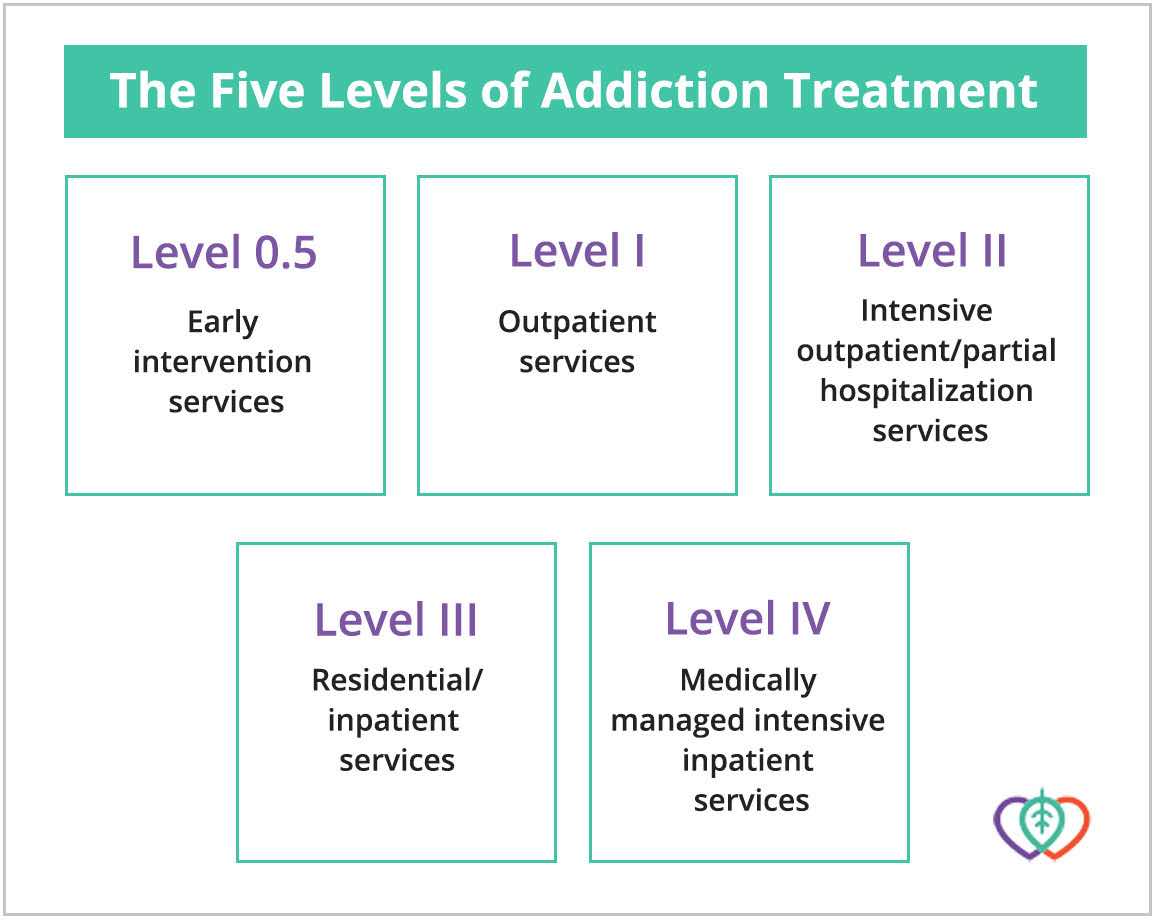
Navigating alcohol addiction treatments involves a multi-step journey that typically begins with medical detoxification, followed by behavioral therapies, medications, and long-term support groups tailored to individual medical histories, psychological needs, and severity of use.
Alcohol use disorder (AUD) is a complex medical condition characterized by an impaired ability to stop or control alcohol use despite adverse social, occupational, or health consequences. Because physiological dependence on alcohol can alter brain chemistry and physical health, overcoming AUD rarely happens through willpower alone. Effective recovery requires evidence-based interventions that address both the physical symptoms of withdrawal and the psychological drivers of compulsive drinking. Understanding the full spectrum of available clinical interventions, therapeutic frameworks, and supportive environments helps individuals and their families make informed decisions about care.
Disclaimer: The following information is for educational purposes and should not replace professional medical advice, diagnosis, or treatment. Always consult a qualified healthcare provider regarding any medical condition.
Understanding Alcohol Use Disorder and the Need for Structured Treatment
Before evaluating specific treatment modalities, it is essential to understand why structured care is necessary for alcohol dependence. Chronic heavy drinking changes the brain’s neurotransmitter systems, particularly gamma-aminobutyric acid (GABA) and glutamate. When alcohol is suddenly removed from a dependent system, the brain experiences an overexcitation of the nervous system. This manifests as acute withdrawal, which can range in severity from mild tremors and anxiety to life-threatening complications such as delirium tremens (DTs).
Because of these medical risks, a professional assessment by a physician, addictionologist, or licensed mental health professional is the critical first step. This evaluation determines the appropriate level of care, distinguishing between individuals who can safely detoxify in an outpatient setting and those requiring round-the-clock inpatient medical supervision.
Phase One: Medical Detoxification
Medical detoxification is the initial phase of alcohol addiction treatment. Its primary purpose is to safely manage acute withdrawal symptoms and clear the body of alcohol under clinical supervision.
Inpatient Versus Outpatient Detoxification
Detoxification can take place in hospital-based units, residential treatment facilities, or specialized outpatient clinics.
- Inpatient Detox: Recommended for individuals with a history of severe withdrawal, heavy daily consumption, co-occurring medical or psychiatric disorders, or previous failed attempts at outpatient detox. Patients receive 24-hour monitoring by nurses and physicians.
- Outpatient Detox: Suitable for individuals with mild-to-moderate withdrawal risk, a stable living environment, and a reliable support system. Patients check in daily or frequently with a medical clinic for vital sign checks and medication management.
Pharmacological Support During Detox
Clinicians often utilize medications to smooth the withdrawal process and prevent dangerous complications like seizures. Long-acting benzodiazepines (such as diazepam or chlordiazepoxide) are frequently administered on a symptom-triggered or tapering schedule to manage central nervous system overactivity. Additionally, nutritional supplementation—specifically thiamine (Vitamin B1)—is routinely administered intravenously or orally to prevent Wernicke-Korsakoff syndrome, a severe neurological disorder associated with chronic alcohol abuse and malnutrition.
Phase Two: Rehabilitation and Behavioral Therapies
Once withdrawal is successfully managed, the focus shifts to rehabilitation. This phase addresses the psychological, behavioral, and emotional roots of addiction. Rehabilitation programs can be residential (inpatient) or non-residential (outpatient).
Inpatient and Residential Treatment
Residential treatment facilities provide a structured, substance-free environment where individuals live full-time while receiving intensive clinical care. Programs typically last from 30 to 90 days, though longer stays may be warranted based on individual progress. These programs offer daily individual counseling, group therapy, educational workshops, and holistic therapies designed to build coping mechanisms.
Outpatient Rehabilitation Programs
Outpatient care allows individuals to live at home while attending treatment sessions several days a week. There are varying intensities of outpatient care:
- Partial Hospitalization Programs (PHPs): The most intensive outpatient tier, often requiring 20 to 30 hours of programming per week, mirroring the schedule of inpatient care without overnight stays.
- Intensive Outpatient Programs (IOPs): Typically require 9 to 20 hours of treatment per week, accommodating work or school schedules.
- Standard Outpatient Therapy: Involves weekly or bi-weekly individual or group counseling sessions.
Evidence-Based Behavioral Therapies
Behavioral therapies form the core of effective addiction rehabilitation. The most widely studied and validated modalities include:
- Cognitive Behavioral Therapy (CBT): Helps patients identify distorted thinking patterns and high-risk situations that trigger drinking. CBT equips individuals with practical coping skills to manage stress, avoid triggers, and prevent relapse.
- Motivational Enhancement Therapy (MET): A counseling approach designed to resolve ambivalence about stopping drinking and build internal motivation for behavioral change.
- Contingency Management (CM): Utilizes tangible reinforcers (such as vouchers or privileges) to reward positive behaviors, such as maintaining sobriety verified by breathalyzer or urine drug screens.
- 12-Step Facilitation Therapy: An active approach designed to prepare individuals to participate in 12-step mutual-help groups like Alcoholics Anonymous (AA).
Medications for Alcohol Use Disorder (MAUD)
Medications for Alcohol Use Disorder are FDA-approved pharmacological treatments that reduce cravings, blunt the rewarding effects of alcohol, or create an unpleasant physical reaction if alcohol is consumed. Despite their proven efficacy, MAUD remains underutilized in clinical practice.
| Medication Name | Mechanism of Action | Primary Benefit | Common Side Effects |
|---|---|---|---|
| Naltrexone | Opioid receptor antagonist; blocks the endorphin-mediated rewarding and reinforcing effects of alcohol. | Reduces heavy drinking days and overall alcohol cravings. Available in daily oral tablets or monthly extended-release injections (Vivitrol). | Nausea, headache, dizziness, fatigue. Cannot be used by individuals taking opioid pain medications. |
| Acamprosate | Modulates glutamate neurotransmission, restoring balance to brain activity disrupted by chronic alcohol use. | Helps maintain abstinence by reducing post-acute withdrawal symptoms like insomnia, anxiety, and restlessness. | Diarrhea, gas, nausea. Requires multiple daily doses; requires dosage adjustment for kidney impairment. |
| Disulfiram | Interferes with alcohol metabolism, causing an accumulation of acetaldehyde. | Deters drinking by producing severe adverse physical reactions (flushing, nausea, vomiting, headache) if alcohol is ingested. | Metallic taste, drowsiness, hepatotoxicity (rare). Requires strict patient compliance and abstinence before starting. |
Long-Term Recovery and Mutual-Help Groups
Addiction is a chronic relapsing condition, meaning recovery extends far beyond the conclusion of formal treatment programs. Long-term management relies heavily on ongoing support networks, lifestyle modifications, and monitoring.
Mutual-Help Organizations
Peer support groups provide community, accountability, and shared wisdom from individuals navigating the same challenges.
- Alcoholics Anonymous (AA): The foundational 12-step program emphasizing spiritual growth, personal inventory, and service to others through regular meetings.
- SMART Recovery: A science-based alternative to 12-step programs that utilizes cognitive behavioral tools, self-empowerment, and the four-point program for managing thoughts, feelings, and behaviors.
- LifeRing Secular Recovery and Women for Sobriety: Alternative peer support networks focused on secular, empowerment-based recovery frameworks.
Continuing Care and Aftercare Planning
A formal aftercare plan is typically established before a patient discharges from a rehabilitation facility. This plan may include transitioning to a sober living home, participating in weekly outpatient group therapy, continuing individual counseling, and regular check-ins with a primary care physician or addiction specialist.
Frequently Asked Questions
How do I know if I need inpatient or outpatient alcohol treatment?
The appropriate level of care depends on the severity of your AUD, your medical and psychiatric history, your home environment, and past treatment attempts. A comprehensive evaluation by an addiction specialist or physician is the best way to determine whether you require the medical stability of inpatient care or can safely recover in an outpatient setting.
Are medications for alcohol addiction safe to take long-term?
Yes, medications like naltrexone and acamprosate are generally considered safe for long-term use under medical supervision. Clinical studies demonstrate that patients often take them for months or even years to support sustained abstinence and reduce the risk of relapse. Your prescribing physician will monitor your liver function and overall health periodically.
What is the difference between physical dependence and alcohol addiction?
Physical dependence occurs when the body adapts to the presence of alcohol, resulting in tolerance and withdrawal symptoms upon cessation. Addiction (severe AUD) encompasses physical dependence alongside compulsive use, loss of control, and continued drinking despite negative consequences. While dependence can be resolved through medical detoxification, addiction requires comprehensive psychological and behavioral rehabilitation.
Will my health insurance cover alcohol addiction treatments?
Under federal parity laws in many jurisdictions, health insurance plans are required to cover substance use disorder treatments comparably to medical and surgical care. However, coverage specifics vary widely by provider, plan type, and network status. It is crucial to contact your insurance provider directly or consult the admissions department of a treatment facility to verify your specific benefits and pre-authorization requirements.
Can alcohol withdrawal be managed safely at home?
Attempting to manage moderate-to-severe alcohol withdrawal at home without medical supervision can be extremely dangerous and, in some cases, fatal due to seizures or delirium tremens. Individuals with a history of heavy, daily drinking should always undergo medical evaluation before stopping alcohol consumption to determine if supervised medical detoxification is necessary.
Next Steps and Finding Professional Help
Embarking on the path to recovery begins with reaching out to a qualified healthcare professional, local hospital system, or a dedicated addiction helpline. If you or a loved one are struggling with alcohol use, consider contacting the Substance Abuse and Mental Health Services Administration (SAMHSA) National Helpline at 1-800-662-4357 for free, confidential, 24/7 treatment referral information. Consulting a primary care physician is also a reliable starting point for obtaining a professional evaluation and tailored referral to evidence-based care.