Yes, Alaska is a sovereign state within the United States of America. It serves as the 49th state to join the Union, officially admitted on January 3, 1959. Despite its geographic separation from the contiguous United States, it operates under the full authority of the U.S. Constitution and federal law, maintaining its own state government, representatives in Congress, and integrated economic systems.
The Historical Integration of Alaska into the Union
The path of Alaska from a territory of the Russian Empire to a state within the United States is a significant chapter in North American history. The transition did not happen overnight; it was a process of territorial acquisition, administration, and eventual political incorporation that reflects the broader history of American expansion.
The Treaty of Cession
In 1867, the United States purchased the region known as Alaska from the Russian Empire. The Treaty of Cession, signed by U.S. Secretary of State William H. Seward and Russian Minister Eduard de Stoeckl, finalized the transfer for $7.2 million—a price that critics at the time mockingly called "Seward’s Folly." However, the purchase effectively removed Russian influence from North America and secured a vast territory rich in natural resources.
For several decades, Alaska was not organized as a formal territory with a clear path to statehood. It remained under the control of the U.S. military, then the Department of the Treasury, and later the Department of the Interior. It was not until the Second Organic Act of 1912 that Alaska was granted a territorial legislature, providing the region with a modicum of local self-governance.
The Path to Statehood
The move toward statehood gained momentum in the mid-20th century. Residents of the territory sought the full political rights and representation afforded to states. After extensive lobbying and the passage of the Alaska Statehood Act by the U.S. Congress, President Dwight D. Eisenhower signed the act into law in 1958. On January 3, 1959, Alaska was formally admitted as the 49th state. This status permanently cemented Alaska’s role as an integral part of the United States, subject to federal jurisdiction, taxation, and international treaty obligations just like any other state in the Union.
Geographic and Political Status
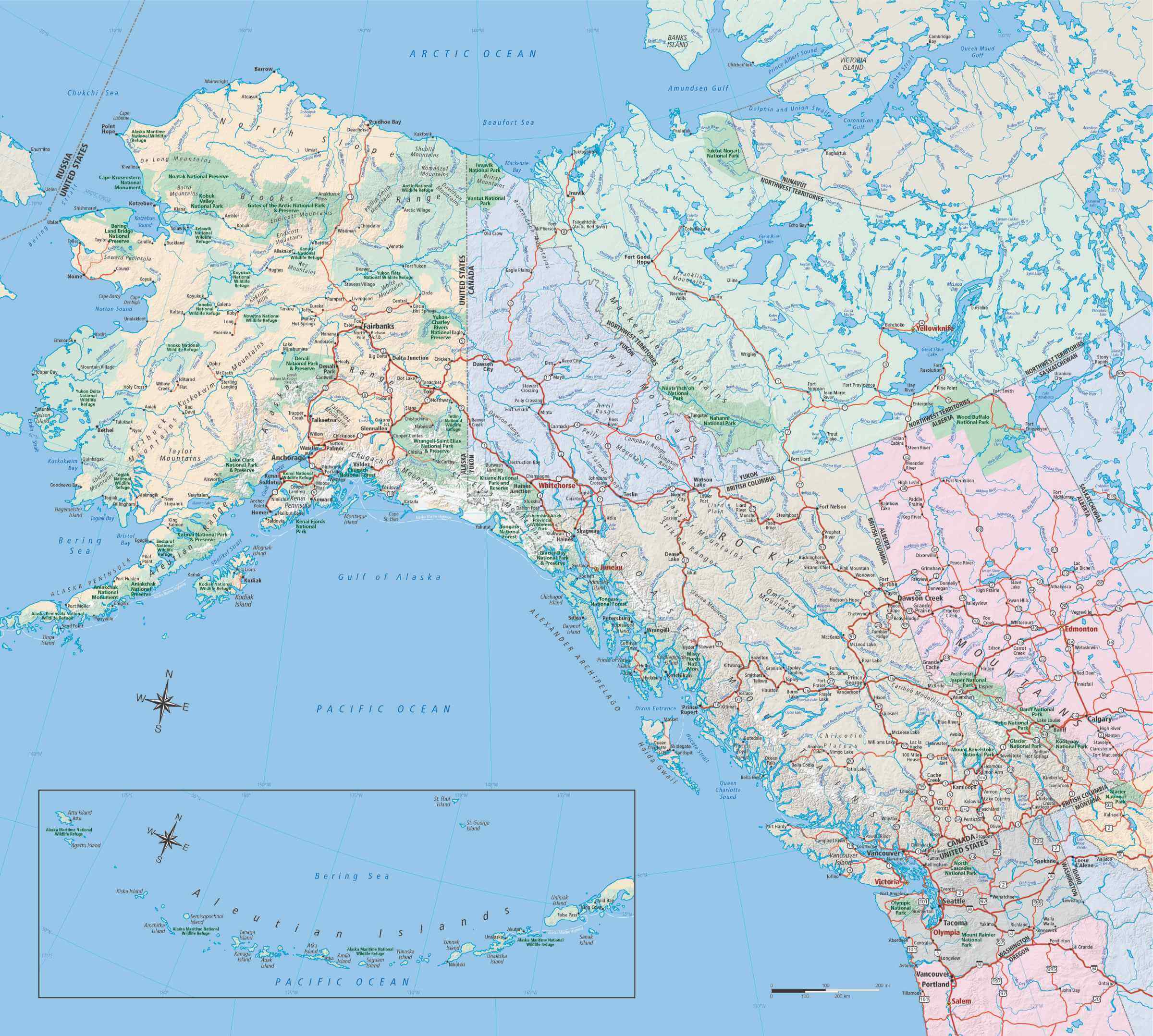
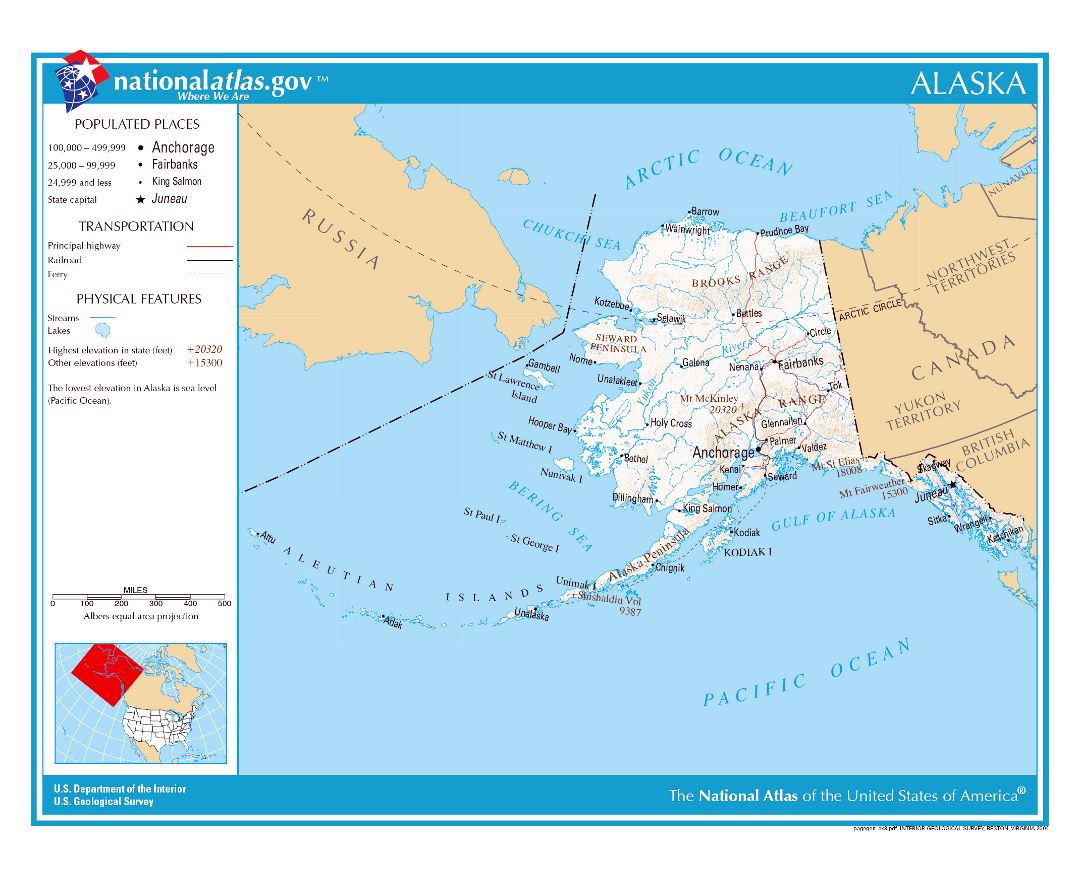
One common point of confusion stems from Alaska’s geography. Because it is separated from the "lower 48" states by Canada, some perceive it as a separate entity or a non-contiguous possession. However, in legal and political terms, the distinction between a "state" and "territory" is absolute.
Non-Contiguous vs. Sovereign Status
While Alaska is non-contiguous, meaning it does not share a land border with the other 48 states, it remains entirely within the sovereign boundaries of the United States. Its status is identical to that of Hawaii—the 50th state—which is also geographically separated from the mainland.
The U.S. government maintains full jurisdictional control over Alaska. This includes:
- Federal Representation: Alaska elects two senators and one representative to the U.S. House of Representatives.
- Federal Jurisdiction: The United States District Court for the District of Alaska hears federal cases within the state, and federal law, including the Constitution and the Bill of Rights, applies fully to all residents.
- Military Defense: The defense of Alaskan soil is the responsibility of the U.S. Department of Defense, with significant installations, such as Joint Base Elmendorf-Richardson, providing strategic capabilities for the nation.
Administrative Oversight
Unlike U.S. territories—such as Puerto Rico, Guam, or the U.S. Virgin Islands—Alaska is a state. It is not an "unincorporated territory" governed by the U.S. Congress under the plenary power of the Territory Clause of the Constitution. Instead, Alaska possesses sovereign rights reserved for states under the Tenth Amendment. It has its own constitution, a governor, a state legislature, and a judicial branch that handles matters of state law, while still remaining bound by the federal framework.
Economic Integration and Federal Infrastructure
Alaska’s integration into the United States is perhaps most evident in its economic and structural connectivity. The state is a vital component of the U.S. energy grid, the domestic seafood market, and the nation’s strategic logistics network.
Natural Resource Management
A significant portion of Alaska’s land is owned and managed by the federal government. Agencies such as the Bureau of Land Management (BLM), the National Park Service (NPS), and the U.S. Fish and Wildlife Service manage millions of acres. This federal presence underscores that Alaska is managed in alignment with national environmental, conservation, and resource extraction policies.
Trade and Commerce
Commerce between Alaska and the rest of the United States is subject to the same regulations as interstate commerce. The Jones Act, a federal statute, significantly influences maritime trade between Alaska and other U.S. ports, requiring that goods transported by water between U.S. ports be carried on U.S.-flagged, U.S.-built, and U.S.-crewed vessels. This is a direct application of federal law that affects the cost and logistics of living in and doing business in Alaska.
Comparison of Political Status: Alaska vs. Other U.S. Jurisdictions
Understanding Alaska’s status is easier when comparing it to other forms of U.S. administrative divisions. The table below outlines the differences in governance and representation.
| Feature | State (e.g., Alaska) | Territory (e.g., Guam) |
|---|---|---|
| Constitutional Status | Sovereign State | Unincorporated Territory |
| Federal Representation | Full (Senators & House Reps) | Limited (Non-voting delegate) |
| Presidential Voting | Electors in Electoral College | No vote in Presidential election |
| Local Government | State Constitution | Congressional Organic Act |
| Federal Tax Liability | Standard Federal Taxes | Varies by tax code |
Common Questions and Clarifications
Why is Alaska often shown in a box on U.S. maps?
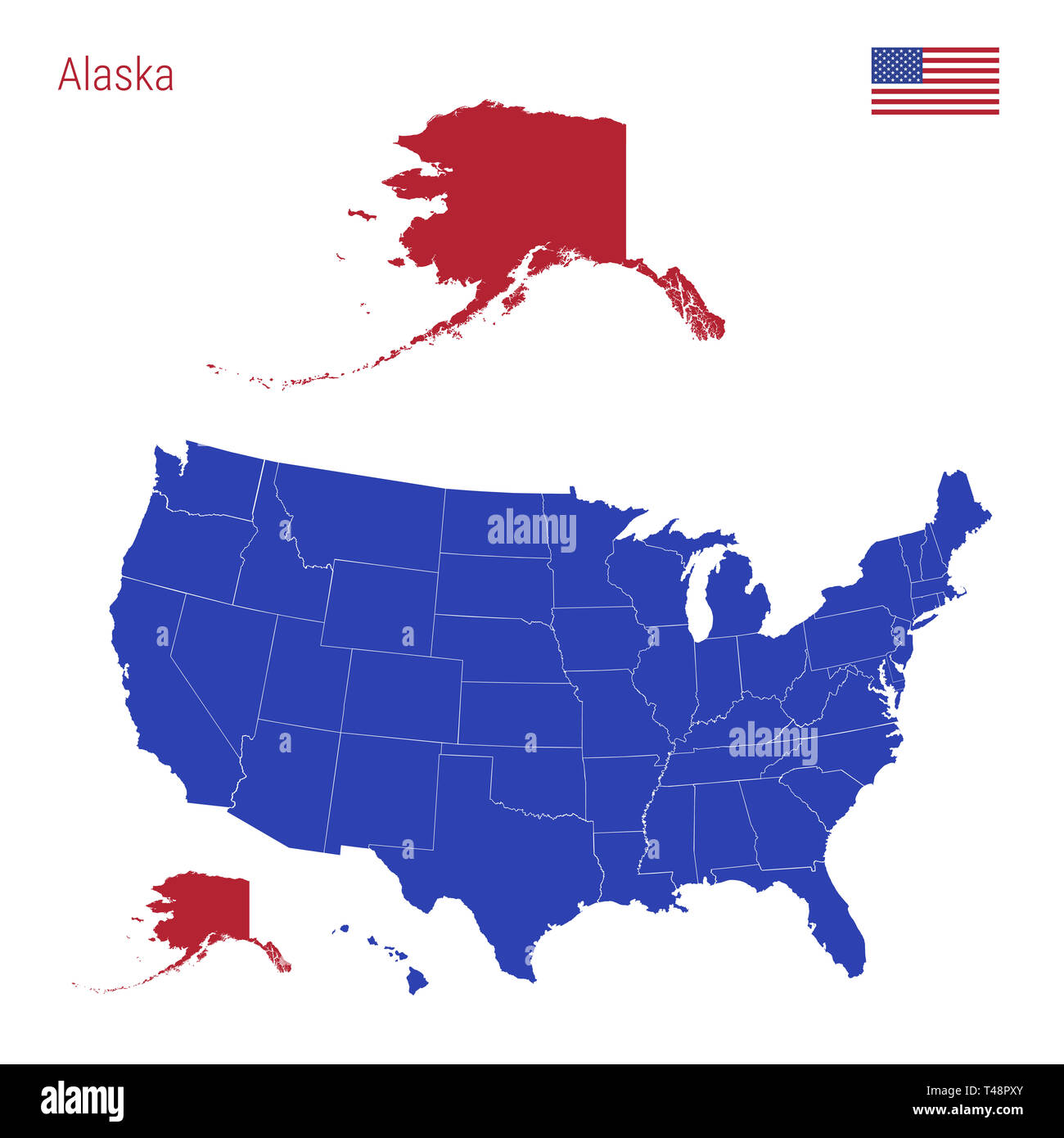
Alaska is shown in an inset box on maps of the United States purely for cartographic convenience. Because of its massive land area, placing Alaska in its true geographic position would require either shrinking the state to an unrecognizable size or leaving vast, empty swaths of the Pacific Ocean on the map, which would shrink the "lower 48" states to near-invisibility. It does not imply that Alaska is physically detached from the U.S. nation-state.
Can Alaska secede from the United States?
No. Under the U.S. Supreme Court ruling in Texas v. White (1869), states do not have the right to unilaterally secede from the Union. The relationship between the states and the federal government is indissoluble. Any movement suggesting secession has no legal basis within the U.S. judicial system.
Do Alaskans pay federal income tax?
Yes. Residents of Alaska are subject to federal income tax just like residents of any other state. While Alaska is unique in that it does not impose a state-level income tax on its residents—and even provides a dividend from the Alaska Permanent Fund—this does not exempt citizens from their obligations to the Internal Revenue Service (IRS).
Is the currency in Alaska the U.S. Dollar?
Yes. Alaska uses the United States Dollar (USD) as its official currency. All financial transactions, banking regulations, and monetary policies managed by the Federal Reserve apply to Alaska with the same force and effect as in any other state.
Are Alaskans U.S. citizens?
Yes. All persons born in Alaska are natural-born citizens of the United States, just as those born in any other state. They are entitled to all the privileges and immunities granted under the U.S. Constitution, including the right to hold a U.S. passport and the right to vote in federal elections.
Practical Next Actions
For those visiting or researching Alaska, understanding its status as a state simplifies travel and regulatory expectations.
- Travel Requirements: As Alaska is a state, travel from the contiguous United States to Alaska does not require a passport, visa, or currency exchange. Domestic flight and travel rules apply.
- Business Operations: If you are planning to conduct business, be aware that you must register with the State of Alaska Department of Commerce, Community, and Economic Development. Federal business licensing remains applicable where necessary.
- Legal Considerations: Always consult state-specific statutes when dealing with property, family law, or civil disputes, while remaining mindful that federal law supersedes state law in areas of national jurisdiction (e.g., aviation, maritime, and interstate commerce).
- Government Resources: For authoritative information regarding Alaskan services, residents and visitors should use .gov portals, which serve as the official channels for state and federal administrative updates.
Alaska’s integration into the United States is foundational to the nation's contemporary geography and political structure. By recognizing its status as a full state, residents, businesses, and travelers can navigate the region with the assurance that it operates under the same legal and constitutional protections as the rest of the nation.