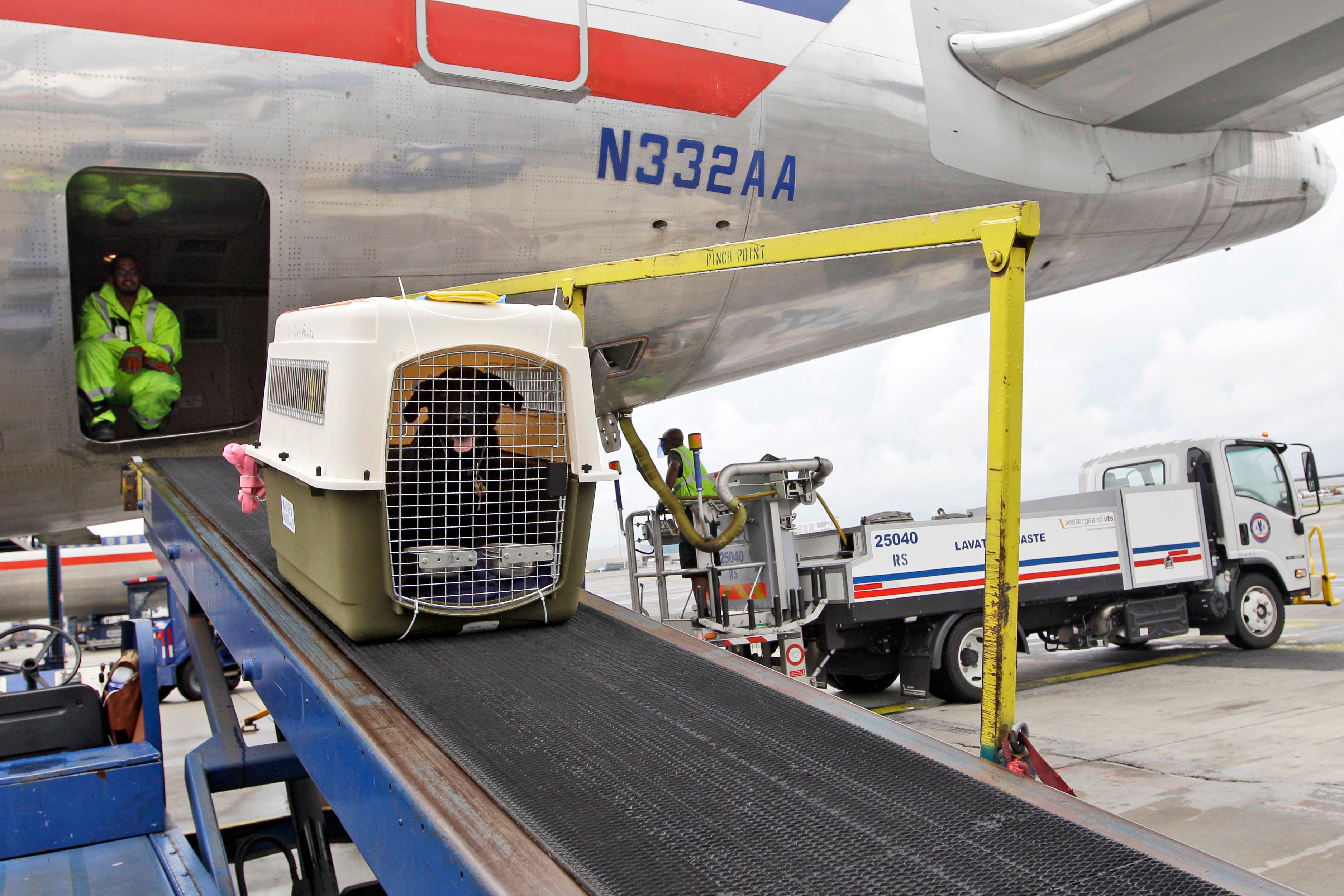
When you cannot bring your dog into the main cabin, transporting your pet through Alaska Airlines’ cargo service—operated via Alaska Air Cargo—is a structured alternative designed to prioritize animal safety. To successfully ship a dog in cargo, you must meet strict crate regulations, satisfy health and vaccination documentation prerequisites, account for seasonal weather embargoes, and navigate booking procedures well in advance of your flight date.
Understanding Alaska Air Cargo vs. In-Cabin Pet Travel
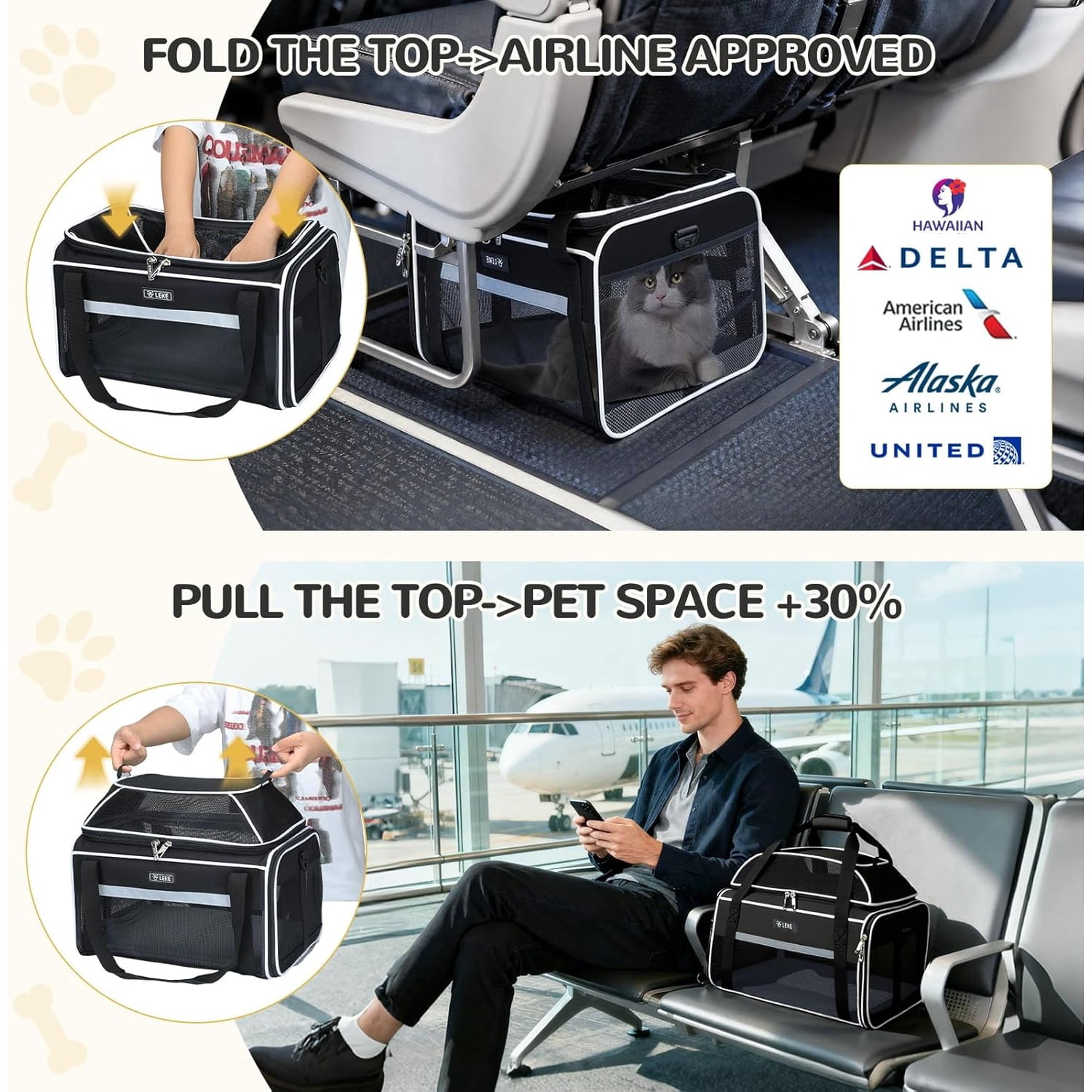
Before organizing your pet's journey, it is vital to distinguish between carrying a pet in the passenger cabin and shipping an animal through cargo. Alaska Airlines permits small dogs to travel in the cabin for a standard fee, provided they fit comfortably in a soft-sided or hard-sided kennel that stows completely beneath the seat ahead of you. However, if your dog exceeds these size and weight limitations, or if you are shipping an unaccompanied pet, you must use Alaska Air Cargo.
Alaska Air Cargo operates separately from standard baggage check. Pets shipped via cargo travel in a specialized, climate-controlled, and pressurized compartment located beneath the main deck. While this environment maintains safe temperatures and air circulation comparable to the cabin, the logistics require more administrative preparation, distinct drop-off and pick-up locations, and adherence to commercial freight handling standards.
Eligibility and Health Documentation Requirements
Transporting a dog via cargo involves strict compliance with federal, state, and airline-specific health and safety guidelines. Ensuring your paperwork and dog's physical eligibility are in order prevents trip cancellations at the cargo terminal.
Health Certificates and Rabies Vaccination
For most domestic travel within the United States, Alaska Air Cargo requires a valid health certificate issued by a licensed veterinarian. This document must typically be dated within 10 days of your pet's initial travel date (and return date, if applicable) to verify that the animal is fit to fly and free of infectious diseases. Additionally, your dog must be at least 8 weeks old and fully weaned.
Up-to-date rabies vaccination documentation is mandatory for all dogs over a specified age, depending on state regulations. If you are flying interstate, always check the destination state’s Department of Agriculture website for any extra entry mandates, such as specific permit requirements or secondary health checks.
Acclimation Certificates
If your travel involves extreme seasonal temperatures, Alaska Air Cargo may require a written acclimation certificate signed by a veterinarian. This document certifies that the animal is acclimated to temperatures below certain thresholds (typically between 45°F and 85°F, or lower with specific provisions). If local temperatures at the origin, connection, or destination cities fall outside safe regulatory bounds, the airline will suspend transport to protect the animal.
Crate and Kennel Specifications for Cargo
The International Air Transport Association (IATA) and Alaska Air Cargo enforce strict specifications for shipping crates. An improper kennel will result in an immediate refusal of service at the cargo counter.
| Feature | Requirement | Common Pitfall to Avoid |
|---|---|---|
| Material | Rigid plastic, fiberglass, or metal with solid top. | Wire-only crates or collapsible fabric kennels are strictly prohibited. |
| Door Assembly | Secure spring-loaded, all-metal locking mechanism. | Plastic or sliding latches that can be shaken loose by the dog. |
| Ventilation | Ventilation openings on all four sides (for domestic travel). | Obstructing ventilation holes with blankets, stickers, or luggage tags. |
| Sizing | Must allow the dog to stand, turn around, and lie down naturally. | Selecting a crate that is too small based on weight rather than height dimensions. |
| Hardware | Metal nuts and bolts securing top and bottom halves. | Plastic snap-locks alone; metal bolts are legally required for structural integrity. |
Inside the crate, you must line the bottom with absorbent material, such as shredded paper, towels, or a pet training pad, to manage any accidents. Avoid placing loose toys or large, hard objects that could injure the animal during turbulence. Fasten small, spill-proof food and water dishes securely to the inside of the kennel door, ensuring they can be refilled from the outside without opening the crate.
Seasonal Weather Embargoes and Temperature Restrictions
Animal safety remains the paramount operational concern for airline cargo divisions. Because cargo hold environments are sensitive to tarmac conditions during loading and unloading, Alaska Air Cargo enforces strict temperature embargoes.
Hot Weather Restrictions
When ambient temperatures at any point on the itinerary (origin, transfer hub, or destination) exceed 85°F (29.4°C), live animal shipments are typically restricted. Airlines maintain these thresholds to prevent heat stroke and respiratory distress, particularly in brachycephalic (short-nosed) breeds like Bulldogs, Pugs, and Boxers, which face drastically higher risks of hypoxia and heat exhaustion.
Cold Weather Restrictions
Conversely, when temperatures drop below 45°F (7.2°C) without a veterinary acclimation certificate, or below 20°F (-6.7°C) under any circumstance, shipments are halted. Tarmac transit exposes crates to ambient weather elements before the aircraft doors close. Monitoring weather forecasts ahead of time helps mitigate the risk of a last-minute cancellation.
Step-by-Step Booking and Travel Day Procedures
Securing cargo space requires careful timing. You cannot simply show up at the airport with a crate and a dog.
1. Verify eligibility, health records, and destination import laws. 2. Purchase an IATA-compliant, appropriately sized rigid crate. 3. Book the cargo shipment via Alaska Air Cargo online or by phone. 4. Prepare the crate with absorbent bedding and attach food/water dishes. 5. Drop off the dog at the designated cargo facility 2 to 3 hours pre-flight. 6. Pick up your pet promptly at the destination cargo terminal using ID.
Pre-Flight Booking
Contact Alaska Air Cargo or book through their dedicated portal several weeks ahead. Ensure you have your exact flight routing, crate dimensions (length, width, height), and total combined weight of the dog and kennel. Cargo rates are calculated based on dimensional weight, meaning you will pay according to the space the crate occupies in the aircraft hold.
Drop-Off Protocol on Travel Day
Unlike passenger check-in counters located inside the main terminal, Alaska Air Cargo facilities are typically situated in separate cargo or freight complexes near the airport perimeter. You must drop your dog off 2 to 3 hours before the scheduled flight departure to allow adequate time for veterinary document checks, security screening, and weighing.
Pick-Up Protocol at Destination
Upon arrival, allow approximately 60 to 90 minutes for the aircraft to taxi, unload, and transport the animal to the destination cargo facility. The consignee listed on the airway bill must present valid government-issued photo identification to claim the dog. Inspect your dog and its crate immediately upon receipt to ensure everything is secure and your pet is healthy.
Frequently Asked Questions
Can I sedate my dog before putting them in the cargo hold?
No. Major veterinary associations, including the American Veterinary Medical Association (AVMA), strongly advise against sedating dogs for air travel. Sedation can dangerously lower blood pressure, impair cardiovascular and respiratory function at cruising altitudes, and compromise your dog's natural balance and ability to cope with turbulence.
Are certain dog breeds banned from flying in cargo?
Yes. Due to physiological traits that impede normal breathing—especially in high-stress environments—brachycephalic (short-nosed) breeds and specific mixes are frequently restricted or entirely barred from cargo transport by airlines to prevent severe injury or fatality. Always verify current breed restrictions directly with Alaska Air Cargo before booking.
How are feeding and watering handled during transit?
You should feed your dog a light meal roughly 4 to 6 hours before check-in to minimize the risk of motion sickness or elimination inside the crate. Fasten a water dish to the crate door so cargo handlers can offer water during extended layovers. Do not leave loose water bowls or large quantities of food inside the kennel, as they can spill and create unsafe, wet conditions.
What happens if my flight is delayed or diverted?
Alaska Air Cargo maintains dedicated logistics tracking protocols for live animal shipments. In the event of a significant delay, mechanical issue, or weather diversion, cargo personnel coordinate to keep pets in climate-controlled holding areas, provide water, and update the consignee on revised routing schedules.
Conclusion and Next Actions
Shipping a dog via Alaska Air Cargo requires meticulous attention to administrative detail, strict adherence to kennel standards, and proactive monitoring of weather conditions. To ensure a smooth journey, verify your veterinary records early, purchase an IATA-compliant rigid crate well in advance, and confirm cargo terminal operating hours at both your origin and destination airports.