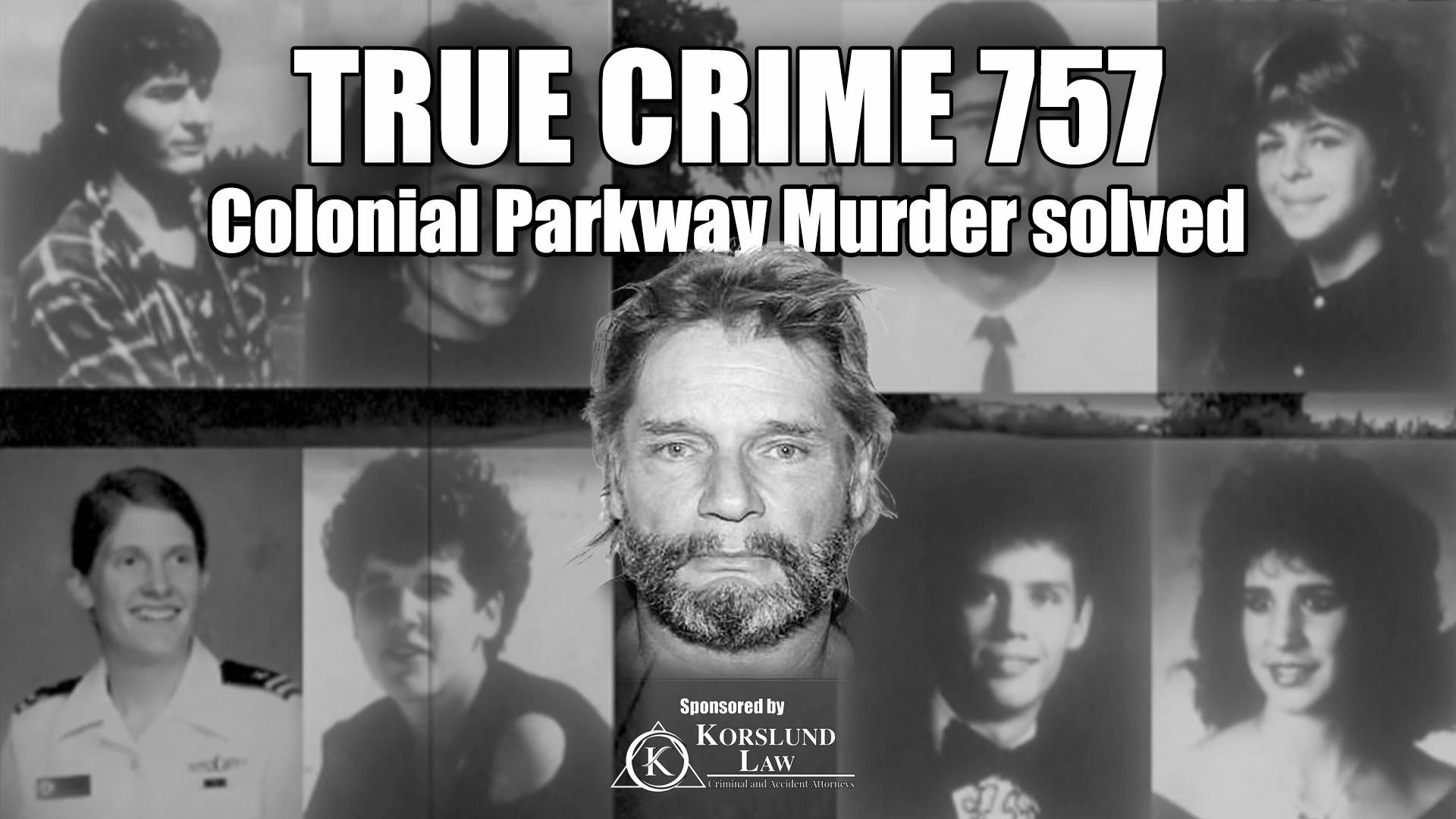
The identification of Alan Wade Wilmer Sr. represents a significant breakthrough in the resolution of decades-old cold cases in Virginia, achieved through the application of advanced forensic genealogy. Authorities linked Wilmer to the "Colonial Parkway Murders" and other unsolved homicides occurring in the late 1980s, providing long-sought answers for families of the victims and demonstrating the evolving power of modern genetic investigative techniques.
The Evolution of Forensic Genealogy in Cold Case Resolution
Forensic genealogy—often referred to as investigative genetic genealogy—has fundamentally altered the landscape of law enforcement. In the case of Alan Wade Wilmer Sr., investigators did not rely solely on traditional evidence collected at the time of the crimes. Instead, they utilized DNA samples preserved from the crime scenes and compared them against genetic databases.
This method involves uploading DNA profiles into publicly available genealogy platforms. By identifying distant relatives of a suspect, genealogists build comprehensive family trees. Once a candidate is narrowed down, investigators verify the connection through direct DNA samples from closer family members or, in some cases, the exhumation of remains. For decades, the cases associated with Wilmer remained "cold" because the available technology could not isolate usable genetic data from degraded samples, nor could investigators bridge the gap between crime scene evidence and a specific individual without a pre-existing criminal record in the national CODIS database.
Background and Context: The Crimes Linked to Wilmer
The investigations surrounding Alan Wade Wilmer Sr. gained national attention as they touched upon a series of disappearances and homicides that terrorized the Tidewater region of Virginia between 1987 and 1989. For years, the public and law enforcement struggled to determine if these events were the work of a single serial offender or multiple perpetrators.
The primary cases linked to Wilmer include:
- The 1987 Homicides of David Knobling and Robin Edwards: This investigation involved the discovery of two individuals near the Ragged Island Wildlife Management Area.
- The 1989 Homicide of Teresa Lynn Spangler: This case, which had remained unresolved for over three decades, was eventually connected to Wilmer through the same forensic pipeline that linked the other murders.
Wilmer, who passed away in 2017, was a commercial fisherman and business owner in the area. His occupation provided him with extensive knowledge of local waterways and isolated coastal regions, which investigators believe he exploited to commit these crimes and conceal evidence. Because he died prior to the full application of modern forensic genealogy to these specific cases, he never faced trial, leaving the legal process to focus on the definitive closure of these open investigations.
Investigative Methodology: How the "Cold" Case Became "Closed"
The transition from an unsolved status to a positive identification required a methodical, multi-agency approach. The Virginia State Police, working in coordination with the FBI and local law enforcement, treated these historical scenes with modern forensic standards.
Technical Steps in the Identification Process
- Sample Preservation: Despite the age of the evidence, the preservation of biological material (such as semen and hair) was the foundation of the success. Law enforcement agencies in Virginia had maintained custody of this evidence in climate-controlled environments, preventing the degradation that often renders old samples useless.
- Advanced Sequencing: Scientists employed Next-Generation Sequencing (NGS) to extract high-quality DNA profiles from limited or damaged biological material. This technical leap allowed for the generation of a complete enough profile to be useful in genealogical searching.
- Genetic Mapping: Once the profile was generated, it was cross-referenced with ancestry databases. The process required the expertise of professional genealogists who could interpret complex genetic markers to identify the specific lineage of the suspect.
- Verification: The investigative trail eventually led to Wilmer’s family. Authorities obtained a search warrant for his remains; his body was exhumed from a cemetery in Virginia to collect a DNA sample that could be directly compared to the crime scene evidence, effectively confirming his identity as the perpetrator.
Comparative Overview of Historical and Modern Investigation
The table below highlights the operational differences between the traditional investigative methods used during the time of the murders and the modern techniques that led to the identification of Alan Wade Wilmer Sr.
| Feature | Traditional Methods (Late 1980s) | Modern Methods (Current Status) |
|---|---|---|
| DNA Capabilities | Limited (Blood typing, early RFLP) | Advanced (SNP testing, Forensic Genealogy) |
| Suspect Identification | Eyewitness accounts, physical leads | Genetic lineage matching |
| Data Storage | Physical files, disparate databases | Digitized, cross-linked national networks |
| Sample Size | Required large quantities of material | Requires microscopic or degraded amounts |
| Key Limitations | Reliance on suspect being in CODIS | Ethical and privacy concerns regarding data |
Impact on Victims' Families and Public Trust
The identification of Alan Wade Wilmer Sr. brought an end to 35 years of uncertainty. For the families of Robin Edwards, David Knobling, and Teresa Lynn Spangler, the news served as the definitive answer they had been denied for a generation.
Beyond individual closure, these findings have bolstered public trust in law enforcement’s commitment to "cold" cases. There is a prevailing sentiment that, regardless of how much time has passed, the ability for investigators to leverage science means that justice is no longer bound by the limits of the technology present at the time of a crime. This shift has encouraged other families to press for renewed testing of evidence in remaining unsolved homicides.
Challenges and Limitations in Forensic Genealogy
While the identification of Wilmer is a success story, the use of forensic genealogy is not without challenges. It requires a delicate balance between investigative necessity and civil liberties.
- Database Participation: The accuracy of the identification depends on the volume of data in public genealogy platforms. If a perpetrator has no relatives who have participated in commercial genetic testing, the investigative trail is significantly harder to build.
- Chain of Custody: Maintaining a pristine chain of custody over several decades is a monumental administrative task. If records or physical evidence are lost, even the most advanced DNA testing cannot rectify the loss.
- Legal and Ethical Hurdles: The use of genetic data—even that which is publicly available—remains a subject of intense legal scrutiny. Courts are increasingly tasked with defining the parameters of what constitutes a "reasonable expectation of privacy" when third-party data is used to investigate criminal suspects.
Frequently Asked Questions
Why was Alan Wade Wilmer Sr. not identified earlier?
Technological limitations were the primary barrier. The DNA technology available in the 1980s and 1990s was not sophisticated enough to derive a useful profile from the small, degraded samples found at the crime scenes. By the time genomic sequencing became a standard tool, the suspect had already died.
Was the DNA evidence against Wilmer conclusive?
Yes. The Virginia State Police confirmed that the DNA profile generated from the crime scenes was a direct match to the DNA sample obtained from Wilmer’s remains after his exhumation.
How did police gain access to Wilmer’s DNA?
After genetic genealogy provided a compelling link to Wilmer's family, the police secured the necessary legal authorization to exhume his body. Forensic pathologists then collected biological samples to perform a definitive comparative analysis.
Are there other cold cases connected to Wilmer?
Authorities have publicly linked him to several specific cases. While rumors often circulate regarding other unsolved crimes in the region, law enforcement maintains a strict focus on cases where DNA or other hard evidence has provided a concrete connection.
How do genealogists identify a suspect using DNA?
They look for "matches" in databases—often distant cousins of the suspect. By tracing the family trees of these matches back to common ancestors and then forward through birth, marriage, and death records, they eventually isolate the individual who fits the geographical and temporal criteria of the investigation.
Recommended Next Steps for Information Seekers
For those interested in the ongoing status of cold case investigations in Virginia, it is recommended to monitor updates from the Virginia State Police Bureau of Criminal Investigation. Official press releases and public statements from the Attorney General’s office are the primary sources for verified developments in these matters.
If you or a family member are involved in a similar situation regarding an unsolved case, contact the relevant local police department’s Cold Case Unit or the state’s regional FBI field office. These entities maintain specific protocols for the intake of information and the potential review of evidence in dormant files.