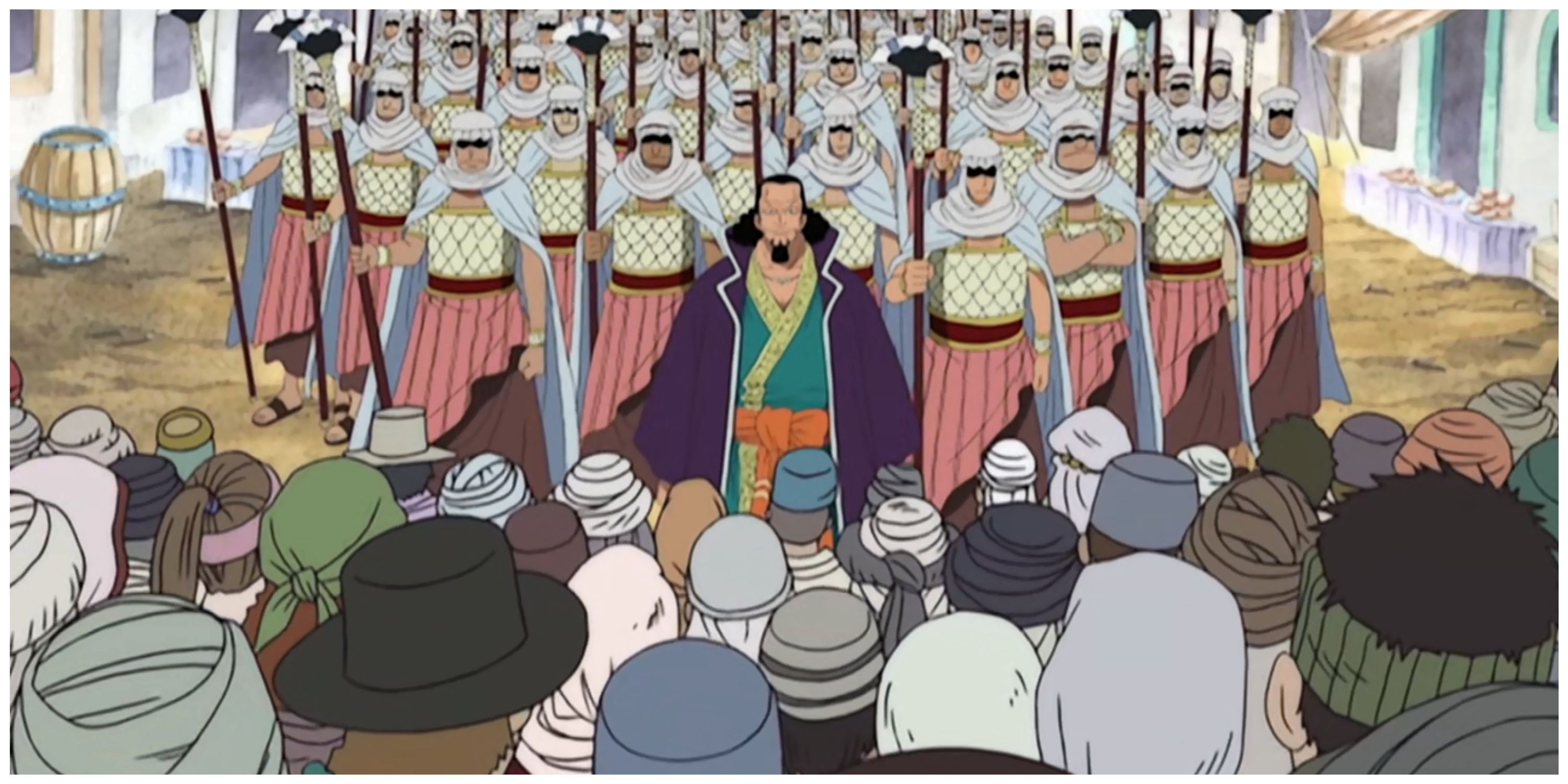
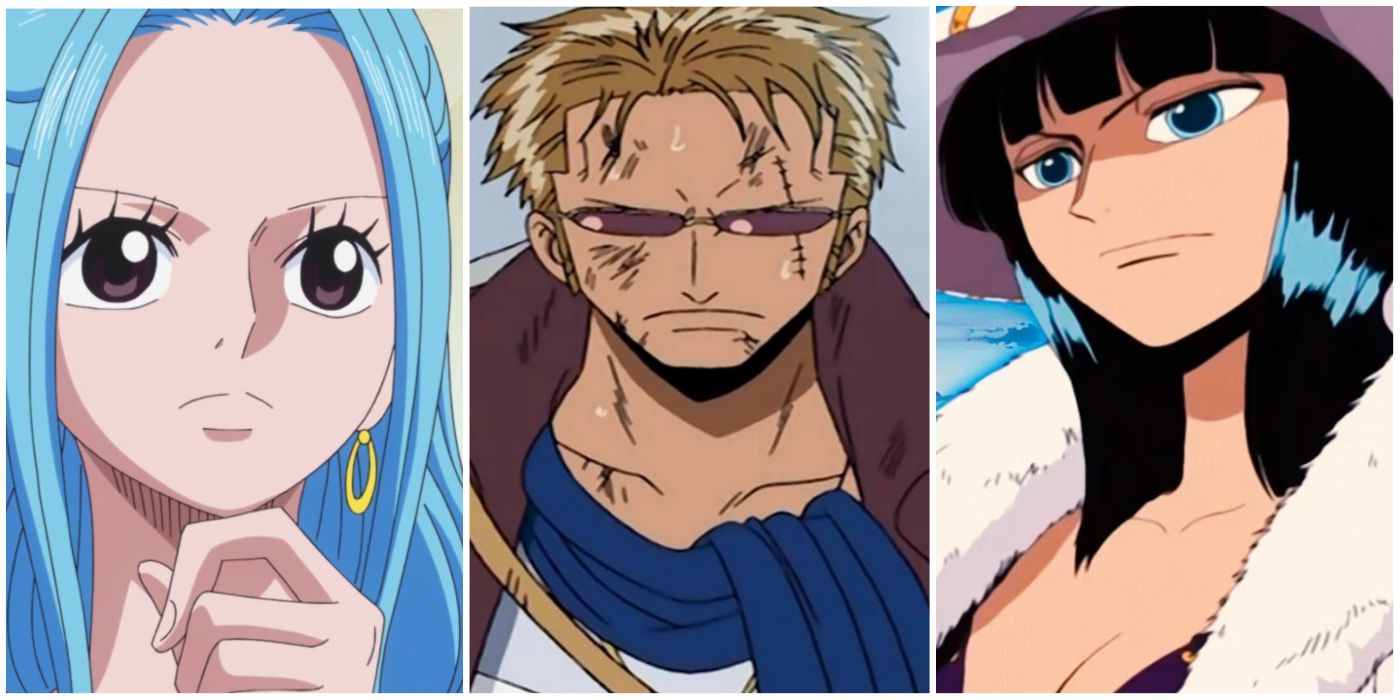
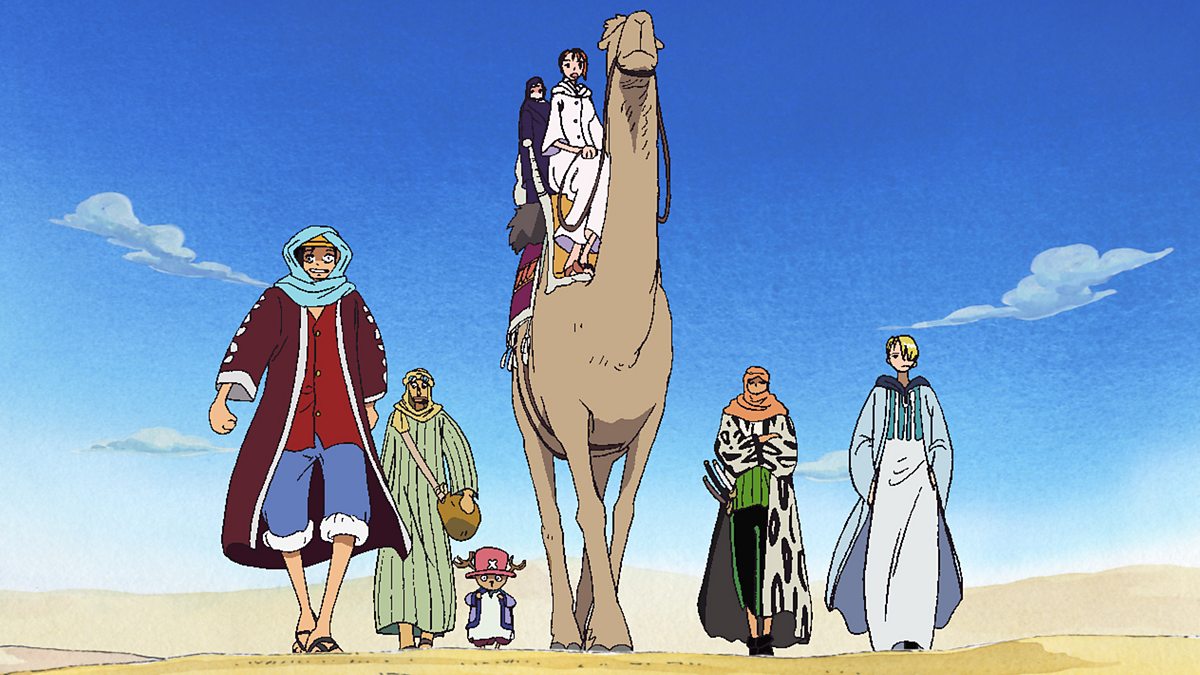
The Alabasta Arc introduces a vast roster of memorable figures, ranging from the royal Nefertari family and their loyal guards to the clandestine Baroque Works syndicate led by Crocodile. This desert kingdom serves as one of the most critical turning points in the entire series, reshaping the political landscape of the world and cementing lifelong bonds among the Straw Hat Pirates.
Introduction to the Alabasta Kingdom and Its Inhabitants
The Alabasta Arc stands as a foundational milestone in Eiichiro Oda’s One Piece, transitioning the narrative from episodic island-hopping to sweeping, interconnected geopolitical conflicts. At the heart of this desert saga is the Alabasta Kingdom, an ancient civilization steeped in history, secrets, and internal strife. The characters who inhabit this arc are not mere background obstacles for the protagonists; they are richly developed individuals driven by duty, patriotism, greed, deception, and personal redemption.
Understanding the characters of Alabasta requires looking closely at two primary opposing factions: the legitimate rulers of the kingdom alongside their protectors, and Baroque Works, the sophisticated criminal organization working from the shadows to instigate a civil war. Between these two poles lie the citizens of Alabasta, the rebel army led by Koza, and the wandering pirates who inadvertently alter the fate of a nation. Examining these characters provides deep insight into the overarching themes of One Piece, including the burden of monarchy, the manipulation of information, and the true meaning of camaraderie.
The Nefertari Royal Family and Kingdom Protectors
At the center of Alabasta’s societal structure is the Nefertari family, a lineage unique among the World Government's founding twenty monarchs because they chose to remain on their homeland rather than ascend to Mary Geoise. This singular decision ties the family deeply to the history of the world, particularly concerning the Poneglyphs and the Ancient Weapons.
Nefertari Cobra and Nefertari Vivi
King Nefertari Cobra is portrayed as a wise, benevolent ruler who places the welfare of his people above his own safety and throne. His governance reflects a deep understanding of Alabasta's delicate balance, making him vulnerable to the psychological warfare waged by Crocodile. Alongside him is his daughter, Princess Nefertari Vivi, who serves as the emotional anchor of the arc.
Vivi’s journey shifts her from a mysterious bounty hunter known as Miss Wednesday to a fiercely dedicated princess willing to endure any hardship to save her homeland. Her relationship with the Straw Hat Pirates exemplifies the deep emotional stakes of the arc, as she learns that leadership requires sacrifice, endurance, and the courage to trust others.
The Royal Guard and Elite Warriors
Protecting the royal family are individuals of immense loyalty and martial prowess. Igaram, the captain of the royal guard, initially appears as a quirky, flute-playing subordinate, but his unwavering dedication to Vivi proves his profound value to the crown. His strategic foresight and willingness to act as a decoy highlight the selflessness characteristic of Alabasta’s defenders.
Accompanying them are the fierce pelican-man Pell and the jackal-man Chaka, both of whom possess mythical Zoan-type Devil Fruit abilities derived from the Zoan models of the ancient guardian deities of Alabasta. Pell, known as the "Guardian Deity of the Mountain" and "Pell the Falcon," demonstrates the ultimate sacrifice by carrying a ticking time bomb far into the upper atmosphere to save the capital of Alabasta, cementing his legacy as a symbol of eternal protection. Chaka, embodying the jackal guardian deity, serves as a grounded military commander who maintains order within the palace walls.
Baroque Works: The Syndicate of Infiltration and Subversion
Operating in direct opposition to the crown is Baroque Works, a clandestine criminal organization structured like a military hierarchy. Led by the Warlord of the Sea, Crocodile—operating under the codename Mr. 0—the organization utilizes pairs of agents consisting of male officers and female partner agents. Their objective in Alabasta is twofold: destabilize the kingdom from within to seize control and locate the ancient weapon Pluton.
Crocodile (Mr. 0) and Miss All Sunday
Crocodile is one of the most calculating and formidable antagonists in the series. Wielding the power of the Suna Suna no Mi (Sand-Sand Fruit), a Logia-type Devil Fruit, he can dehydrate anything he touches and turn his body into sand, making him nearly invincible in the arid climate of Alabasta. His cold, pragmatic approach to the civil war—intentionally withholding rain using Dance Powder and framing the king—demonstrates a mastery of psychological manipulation.
Working alongside him is Miss All Sunday, better known as Nico Robin. Initially introduced as Crocodile’s vice president and archaeologist, Robin’s true motivations are far more complex. Unlike her ruthless superior, Robin seeks the Poneglyph of Alabasta to uncover the true history of the Void Century, setting up one of the most significant character transformations in the series.
Officer Agents and Frontier Agents
The mid-to-high-tier agents of Baroque Works provide distinct combat challenges for the Straw Hat Pirates, showcasing a wide variety of Devil Fruit abilities and bizarre martial arts styles.
| Agent Codename | True Identity | Devil Fruit / Fighting Style | Primary Opponent |
|---|---|---|---|
| Mr. 1 | Daz Bones | Spa Spa no Mi (Dice-Dice Fruit) | Roronoa Zoro |
| Miss Doublefinger | Zala | Kiba Kiba no Mi (Spike-Spike Fruit) | Nami |
| Mr. 2 Bon Kurei | Bentham | Mane Mane no Mi (Clone-Clone Fruit) | Vinsmoke Sanji / Nefertari Vivi |
| Mr. 3 | Galdino | Doru Doru no Mi (Wax-Wax Fruit) | Monkey D. Luffy / Dorry & Brogy |
| Miss Goldenweek | Kesil | Color Trap (Hypnotic Painting) | Roronoa Zoro (Support) |
Each of these agents brings unique tactical challenges. Mr. 1 transforms his body into razor-sharp steel blades, forcing Zoro to transcend his physical limits and learn how to cut steel. Mr. 2 Bon Kurei utilizes the Clone-Clone Fruit to mimic faces, creating psychological confusion before developing a deep, honorable friendship with Sanji based on mutual respect in combat.
The Rebel Army and the Citizens of Alabasta
The tragedy of the Alabasta Arc lies not just in the actions of external villains, but in the suffering of ordinary people manipulated into fighting their own countrymen. The Rebel Army, formed by citizens who believe the king has stolen their water through the illegal use of Dance Powder, represents the collateral damage of Crocodile’s conspiracy.
Koza: The Childhood Friend and Rebel Leader
Koza is the leader of the Rebel Army and a childhood friend of Princess Vivi. Their past bond highlights the emotional tragedy of the civil war, as both individuals strive to protect Alabasta but find themselves positioned on opposite sides of a manufactured conflict. Koza’s progression from an idealistic boy who formed the Suna-Suna Clan with Vivi to a desperate rebel leader driven by the suffering of the Yuba oasis residents illustrates how quickly social trust can be shattered by orchestrated disinformation. His attempt to stop the bloodshed at the climax of the arc, even as he bleeds from an assassination attempt by Baroque Works agents, is vital to halting the war before total annihilation occurs.
Totland and the Oasis Dwellers
Supporting characters like Toto, Koza’s father, represent the resilience and weariness of the Alabasta populace. Toto’s refusal to abandon the drying oasis of Yuba, persistently digging for water day after day, becomes a powerful moral image that exposes the cruelty of Crocodile's drought tactics. These civilian characters ground the grand political narrative in human reality, showing that the stakes of the conflict affect every farmer, merchant, and child in the kingdom.
The Impact of the Straw Hat Pirates
While the native characters drive the political and emotional core of Alabasta, the Straw Hat Pirates act as the catalytic force that alters the status quo. Each crew member faces profound individual challenges that test their convictions and combat abilities.
- Monkey D. Luffy: Suffers two devastating defeats against Crocodile before deciphering the weakness of the Sand-Sand Fruit (using liquid to solidify sand) and ultimately crushing the Warlord in the underground tombs of the royal palace.
- Roronoa Zoro: Faces Daz Bones in a grueling duel that forces him to recall his master's teachings on breathing and rhythm, unlocking the ability to cut steel.
- Nami: Evolves from relying on tactical evasion to mastering her newly acquired weapon, the Clima-Tact, defeating Miss Doublefinger in a strategic battle.
- Vinsmoke Sanji: Outsmarts Mr. 2 Bon Kurei through physical adaptation and psychological awareness, while also utilizing the agent's clone abilities to save the royal family.
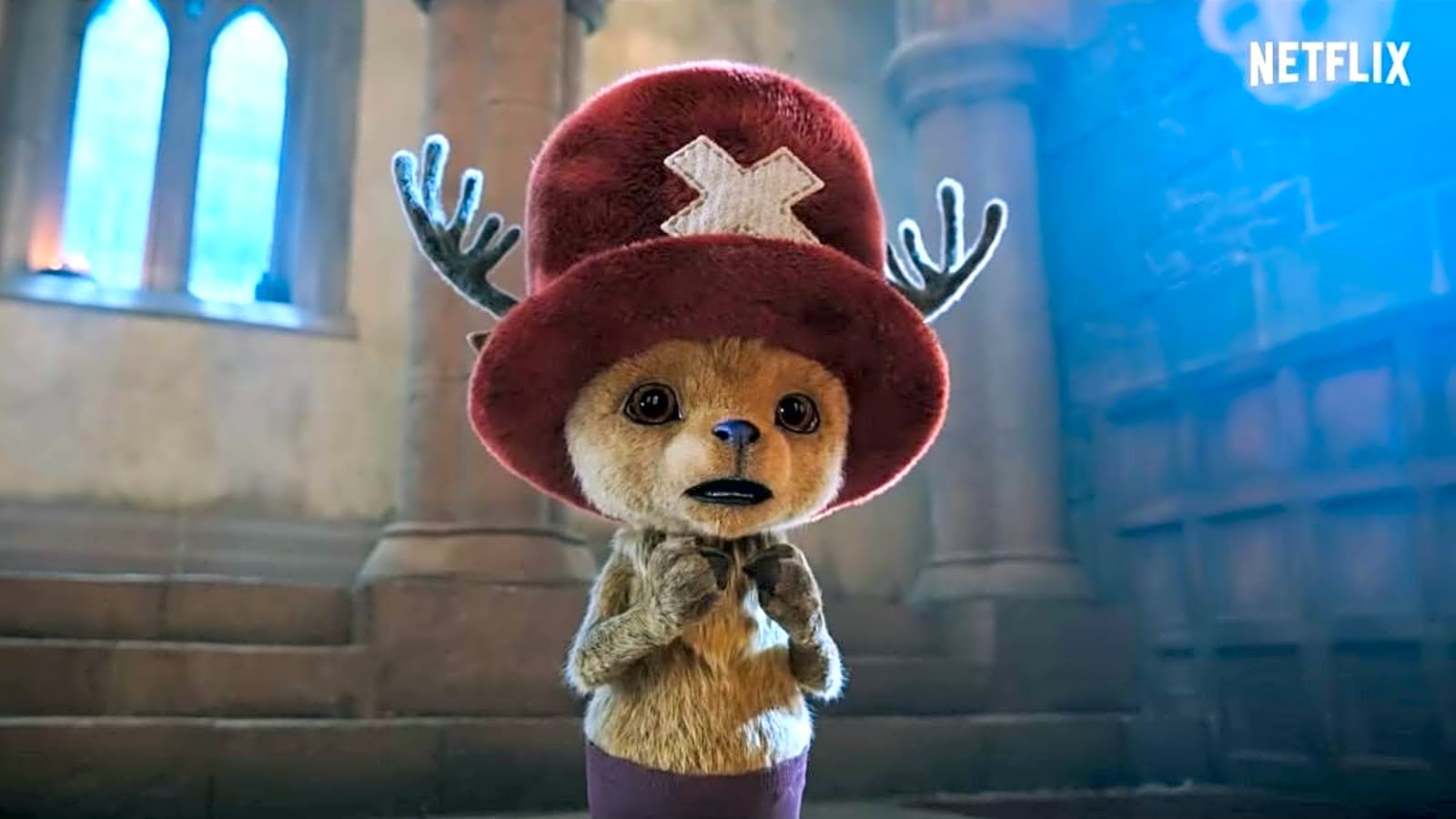
- Tony Tony Chopper and Usopp: Combine their unique medical knowledge, gadgetry, and cowardice-turned-bravery to defeat Mr. 4 and Miss Merry Christmas in a gritty street battle.
Common Misconceptions About the Alabasta Characters
When analyzing the cast of the Alabasta Arc, several recurring misconceptions often surface among readers and viewers. Addressing these points clarifies the narrative mechanics employed by Oda.
- Misconception: Pell’s survival of the nuclear-scale bomb blast at the end of the arc diminishes the emotional weight of his sacrifice.
- Correction: While debated by fans, Pell’s survival is explained within the lore by the incredible durability of his mythical Zoan Falcon fruit, combined with emergency medical treatment by Dr. Kureha off-screen. However, from a narrative perspective, his survival reflects a classic adventure trope where tragic deaths are occasionally subverted to ensure a celebratory conclusion for the kingdom.
- Misconception: Crocodile was too weak because he was defeated by a pre-Haki Luffy.
- Correction: Luffy did not defeat Crocodile through brute strength alone; he discovered a specific elemental counter (water and blood to bypass the Sand-Sand Fruit's intangibility) and capitalized on Crocodile's overconfidence and reliance on his Devil Fruit rather than physical combat conditioning.
- Misconception: Baroque Works members were purely loyal to Crocodile.
- Correction: Most agents were bound by fear, financial incentives, or the promise of status in Crocodile's ideal utopia (Utopia Operation). Very few, aside from Nico Robin (who had her own hidden agenda), shared a genuine ideological alignment with him.
Troubleshooting Lore and Timeline Inconsistencies
For enthusiasts diving deep into the chronology of Alabasta, specific timeline questions often arise regarding character movements and royal history.
- The Poneglyph Discovery: Nico Robin examines the Alabasta Poneglyph, which details the location of the Ancient Weapon Pluton. Readers frequently wonder why Crocodile did not gain immediate access to Pluton. The text reveals that the Poneglyph contains historical data, not the weapon itself, and Cobra correctly kept the true mechanism hidden.
- The Timing of the Rain: The artificial drought caused by Dance Powder hoarding in Aluba was designed to pin the blame entirely on King Cobra. Understanding this logistics chain requires recognizing that Baroque Works agents systematically intercepted royal shipments while framing the palace.
Conclusion and Next Actions
The characters of the Alabasta Arc represent a masterclass in ensemble writing, blending high-stakes politics, personal sacrifice, and memorable action sequences. To fully appreciate this segment of One Piece, readers should examine how character motivations directly influence the political choices made by both the Nefertari family and the rebel forces. For further exploration, analyze the subsequent narrative consequences of Vivi’s decision to stay behind while the Straw Hat Pirates set sail, and trace how the fallout from the Alabasta incident reshaped the global balance of power involving the Marines and the Warlords.