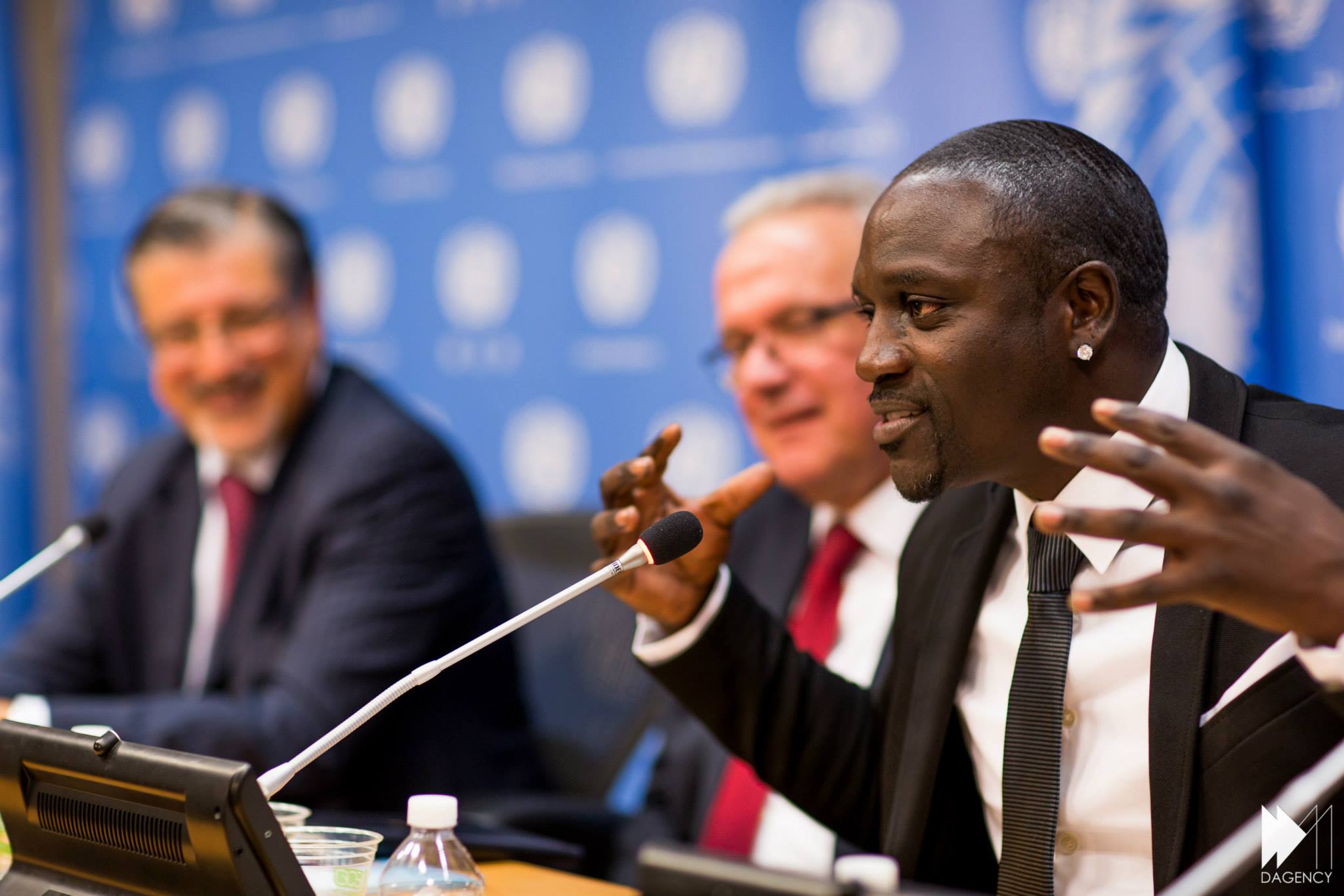
Akon Lighting Africa (ALA) is a landmark initiative launched in 2014 to address the massive energy deficit in sub-Saharan Africa, where an estimated 600 million people lack access to electricity. By utilizing a unique private-sector financing model and decentralized solar technology, the project has successfully installed solar street lights and domestic kits across dozens of African nations. As of 2026, the initiative continues to serve as a blueprint for scalable, renewable energy solutions in developing regions.
The Core Mission: Bridging the Energy Gap in Africa
To understand the significance of Akon Lighting Africa, one must first grasp the magnitude of the "600 million" figure. When the project was conceived, nearly two-thirds of the population in sub-Saharan Africa lived without reliable access to a power grid. This energy poverty created a cycle of economic stagnation, as productivity was limited to daylight hours, and health was compromised by the use of kerosene lamps and wood fires.
Akon, the Senegalese-American artist and philanthropist, recognized that waiting for traditional centralized power grids to expand into rural areas could take decades. The mission of ALA was not just to provide "light," but to provide the infrastructure necessary for economic development. The project focuses on decentralized solar solutions, which bypass the need for massive, expensive, and often unreliable national grids. By 2026, the philosophy of "energy as a human right" has moved from a bold claim to a tangible reality for millions of households that were previously left in the dark.
The scale of the problem required a solution that was both rapid and sustainable. In many African nations, the cost of extending a traditional power line to a remote village can exceed the economic output of that village for several years. Solar energy, conversely, offers a modular approach. A single street lamp or a single household kit provides immediate utility without the need for trenching, cabling, or transformer installations.
The Architects of the Initiative: Akon, Bathily, and Niang
Akon Lighting Africa is the result of a strategic partnership between three primary founders: Aliaune Thiam (Akon), Samba Bathily, and Thione Niang. Each brought a specific set of skills that allowed the project to navigate the complex political and economic landscape of the continent.
- Akon (Aliaune Thiam): Beyond his global fame as a musician, Akon provided the platform and the visionary leadership. His background growing up in Senegal without electricity gave him a personal connection to the cause, which helped in garnering international attention and trust from local governments.
- Samba Bathily: A Malian entrepreneur and CEO of Solektra International, Bathily provided the technical and financial expertise. His experience in international trade and his network within the energy sector were critical in securing the $1 billion credit line that initially funded the project's expansion.
- Thione Niang: An international consultant and activist, Niang focused on youth empowerment and social impact. He advocated for the project's educational component, ensuring that the installation of technology was paired with the training of local people.
This trio moved away from the "charity model" that often characterizes Western intervention in Africa. Instead, they treated electrification as a business opportunity that could create jobs and stimulate local economies. By 2026, this entrepreneurial approach has been credited with the project’s longevity, as it avoids the "donor fatigue" common in non-profit sectors.
Financial Structure: Why Private Credit Outperformed Traditional Aid
One of the most technically significant aspects of Akon Lighting Africa is its financing model. Rather than relying on sporadic donations or government grants, the project utilized a $1 billion line of credit backed by international banks and credit agencies, such as Coface (the French export credit agency).
This model allowed ALA to pre-finance projects for governments. In a typical scenario, a country might want to electrify 50 villages but lack the immediate liquid capital to do so. ALA provides the equipment and installation upfront, and the government repays the cost over several years. This structured repayment plan makes the project sustainable and allows for massive scaling.
The Credit-Line Advantage
- Speed of Implementation: By having the funds available through a credit line, Solektra (the technical partner) could ship and install equipment immediately upon reaching an agreement with a national government.
- Accountability: Because it is a commercial arrangement, there is a higher level of accountability for the quality of the hardware and the success of the installation.
- Scalability: The model is repeatable. As one country repays its credit, the funds can potentially be recycled into projects in other regions.
In the context of 2026, many economists point to this specific financial structure as the reason ALA was able to reach millions of people while other NGOs struggled with bureaucracy and funding cycles.
Technical Implementation: Solar Kits and Street Infrastructure
The technical backbone of the initiative consists of three primary tiers of solar technology, each designed to meet different levels of need within a community.
Solar Street Lamps
The most visible impact of ALA is the installation of thousands of solar-powered street lamps. These units are autonomous, meaning they do not require connection to a central grid. They use high-efficiency LED bulbs, which provide significant illumination with minimal power consumption. In many rural towns, these lamps have transformed the social fabric, allowing markets to stay open late and providing a safer environment for women and children at night.
Domestic Solar Kits
For individual households, ALA provides kits that typically include a small solar panel, a battery storage unit, and several LED light bulbs. Higher-end kits also include USB ports for charging mobile phones—a critical utility in a continent where mobile banking and communication are essential to daily life. Some advanced versions in 2026 even include solar-powered televisions and fans, significantly improving the standard of living.
Community Micro-grids
In larger villages, the project implements micro-grids. These are centralized solar arrays that distribute power to a cluster of homes and businesses. Micro-grids are more complex to manage but offer more stable and robust power than individual kits, making them suitable for small-scale industrial use, such as powering grain mills or refrigeration for clinics.
| Component | Target Audience | Primary Benefit | Maintenance Requirement |
|---|---|---|---|
| Solar Street Lights | Municipalities / Villages | Public safety and night commerce | Periodic battery check and panel cleaning |
| Household Solar Kits | Individual Families | Lighting and phone charging | User-level battery replacement every 3-5 years |
| Community Micro-grids | Small Businesses / Schools | Reliable, continuous power | Professional oversight and grid management |
| Solar Water Pumps | Farmers / Health Centers | Clean water access | Mechanical inspection of pump components |
The Solektra Solar Academy: Sustainable Local Expertise
A common failure in international development is the "dump and run" approach, where high-tech equipment is installed but becomes useless when it breaks because no one knows how to fix it. To prevent this, Akon and his partners launched the Solektra Solar Academy in Bamako, Mali.
The Academy was designed to train African engineers, technicians, and entrepreneurs in the field of renewable energy. The curriculum focuses on:
- Installation: Technical skills required to set up street lamps and micro-grids.
- Maintenance: Troubleshooting and repairing solar controllers, batteries, and inverters.
- Innovation: Encouraging local developers to create solar-powered tools specific to African agriculture and industry.
By 2026, the Academy has expanded its reach, with satellite training programs in several other African nations. This has created a "solar workforce" of thousands of young Africans. This technical depth ensures that the infrastructure remains operational long after the initial installation teams have moved on. Furthermore, it fosters a local economy centered around green energy, providing high-skilled jobs in regions where unemployment is often high.
Current Status and Achievements in 2026
As we look at the landscape of African electrification in 2026, Akon Lighting Africa stands as a mature entity that has transitioned from a celebrity-driven project to a staple of the continent’s infrastructure. The project has successfully expanded into over 25 countries, including Guinea, Senegal, Mali, Niger, Sierra Leone, and Benin.
While the "600 million" figure represented the total underserved population, ALA has directly impacted tens of millions of lives. The ripple effects are documented in various sectors:
- Education: Students in solar-lit villages spend an average of 3-4 more hours on their studies per night, leading to higher graduation rates.
- Health: Clinics equipped with solar power can now store vaccines in refrigerators and perform emergency procedures at night without relying on flashlights.
- Economy: Small-scale retail businesses have reported an increase in revenue of up to 30% due to extended operating hours.
However, the journey has not been without its hurdles. In 2026, the project continues to navigate the complexities of currency fluctuations, which can make the repayment of dollar-denominated credit lines difficult for some governments. Additionally, the rapid pace of technological change means that older installations require systematic upgrades to keep up with more efficient battery technologies, such as the shift from lead-acid to lithium-phosphate storage solutions.
Comparing Akon Lighting Africa with Global Alternatives
Akon Lighting Africa is often compared to the U.S. government’s "Power Africa" initiative. While both share the goal of increasing energy access, their methods differ significantly.
- Public vs. Private: Power Africa relies heavily on government partnerships and large-scale utility investments. ALA is driven by private entrepreneurs and utilizes credit lines to move faster than traditional government bureaucracies.
- Centralized vs. Decentralized: Many global initiatives focus on building large power plants and extending the national grid. ALA focuses almost exclusively on "off-grid" solutions, which are easier to deploy in mountainous or remote regions where the grid may never reach.
- Cultural Connection: Akon's status as a cultural icon in Africa provided a level of soft power and local trust that Western institutions often struggle to achieve. This allowed for smoother negotiations with local village chiefs and regional leaders.
The success of ALA has forced many international organizations to reconsider their strategies, emphasizing decentralized solar as the primary tool for rapid electrification in the developing world.
Frequently Asked Questions
Did Akon really provide electricity for 600 million people?
The figure "600 million" refers to the total number of people in sub-Saharan Africa who lacked electricity when the project began. Akon Lighting Africa aimed to solve this problem by creating a scalable model. While the project has reached millions of people across more than 25 countries, it has not single-handedly electrified all 600 million. Instead, it serves as a leading contributor to a collective continental effort.
Is the electricity provided by this project free?
No, the project is not a charity. It operates on a commercial and government-partnership model. For individual users, power is often provided through "pay-as-you-go" solar kits or through government-funded public infrastructure like street lighting. This commercial approach ensures that funds are available for the maintenance and expansion of the systems.
Which countries are currently involved in Akon Lighting Africa?
As of 2026, the project has active installations and agreements in over 25 African nations. Key participants include Senegal, Mali, Guinea, Benin, Sierra Leone, Niger, Congo, and Namibia. The project continues to expand into new territories as governments seek affordable renewable energy solutions.
How does the project handle maintenance of the solar panels?
Maintenance is handled through the Solektra Solar Academy graduates and local technicians. The project prioritizes training people within the communities where the panels are installed. This creates local jobs and ensures that there is always a technician nearby to clean panels, replace batteries, or fix wiring issues.
What is the relationship between Akon Lighting Africa and Akon City?
While both were founded by Akon, they are distinct projects. Akon Lighting Africa is an infrastructure initiative focused on providing solar energy across the entire continent. Akon City is a specific development project in Senegal aimed at creating a futuristic, "smart" city. Lighting Africa provides the technological and energy-access foundation that makes developments like Akon City possible.
Does the project use lithium batteries or lead-acid?
Early installations primarily used deep-cycle lead-acid batteries due to their lower initial cost. However, in projects completed closer to 2026, there has been a significant shift toward lithium-ion and lithium-iron-phosphate (LiFePO4) batteries, which offer longer life spans and better performance in the high-heat environments common across Africa.
Next Steps for Stakeholders and Observers
For those looking to support or replicate the success of Akon Lighting Africa, the next step is to focus on policy integration. Governments should work to reduce import duties on renewable energy components, and private investors should look toward the "Credit-Line" model as a viable alternative to traditional aid.
If you are a technician or student, exploring the curriculum of the Solektra Solar Academy or similar renewable energy vocational programs is essential. The demand for "green-collar" jobs in Africa is projected to grow exponentially through the end of the decade, making solar expertise one of the most valuable skill sets on the continent.