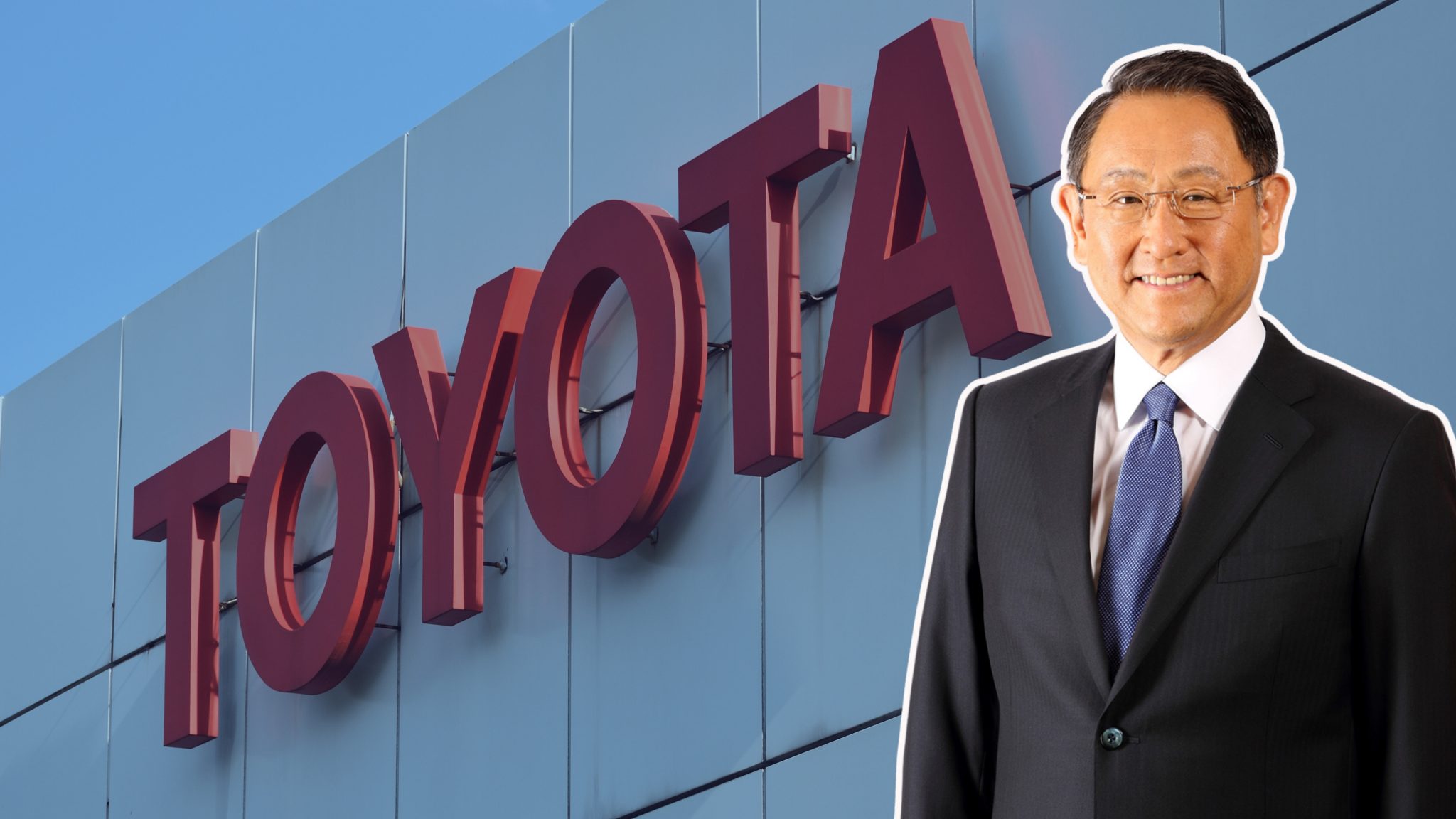
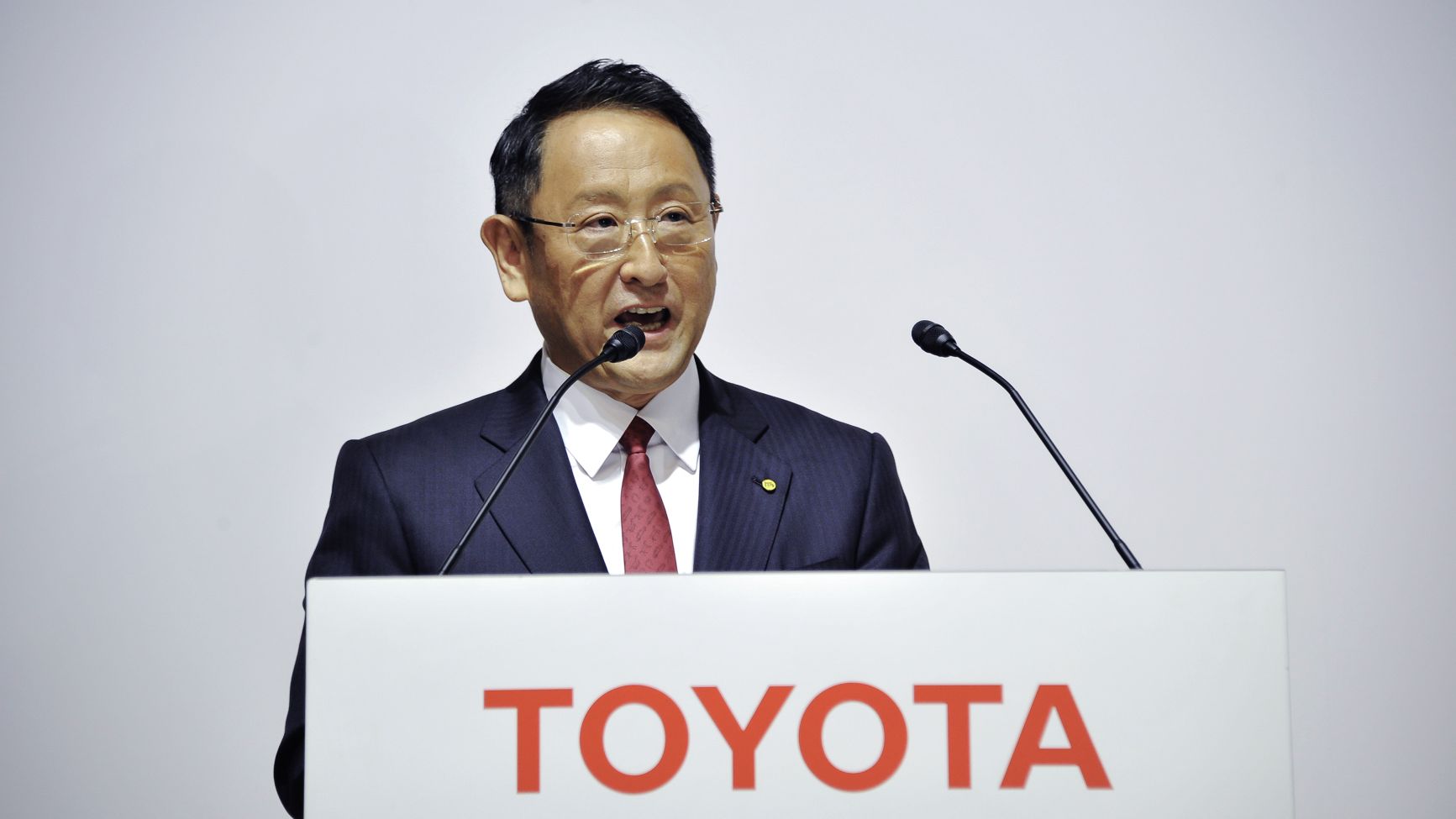
As of 2026, Akio Toyoda continues to lead Toyota’s strategic direction from his position as Chairman, championing a "multi-pathway" approach to carbon neutrality. While handing the operational reins of President and CEO to Koji Sato in 2023, Toyoda remains the architect of the company’s transformation into a mobility company, prioritizing a diverse portfolio of hybrids, battery electric vehicles (BEVs), and hydrogen technology to meet global energy demands.
The Transition: From Operational CEO to Visionary Chairman
The transition of Akio Toyoda from President to Chairman of the Board of Directors marked a pivotal moment in Toyota’s history. Having led the company since 2009—navigating it through the global financial crisis, the massive 2010 recalls, and the 2011 Great East Japan Earthquake—Toyoda’s shift in 2023 was not a retirement, but a strategic repositioning. By 2026, the fruits of this transition are evident in how the company balances legacy manufacturing excellence with rapid digital innovation.
In his role as Chairman, Toyoda has focused on the "Master Driver" philosophy, ensuring that even as the company moves toward automation and electrification, the "fun to drive" element remains central to the brand. This leadership structure allows Koji Sato to handle the day-to-day execution of the "Toyota Mobility Concept," while Toyoda manages long-term stakeholder relations, government lobbying for technology-neutral regulations, and the preservation of the "Toyota Way."
The 2026 landscape shows that this dual-leadership model has provided Toyota with a unique advantage: the stability of a seasoned veteran combined with the agility of a new executive team focused on software-defined vehicles (SDVs). Toyoda’s influence is most visible in the company’s refusal to follow a "one-size-fits-all" electric vehicle mandate, a stance that has become increasingly vindicated as global markets face infrastructure bottlenecks for pure BEVs.
Defining the "Multi-Pathway" Approach to Carbon Neutrality
Under Akio Toyoda’s guidance, Toyota has maintained a steadfast commitment to the "Multi-Pathway" strategy. This philosophy argues that because different regions have different energy infrastructures, economic levels, and customer needs, the path to zero emissions cannot be restricted to battery-powered cars alone.
In 2026, this strategy is categorized into four primary pillars:
- Hybrid Electric Vehicles (HEVs): The bedrock of Toyota’s current profitability and immediate carbon reduction.
- Plug-in Hybrid Electric Vehicles (PHEVs): Positioned as the "practical EV" for consumers with limited charging access.
- Battery Electric Vehicles (BEVs): A rapidly expanding segment with a focus on high-efficiency, dedicated platforms.
- Fuel Cell Electric Vehicles (FCEVs) and Hydrogen Combustion: Specialized solutions for heavy-duty transport and high-performance applications.
This approach is rooted in the "Carbon is the Enemy" mantra popularized by Toyoda. By diversifying the technology, Toyota mitigates the risks associated with raw material shortages—such as lithium and cobalt—and ensures that the company remains viable in markets like Southeast Asia and Africa, where full electrification remains decades away.
The Solid-State Battery Breakthrough and BEV Evolution
While critics once labeled Toyota as a "laggard" in the EV space, the 2026 status of their battery development tells a different story. Akio Toyoda’s insistence on "internalizing" key technologies led to massive investments in solid-state battery research.
As of 2026, Toyota is in the final stages of preparing for the mass production of solid-state batteries, targeted for a 2027-2028 commercial launch. These batteries are expected to offer a range of over 1,000 kilometers and a charging time of less than 10 minutes. By focusing on the "next generation" of battery technology rather than rushing into the current generation of liquid-electrolyte lithium-ion cells, Toyoda has positioned Toyota to potentially leapfrog competitors in terms of safety, energy density, and charging convenience.
Furthermore, the introduction of the "Arene" operating system has allowed Toyota’s BEVs to become truly software-defined. This means that features, safety protocols, and battery management can be updated over-the-air (OTA), much like a smartphone. Toyoda’s leadership ensured that this digital shift did not come at the cost of "Monozukuri" (the art of making things), blending high-tech software with the legendary reliability of the Toyota Production System.
Hydrogen: The Frontier of Heavy Transport and High Performance
A significant part of Akio Toyoda’s "New Era" involves the promotion of hydrogen. While many passenger car manufacturers have abandoned hydrogen, Toyota continues to refine the Mirai and expand hydrogen technology into the commercial sector.
In 2026, Toyota’s hydrogen strategy is focusing on three main areas:
- Heavy-Duty Trucking: Partnering with logistics companies to replace diesel engines with fuel cell stacks, which offer weight and refueling advantages over heavy battery packs.
- Hydrogen Combustion Engines: Using Toyoda’s "Morizo" racing persona to test hydrogen-burning internal combustion engines in endurance races. This technology preserves the sound and feel of traditional engines while emitting almost zero CO2.
- Stationary Power: Using fuel cell modules to provide clean backup power for data centers and hospitals.
Toyoda’s advocacy for hydrogen is part of a larger vision of a "Hydrogen Society," where the gas is used as a versatile energy carrier, particularly in Japan and Europe, to decouple energy consumption from fossil fuel reliance.
Woven City: Transforming into a Mobility Company
Perhaps the most ambitious project under Toyoda’s chairmanship is Woven City. Located at the base of Mt. Fuji, this "living laboratory" began its first phase of residency in 2025 and is fully operational as a testing ground in 2026.
Woven City is designed to test autonomous driving, robotics, personal mobility, and smart homes in a real-world environment. It represents the ultimate realization of Toyoda’s goal to move Toyota beyond manufacturing cars. In this city, the "Toyota Mobility Concept" is put into practice, using the "Arene" OS to connect people, vehicles, and infrastructure.
The project serves as a rebuttal to the idea that car companies are being replaced by tech giants. By building its own city, Toyota is collecting proprietary data on urban movement, energy usage, and human-machine interaction that no other automaker possesses. Toyoda has often described Woven City as his legacy project—a place where the "New Era" isn't just discussed, but lived.
Comparison of Toyota’s Powertrain Pathways (2026 Status)
| Technology | Primary Use Case (2026) | Key Advantage | Current Strategic Role |
|---|---|---|---|
| Hybrid (HEV) | Mass market, global reach | No charging required; high fuel efficiency | Revenue engine; immediate CO2 reduction |
| Plug-in Hybrid (PHEV) | Commuters with home charging | 100km+ EV range; gasoline backup | Transition technology for "range anxiety" |
| Battery Electric (BEV) | Urban environments; high-tech users | Zero tailpipe emissions; low maintenance | Growth segment; focus on solid-state R&D |
| Fuel Cell (FCEV) | Long-haul freight; buses | Rapid refueling; high payload capacity | Decarbonizing heavy industry and logistics |
| H2 Combustion | Motorsports; enthusiast cars | Preserves engine "soul"; near-zero CO2 | Technology demonstration; niche performance |
The "Morizo" Influence: Brand Identity and "Fun to Drive"
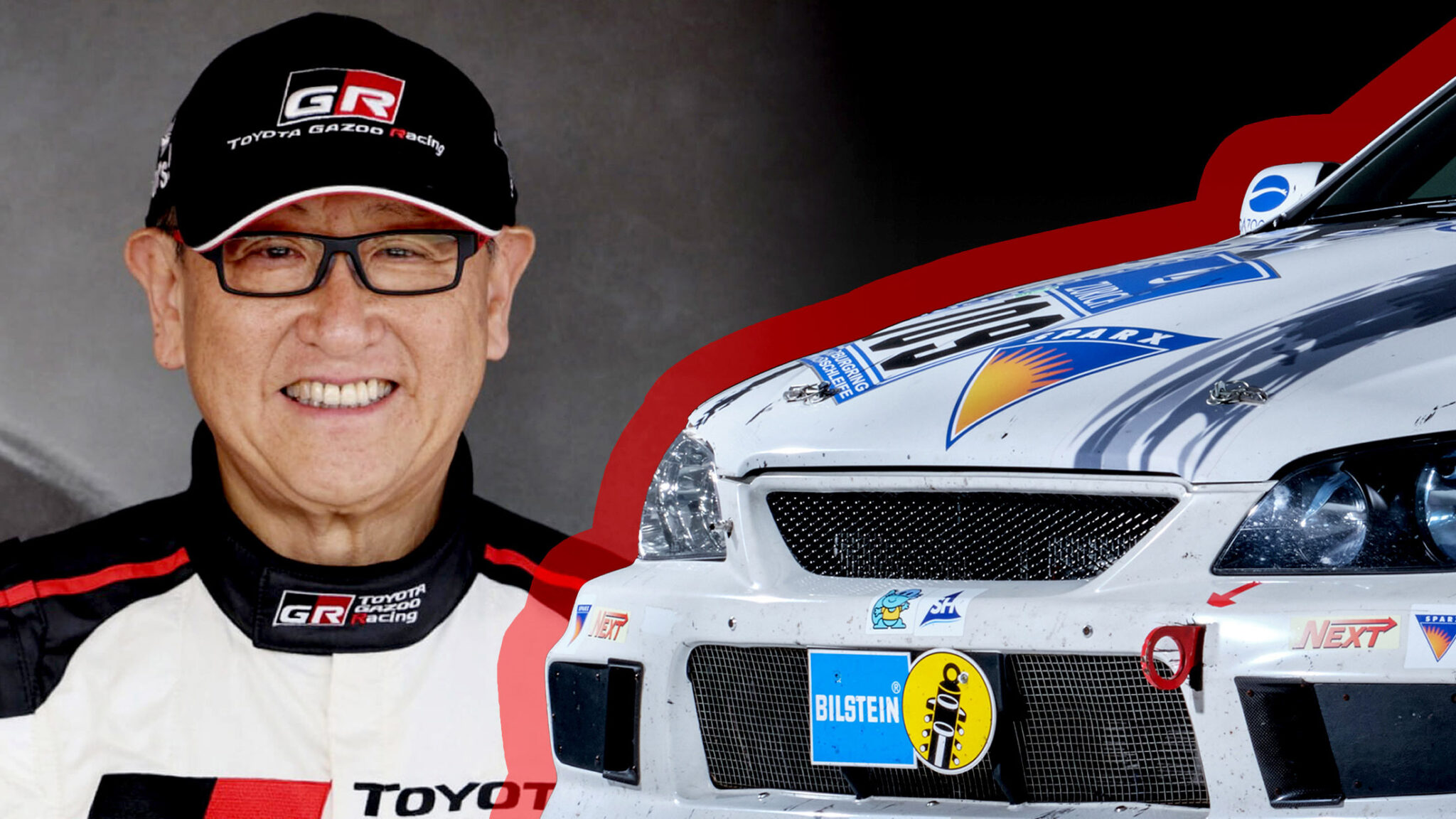
One cannot discuss Akio Toyoda’s leadership without mentioning his alter ego, Morizo. As a master driver, Toyoda has personally test-driven and approved every major Toyota and Lexus model released in the last decade. This hands-on approach saved Toyota from its reputation for building "boring" cars.
In the 2026 era, the GR (Gazoo Racing) brand has become a significant halo for the company. By participating in the World Rally Championship (WRC) and Le Mans, Toyota has refined its hybrid and drivetrain technologies under extreme conditions. Toyoda believes that "the road makes the car," and his insistence on testing vehicles on the Nürburgring and other circuits has directly influenced the handling and performance of even standard models like the Camry and RAV4.
This focus on performance serves a dual purpose. It attracts younger buyers who might otherwise view Toyota as a "utility" brand, and it ensures that as cars become more autonomous, the human connection to driving is not entirely lost.
Overcoming Global Challenges and Criticisms
Despite the successes, Toyoda’s "New Era" faces significant headwinds in 2026. The company has had to navigate intense pressure from environmental groups and certain shareholders who argue the multi-pathway approach is too slow.
Toyota’s response, led by Toyoda’s public statements, has been one of data-driven pragmatism. The company points to the "1:6:90 rule," which suggests that the raw materials used for one BEV could instead power six PHEVs or 90 HEVs, resulting in a much larger overall reduction in CO2 across a fleet.
Furthermore, supply chain resilience remains a priority. Under Toyoda’s guidance, Toyota has moved to secure long-term contracts for battery minerals and has invested in recycling programs to create a "circular economy" for EV batteries. This proactive management has helped Toyota avoid the production halts that plagued other manufacturers during the volatile periods of the mid-2020s.
FAQ: Understanding Akio Toyoda’s Current Role and Strategy
Is Akio Toyoda still in charge of Toyota in 2026?
Yes, but in a different capacity. He is the Chairman of the Board of Directors. While Koji Sato (President and CEO) handles the daily operations and execution of corporate strategy, Toyoda focuses on long-term vision, high-level government relations, and the company’s overall philosophical direction. He remains a highly influential figure in all major strategic decisions.
Why did Toyota resist going "all-electric"?
Akio Toyoda’s "multi-pathway" strategy is based on the belief that "the enemy is carbon, not the internal combustion engine." Toyota argues that since many parts of the world lack stable green electricity or charging infrastructure, providing a variety of low-emission options (like hybrids and hydrogen) is more effective at reducing total global CO2 than selling only BEVs in a few wealthy markets.
What is the "Toyota Mobility Concept"?
This is the roadmap for Toyota’s transition from a car manufacturer to a mobility provider. It involves three pillars: Mobility 1.0 (improving the value of the car), Mobility 2.0 (expanding mobility into new realms like flying cars or delivery robots), and Mobility 3.0 (integrating mobility with social systems like energy grids and smart cities).
When will Toyota’s solid-state batteries be available?
According to Toyota’s current roadmap, mass production is slated to begin between 2027 and 2028. By 2026, the company is already running pilot production lines and integrating early versions of these batteries into prototype vehicles for testing. These batteries promise significant improvements in range and charging speed.
How does "Woven City" fit into Akio Toyoda's vision?
Woven City is the physical manifestation of the "New Era." It is a controlled environment where Toyota can test software, AI, and robotics without the constraints of existing urban infrastructure. It serves as a laboratory to prove that Toyota can manage not just vehicles, but the entire ecosystem of human movement.
Practical Recommendation for Stakeholders
For investors, consumers, and industry analysts, understanding Akio Toyoda’s 2026 strategy requires looking past the "EV vs. ICE" binary. The most effective way to engage with Toyota in this new era is to monitor their battery technology milestones and software integration (Arene OS) progress.
If you are a consumer, 2026 is an ideal time to evaluate Toyota’s Plug-in Hybrids (PHEVs), which currently offer the best balance of the company's electric expertise and traditional reliability. For those interested in the future of the brand, following the developments of the GR (Gazoo Racing) division provides the best insight into how Toyota intends to keep driving dynamics alive in an electrified world.
Ultimately, Akio Toyoda has positioned the company to be a "mass producer of happiness," a goal he achieves by ensuring that no matter what the local energy constraints are, there is a Toyota vehicle that can serve the customer’s needs.