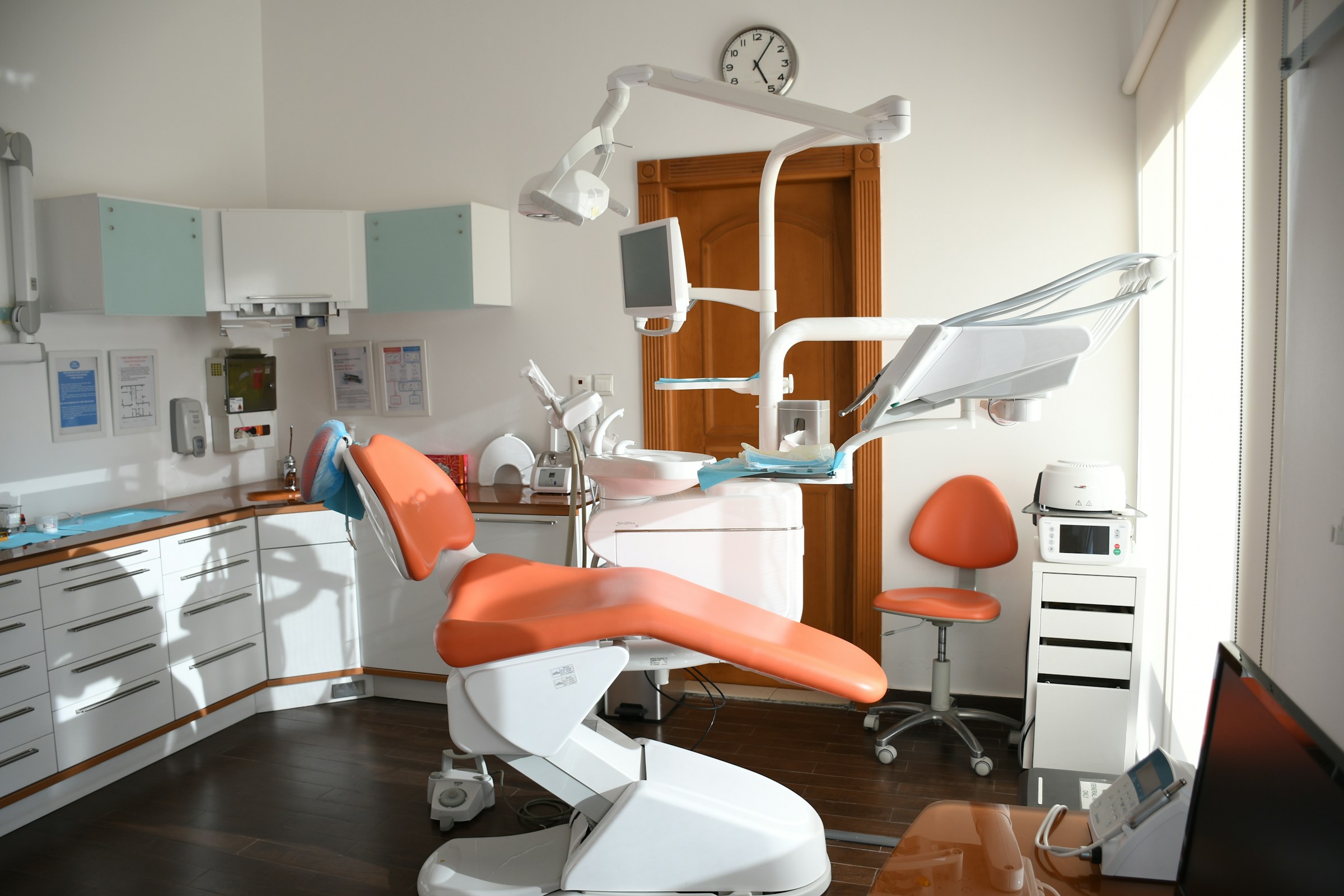
Airport dental care for travelers provides essential medical interventions for passengers experiencing acute oral pain, structural damage to teeth, or prosthetic failures during transit. While full-service dental clinics are located within several major international hubs like Chicago O'Hare, São Paulo–Guarulhos, and Zurich, most airports offer dental assistance through general medical centers or localized referral networks. Accessing these services typically requires navigating to the "landside" area of the terminal, where clinicians provide stabilizing treatments such as temporary fillings, abscess drainage, and pain management to ensure travelers can safely complete their journeys.
Travel is often associated with physical stress, changes in atmospheric pressure, and disruptions to routine hygiene, all of which can exacerbate underlying oral health issues. As of 2026, the integration of specialized dental services within airport "wellness zones" has become a strategic priority for global transit hubs seeking to improve the passenger experience. Understanding the availability, limitations, and logistical requirements of airport dental care is critical for frequent flyers and international tourists alike.
The Reality of Dental Services in Global Aviation Hubs
Finding a dentist within an airport terminal is a convenience that varies significantly by region and airport size. Unlike pharmacies or general practitioners, which are increasingly common in large terminals, dedicated dental operatories require specialized equipment and sterilization protocols that are costly to maintain in high-rent airport environments. Consequently, dental care in the aviation sector is divided into three primary categories.
On-Site Specialized Dental Clinics
A select group of "mega-hubs" hosts fully equipped dental offices. These facilities function similarly to private practices but emphasize efficiency and emergency stabilization. For instance, the dental clinic at Chicago O’Hare (ORD) has long served both the thousands of airport employees and passengers in transit. Similarly, the Inha University Hospital Airport Medical Center at Seoul-Incheon (ICN) offers sophisticated dental interventions. These clinics are generally located "landside"—before security—to allow access to the general public and airport staff without requiring a boarding pass, though some newer developments in the Middle East and Asia are exploring "airside" emergency kiosks.
Integrated Medical Centers
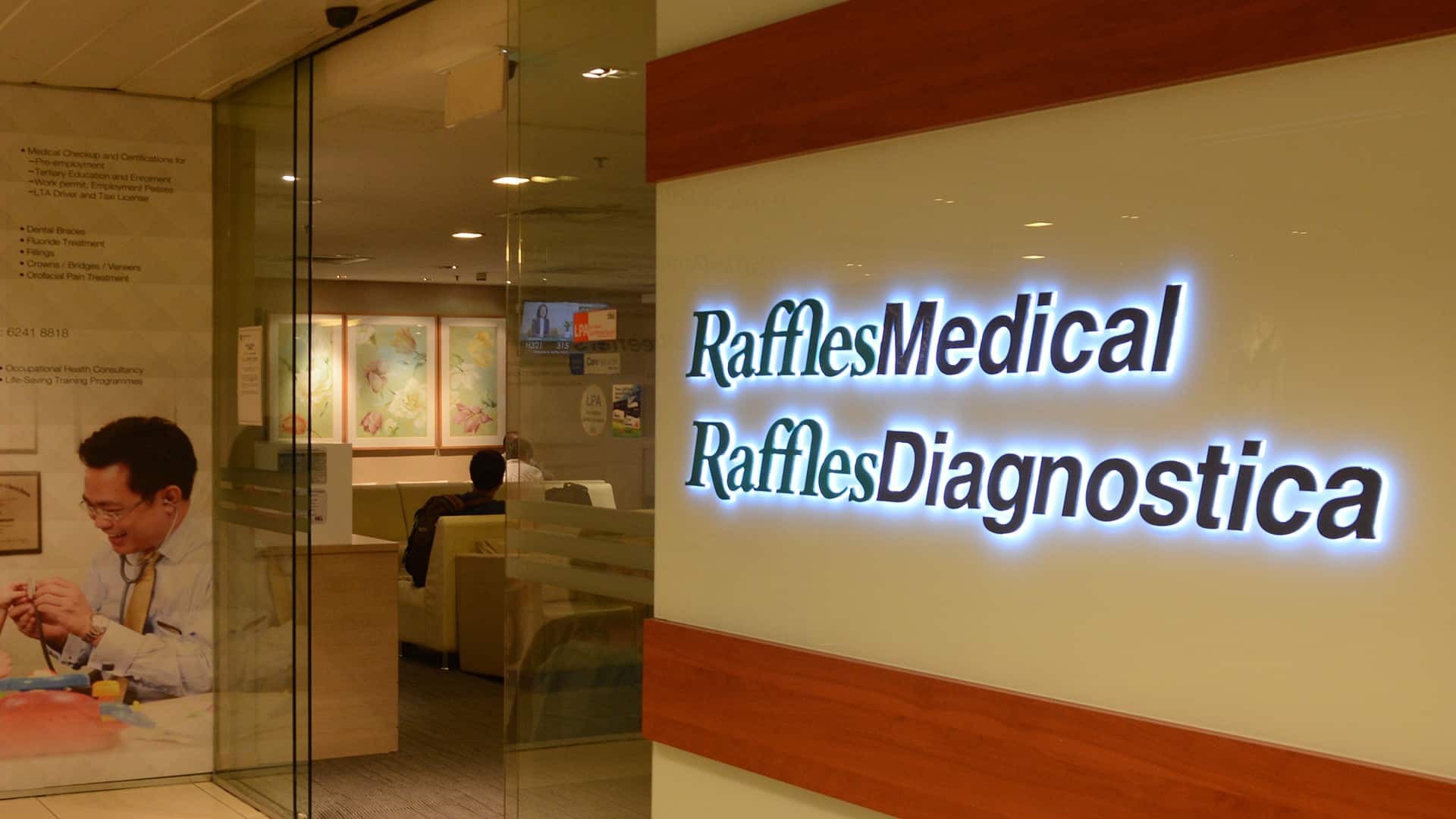
The most common way travelers receive dental care is through a general airport medical clinic. Facilities at hubs like Amsterdam Schiphol (AMS) or London Heathrow (LHR) are staffed by physicians and nurses who can provide "first-aid" for dental issues. While they may not perform root canals or crown placements, they can prescribe high-strength analgesics, administer local anesthetics, or provide antibiotics for visible infections. These centers serve as a triage point, stabilizing the patient before referring them to an off-site dental partner located just minutes from the airport perimeter.
Referral Networks and Concierge Services
In airports without any medical footprint, the burden of care falls on airport information desks or airline concierge services. Many premium airlines maintain lists of 24-hour emergency dentists in the vicinity of their hub airports for their business and first-class passengers. In 2026, many travelers also rely on digital health platforms that geolocate the nearest dental professional willing to accept "walk-in" emergency appointments for transit passengers.
Why Travelers Seek Urgent Dental Care
The need for a dentist at 30,000 feet is rarely a matter of routine cleaning. The unique environment of air travel can turn a dormant dental issue into an agonizing emergency.
Barodontalgia: The "Tooth Squeeze"
The most frequent cause of dental distress during flight is barodontalgia, commonly known as "tooth squeeze." This condition occurs due to changes in ambient pressure during ascent and descent. If a traveler has a small pocket of air trapped beneath a failing filling, a crown, or within a tooth affected by decay or a cyst, that air will expand or contract according to Boyle’s Law. As the cabin pressure drops during ascent, the trapped gas expands, putting intense pressure on the dental nerve. Conversely, during descent, the pressure can cause a vacuum effect. Airport dental clinics are uniquely experienced in diagnosing this specific barotrauma and replacing the faulty restoration that allowed air ingress.
Lost or Broken Restorations
The "traveler’s diet"—which often includes chewy terminal snacks, hard airplane meals, or ice-chilled beverages—is a frequent culprit behind dislodged crowns and broken veneers. When a restoration falls out, the underlying dentin is exposed to air and temperature changes, causing sharp pain. Airport dentists focus on "temporary recementation," using high-strength temporary adhesives that allow the traveler to continue to their destination without the risk of further tooth fracture or extreme sensitivity.
Acute Infections and Abscesses
The stress of travel can suppress the immune system, allowing a minor gum infection or a dormant apical abscess to flare up. A traveler landing with a swollen jaw or a fever requires immediate intervention. Airport medical services prioritize "incision and drainage" and the commencement of antibiotic therapy to prevent the infection from spreading to the bloodstream (sepsis) or causing airway obstruction during a subsequent long-haul flight.
Logistical Considerations: Access and Security
Navigating an airport for medical care requires a clear understanding of terminal geography. If you are in the middle of a layover and experience a dental emergency, you must account for the following logistical hurdles:
- Exiting the Secure Area: Most dental clinics are located in the public-access areas of the terminal (near check-in or airport malls). To reach them, you must clear immigration and customs (if arriving internationally) and "exit" the secure zone.
- Re-Entry Requirements: Once your dental issue is addressed, you will need to pass through security screening again to reach your gate. This requires a valid boarding pass and, in some jurisdictions, a valid visa for the country the airport is located in.
- Time Buffers: A "quick" dental fix at an airport usually requires a minimum of two to three hours, accounting for transit to the clinic, the procedure, and re-clearing security.
- Documentation: Ensure you receive a "Fit to Fly" certificate or a summary of treatment from the airport dentist. Some airlines may technically refuse boarding to a passenger who appears visibly distressed or has significant facial swelling unless a medical professional has cleared them for flight.
Comparing Global Airport Dental Access
The following table highlights key airports known for providing either on-site dental services or robust medical centers capable of handling dental emergencies as of 2026.
| Airport (Code) | Facility Name | Location | Primary Service Level |
|---|---|---|---|
| Chicago O'Hare (ORD) | O’Hare Dental Group | Terminal 2, Upper Level | Full-service dental clinic |
| São Paulo (GRU) | Fast Dental | Terminal 3 | Emergency & Aesthetic |
| Zurich (ZRH) | Airport Medical Center | Prime Center 1 | Integrated medical/dental |
| Seoul Incheon (ICN) | Inha University Medical | Terminal 1 & 2 | Comprehensive emergency |
| Frankfurt (FRA) | Medical Center | Terminal 1, Area FAC | Emergency stabilization |
| Dubai (DXB) | Airport Medical Center | Multiple Terminals | 24/7 Emergency triage |
| Amsterdam (AMS) | Airport Medical Services | Departure Hall 2 | Referral & pain management |
Costs and Insurance Coverage for Airport Dentistry
Travelers should be prepared for higher-than-average costs when seeking dental care within an airport. The "convenience premium" is driven by the high operational costs of maintaining a clinic in a transit hub.
Pricing Structures
A simple emergency consultation and temporary filling at an airport clinic can range from $200 to $500 USD, depending on the location. Procedures performed after-hours or on weekends often incur additional "emergency call-out" fees. It is standard practice for these clinics to require payment upfront via credit card or digital payment, as they do not have the infrastructure to bill international insurance providers directly.
Insurance Reimbursement
Most standard dental PPO or HMO plans treat airport clinics as "out-of-network" providers. Furthermore, traditional dental insurance may not cover "emergency stabilization" if it isn't a permanent fix. Travelers are advised to rely on Travel Medical Insurance. Most comprehensive travel policies include a specific "Emergency Dental" benefit, often capped between $500 and $1,000. This benefit is specifically designed to cover "the relief of pain" during a trip.
To ensure a successful claim:
- Keep the itemized receipt showing the specific ADA (American Dental Association) or international equivalent procedure codes.
- Request a brief note from the dentist stating that the treatment was "emergency in nature" and necessary to continue travel.
- Take a photo of the affected tooth or the dislodged crown as evidence for the claims adjuster.
Preventive Measures for Frequent Travelers
The best way to handle airport dental care is to avoid the need for it. Experienced travelers follow a "pre-flight dental protocol" to minimize the risk of barodontalgia or structural failure.
- The Two-Week Rule: Never have major dental work (root canals, crowns, or extractions) performed within 14 days of a long-haul flight. This period allows for the resolution of inflammation and ensures that any air pockets trapped during the procedure have been absorbed or sealed.
- The Tap Test: Before a trip, if a tooth feels "sensitive" when you tap it with a fingernail or a spoon, it likely has an underlying infection or inflammation that will be exacerbated by cabin pressure changes. Consult a dentist before leaving.
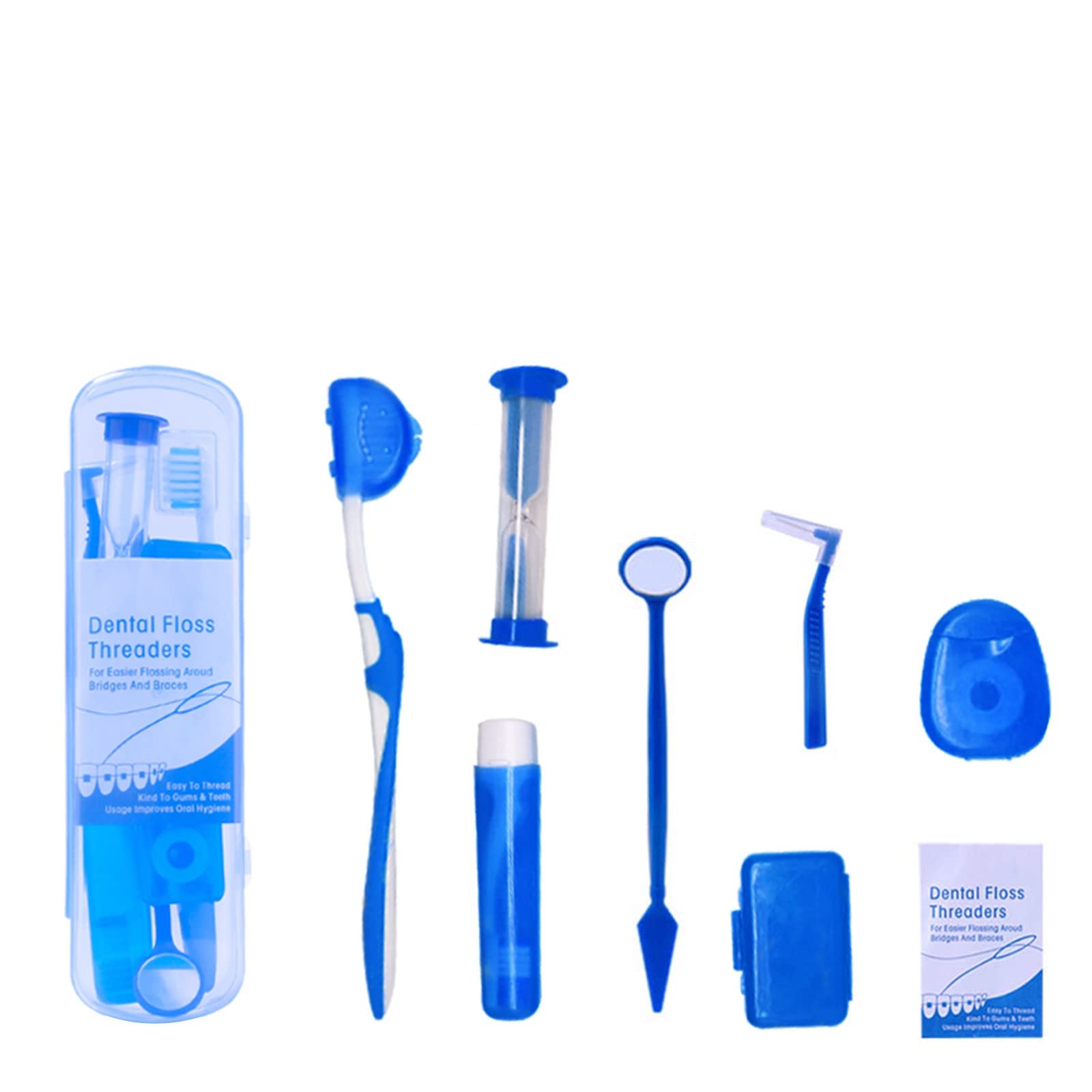
- Travel Dental Kit: Carry a small tube of temporary filling material (available at most pharmacies) and a small vial of clove oil (eugenol). While these won't fix a cavity, they can seal a lost filling and numb a nerve long enough to reach your destination, potentially saving you a $400 airport clinic fee.
Frequently Asked Questions
Can I get a routine cleaning during a layover?
While a few high-end hubs like Incheon or Dubai offer wellness services that include cleanings, most airport dental facilities prioritize emergency cases. Unless you have a very long layover (6+ hours) and have booked an appointment in advance, these clinics prefer to keep their chairs open for passengers in acute pain.
What happens if I have a dental emergency mid-flight?
Flight attendants are trained in basic first aid but are not equipped for dental procedures. They can provide ice packs and over-the-counter pain relievers (if permitted by airline policy). In extreme cases, the "MedLink" or equivalent ground-based medical consultation service used by pilots can provide guidance on whether an emergency landing is necessary, though this is extremely rare for dental issues.
Are airport dental clinics open 24/7?
Most on-site dental clinics follow "extended business hours" (e.g., 7:00 AM to 9:00 PM). However, the general airport medical centers are almost always open 24/7 and can provide pain management and antibiotics during the hours the dentist is unavailable.
Will travel insurance cover a broken crown?
Yes, most travel insurance policies cover the "temporary repair" of a broken tooth or the recementing of a crown if it occurs during the trip and causes pain or prevents the traveler from eating. It will not cover a permanent replacement or cosmetic upgrades.
Do I need a visa to visit an airport dentist?
If the dental clinic is located landside and you are an international transit passenger, you will generally need to clear immigration to reach the clinic. This may require a transit visa or entry permit depending on the country. Always check local regulations before exiting the secure zone.
Practical Recommendations
If you find yourself in need of dental care at an airport, your first action should be to visit the nearest airport information desk or medical station. Do not wait for your symptoms to worsen during the next leg of your flight; the pressure changes in the cabin can turn a dull ache into a debilitating crisis. If you are flying with a major carrier, ask if they have a "preferred provider" nearby, as they may be able to facilitate a faster appointment or provide transportation to a local clinic. Finally, always prioritize "stabilization over perfection"—the goal of airport dentistry is to get you safely to your destination where your primary dentist can perform a permanent, long-term repair.