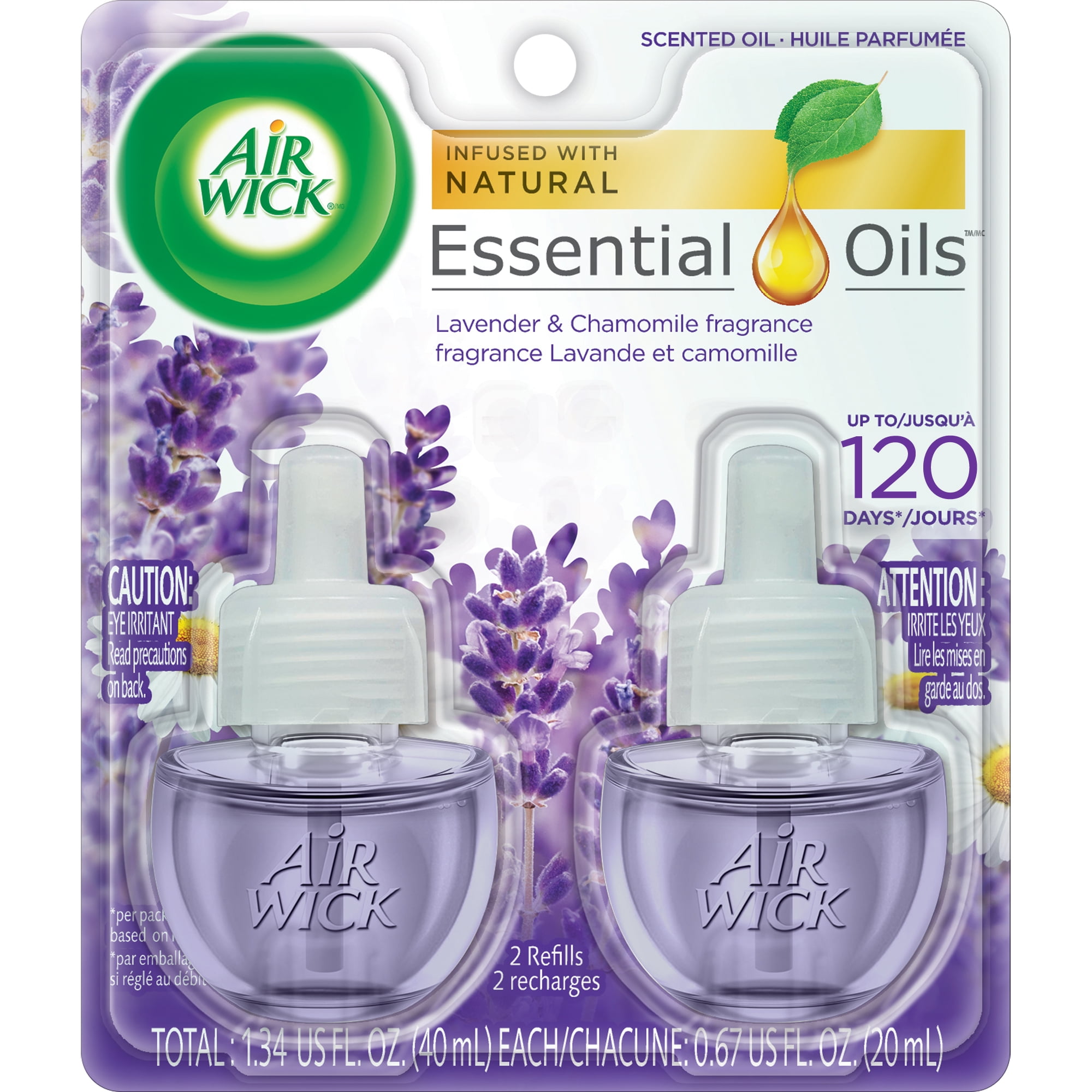
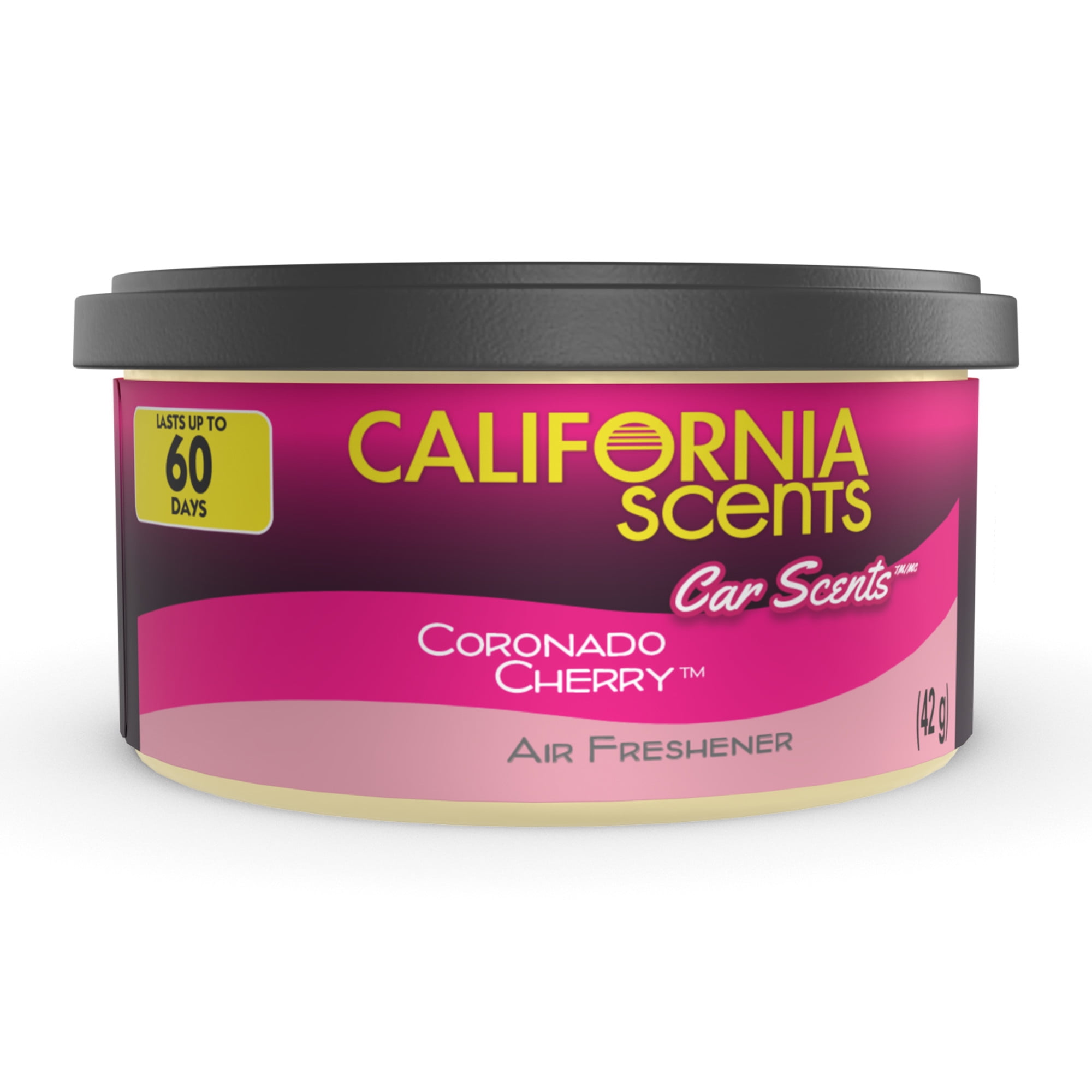
Air scents and air fresheners encompass a wide variety of chemical and natural products designed to mask, neutralize, or eliminate unpleasant odors while introducing pleasant fragrances into indoor spaces. Selecting the right air freshener requires understanding how different delivery mechanisms work, evaluating their chemical composition, and weighing their impacts on indoor air quality and personal health.
Understanding Air Scents and Air Fresheners
Air fresheners are consumer products used in homes, offices, vehicles, and commercial establishments to manage indoor scent profiles. They do not typically clean the air or remove particulate matter; instead, they interact with our olfactory senses by releasing aromatic compounds into the environment. The history of indoor scenting dates back millennia, moving from ancient burned resins, incense, and herbal pomanders to modern aerosol propellants, complex synthetic fragrance oils, and volatile organic compound (VOC) diffusers.
At its core, the industry categorizes air management products into three functional mechanisms:
- Masking Agents: Products that use a stronger, more dominant fragrance to cover up an existing unwanted odor.
- Neutralizers and Eliminators: Formulations containing specific active ingredients—such as cyclodextrin—that chemically bind to odor-causing molecules, trapping them and rendering them odorless.
- Diffusion Systems: Devices designed to distribute fragrance continuously or intermittently over an extended period.
Modern consumers face an overwhelming array of choices on retail shelves. To navigate this market effectively, one must look past marketing claims and examine the underlying technology, chemical makeup, and safety profiles of each product type.
Categories of Air Fresheners and Delivery Systems
Different indoor environments and user preferences demand distinct delivery methods. The table below compares the primary categories of air scents and fresheners based on their mechanics, longevity, and ideal use cases.
| Category | Primary Mechanism | Typical Longevity | Best Used For | Key Considerations |
|---|---|---|---|---|
| Aerosol Sprays | Pressurized gas propellants and fine liquid mist | Immediate, short-lived (hours) | Quick spot-treatment of transient odors | May contain high levels of VOCs; propellant disposal concerns. |
| Plug-In Diffusers | Heat-activated evaporation of liquid oil reservoirs | 30 to 60 days | Continuous background scent in medium-to-large rooms | Requires a continuous electrical outlet; electrical safety considerations. |
| Gel and Solid Beads | Slow evaporation of fragrance from a polymer or gel matrix | 30 to 45 days | Small spaces, closets, bathrooms, and vehicles | Vulnerable to drying out and melting in high heat. |
| Reed Diffusers | Capillary action drawing oil up porous wooden sticks | 2 to 3 months | Living rooms, offices, and passive continuous scenting | Requires periodic flipping of reeds; spill hazard if knocked over. |
| Nebulizing Diffusers | Cold-air atomization of pure essential oils without water | Variable (adjustable timers) | Large open-plan areas and aromatherapy applications | Higher upfront equipment cost; requires frequent oil bottle replacements. |
Aerosol Sprays and Pressurized Canisters
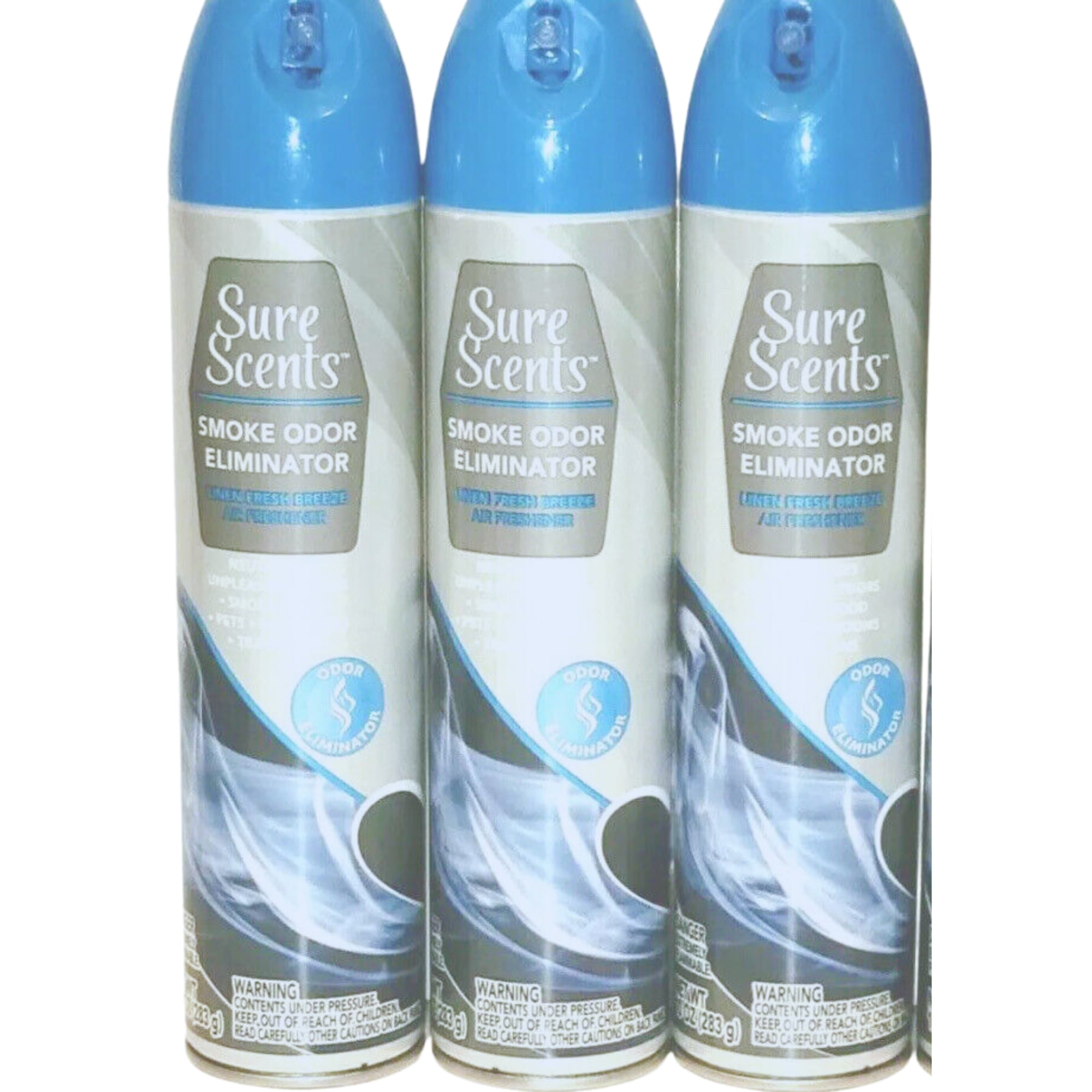
Aerosol sprays remain among the most popular and traditional forms of air fresheners. They rely on liquefied or compressed gas propellants—historically chlorofluorocarbons (CFCs), now largely replaced by hydrocarbons like propane, butane, and isobutane, or compressed nitrogen and air—to force liquid fragrance droplets into the air.
The primary advantage of aerosols is immediate efficacy. When a sudden or strong odor occurs, a short burst rapidly disperses a fine mist that settles quickly or remains suspended long enough to interact with ambient air molecules. However, their primary limitation is brevity; once the dispersed droplets fall or dissipate, the odor may return unless the root cause is addressed.
Plug-In Electric Diffusers
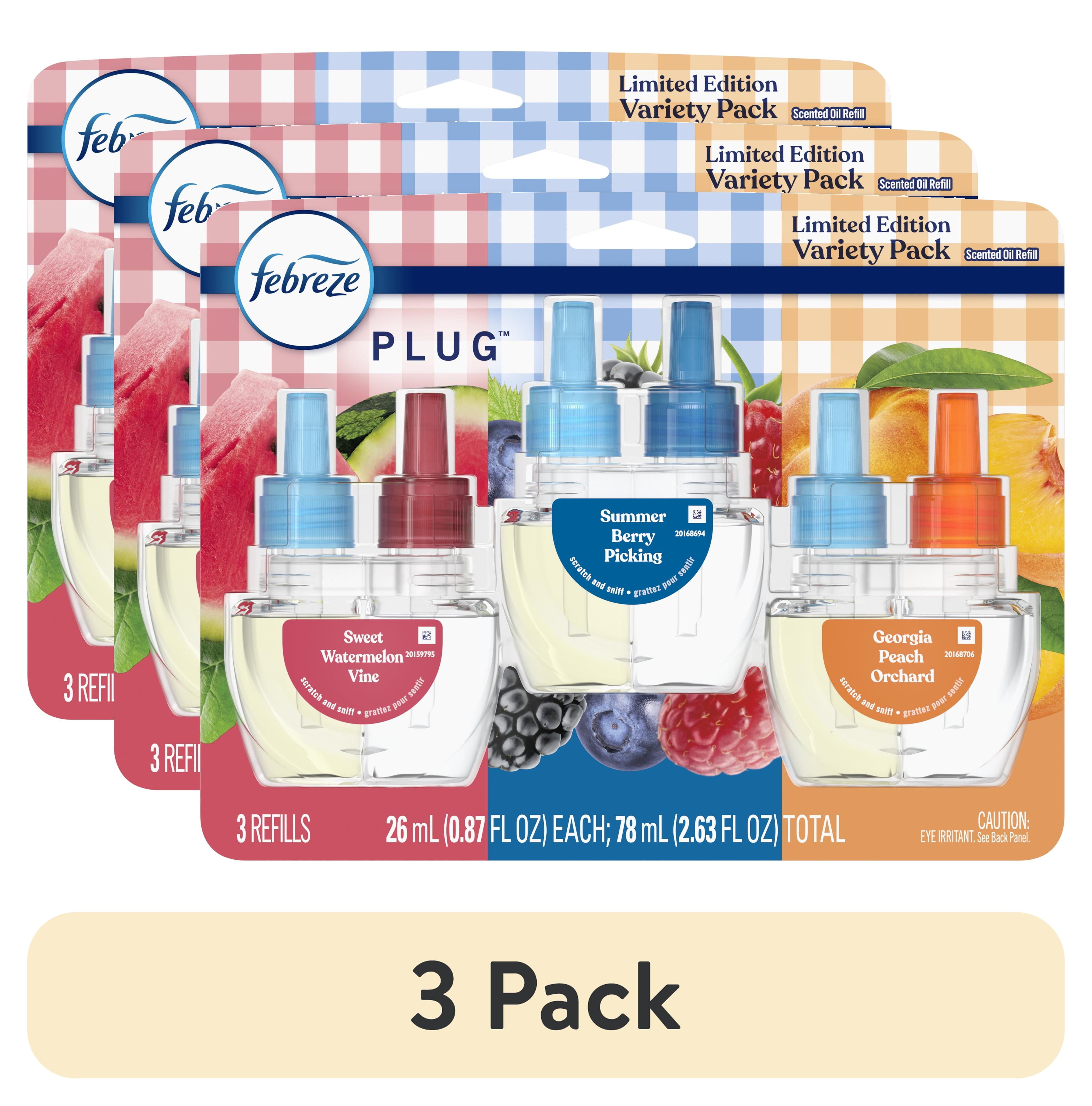
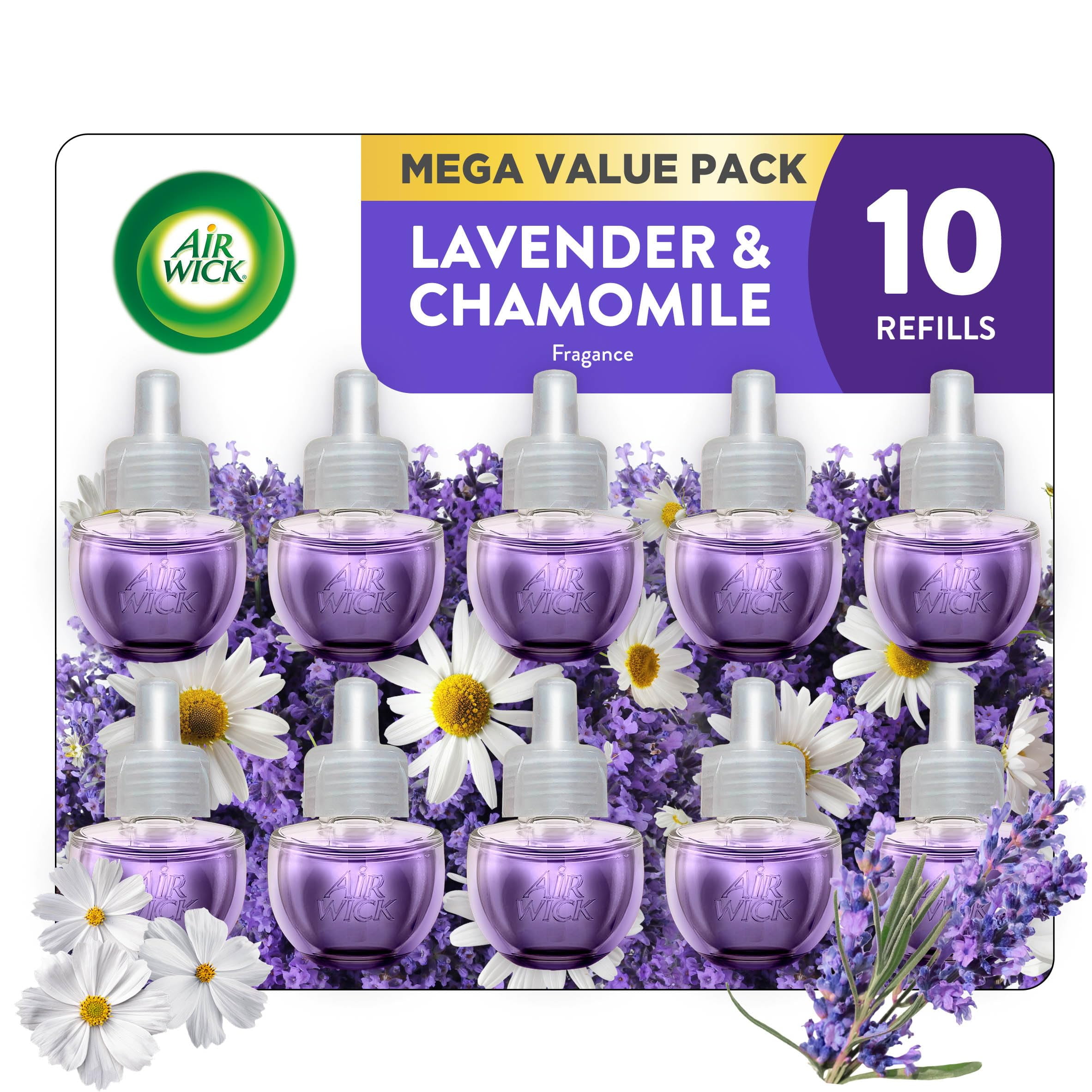
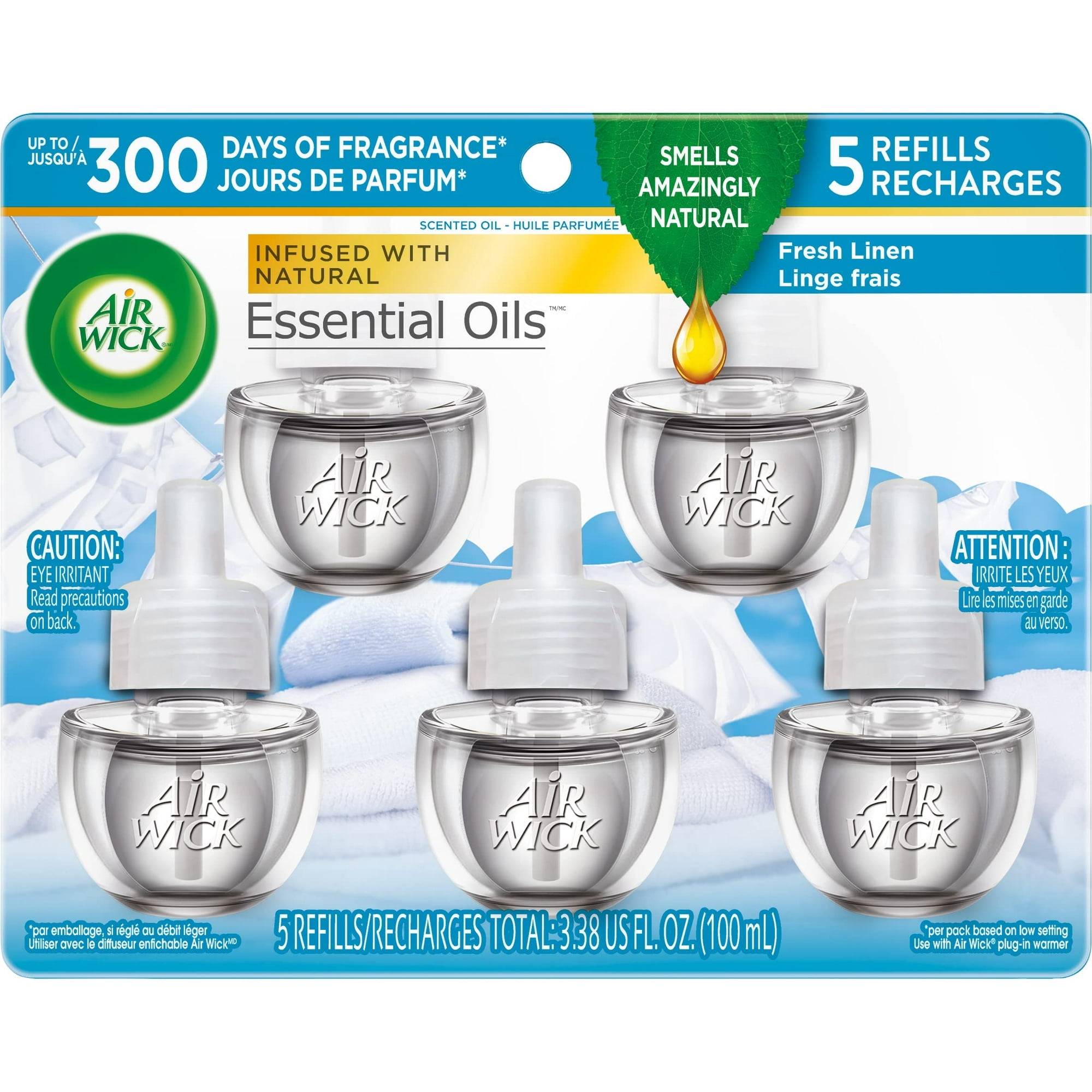
Electric plug-ins have transformed residential and commercial scenting by offering automated, continuous fragrance distribution. These devices use a low-wattage internal heating element or ultrasonic vibration to warm a glass or plastic vial containing scented oil, accelerating its evaporation into the surrounding air.
Many modern plug-ins feature adjustable intensity dials, integrated nightlights, and automated shut-offs when the liquid reservoir runs dry. While convenient, they tie up electrical outlets and require purchasing proprietary refill cartridges, which can increase long-term maintenance costs.
Passive Systems: Gels, Beads, and Reeds
Passive systems require no electricity, heat, or manual spraying. Gel air fresheners suspend fragrance oils within a water-and-polymer matrix that shrinks as the moisture and aromatic compounds evaporate. They are frequently used in automobiles and small, confined areas.
Reed diffusers utilize raw rattan or bamboo reeds placed into a vessel of oil-based solvent. The porous channels of the reeds draw the liquid upward through capillary action, releasing a subtle, continuous scent into the room. Reed diffusers are favored for their aesthetic appeal and lack of synthetic propellants, though their throw (the distance the fragrance travels) is generally milder than heat- or pressure-driven devices.
Chemical Composition and Health Considerations
The chemical formulations behind commercial air fresheners are complex. Understanding what goes into these products helps consumers make informed health and safety choices.
Volatile Organic Compounds (VOCs) and Phthalates
Many conventional air fresheners release volatile organic compounds, including formaldehyde, acetaldehyde, benzene, and toluene, into indoor environments. When these chemicals react with ambient ozone—a common indoor and outdoor pollutant—they can form secondary pollutants such as ultrafine particles and formaldehyde.
Furthermore, phthalates are frequently used as solvents in synthetic fragrances to help the scent linger longer. Because phthalates are known endocrine disruptors, many health organizations and regulatory bodies recommend minimizing exposure, particularly for pregnant individuals, infants, and people with respiratory conditions like asthma.
Sensitivities, Allergies, and Asthma Triggers
For individuals with chemical sensitivities, chronic obstructive pulmonary disease (COPD), or asthma, scented consumer products can act as potent triggers. Inhaling concentrated artificial fragrances or aerosol propellants can induce coughing, wheezing, eye irritation, and headaches. Consequently, public buildings, hospitals, and schools increasingly enforce scent-free policies to protect sensitive populations.
Natural and Plant-Based Alternatives
In response to growing health and environmental concerns, the market has seen a surge in plant-based and "green" air care products. These formulations typically substitute synthetic chemical fragrances with 100% pure essential oils derived from botanical sources (such as lavender, citrus peel, eucalyptus, and cedarwood).
While natural essential oils are generally perceived as safer, users must still exercise caution. Even natural compounds can trigger allergic reactions or cause severe toxicity in household pets (for instance, tea tree oil and citrus oils can be toxic to cats and dogs if ingested or applied topically).
Practical Selection and Usage Guide
Choosing the right air freshener depends on the specific space, the nature of the odor, and household safety requirements. Follow this step-by-step framework to evaluate and select an appropriate product:
- Identify the Source of the Odor: Determine whether the odor is transient (cooking, garbage) or systemic (mold, pet dander, dampness). Air fresheners only mask or balance odors; they do not replace cleaning, ventilation, or source removal.
- Assess the Environment: Evaluate the room size, ventilation, and presence of vulnerable occupants (infants, elderly individuals, asthma sufferers, or pets). Small, unventilated spaces require milder, passive options rather than heavy aerosols.
- Review Ingredient Transparency: Check product packaging or manufacturer safety data sheets (SDS) for listed ingredients. Look for products that disclose full fragrance formulas, avoid phthalates, and use natural propellants (like compressed air) if choosing aerosols.
- Monitor Air Quality and Performance: Observe how the room responds to the scent. If occupants experience headaches, throat irritation, or respiratory discomfort, discontinue use immediately and increase fresh air ventilation by opening windows or running HVAC systems with HEPA filtration.
Frequently Asked Questions
Do air fresheners actually clean or purify the air?
No. Standard commercial air fresheners do not remove pollutants, dust, bacteria, or allergens from the air. They rely on masking fragrances or chemical binding agents to alter how odors are perceived by human receptors. To genuinely clean indoor air, use mechanical filtration systems like HEPA air purifiers alongside proper source ventilation.
Are plug-in air fresheners safe to leave running continuously?
Most UL-listed electric plug-in diffusers are designed for continuous operation under normal conditions. However, they do consume electricity constantly and rely on heating elements. Users should inspect units periodically for signs of overheating, dust accumulation, or oil leakage, and avoid plugging them into overloaded extension cords or damaged wall outlets.
Why do some air fresheners cause headaches?
Headaches induced by air fresheners are typically triggered by synthetic fragrance compounds, particularly volatile organic compounds (VOCs) and petrochemical solvents. When inhaled, these chemicals can stimulate the trigeminal nerve in the nasal cavity, leading to vascular changes and subsequent tension headaches or migraines in sensitive individuals.
What is the difference between an air freshener and an odor neutralizer?
An air freshener typically uses a strong perfume to layer over an existing bad smell, resulting in a mixture of both odors. An odor neutralizer contains active chemical agents—such as active enzymes, baking soda, or molecular binders—that physically alter or encapsulate the odor molecules, neutralizing them at a chemical level rather than simply covering them up.
How can I make my home smell fresh naturally without chemical sprays?
Effective natural methods include opening windows daily to promote cross-ventilation, placing bowls of activated charcoal or baking soda in problem areas to absorb moisture and odors, simmering citrus peels and herbs on a stovetop, and maintaining clean carpets and upholstery where trapped odors frequently accumulate.
Conclusion and Next Actions
Managing indoor air scents effectively requires balancing aesthetic preferences with health and safety considerations. Rather than relying heavily on chemical masking agents, prioritize source elimination, proper home ventilation, and transparently labeled products. For your next step, inspect your current indoor scent devices, review their ingredient disclosures, and consider swapping out heavily synthetic aerosols for passive diffusers or targeted odor neutralizers to maintain a healthier indoor environment.