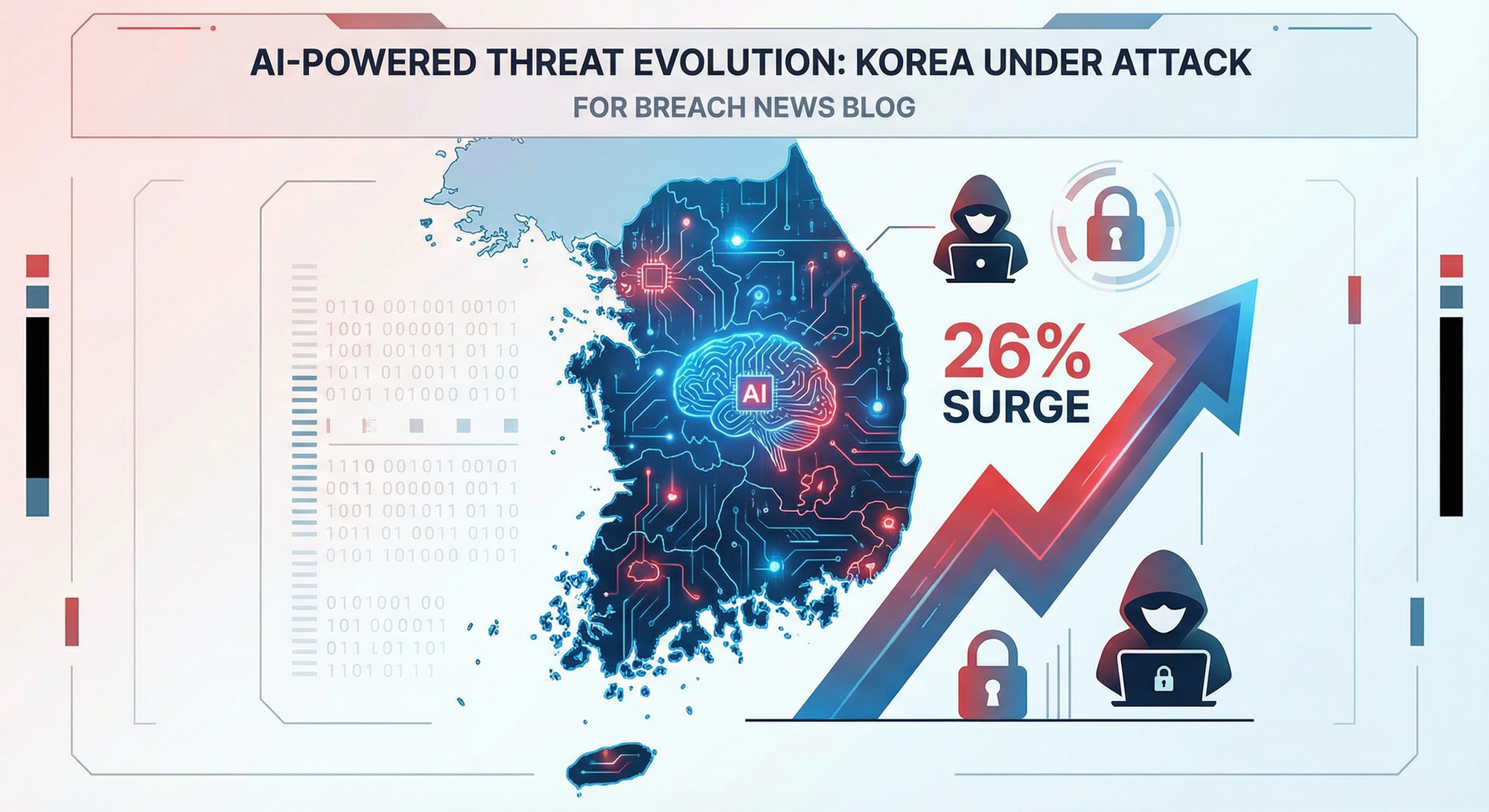
As artificial intelligence adoption accelerates across enterprise environments in 2026, the intersection of AI-driven threat vectors and cloud infrastructure vulnerabilities has created a critical security gap. Organizations are witnessing a surge in sophisticated AI-enabled attacks—including automated reconnaissance, adaptive malware, and large-scale credential harvesting—that leverage cloud misconfigurations to bypass traditional perimeter defenses.
The rapid proliferation of AI-integrated workflows has outpaced the implementation of robust cloud-native security controls, leaving massive attack surfaces exposed. Addressing this strain requires a shift from static security models to automated, identity-centric, and data-aware cloud governance. To secure cloud environments against evolving AI threats, organizations must prioritize visibility into API interactions, enforce Zero Trust architecture, and implement AI-specific threat detection that monitors for anomalous behavioral patterns within cloud-hosted workloads.
The Convergence of AI and Cloud Vulnerabilities
In 2026, the "AI-cloud nexus" represents the primary battlefield for enterprise security. Threat actors are no longer relying solely on manual exploits; instead, they are utilizing large language models (LLMs) and automated agentic workflows to scan vast cloud environments for misconfigurations, exposed secrets, and weak identity access management (IAM) policies.
Cloud environments inherently prioritize scalability and agility, two factors that often collide with security best practices. When developers spin up cloud-native applications, they often utilize Infrastructure as Code (IaC) templates that may contain latent security flaws. AI-powered attack tools can parse these templates faster than human security teams can audit them, identifying "blind spots" in cloud service provider (CSP) configurations before a deployment is even fully operational.
Furthermore, the rise of "Shadow AI"—unauthorized or unmonitored use of AI tools within the corporate cloud—introduces significant data exfiltration risks. When employees integrate proprietary cloud data into public or external AI models, they inadvertently widen the organization's perimeter, allowing attackers to target the API endpoints where this data resides.
Anatomy of the Modern AI-Driven Attack
To defend against current threats, security professionals must understand the mechanisms attackers are using. The surge in AI attacks is characterized by increased efficiency and adaptive capabilities.
Automated Reconnaissance and Recon-as-a-Service
Attackers are deploying AI agents that mimic legitimate traffic patterns to probe for vulnerabilities. Unlike traditional botnets that rely on known signatures, these agents can adapt their behavior based on the security responses they encounter, effectively "learning" the defenses of a specific cloud environment to find the path of least resistance.
Adaptive Malware and Payload Injection
AI is now being used to generate polymorphic malware that changes its code signature to evade signature-based detection systems. When deployed within a cloud environment, this malware can hide within containers or serverless functions, leveraging the ephemeral nature of cloud resources to maintain persistence without leaving a traditional digital footprint.
Prompt Injection and Model Hijacking
For organizations hosting their own AI models in the cloud, a new category of threat has emerged: prompt injection. Attackers feed malicious instructions into the AI model, tricking it into leaking sensitive cloud metadata or executing unauthorized API calls against the cloud backend.
Why Cloud Security Infrastructure is Straining
The current strain on cloud security is not merely a result of more sophisticated attackers; it is a structural issue within the modern digital enterprise.
- Complexity of Distributed Systems: Modern cloud environments are composed of thousands of microservices, containers, and serverless functions. Mapping the security interdependencies between these entities is exponentially harder than in legacy, monolithic environments.
- The IAM Explosion: Identity is the new perimeter. With thousands of human and machine identities operating in a single cloud account, managing "least privilege" is nearly impossible without advanced automation. AI attackers target this complexity, looking for over-privileged service accounts.
- Data Proliferation: AI requires massive datasets. As organizations move petabytes of data into cloud data lakes to train and run models, the sheer volume of data makes it difficult to maintain granular access control.
- Skills Gap and Tool Fatigue: Security teams are inundated with alerts from dozens of disparate tools. The cognitive load required to distinguish a genuine AI-led attack from a false positive has reached a breaking point, leading to "alert fatigue" and increased response times.
Comparing Security Strategies: Traditional vs. AI-Adaptive
The shift from legacy security to AI-resilient cloud security requires a fundamental change in tooling and philosophy.
| Feature | Traditional Cloud Security | AI-Adaptive Security |
|---|---|---|
| Detection Method | Signature-based / Threshold-based | Behavioral / Anomaly-based |
| IAM Strategy | Manual role assignment | Just-in-time, Just-enough access |
| Visibility | Log-centric (Centralized) | Context-aware (Service-graph) |
| Response | Human-in-the-loop / Manual | Automated Playbooks / SOAR |
| Perimeter Focus | Network-centric (Firewalls) | Identity-centric (Zero Trust) |
Implementing a Resilient Defense Framework
To mitigate the surge in AI-led threats, organizations should implement a multi-layered security strategy that accounts for the unique pressures on cloud infrastructure.
1. Hardening Infrastructure as Code (IaC)
Before code reaches production, use static analysis tools enhanced by AI to scan IaC templates for misconfigurations. This "Shift Left" approach ensures that security is baked into the foundation rather than patched in after deployment.
2. Implementing Zero Trust for Machine Identities
Every microservice and container must be authenticated. Rely on short-lived tokens and cryptographic identity proofs rather than static long-lived credentials. If an attacker compromises one service, the blast radius is contained because the service lacks the permissions to traverse the rest of the cloud environment.
3. Deploying Cloud Native Application Protection Platforms (CNAPP)
A modern CNAPP integrates multiple security functions—including Cloud Security Posture Management (CSPM), Cloud Workload Protection (CWPP), and CI/CD security—into a single platform. This unification reduces tool fatigue and provides the unified context necessary to detect complex, multi-stage AI attacks.
4. Advanced API Monitoring
Most cloud interactions happen via APIs. Deploy AI-driven API security gateways that can differentiate between normal machine-to-machine traffic and the jittery, probing behavior characteristic of automated reconnaissance agents.
Addressing the Human Element: Governance and Policy
Technology alone cannot solve the strain on cloud security. Governance remains the primary mechanism for preventing the "Shadow AI" phenomenon.
- Standardized AI Procurement: Establish a centralized approval process for all AI tools, ensuring that third-party vendors meet strict compliance and data privacy standards.
- Continuous Compliance Monitoring: Move away from annual compliance audits. Use automated governance tools that report on the posture of the cloud environment in real-time, alerting stakeholders to drifts in security policy.
- Incident Response Simulation: Conduct "Red Team" exercises that specifically simulate AI-driven attacks. Test whether your team can detect and isolate an automated reconnaissance agent that operates at machine speed.
Frequently Asked Questions (FAQ)
What is the most effective way to detect AI-driven reconnaissance?
Detection relies on behavioral analysis rather than simple IP blacklisting. AI agents often display subtle patterns, such as "low-and-slow" scanning or unusual API call sequences. Using a Cloud Detection and Response (CDR) system that uses machine learning to establish a baseline of "normal" for your specific cloud environment is the most effective defense.
How does "Shadow AI" increase my cloud security risk?
Shadow AI occurs when employees use unauthorized tools, often outside the view of the security team. If an employee connects a public, unvetted AI tool to an internal database, they risk data exfiltration. Furthermore, these tools may create unmanaged API keys that attackers can harvest.
Is "Zero Trust" still relevant in 2026?
Zero Trust is more relevant than ever. Because the cloud perimeter is porous, you cannot assume any traffic—even internal traffic—is safe. Implementing strict identity verification for every service interaction is the single most effective way to prevent lateral movement during an attack.
How can small teams manage cloud security without a massive budget?
Focus on native CSP security tools first. Major providers (AWS, Azure, Google Cloud) offer robust, low-cost native security modules. Prioritize automating your IAM policies and implementing basic infrastructure scanning before investing in expensive third-party platforms.
What should be the first step after discovering an AI-based breach?
Immediately revoke the compromised identity's credentials and isolate the affected workload (e.g., quarantine the affected container or segment the VPC). Once isolated, capture forensic logs before terminating the instance, as ephemeral resources are often lost upon shutdown.
Next Actions for Security Teams
Organizations should immediately conduct a "Cloud Asset Discovery" audit to identify all publicly exposed APIs and unmanaged AI endpoints. Once identified, apply the principle of least privilege to these assets and ensure that all traffic is passing through an authenticated gateway.
For those overseeing cloud operations, prioritize the integration of behavioral analytics into your SIEM/SOAR platforms. If your current security stack lacks the ability to correlate data across identity, network, and workload logs, your team remains effectively blind to the adaptive nature of 2026-era AI attacks. Moving toward an automated, identity-centric architecture is no longer an optional upgrade; it is a fundamental requirement for operational survival in a cloud-first, AI-enabled threat landscape.